Unknown's avatar

About Scott

A cultural thinker with a life long interest in the arts and humanities: theatre, music, architecture, photography, history, urban planning, etc.

QQA Preservation Conversations Tonight: Architectural Interiors

QQAThe Quapaw Quarter Association’s monthly award-winning Preservation Conversation series continues tonight.

This month  Brent Hull, Owner and President of Hull Historical. Known for award-winning design of exceptional architectural interiors, Hull Historical provides expertise in residential and historic preservation. Trained in the art of museum quality preservation at the prestigious North Bennet Street School in Boston, Brent is the exclusive licensee for the architectural interiors of the Winterthur Museum and Country Estate in Wilmington, Delaware, the original home of H.F. du Pont. Hull is a board member of the Texas Chapter of the ICAA, and recipient of the 2012 NBSS Distinguished Alumni Award.

The program takes place this evening at Curran Hall, 615 East Capitol Avenue. From 5 to 5:30 a reception will take place. The program will run from 5:30 to 6:30.

The Quapaw Quarter Association’s mission is to promote the preservation of Little Rock’s architectural heritage through advocacy, marketing and education. Incorporated in 1968, the QQA grew out of an effort to identify and protect significant historic structures in Little Rock during the urban renewal projects of the early 1960s. Throughout its existence, the QQA has been a driving force behind historic preservation in Greater Little Rock.
 j

April 9 Architeaser

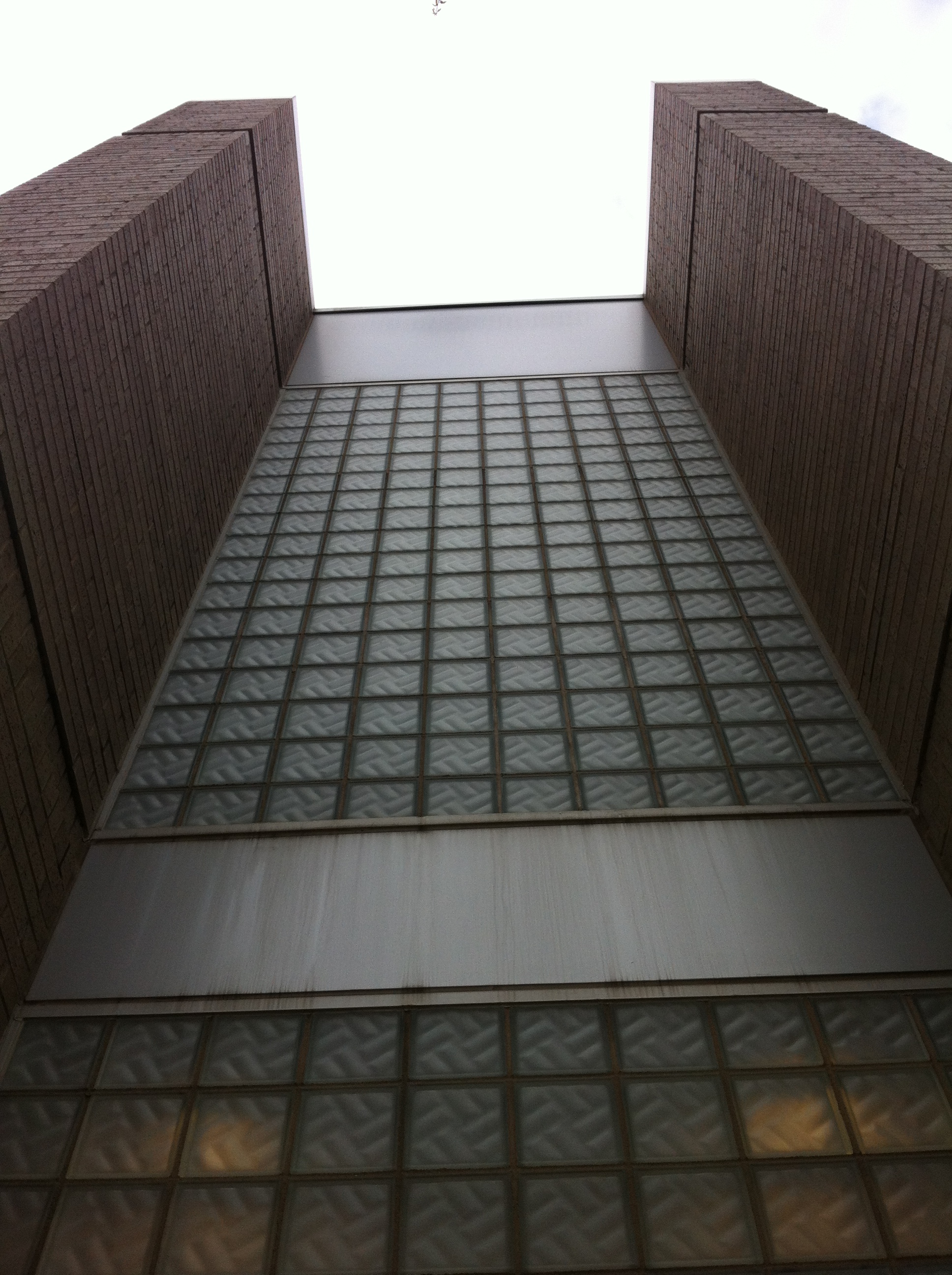
IMG_4812On the anniversary of La Harpe seeing the “Little Rock” for the first time, today’s Architeaser celebrates a building which is located near the Little Rock and looks to the past and the future.

The Little Rock Regional Chamber of Commerce headquarters, located on Markham between Scott Street and the 4 Corners intersection (Markham, LaHarpe, Cumberland, President Clinton).  Designed by the firm Polk Stanley and Yeary (now Polk Stanley Wilcox), the building won awards in 2001 and 2002 from chapters of the American Institute of Architects.

The design evokes both mid-century designs with the buff brick and glass blocks, but also incorporates many contemporary facets of architectural design both inside and outside.

Little Rock Look Back: La Harpe Sees a Rock

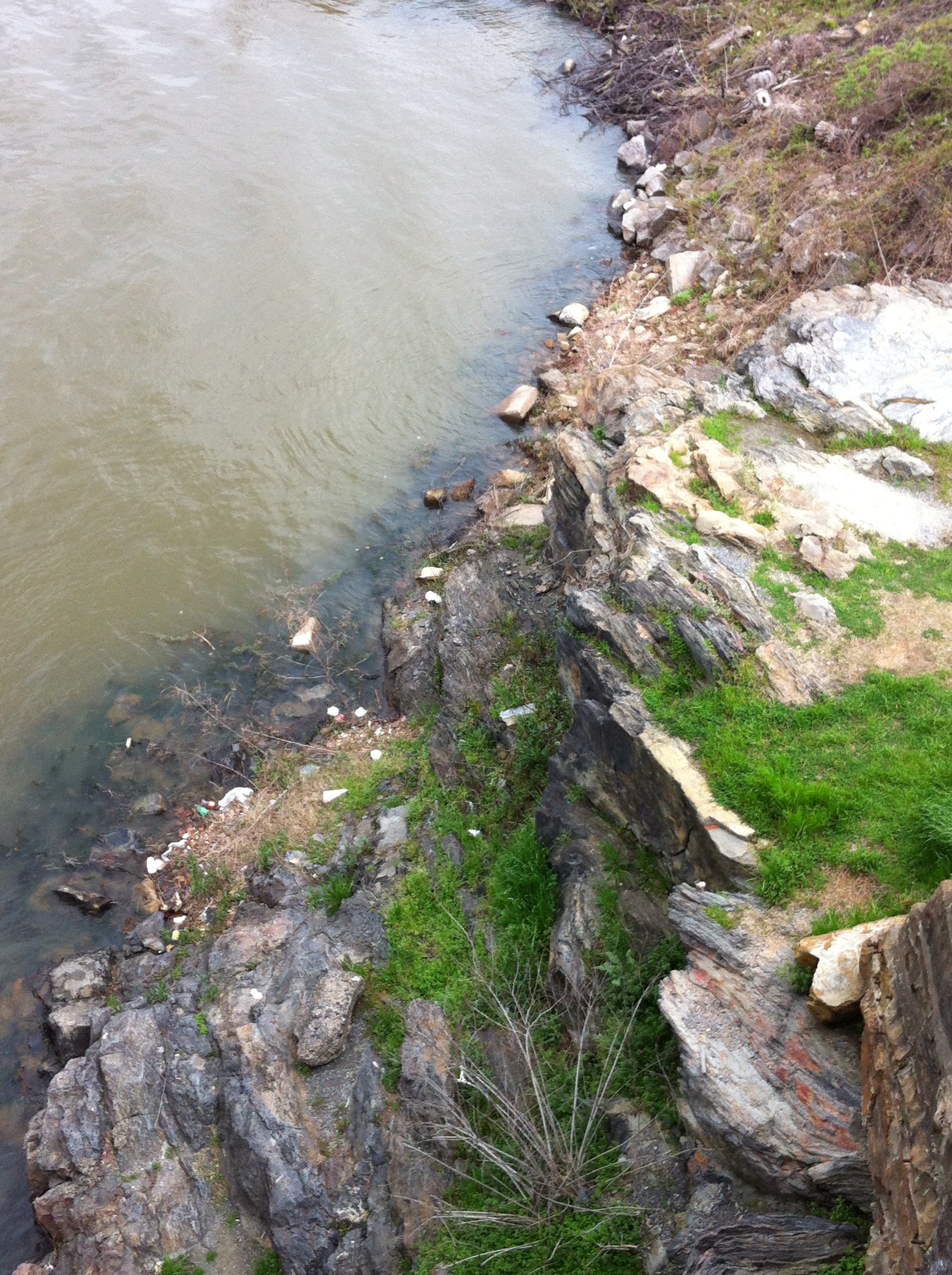
IMG_4805On April 9, 1722, French explorer Jean-Baptiste Bénard de La Harpe rounded the bend of the Arkansas River and saw La Petite Roche and Le Rocher Français.  He had entered the mouth of the Arkansas River on February 27 after traveling up the Mississippi River from New Orleans.

Though La Harpe and his expedition are the first Europeans documented to have seen La Petite Roche, the outcropping of rocks was well-known to the Quapaw Indians in the area.  The outcropping jutted out in the Arkansas River and created a natural harbor which provided a perfect place for boats to land.

The rock outcropping is the first one visible along the banks of the Arkansas River.  It marks the place where the Mississippi Delta meets the Ouachita Mountains.  Geologists now believe that the Little Rock is not the same type of rock as the Ouachita Mountains and more closely matches the composition and age of mountains in the western US.

In 1813, William Lewis became the first European settler to live near La Petite Roche but only stayed a few months.  Speculators and trappers continued to visit the area throughout the 1810s. During that time, the outcropping became known informally as the Little Rock.

La Petite Roche had become a well-known crossing when the Arkansas Territory was established in 1819. The permanent settlement of ‘The Rock’ began in the spring of 1820, and the first building has been described as a cabin, or shanty, and was built on the bank of the river near the ‘Rock.’ In March 1820, a Post Office was established at the ‘Rock’ with the name “Little Rock.”

Over the years, La Petite Roche was altered.  In 1872, Congress authorized the building of a railroad bridge. A pier for the bridge was built at the location of the La Petite Roche which caused the removal of several tons of rock.  The bridge was never built.  When the Junction Bridge was built in 1899, even more rock was removed in the process of erecting part of the bridge on top of the rock.  It was not viewed as being disrespectful of the City’s namesake at the time.  Indeed, it was viewed as a testament to the sturdiness of the rock.

In 2010, La Petite Roche plaza opened in Riverfront Park.  It celebrates the history of La Petite Roche and explores its importance to various aspects of Little Rock’s history and geography.

April 8 Architeaser

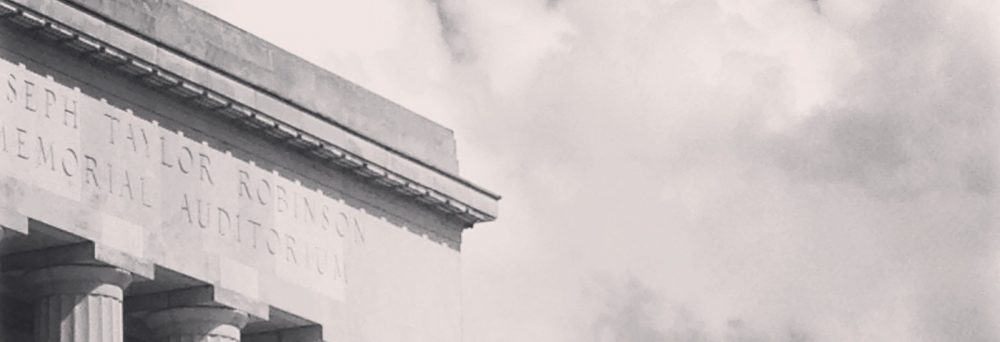
MannonMainThis is one of the architectural flourishes on this building at 317 Main Street.  Designed by architect George R. Mann, the building was built in 1906 as the flagship of the Gus Blass Department Store.  It operated in that capacity until 1972.  It later served as a bank facility until the late 1990s.  Now it is the anchor of a redevelopment on Main Street.  It is now known as Mann on Main, in tribute to the architect who designed not only this building but many others downtown.

This building is one of Little Rock’s most architecturally significant buildings and is listed on the National Register of Historic Places.


Reel Classics with the Rep: DEATH OF A SALESMAN

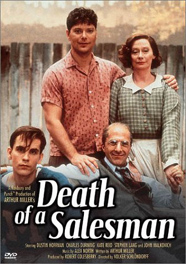
717deathLater this month, Robert Walden opens in Death of a Salesman at Arkansas Rep.  In conjunction with that, the Reel Classics with the Rep series returns for this month’s installment.

The monthly series showcases films which share connections with productions currently on stage at the Arkansas Repertory Theatre.

Tonight’s film is the 1985 version of Death of a Salesman.  This version was filmed for television and is adapted from the 1984 Tony winning revival.  It stars Dustin Hoffman as Willy Loman.  Kate Reid, John Malkovich and Stephen Lang play other members of the Loman family. Other standouts in the cast include Charles Durning and Louis Zorich.

The program begins tonight at 6pm with a discussion of the Rep’s production led by members of the Rep’s staff.  Following that, at 6:30, the film will be screened.  It takes place at Laman Library.

The Rep’s production, directed by Robert Hupp, begins performances on April 24 and runs through May 12.  Opening night is April 26.

Arkansas Arts Center Family Festival today

arkartsctrlogoSunday, April 7, 12 p.m. – 3 p.m., Alice Pratt Brown Atrium and Children’s Theatre

52nd Young Arkansas Artists Exhibition Awards Reception and Family Festival

The winners of the Arkansas Arts Center 52nd Young Arkansas Artists Exhibition will be honored by hosting a Family Festival.  The events will bring out the artistry in every member of your family – grown-ups included! 

Kids of every age will hunt for stories, create action art, make murals and celebrate those young artists who have been chosen for special awards for their participation in the 52nd Young Arkansas Artists Exhibition. These events are free to members, Young Arkansas Artists and their families. Tickets are $20 per family for non-members. 

Artist awards will be held in the Children’s Theatre at 2:30 p.m.

New play reading of Judy Baker Goss’ LIFE SCIENCE today

judygossLittle Rock playwright and educator Judy Baker Goss is working on a new play.  A public reading of the play will take place today at 4pm at Cabe Theatre on the campus of Hendrix College.

The play, Life Science, is set during the Arkansas trial contesting Act 590 in 1981, the play explores tensions outside the courtroom between parents and teens involved in the fight over what students should be taught in biology about evolution and who holds authority over their teaching.

Goss describes the play like this: In 1981, Phoebe is pressured beyond normal teen anxiety. Her mother, a biology teacher in remission from cancer, will testify against Arkansas’ “creation science” law, supported by Phoebe’s boyfriend, Paul, and his father, an evangelical pastor. Fearing, too, that her separated parents will divorce, she leans on Paul more, but college plans consume him.

Phoebe finds comfort from Victor, an African-American classmate and basketball player whose father also opposes mixing religion with science teaching. As Phoebe and Paul’s relationship buckles, she grows closer to Victor, but violence erupts between the boys. Parents and teens find that each alone can’t restore shattered self-respect, which is essential to surviving tests of faith in their shared environment.

Hendrix College Associate Professor and department chair Ann Muse will direct the performance with a cast of students and adult actors.

Revisions to Life Science continue, after it was discussed by Lee Blessing, Dan O’Brien and contributors in the Sewanee Writers’ Conference playwriting workshop in 2009 and again by Daisy Foote and Sewanee playwriting workshop participants in 2012.