
Little Rock Look Back: LaHarpe Sees a Rock

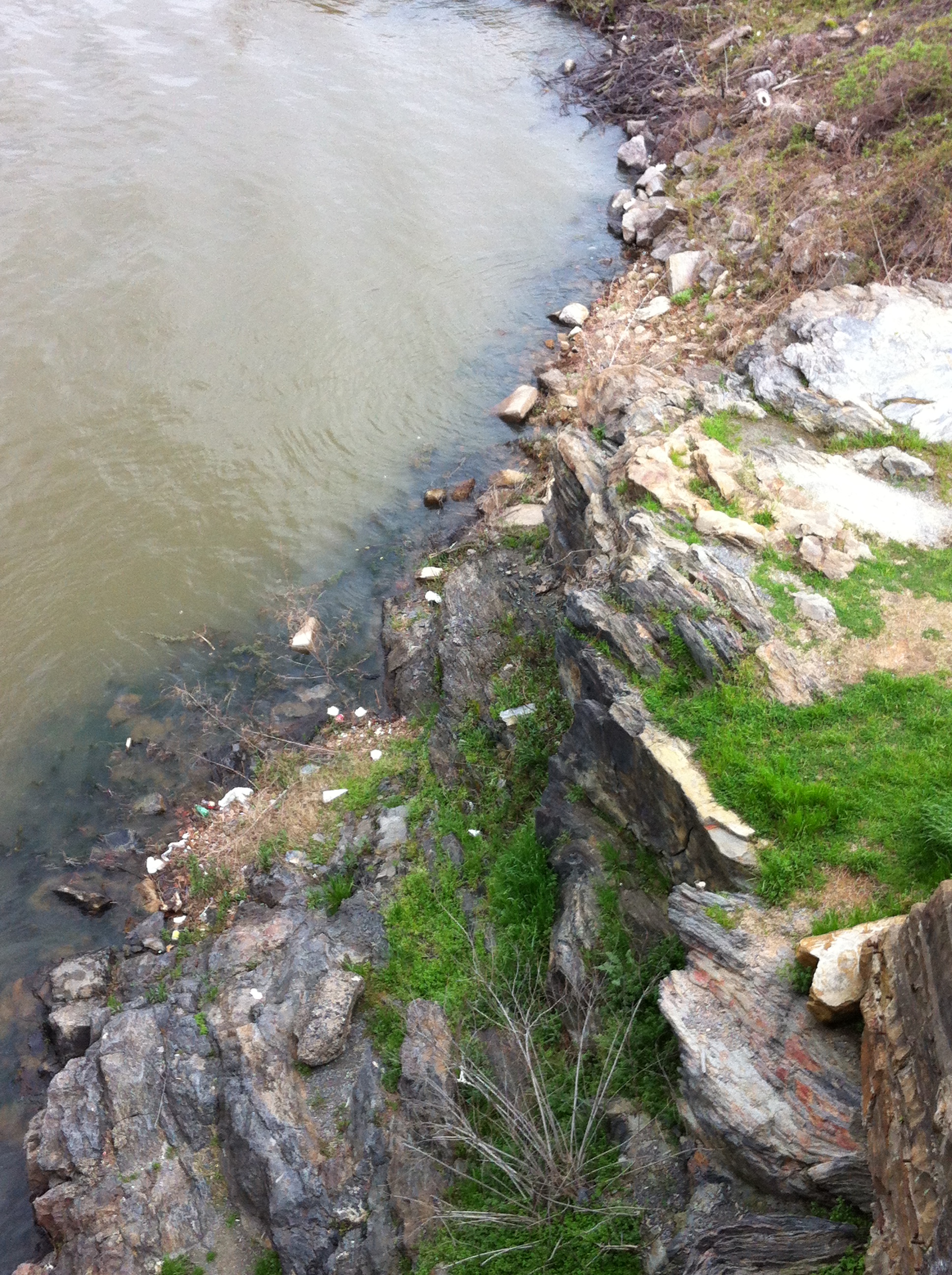
IMG_4805On April 9, 1722, French explorer Jean-Baptiste Bénard de La Harpe rounded the bend of the Arkansas River and saw La Petite Roche and Le Rocher Français.  He had entered the mouth of the Arkansas River on February 27 after traveling up the Mississippi River from New Orleans.

Though La Harpe and his expedition are the first Europeans documented to have seen La Petite Roche, the outcropping of rocks was well-known to the Quapaw Indians in the area.  The outcropping jutted out in the Arkansas River and created a natural harbor which provided a perfect place for boats to land.

The rock outcropping is the first one visible along the banks of the Arkansas River.  It marks the place where the Mississippi Delta meets the Ouachita Mountains.  Geologists now believe that the Little Rock is not the same type of rock as the Ouachita Mountains and more closely matches the composition and age of mountains in the western US.

In 1813, William Lewis became the first European settler to live near La Petite Roche but only stayed a few months.  Speculators and trappers continued to visit the area throughout the 1810s. During that time, the outcropping became known informally as the Little Rock.

La Petite Roche had become a well-known crossing when the Arkansas Territory was established in 1819. The permanent settlement of ‘The Rock’ began in the spring of 1820, and the first building has been described as a cabin, or shanty, and was built on the bank of the river near the ‘Rock.’ In March 1820, a Post Office was established at the ‘Rock’ with the name “Little Rock.”

Over the years, La Petite Roche was altered.  In 1872, Congress authorized the building of a railroad bridge. A pier for the bridge was built at the location of the La Petite Roche which caused the removal of several tons of rock.  The bridge was never built.  When the Junction Bridge was built in 1899, even more rock was removed in the process of erecting part of the bridge on top of the rock.  It was not viewed as being disrespectful of the City’s namesake at the time.  Indeed, it was viewed as a testament to the sturdiness of the rock.

In 2010, La Petite Roche plaza opened in Riverfront Park.  It celebrates the history of La Petite Roche and explores its importance to various aspects of Little Rock’s history and geography.

A Lincoln Viaduct Portrait

Photo courtesy of the Arkansas Historic Preservation Program

Photo courtesy of the Arkansas Historic Preservation Program

Since today is Abraham Lincoln’s birthday, it is a good day to pay tribute to the Lincoln Avenue Viaduct.  This arched bridge is traversed by thousands of cars each day, with most having no idea the name of the structure.  The Lincoln Avenue Viaduct is the arched bridge connecting LaHarpe with Cantrell Road which (literally) bridges downtown with the west along Highway 10.

The Lincoln Avenue Viaduct is a reinforced concrete rainbow arch bridge. It was opened at 2:05 p.m. on Friday, December 28, 1928, and, despite later alterations, it remains particularly well-preserved. The Missouri Pacific Railroad Company, considered the most important railroad company in the state, constructed the bridge amid a series of improvements in Little Rock made necessary by the damage wrought by the infamous spring floods of 1927.

Though the bride was constructed by the railroad, the City had to give authorization to do so, this was accomplished by the passing of Ordinance 4,335, at the May 28, 1928, City Council meeting.

Lincoln Avenue was one of several names for stretches of Highway 10 in Little Rock. By the 1960s, the areas west of the Lincoln Avenue viaduct were all renamed Cantrell in honor of the man who had developed much of the area west of the Heights. The longest stretch of the road already carried that name. There had been an effort to rename Highway 10 (including sections named Lincoln, Q, and Cantrell) in Little Rock for Senator Joseph Taylor Robinson in 1930. He declined the offer because he did not want to diminish the contributions of Mr. Cantrell.  Over time the entire stretch bore the name Cantrell.

The stretches east of the viaduct which involved a couple of names were renamed La Harpe Boulevard in honor of the French explorer who first saw the Little Rock.

Though the street has been renamed, the bridge still carries the name of the 16th President of the United States.

Little Rock Look Back: A Man and a Rock (LaHarpe sees the Little Rock)

IMG_4805On April 9, 1722, French explorer Jean-Baptiste Bénard de La Harpe rounded the bend of the Arkansas River and saw La Petite Roche and Le Rocher Français.  He had entered the mouth of the Arkansas River on February 27 after traveling up the Mississippi River from New Orleans.

Though La Harpe and his expedition are the first Europeans documented to have seen La Petite Roche, the outcropping of rocks was well-known to the Quapaw Indians in the area.  The outcropping jutted out in the Arkansas River and created a natural harbor which provided a perfect place for boats to land.

The rock outcropping is the first one visible along the banks of the Arkansas River.  It marks the place where the Mississippi Delta meets the Ouachita Mountains.  Geologists now believe that the Little Rock is not the same type of rock as the Ouachita Mountains and more closely matches the composition and age of mountains in the western US.

In 1813, William Lewis became the first European settler to live near La Petite Roche but only stayed a few months.  Speculators and trappers continued to visit the area throughout the 1810s. During that time, the outcropping became known informally as the Little Rock.

La Petite Roche had become a well-known crossing when the Arkansas Territory was established in 1819. The permanent settlement of ‘The Rock’ began in the spring of 1820, and the first building has been described as a cabin, or shanty, and was built on the bank of the river near the ‘Rock.’ In March 1820, a Post Office was established at the ‘Rock’ with the name “Little Rock.”

Over the years, La Petite Roche was altered.  In 1872, Congress authorized the building of a railroad bridge. A pier for the bridge was built at the location of the La Petite Roche which caused the removal of several tons of rock.  The bridge was never built.  When the Junction Bridge was built in 1899, even more rock was removed in the process of erecting part of the bridge on top of the rock.  It was not viewed as being disrespectful of the City’s namesake at the time.  Indeed, it was viewed as a testament to the sturdiness of the rock.

In 2010, La Petite Roche plaza opened in Riverfront Park.  It celebrates the history of La Petite Roche and explores its importance to various aspects of Little Rock’s history and geography.

Little Rock Look Back: Lincoln Avenue Viaduct

ahpp_nom_lincolnaveviaduct_largeSince today is Abraham Lincoln’s birthday, the focus is on the Lincoln Avenue Viaduct.  This arched bridge is traversed by thousands of cars each day, with most having no idea the name of the structure.

The Lincoln Avenue Viaduct is the arched bridge connecting LaHarpe with Cantrell Road which (literally) bridges downtown with the west along Highway 10.

The Lincoln Avenue Viaduct is a reinforced concrete rainbow arch bridge. It was opened at 2:05p.m. on Friday, December 28, 1928, and, despite later alterations, it remains particularly well
preserved. The Missouri Pacific Railroad Company, considered the most important railroad company in the state, constructed the bridge amid a series of improvements in Little Rock made necessary by the damage wrought by the infamous spring floods of 1927.

Though the bride was constructed by the railroad, the City had to give authorization to do so, this was accomplished by the passing of Ordinance 4,335, at the May 28, 1928, City Council meeting.

Lincoln Avenue was one of several names for stretches of Highway 10 in Little Rock. By the 1960s, the areas west of the Lincoln Avenue viaduct were all renamed Cantrell in honor of the man who had developed much of the area west of the Heights. The longest stretch of the road already carried that name. There had been an effort to rename Highway 10 (including sections named Lincoln, Q, and Cantrell) in Little Rock for Senator Joseph Taylor Robinson in 1930. He declined the offer because he did not want to diminish the contributions of Mr. Cantrell.  Over time the entire stretch bore the name Cantrell.

The stretches east of the viaduct which involved a couple of names were renamed La Harpe Boulevard in honor of the French explorer who first saw the Little Rock.

Though the street has been renamed, the bridge still carries the name of the 16th President of the United States.

April 9 Architeaser

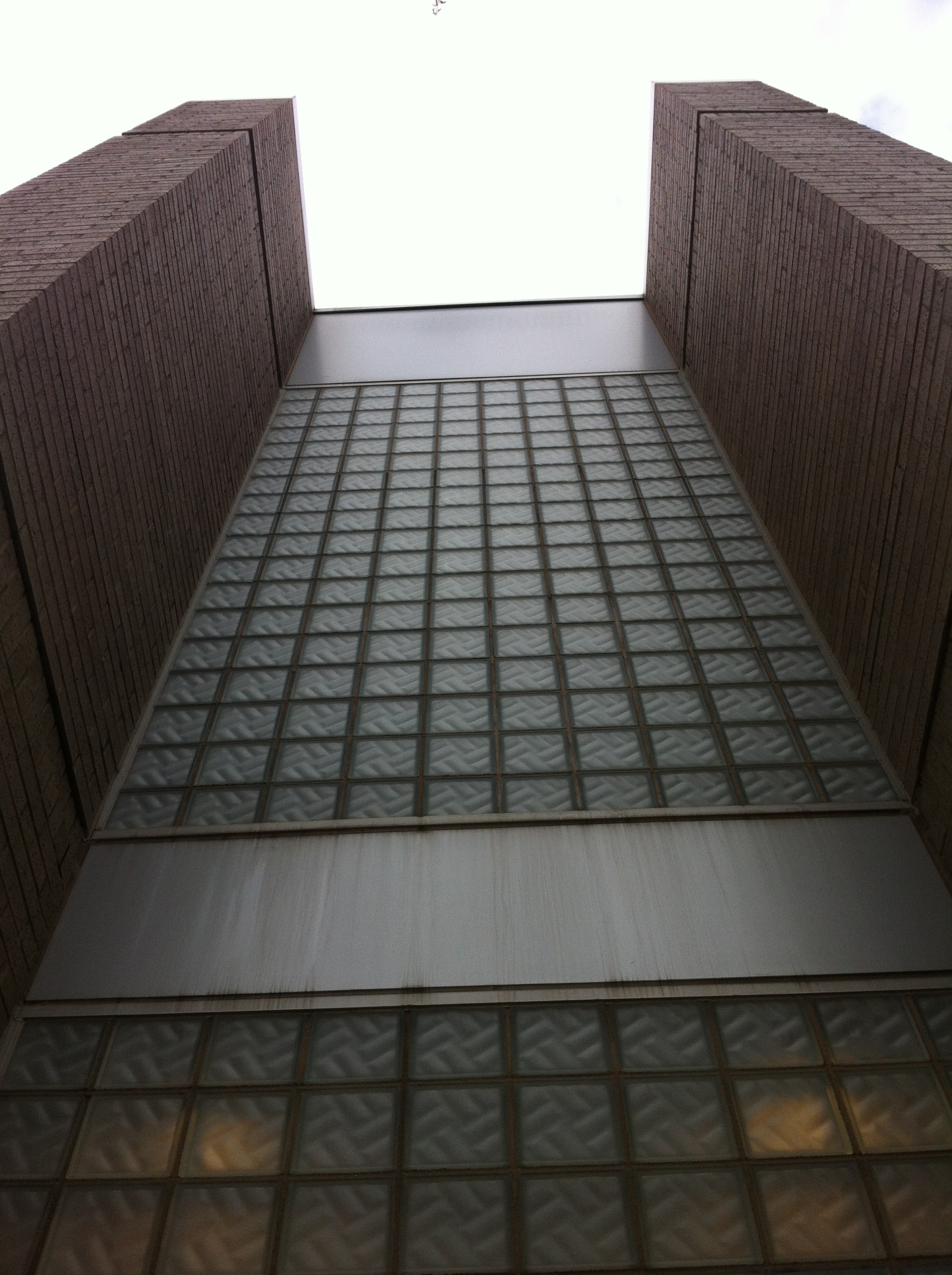
IMG_4812On the anniversary of La Harpe seeing the “Little Rock” for the first time, today’s Architeaser celebrates a building which is located near the Little Rock and looks to the past and the future.

The Little Rock Regional Chamber of Commerce headquarters, located on Markham between Scott Street and the 4 Corners intersection (Markham, LaHarpe, Cumberland, President Clinton).  Designed by the firm Polk Stanley and Yeary (now Polk Stanley Wilcox), the building won awards in 2001 and 2002 from chapters of the American Institute of Architects.

The design evokes both mid-century designs with the buff brick and glass blocks, but also incorporates many contemporary facets of architectural design both inside and outside.

Little Rock Look Back: La Harpe Sees a Rock

IMG_4805On April 9, 1722, French explorer Jean-Baptiste Bénard de La Harpe rounded the bend of the Arkansas River and saw La Petite Roche and Le Rocher Français.  He had entered the mouth of the Arkansas River on February 27 after traveling up the Mississippi River from New Orleans.

Though La Harpe and his expedition are the first Europeans documented to have seen La Petite Roche, the outcropping of rocks was well-known to the Quapaw Indians in the area.  The outcropping jutted out in the Arkansas River and created a natural harbor which provided a perfect place for boats to land.

The rock outcropping is the first one visible along the banks of the Arkansas River.  It marks the place where the Mississippi Delta meets the Ouachita Mountains.  Geologists now believe that the Little Rock is not the same type of rock as the Ouachita Mountains and more closely matches the composition and age of mountains in the western US.

In 1813, William Lewis became the first European settler to live near La Petite Roche but only stayed a few months.  Speculators and trappers continued to visit the area throughout the 1810s. During that time, the outcropping became known informally as the Little Rock.

La Petite Roche had become a well-known crossing when the Arkansas Territory was established in 1819. The permanent settlement of ‘The Rock’ began in the spring of 1820, and the first building has been described as a cabin, or shanty, and was built on the bank of the river near the ‘Rock.’ In March 1820, a Post Office was established at the ‘Rock’ with the name “Little Rock.”

Over the years, La Petite Roche was altered.  In 1872, Congress authorized the building of a railroad bridge. A pier for the bridge was built at the location of the La Petite Roche which caused the removal of several tons of rock.  The bridge was never built.  When the Junction Bridge was built in 1899, even more rock was removed in the process of erecting part of the bridge on top of the rock.  It was not viewed as being disrespectful of the City’s namesake at the time.  Indeed, it was viewed as a testament to the sturdiness of the rock.

In 2010, La Petite Roche plaza opened in Riverfront Park.  It celebrates the history of La Petite Roche and explores its importance to various aspects of Little Rock’s history and geography.