
New Penguin Chick at the Little Rock Zoo!

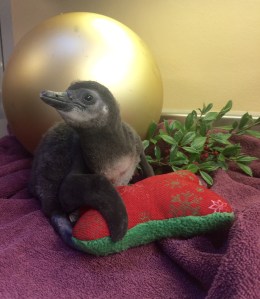
penguin-chickVisitors to the Laura P. Nichols Penguin Pointe exhibit at the Little Rock Zoo are now able to see the latest addition to the Zoo family: a baby penguin.

First-time penguin parents “Domino” and “Laura” (named for the donor Laura P. Nichols) successfully hatched an egg on Nov. 2. Their breeding was a recommendation of the African Penguin Species Survival Plan administrated by the Association of Zoos and Aquariums.

“This is the seventh chick we’ve hatched successfully at our zoo,” said Susan Altrui, acting Zoo director. “This birth adds another individual to the population of these endangered and beautiful animals. We’re proud to be a part of that.”

Domino and Laura, who is also one of the Zoo’s Animal Ambassadors, reared the chick in a nest box for the first few weeks – the most crucial time, but keeper staff have stepped in to hand-rear it so it will become comfortable around people and possibly be an Animal Ambassador like its mother.

The sex of the chick won’t be known for at least another week after blood testing results are available. The Zoo will hold a naming contest via social media once the chick’s sex is determined.

For now, the chick will be visible through the conservation room window of the Penguin Pointe exhibit. It will join the rest of the colony when it’s about 3 months old and big enough to be around adult penguins.

There are about 52,000 mature African penguins in the wild. Also called jackass penguins because of their braying donkey-like calls, these aquatic birds dine on fish and are well-suited to Arkansas’s climate.
4th Penguin Chick Born at Little Rock Zoo

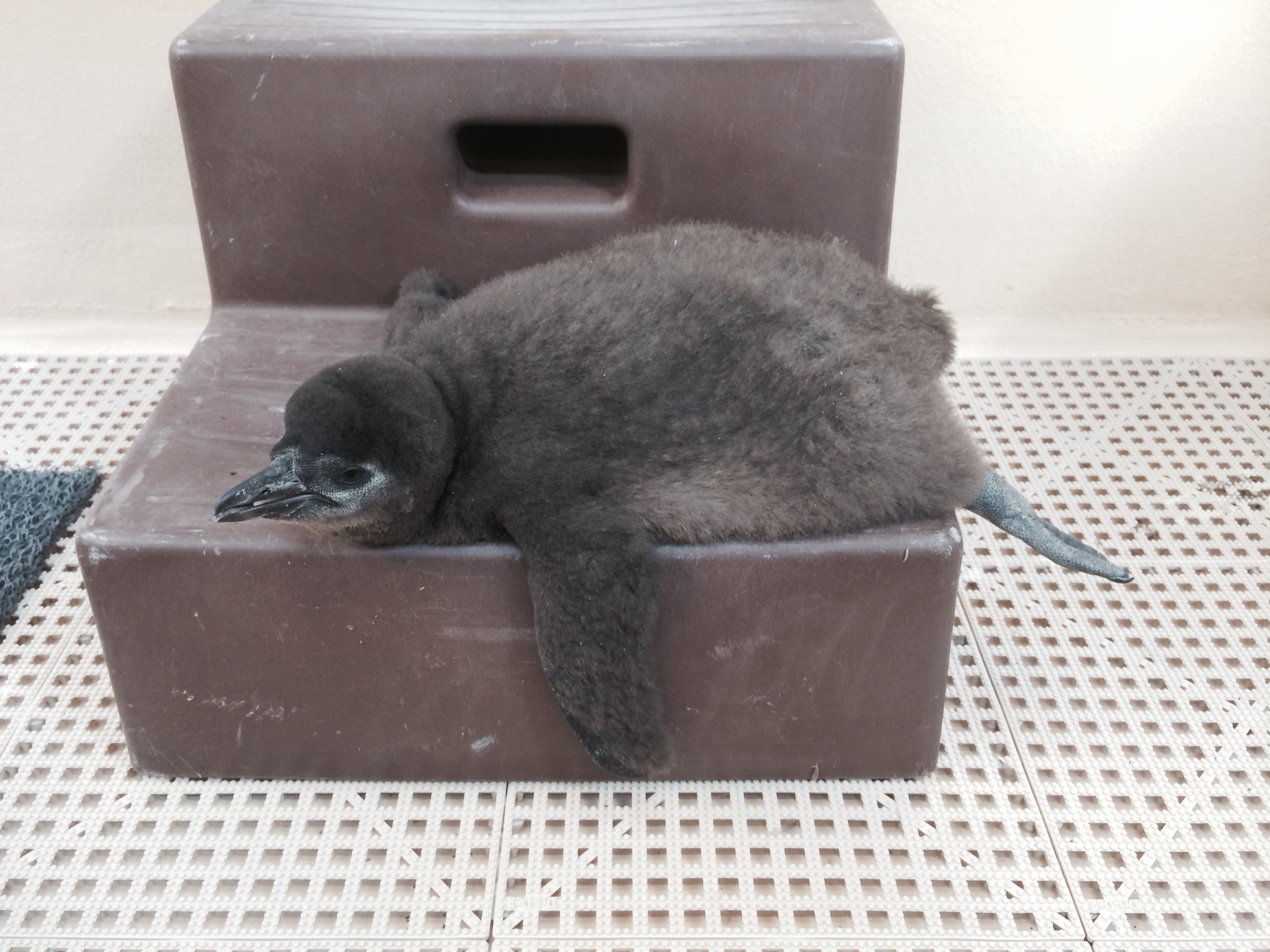
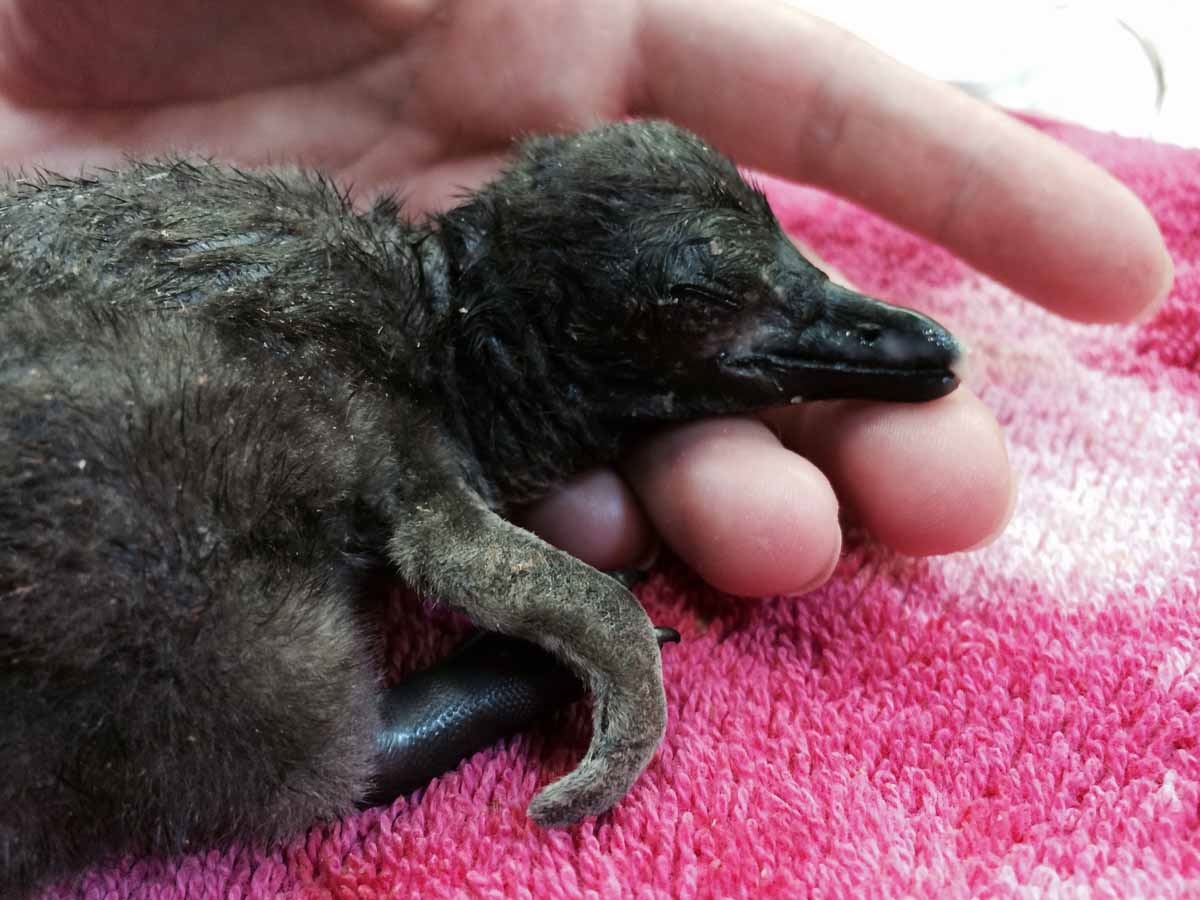
Fourth Penguin ChickThe Little Rock Zoo is proud to announce that its fourth African penguin chick successfully hatched on Sept. 11 and is doing well.

A unique story follows this penguin. Unlike the Zoo’s last three, this penguin chick was hatched by penguins Mary Beth and Roy and foster parented by penguins Skipper and Eze. Skipper and Eze are parents to the Zoo’s last three chicks.

The new penguin, a male, weighed only 2.3 ounces when born. He now weighs six pounds and is growing strong. Penguin chicks grow quickly when they are first hatched and if they are healthy.

The birth of this penguin is a significant achievement in conservation because of the genetic makeup of penguins Mary Beth and Roy. Mary Beth and Roy were recommended to breed by the Association of Zoos and Aquariums (AZA) Species Survival Plan (SSP). The SSP is a conservation program of AZA that aims to protect and conserve endangered and threatened species. The African penguin is an endangered species whose population has declined more than 95 percent since preindustrial times. The African penguin is threatened by oil spills, overfishing, and climate change.

The chick will not be on exhibit until it is old enough to swim on its own. In the meantime, he enjoys lounging on the steps of the Laura P. Nichols Penguin Pointe exhibit.

About the Little Rock Zoo

The Little Rock Zoo is accredited by the Association of Zoos and Aquariums (AZA).  Look for the AZA logo whenever you visit a zoo or aquarium as your assurance that you are supporting a facility dedicated to providing excellent care for animals, a great experience for you and a better future for all living things.  With its more than 200 accredited members, AZA is a leader in global wildlife conservation and your link to helping animals in their native habitats.  For more information, visit www.aza.org.

New Penguin Born at Little Rock Zoo

3rd Chick 4 days old compressedThe Little Rock Zoo is proud to announce that an African penguin chick successfully hatched on July 28 and is doing well.

The egg was laid by penguin parents Skipper and Eze, also parents to penguins Gilligan and Bugsy, two chicks previously hatched at the Little Rock Zoo. The chick currently weighs only 700 grams but only weighed 62 grams when it hatched.

Unlike Gilligan and Bugsy, this chick is being hand-raised by keepers because its parents abandoned the egg after it was laid.  Keeper staff successfully incubated the egg in a brooder meant for chicks and are hand feeding it a formula of fish krill.  Initially, the chick was fed every three hours around the clock.  Now, the chick is fed every four hours during the day.

The chick will not be on exhibit until it is old enough to swim on its own. The sex of the chick has not been determined yet and will be determined by a blood test. The chick has not yet been given a name by keeper staff.

This latest addition to the Zoo’s colony of African penguins at the Laura P. Nichols Penguin Ponte exhibit comes at the recommendation of the Species Survival Plan (SSP) for the African penguin, a conservation program of the Association of Zoos and Aquariums (AZA). The African penguin is an endangered species whose population has declined more than 95% since preindustrial times. The African penguin is threatened by oil spills, overfishing, and climate change.


About the Little Rock Zoo

The Little Rock Zoo is accredited by the Association of Zoos and Aquariums (AZA).  Look for the AZA logo whenever you visit a zoo or aquarium as your assurance that you are supporting a facility dedicated to providing excellent care for animals, a great experience for you and a better future for all living things.  With its more than 200 accredited members, AZA is a leader in global wildlife conservation and your link to helping animals in their native habitats.  For more information, visit www.aza.org.

For more information on Little Rock Zoo, visit www.littlerockzoo.com or call 501-661-7208.