Little Rock Look Back: Buddy Villines – LR’s 69th Mayor

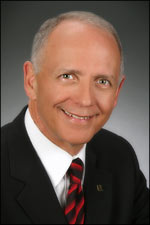
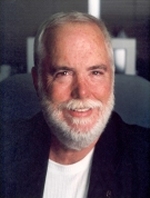
judgebuddyOn this date in 1947, future Little Rock Mayor (and current Pulaski County Judge) Floyd G. “Buddy” Villines was born.  A 1969 graduate of Hendrix College, he served in Vietnam in 1970 and 1971. He later graduated from the University of Arkansas at Little Rock Law School.

Villines’ first interaction with Little Rock City Hall was as an employee in the City Manager’s office.  After joining the private sector, he returned to City Hall in 1985 serving on the Little Rock City Board of Directors.  He was re-elected in 1989.

While on the City Board, he was chosen as Vice Mayor for a two year term in 1987 and 1988.  The following year he was selected as Mayor for a two year term.  In 1990, Villines was elected Pulaski County Judge; he resigned from the City Board in December 1990 to take office.

Villines has served as Pulaski County Judge since January 1991.  He is leaving office this December after 24 years.  He is the longest serving County Judge in Pulaski County history.

Little Rock Look Back: Ark Municipal League 2002/2003 President Jim Dailey

cityoflr_img_board_dailyToday is the final day of the Arkansas Municipal League’s 80th convention. It is taking place at the Statehouse Convention Center (which is on the site of the Hotel Marion – location of the first AML meeting). Little Rock Mayor Mark Stodola will be installed as president today. He is the sixth Little Rock official to hold this position.

Today’s feature is on the fifth Little Rock official – Jim Dailey, who was Little Rock’s 71st Mayor.  He served as the 2002/2003 AML President. Not only was he Little Rock’s 71st Mayor, he was the AML’s 71st President.

Jim Dailey was first elected to the City Board of Directors in 1974 and served one term. From January 1977 to December 1978, he was Vice Mayor.  After taking a decade off to focus on the family business (and continue to be involved in civic affairs including serving as founding chair of Leadership Greater Little Rock), he returned to the City Board in January 1989.  In 1991 and 1992, he again served as Vice Mayor. He was re-elected to the Board in 1992 and was named Mayor in January 1993.  In November 1994, he was elected as the first popularly-elected Mayor of Little Rock under the City Manager form of government.

He was re-elected in 1998 and 2002.  His fourteen years as Mayor of Little Rock set a longevity record.  Upon his retirement the City’s fitness center was renamed the Jim Dailey Fitness and Aquatic Center.  This was in recognition of his lifelong interest in wellness activities.

As Mayor, he served as Chair of the Intergovernmental Advisory Committee of the Federal Communications Commission. He was also a member of the United States Conference of Mayor’s Communications Task Force.  He was appointed to the National League of Cities Board of Directors and the Municipalities in Transition on Public Finance.He also served as president of the Arkansas Municipal League in 2002 and 2003.

Since leaving office, he has continued his civic involvement by serving as a member of the Little Rock Airport Commission which oversees the Bill and Hillary Clinton National Airport.  He is also involved in commercial real estate.

Little Rock Look Back: Ark Municipal League 1954 President H. C. “Sport” Graham

H C GrahamToday is the first full day of the 80th Arkansas Municipal League convention here in Little Rock.  It is at the Statehouse Convention Center which stands on the site of the Hotel Marion, which was the site of the first meeting.

Five Little Rock leaders have led the AML as President. On Friday, Mayor Mark Stodola will become the sixth Little Rock city official to be president of the Arkansas Municipal League.

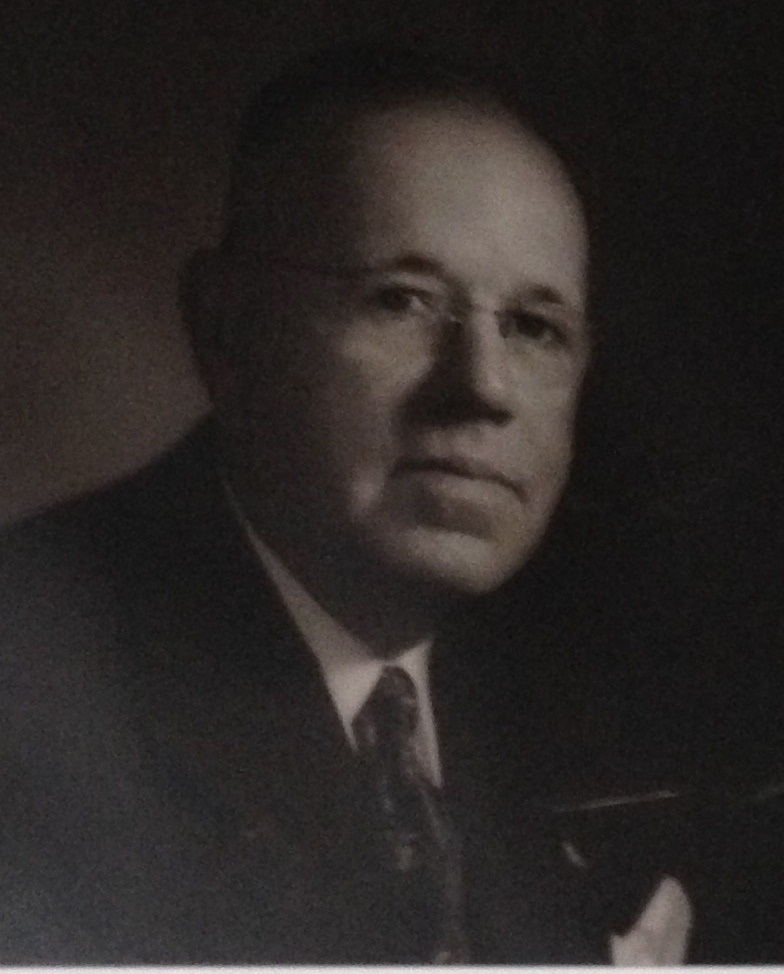
Today’s feature spotlights Henry Clay Graham. Known officially as H. C. Graham, his nickname was “Sport.”  H. C. Graham was the first, and to date, only City Clerk to have served as AML President. He was president in 1954, serving as the 22nd President.

Graham was first appointed City Clerk in August 1934 to fill out the term of John Krumm, who had died that month. Graham ran for election in 1936 and was re-elected every two years through 1954. He was not afraid to challenge the Mayor or City Council members in meetings or in the press if he felt that rules were not being followed. He openly criticized Mayor Overman over spending habits in the late 1930s and sided with Mayor Satterfield when members of the City Council were being held in contempt of court for disobeying a judge’s order.

In October 1954, Little Rock Mayor Pratt Remmel, a Republican, was running for Governor. Graham supported Orval Faubus, who was the Democratic nominee.  On a Friday evening, he appeared on KATV promoting Faubus’ campaign.  He went home that night after the program complaining he did not feel well. On Sunday, he was having dinner at his nephew’s house in Little Rock and collapsed and died. It was a few days before the Municipal League annual meeting at which he was supposed to preside.  The decision was made to continue with the meeting as a tribute to him.

Graham’s 20 years and two months as City Clerk is the second longest in the City’s history and the longest of any elected City Clerk.

Graham’s sister, Pauline Graham Beeson, was appointed to fill out the remainder of his term. She did not seek election. In 1958, however, she was appointed the first City Clerk of Little Rock under the City Manager form of government and served in that capacity until December 1968.

Little Rock Look Back: Ark Municipal League 1944 President Sam Wassell

S WassellTonight, the Arkansas Municipal League kicks off its 2014 convention and celebrating its 80th anniversary this week here in Little Rock.  The first meeting took place in 1934 at the Hotel Marion.

Five Little Rock city leaders have served as President of the Arkansas Municipal League. On Friday, Mayor Mark Stodola will become the sixth Little Rock city official to be president of the Arkansas Municipal League.

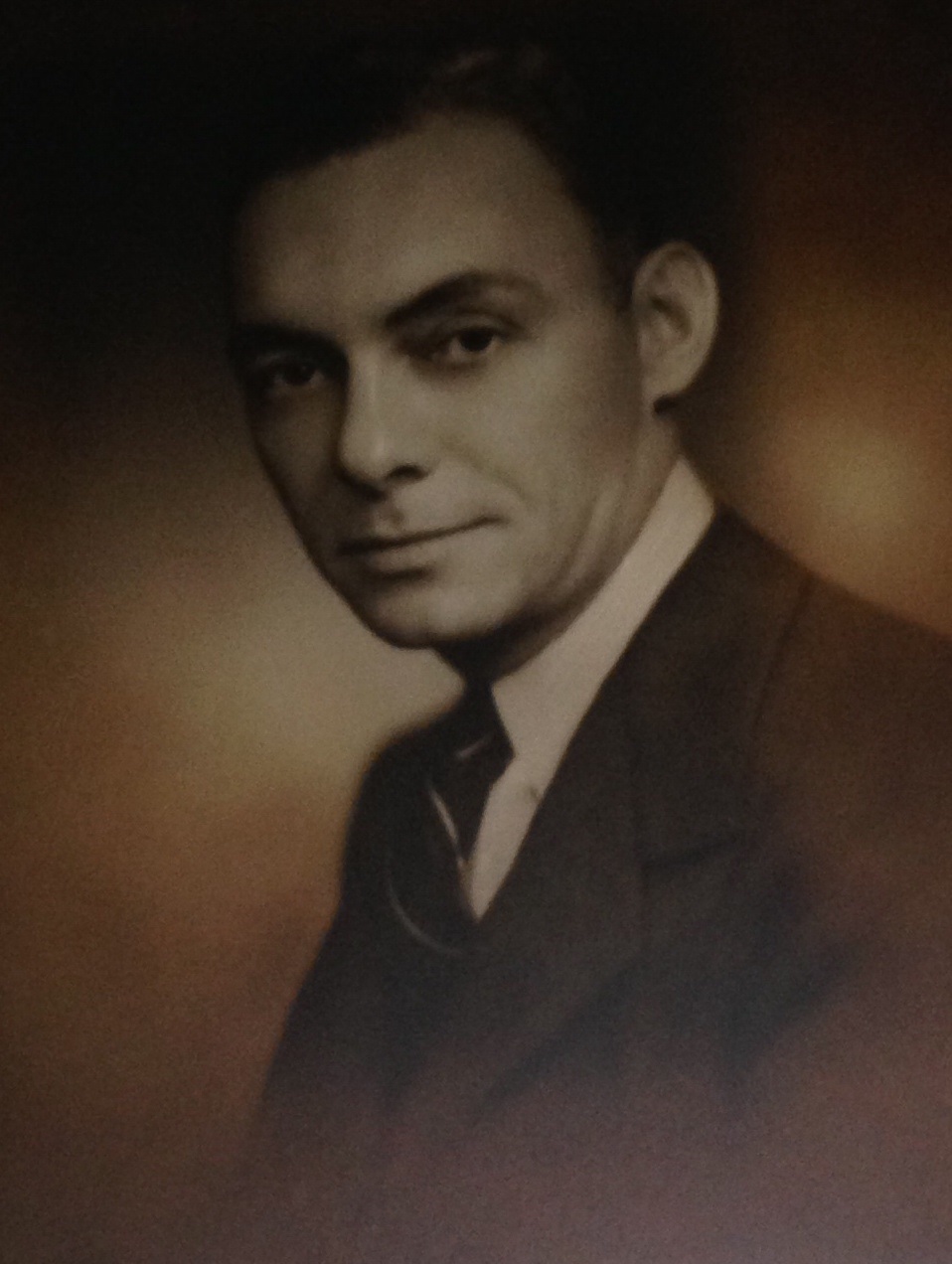
In 1944, Alderman (and future Little Rock Mayor) Sam M. Wassell served as the eleventh AML President.  He was the first alderman to lead the group.

A Little Rock native, his grandfather John W. Wassell had been Mayor of Little Rock in 1868.  He is the only Little Rock Mayor to be a grandson of another Little Rock Mayor.

Sam Wassell served on the Little Rock City Council from 1928 through 1934 and again from 1940 through 1946.

Wassell was an attorney.  He practiced law privately and also served as an Assistant US Attorney.  In 1930, he ran unsuccessfully for the Democratic nomination for the US Congress representing the 5th Congressional District, which at the time included Little Rock.

Wassell ran for Mayor in 1947 and was unopposed in the general election.  He was unopposed in his bid for re-election in 1949.  During his second term, President Harry S. Truman visited Little Rock. As Mayor, he oversaw post-war growth in Little Rock. In 1951, he was not successful in his bid for a third term, losing to Pratt Remmel.

With a new USS Little Rock under construction, it is interesting to note that Mrs. Sam Wassell christened the previous USS Little Rock in 1944.

Mayor Wassell died on December 23, 1954 and is buried at Roselawn Cemetery in Little Rock.

Little Rock Look Back: Ark Municipal League 1941 President J. V. Satterfield, Jr.

SatterfieldThe Arkansas Municipal League is having the 2014 convention and celebrating its 80th anniversary this week here in Little Rock.  The first meeting took place in 1934 at the Hotel Marion.

Each day this week will feature a look at a previous Little Rock leader who led AML.

Mayor J. V. Satterfield, Jr., was the seventh president of the Arkansas Municipal League serving in 1941.  Because he did not seek re-election as Mayor and left office during his tenure as AML leader, he did not serve an entire year in the AML presidency.

J. V. Satterfield was elected to serve as Mayor of Little Rock in 1939 and served one term, until 1941.  He was credited with saving the City from bankruptcy because of his fiscal policies. Among his efficiencies were the creation of a central purchasing office and using grass moved from the airport to feed the Zoo animals.

Though as a private citizen he had voted against the creation of a municipal auditorium in 1937, Mayor Satterfield fought valiantly to ensure that Robinson Auditorium opened to the public once he took office.  Shortly after he became Mayor, it was discovered that there were not sufficient funds to finish the construction. After the federal government refused to put in more money, he was able to negotiate with some of the contractors to arrange for the building to be completed. He also oversaw a successful special election to raise the money to finish the project.

Satterfield was a staunch supporter of the airport and worked to expand it.  He would serve as the chair of the first Municipal Airport Commission.  He also established the Little Rock Housing Authority (on which he would later serve on the board).

Following the outbreak of World War II, Satterfield enlisted in the Army and was given the rank of a Major. He later was promoted to a Colonel and worked in the Pentagon during its early days.

In the late 1940s Satterfield became president of a small Little Rock bank called People’s Bank.  The bank changed its named to First National Bank when it moved into new offices at 3rd and Louisiana in 1953.  Under his leadership it grew into one of the state’s largest banks.

Mayor Satterfield lived in Little Rock until his March 1966 death.


Little Rock Look Back: John Widgery, LR’s 8th Mayor

LR sealOn June 17, 1802, future Little Rock Mayor John Widgery was born in Portland ME to Mr. and Mrs. William Widgery.  His father died in 1804.  At the age of 11, John Widgery entered Bowdoin College.  He was the youngest student admitted to the college.

Widgery studied law with his uncle, Nathan Kinsman.  He married Ann L. Woodward, who was from Boston MA.  According to Bowdoin College records, he later “wandered away into the Southwest” spending time “in the Cherokee country.”

Widgery spent most of his adult life in the south. For a time Widgery was clerk of the Mississippi House of Representatives.  He then moved to Little Rock prior to 1840.  By 1840, he was Recorder for the City of Little Rock.

According to media reports at the time, several tradesman groups encouraged Widgery to run for Mayor in January 1841.  He did run but lost to Rev. Samuel H. Webb.  The next year, Widgery ran again and this time was elected Mayor.  He took office in January 1842.  On May 24, 1842 he resigned from office.  He later served as Secretary of the Arkansas Senate (where he made $8 a day when the Senate was in session).

Widgery eventually settled in St. Louis.  He later returned up north.  He died on August 2, 1873 in Portland ME and is buried there.  He and his wife did not have any children.

No known painting or photograph of Mayor Widgery exists.

Little Rock Look Back: Ark Municipal League President R. E. Overman

Overman

Mayor Overman in a photo from a campaign flyer

The Arkansas Municipal League is having the 2014 convention and celebrating its 80th anniversary this week here in Little Rock.  The first meeting took place in 1934 at the Hotel Marion.

On Friday, Mayor Mark Stodola will become the sixth Little Rock city official to be president of the Arkansas Municipal League.

Each day this week will feature a look at a previous Little Rock leader who led AML.

Mayor Richard “R. E.” Overman, was the third president of the Arkansas Municipal League serving in 1937.  While he was AML president, he started his second two year term as Little Rock Mayor.

First elected in April 1935, he was re-elected in April 1937.  Mayor Overman led efforts to create the first public water utility in Little Rock and to upgrade the wastewater system.  He also worked with the various New Deal programs to build up the city’s infrastructure.  In November 1936, he asked the City Council to call a special election for January 1937 to pass the bonds to allow for the construction of a new municipal auditorium. That initiative was passed by the voters.  Mayor Overman spent much of his last two years in office dealing with the water, wastewater and auditorium projects.

Mayor Overman was defeated in a bid for a third term in 1939.  He continued to live in Little Rock until his death in April 1947.