 Drs. Thomas A. Bruce, M. Joycelyn Elders, Henry Foster Jr., Edith Irby Jones, and Billy Ray Thomas, and five posthumous honorees will be recognized for their efforts to provide quality healthcare to all citizens at 2 p.m. Friday, Oct. 24, in the Little Rock River Market District at the entrance of the St. Vincent Medical Mile.
Posthumous honors will be bestowed upon Drs. Cleon A. Flowers Sr., Samuel Lee Kountz, and John Marshall Robinson; registered nurse Lena Lowe Jordan; and scientist and educator Phillip Leon Rayford, Ph.D., during the fourth annual Arkansas Civil Rights Heritage Trail Commemoration.
Commemorative markers will be added to the Heritage Trail in honor of pioneers in health care, individuals who were either first of their race to graduate from medical school, or who have shared their professional talents generously in ways that have championed racial equity in Arkansas.
“This year, the Institute turned to healthcare because even though it is a profession by which African Americans in particular have been grossly underrepresented and underserved, Arkansas has a rich tradition of producing some of the nation’s best and brightest medical professionals,” said Dr. Michael R. Twyman, director of the UALR Institute on Race and Ethnicity.
The Institute is partnering with the University of Arkansas for Medical Sciences Center for Diversity Affairs to honor these healthcare professionals. The center specializes in encouraging young persons of color to seek careers in health and STEM professions.
“I am honored to be recognized with such accomplished people,” said Thomas, vice chancellor for diversity affairs at the University of Arkansas for Medical Sciences. “It is also a very humbling experience because many of the other honorees are also my mentors.”
Like Thomas, the other nine honorees have made significant contributions toward social and racial equity in Arkansas – most of whom received their professional education and training during the the Civil Rights Movement era, during a time of deep civil unrest in the country and state.
“It is not lost on us that this year marks the 60th anniversary of the Brown vs. Board of Education court decision that prohibited public institutions from discriminating on the basis of race,” said Twyman.
“Access to quality education and healthcare have become the predominant civil rights issues of our time,” he added.
Learn more about each honoree at arkansascivilrightsheritage.org supported in part by a grant from the Arkansas Humanities Council and the National Endowment for the Humanities.
In addition to the Center for Diversity Affairs at UAMS, the Central Arkansas Planning and Development District; East Harding Inc.; Arkansas Medical, Dental, and Pharmaceutical Association; Just Communities of Arkansas; the Little Rock Alumnae Chapter of Delta Sigma Theta Sorority, Inc.; and the Little Rock Alumni Chapter of Kappa Alpha Psi Fraternity, Inc. are sponsors for the event.
About the Civil Rights Heritage Trail
The Arkansas Civil Rights Heritage Trail was created in 2011 to acknowledge the sacrifices and achievements made by those who have fought for racial justice in the state. The Heritage Trail begins at the Old State House and currently stretches to the front of the Little Rock Regional Chamber of Commerce. As commemorative bronze markers are added each year, it will continue toward the William J. Clinton Presidential Center and beyond.
About the UALR Institute on Race and Ethnicity
The UALR Institute on Race and Ethnicity was founded in July 2011. With a vision to make Arkansas the best state in the country for promoting and celebrating racial and ethnic diversity, the Institute conducts research, promotes scholarship and provides programs that address racial inequities. It does so by facilitating open and honest dialogue aimed at empowering communities and informing public policy to achieve more equitable outcomes.

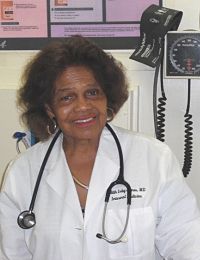 Dr. Edith Irby Jones was the first African American woman to attend and to graduate from the University of Arkansas for Medical Sciences. At the time she was admitted, she became the first African American to attend any previously segregated medical school in the South.
 Little Rock Culture Vulture