 Since tonight is the 57th Grammy Awards presentation, today’s spotlight looks at a musician who has several entries in the Grammy Hall of Fame – Louis Jordan.
Louis Thomas Jordan was born on July 8, 1908 in Brinkley. The son of a musician, he learned to play the saxophone as a youth and majored in music later at Arkansas Baptist College and performed with Jimmy Pryor’s Imperial Serenaders in Little Rock. He also toured with the famed Rabbit Foot Minstrels, who were the backing musicians for a number of blues legends. In the mid-Thirties, Jordan, now an accomplished jazz saxophonist, moved to New York, working with such jazz greats as Louis Armstrong. He joined drummer Chick Webb’s swing band in 1936.
After honing up his singing skills, he left the band in 1938 to start up his own band. Called the Elks Rendez-Vous Band, after the name of the club where they were playing a long-term engagement, Jordan signed with the Decca label. The band’s name was changed to the Tympany Five in 1939 and between 1941 and 1949; they had a series of hit records that were distinct of the “jump style” rhythm and blues style of music. These included “Choo Choo Cha Boogie,” “Saturday Night Fish Fry,” and “Let The Good Times Roll.”
Jordan’s hits continued into the early 1950s, by which time his popularity on the R&B scene was enormous. His musical influence was far more reaching, with future rock ‘n’ roll stars like Bill Haley and Chuck Berry, fashioning their sound after Jordan’s style, particularly his vocal approach, song structures and lyrics and treatment of the guitars and horns. When Jordan left Decca in 1954, his popularity began to diminish quickly.
He continued to record and tour throughout the 1950s and 1960s, but rock ‘n’ roll, the music he helped foster, was a major contributing factor in his downfall. Louis Jordan died from heart failure in Los Angeles on February 4, 1975. In the early 1990’s, a revue called Five Guys Named Moe, based on Jordan’s music, was performed on London’s West End and New York’s Broadway.
Louis Jordan was inducted into the Rock ‘n’ Roll Hall of Fame in 1987. He was posthumously inducted into the Arkansas Entertainers Hall of Fame in 1998 and the Arkansas Black Hall of Fame in 2005. In 2008, the centennial year of his birth, he was featured on a postage stamp.
For more on Louis Jordan and other inductees into the Arkansas Black Hall of Fame, visit the permanent exhibit at the Mosaic Templars Cultural Center. That museum is an agency of the Department of Arkansas Heritage.

 Tonight (March 20) at 7pm at the Ron Robinson Theater. Celebrate the life, legacy and love of Sister Rosetta Tharpe.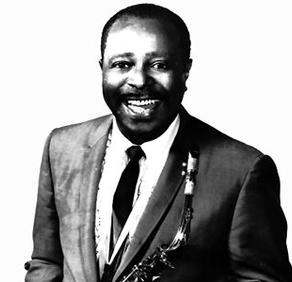
 Little Rock Culture Vulture