Little Rock Look Back: George Wimberly, LR 59th & 61st Mayor

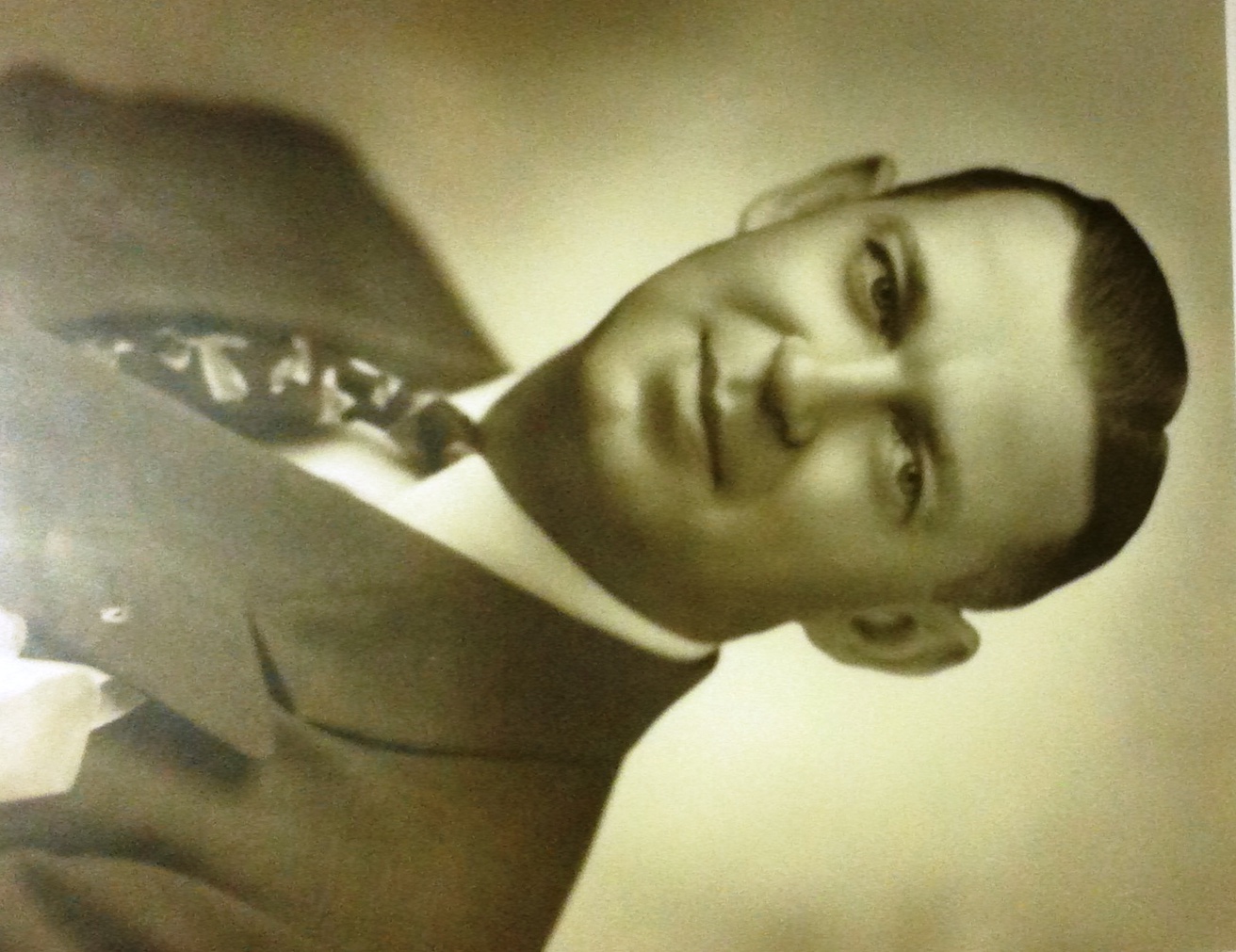
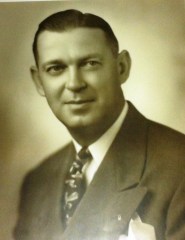
https://www.meaningfulfunerals.net/fh_live/10300/10306/images/obituaries/1388392.jpgOn February 3, 1920, future Little Rock Mayor George Wimberly was born in Star City. He served his country first in the Civilian Conservation Corps and later aboard a U.S. Naval Department hospital ship in the Pacific during World War II.

Wimberly was first elected to the Little Rock City Board in November 1968.  He was re-elected in November 1972 and served until December 1976.  In January 1971, he was selected to serve as Little Rock Mayor through December 1972.  In a rare move, he was again selected to serve as Mayor from January 1975 through December 1976.  During the era of the City Board selecting one of their own members to serve as Mayor, George Wimberly was the only one selected to two non-sequential terms.

In 1978, he was elected to the State House of Representatives and served until December 1988.  While in the House he led the effort for smoking to be banned in the House chambers (a move that predated many public smoking bans of the 1990s and onward).

For over fifty years he was an employee and later owner of Buice Drugstore located on Markham in the Stifft Station neighborhood. In 1986 he received the Arkansas Pharmacist of the Year Award and the Lifetime Achievement Award in 2009.

Mayor Wimberly died on February 5, 2012, two days after his 92nd birthday.  He was survived by his wife, two sons, a grandson and several other relatives.

12 Days of Christmas Movies: THE SHOP AROUND THE CORNER

The_Shop_Around_the_Corner_-_1940-_PosterThe final movie in this list is Ernst Lubitsch’s 1940 film The Shop Around the Corner.  Based on a 1937 Hungarian play, it tells the tale of warring co-workers who are actually conducting an anonymous love affair through lonelyhearts letters.  (If this sounds familiar, Nora Ephron’s You’ve Got Mail is based on this movie.)

Jimmy Stewart and Margaret Sullavan play the dueling lovers with Frank Morgan as their boss.  Others in the cast include Joseph Schildkraut as a cad, Inez Courtney as a bad girl with a heart of gold, Sara Haden, Felix Bressart, and William Tracy as other workers.  There are mixups and confusions in the quiet, leisurely paced romantic comedy.  Stewart plays a character who is not completely noble – he has fun teasing Sullavan when he realizes who she is, but knows she hasn’t a clue he is the correspondent.  Sullavan is a delight too.  The rest of the cast giddily inhabit their roles.

The movie ends with the characters all getting what they deserved.  However there is a layer of poignancy. Given its setting of (an unnamed) Budapest in the late 1930s, the audience knows what they don’t – the Nazis will soon be marching through and destroying happiness.  At the time the film was released, the US was not yet in World War II, and the outcome was far from certain.

The movie ends on Christmas Eve.  It is during a gift exchange that the (probably temporary) happy endings unfold for the characters.

This film and the European play also inspired the MGM musical In the Good Old Summertime (set in a music store) and the Broadway musical She Loves Me.  Of all the remakes, only She Loves Me keeps the setting in Budapest in the late 1930s, and thus the added layer of poignancy.

12 Days of Christmas Movies: CHRISTMAS IN CONNECTICUT

Before there was Martha Stewart, there was Gladys Taber of Family Circle magazine. A lifestyle columnist, Ms Taber lived on a farm in Connecticut.

In 1945, Warner Bros. released a comedy which wondered what would happen if a food writer for a magazine really couldn’t cook. Barbara Stanwyck played the domestically-challenged writer who must fake her way through a Christmastime while playing hostess to a WWII veteran as part of a publicity stunt.

Dennis Morgan plays the veteran and Sydney Greenstreet portrays Stanwyck’s editor. Neither visitor has any idea she is a single NYC woman who cannot cook, not the Connecticut housewife and mother her column depicts. As she tried to fake her way through the holidays, much merriment ensues, as does romance.

This light, smart comedy was released in summer 1945 just as the war was ending in Europe and winding down in Japan. It was a combination screwball comedy, wartime distraction, and romance. Stanwyck and Greenstreet were better known for dramas. Morgan had started in a series of war-set movies thoughout WWII. This comedy also gave the actors a chance to be a bit more carefree and represented the optimism Americans were feeling as the war was finally ending.

IMG_5080.JPG

Little Rock Look Back: Haco Boyd, LR’s 58th Mayor

BoydOn July 6, 1902, future Little Rock Mayor Haco O. Boyd was born in Leslie, Arkansas.  At the age of four, his family moved to Little Rock; he graduated from the Little Rock public schools.  He attended and graduated from Hendrix College.

In World War II, he was in the Army Air Corps.  He was a very decorated soldier earning two Purple Hearts, a Legion of Merit, and a Bronze star among other designations from the United States.  He also received high military honors from numerous European governments.  Boyd would remain in the Air National Guard and retired with the rank of Colonel in 1964.

As a businessman, he was a founder of Rebsamen Ford and then state manager of Benjamin Moore for Arkansas.  In 1952, he joined Union Life Insurance.  Throughout his career, he received most any recognition and honor and designation that the field of life insurance offered.

In November 1968, he won a three-candidate race for the Little Rock City Board of Directors. One of the candidates he defeated was former (and future) Director and Mayor Byron Morse.  In January 1969, he was selected to serve as Mayor of Little Rock.

Later in 1969, Mayor Boyd and 70 others were on an Eastern Airlines plane headed for a life insurance convention in  Nassau, departing from Miami.  A passenger hijacked it and the plane was diverted to Cuba.   The next morning the passengers were returned to Miami and then sent to Nassau without incident. Once the media found out that one of the passengers was the Mayor of Little Rock, he was interviewed by numerous newspapers.

In other civic involvement, Boyd served on the Little Rock Airport Commission, including a term as chair.  He was also honored for his involvement with the Boy Scouts of America and Easter Seals.

In September 1923, Boyd married Mary Josephine “Polly” Goodrum.  They were married until her death in February 1977.  Haco Boyd died on March 27, 1988.  The couple are buried at Roselawn Cemetery.  They had two children and four grandchildren.

Little Rock Look Back: Dan Sprick, LR’s 50th Mayor

SprickFuture Little Rock Mayor Dan T. Sprick was born on May 19, 1902.  He served three terms on the Little Rock City Council (from 1935 to 1941).  In 1945, he was elected Mayor of Little Rock and served one term. During his tenure on the City Council, he was the sole vote against locating Robinson Auditorium at Markham and Broadway.  He had favored another location.

He was not alone, however, in being held in contempt of court and spending part of the day in jail.  On Monday, December 4, a dozen of Little Rock’s aldermen (which included Sprick) reported to the county jail to serve sentences for contempt of court. The previous Monday, the twelve council members had voted against an ordinance which had been ordered by the judge in an improvement district matter. The other aldermen had either voted in the affirmative or had been absent. Because the twelve had refused to change their votes since that meeting, the judge ordered them jailed.

Mrs. C. C. Conner, the only female, was not jailed but was fined $50. The eleven men were held at the jail, though not in cells. In order to get out of jail, the judge gave the aldermen the chance to change their votes. The mayor asked the judge to let them leave the jail to attend the meeting at City Hall, which was nearby. He requested that the city be allowed to maintain “what little dignity remained” by not having the meeting at the jail. The judge relented, and the aldermen were escorted by deputies to the council chambers. After the aldermen changed their votes, the judge suspended the remainder of their sentences.

His tenure as Mayor was relatively quiet. He took office the same month that World War II ended. While in office, the Sprick administration was marked by growth in the city budget and in city positions. As a part of that growth, there were many more new purchases taking place which had prompted extra scrutiny of the City’s purchasing procedures. A thorough investigation toward the end of his tenure found no malfeasance or misfeasance, it did note that the city needed to do a better job of anticipating cash flow. Much of the City’s focus during the Sprick tenure was on growth and keeping up infrastructure needs.

Sprick later served for ten years in the Arkansas State Senate (from 1961 to 1970).  During his tenure in the Senate, Sprick was closely aligned with Gov. Orval Faubus.  When the Little Rock high schools had been closed a year to ensure segregation, Sprick had served on the board of a private school set up by some of the leaders of the segregation movement.

His time in the Senate was also marked by controversy.  He was one of three Senators to opposed Muhammad Ali’s speaking at the University of Arkansas at Fayetteville.  After an Arkansas Gazette editorial lambasted him, Sprick sued the paper for libel. The Gazette settled with him out of court because his health was poor.

Sprick died in January 1972.

Little Rock Look Back: Mayor George Wimberly

https://www.meaningfulfunerals.net/fh_live/10300/10306/images/obituaries/1388392.jpgOn February 3, 1920, future Little Rock Mayor George Wimberly was born in Star City. He served his country first in the Civilian Conservation Corps and later aboard a U.S. Naval Department hospital ship in the Pacific during World War II.

Wimberly was first elected to the Little Rock City Board in November 1968.  He was re-elected in November 1972 and served until December 1976.  In January 1971, he was selected to serve as Little Rock Mayor through December 1972.  In a rare move, he was again selected to serve as Mayor from January 1975 through December 1976.  During the era of the City Board selecting one of their own members to serve as Mayor, George Wimberly was the only one selected to two non-sequential terms.

In 1978, he was elected to the State House of Representatives and served until December 1988.  While in the House he led the effort for smoking to be banned in the House chambers (a move that predated many public smoking bans of the 1990s and onward).

For over fifty years he was an employee and later owner of Buice Drugstore located on Markham in the Stifft Station neighborhood. In 1986 he received the Arkansas Pharmacist of the Year Award and the Lifetime Achievement Award in 2009.

Mayor Wimberly died on February 5, 2012, two days after his 92nd birthday.  He was survived by his wife, two sons, a grandson and several other relatives.

Purple Moon Dance Project performs in gallery of Arkansas Arts Center

purple-moonThe Arkansas Arts Center presents a one-of-a-kind experience today at 2pm in the Townsend Wolfe Gallery which is currently displaying the exhibit Wendy Maruyama: Executive Order 9066.

In a special collaboration, emerging within the gallery installation, Purple Moon Dance Project and Artistic Director Jill Togawa will present When Dreams Are Interrupted, a riveting site-specific performance that uncovers the profound imprint left on a neighborhood by the forced removal and mass evacuation of Japanese American communities in 1942.

Dancers Jill Togawa, Ruth Ichinaga and Sharon Sato will explore and infuse with the “Tag Project” to draw out the stories and memories amassed by artist Wendy Maruyama and to highlight local history and stories.

This production captures the painful experiences of hundreds of thousands of Americans of Japanese ancestry forced into concentration camps during World War II through a poignant and stunning combination of original choreography, music, visual art and poetry. It is through artistic and historically authentic expressions such as these that we remember, pay tribute to and honor those who suffered this unspeakable injustice, in hopes that we may prevent such a dark episode in America’s history from ever happening again.