Midori, ASYO and CALS collaborate this weekend

asoyoWorld-famous violinist Midori will accompany the Arkansas Youth Symphony String Quartet for two separate events at the Central Arkansas Library System (CALS). The events will be on Friday, April 12, 3:45 p.m. at the Children’s Library and Learning Center, 4800 W. 10th Street, and Saturday, April 13, 3:30 p.m. at the Terry Library, 2015 Napa Valley Drive.

The Arkansas Symphony Youth Orchestra (ASYO) was chosen as one of two recipients for Midori’s Orchestra Residency Programs for the 2012-2013 season.  The programs are designed to support and encourage youth orchestras in the United States. Through the week-long residency, Midori collaborates in a wide range of activities with both the youth orchestras and their partner professional organizations.

calsIn the 2012-2013 season, violinist Midori will celebrate the 30th anniversary of her performing career.

She made her debut at age 11 as a surprise guest soloist with the New York Philharmonic under Zubin Mehta in 1982. Today, Midori is recognized as an extraordinary performer, a devoted and gifted educator, and an innovative community engagement activist.

The ASYO began as a dream of the Arkansas Symphony Orchestra’s founders in the 1960s and today continues to attract Arkansas’s leading student-musicians. Ranging in age from 9-18 years and traveling from over thirty-seven communities throughout the state, the ASYO has grown to over 200 members. The Arkansas Youth Symphony String Quartet formed eight years ago in 2005.

April 10 Architeaser

IMG_4803

The pyramid capped bricks are found on the building now known as the River Market Ottenheimer Hall.  This detail can be found on the eastern end of the building above the first floor.  The building was designed by Illinois native Charles Thompson and Canadian Fred Rickon who formed a partnership in Little Rock in 1891.  The pair were in a partnership until 1897; the firm continues today as the Cromwell firm.

The repurposed building opened in 1996 as the River Market’s anchor along President Clinton Avenue between Rock Street and River Market Avenue.

AAC Hosts Exhibition of ceramics by Ron Meyers

ron_cover

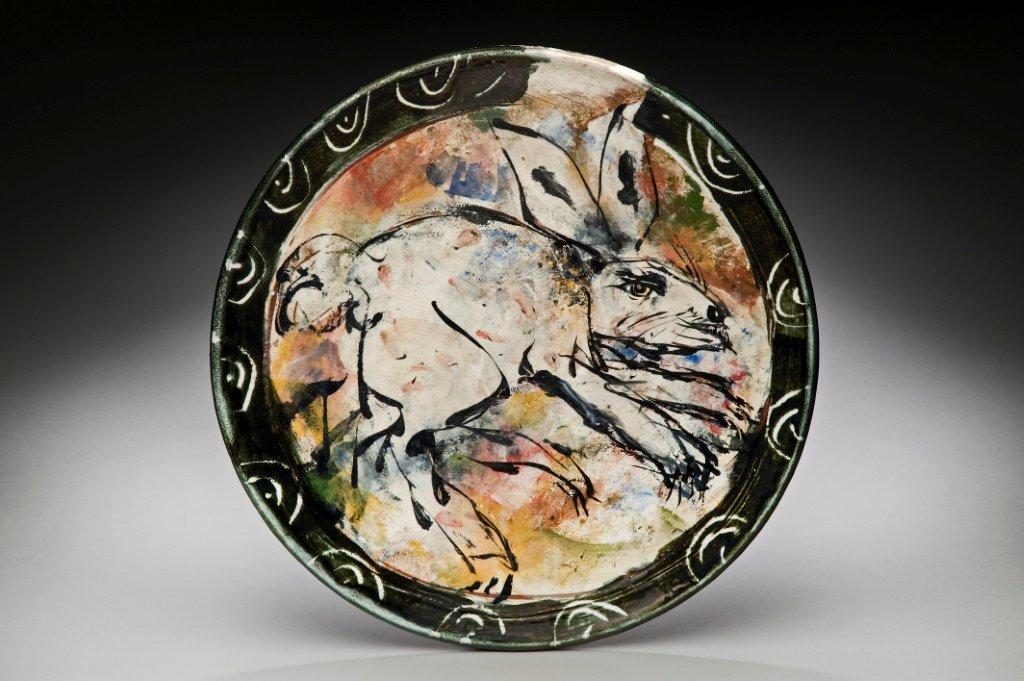
“Platter with a Rabbit” – Ron Meyers

Rats, fish, goats, rabbits, frogs, chickens and more—these are the animals that adorn the wildly colorful and functional ceramics of Ron Meyers.With a career spanning nearly fifty years, Ron Meyers is one of the most prolific American ceramics artists working today; and through his spontaneous and expressionistic designs has influenced generations of studio potters.

Ron Meyers: A Potter’s Menagerie is the first comprehensive exhibition of the artist’s work and features more than one hundred ceramics in a variety of forms—plates, platters, bowls, covered jars, yunomi (tea bowls)—as well as a selection of his rarely exhibited drawings.

Born and raised in Buffalo, New York, Meyers received his Bachelor of Science (1956) and Master of Science (1961) degrees in art education from Buffalo State University (SUNY-Buffalo) and his Master of Fine Arts (1967) degree in ceramics from the School for American Crafts, Rochester Institute of Technology. Upon graduating, Meyers served as the first instructor in ceramics at the University of South Carolina, Columbia (1967-1972) before moving to the University of Georgia, Athens, where he taught ceramics from 1972 until his retirement in 1993.

A full-color catalogue, published by the Arkansas Arts Center, will accompany the exhibition.

Sponsored by:
Windgate Charitable Foundation
The Hon. Robert L. and Charlotte B. Brown
Brenda Mize

QQA Preservation Conversations Tonight: Architectural Interiors

QQAThe Quapaw Quarter Association’s monthly award-winning Preservation Conversation series continues tonight.

This month  Brent Hull, Owner and President of Hull Historical. Known for award-winning design of exceptional architectural interiors, Hull Historical provides expertise in residential and historic preservation. Trained in the art of museum quality preservation at the prestigious North Bennet Street School in Boston, Brent is the exclusive licensee for the architectural interiors of the Winterthur Museum and Country Estate in Wilmington, Delaware, the original home of H.F. du Pont. Hull is a board member of the Texas Chapter of the ICAA, and recipient of the 2012 NBSS Distinguished Alumni Award.

The program takes place this evening at Curran Hall, 615 East Capitol Avenue. From 5 to 5:30 a reception will take place. The program will run from 5:30 to 6:30.

The Quapaw Quarter Association’s mission is to promote the preservation of Little Rock’s architectural heritage through advocacy, marketing and education. Incorporated in 1968, the QQA grew out of an effort to identify and protect significant historic structures in Little Rock during the urban renewal projects of the early 1960s. Throughout its existence, the QQA has been a driving force behind historic preservation in Greater Little Rock.

 j

April 9 Architeaser

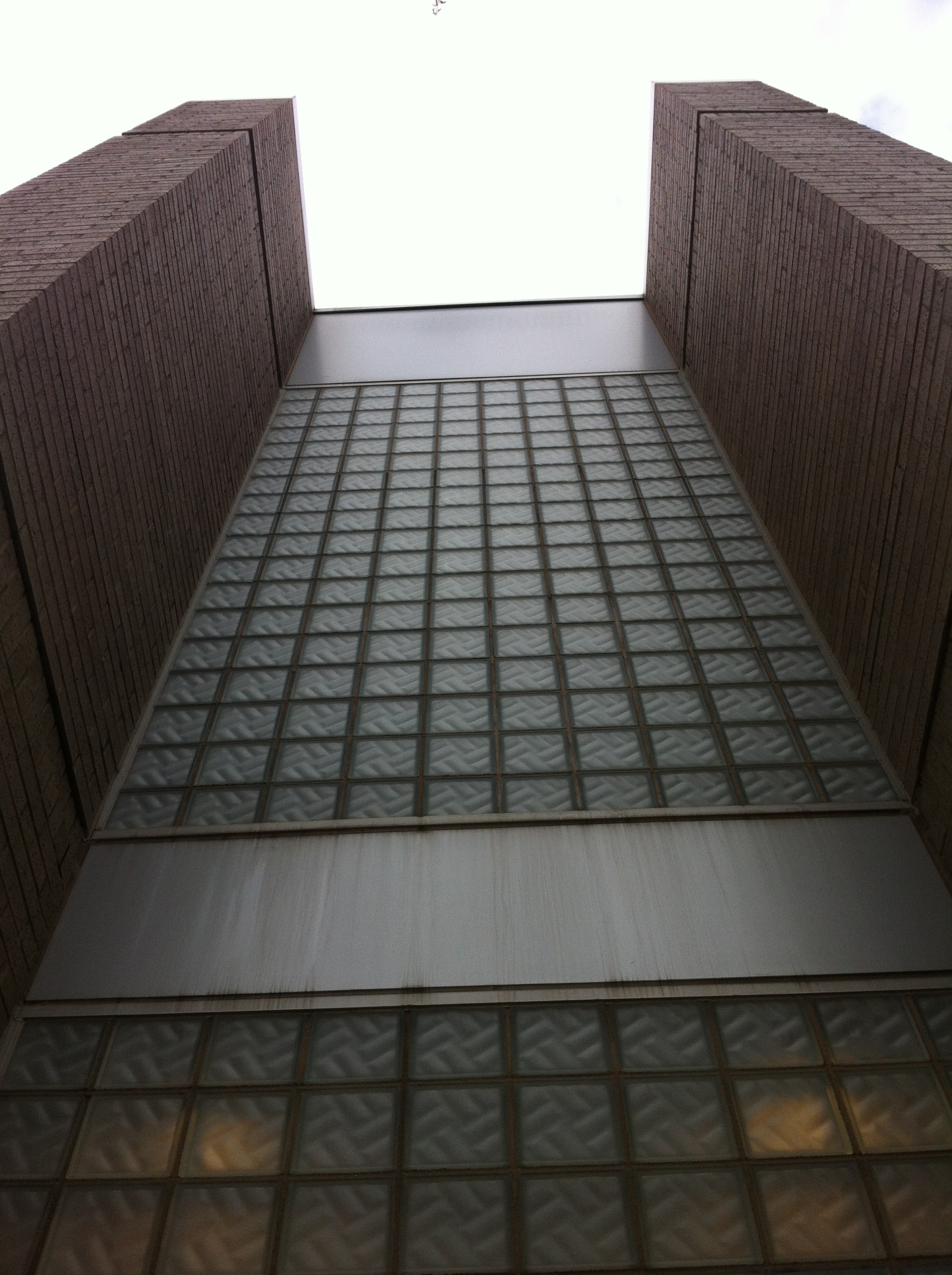
IMG_4812On the anniversary of La Harpe seeing the “Little Rock” for the first time, today’s Architeaser celebrates a building which is located near the Little Rock and looks to the past and the future.

The Little Rock Regional Chamber of Commerce headquarters, located on Markham between Scott Street and the 4 Corners intersection (Markham, LaHarpe, Cumberland, President Clinton).  Designed by the firm Polk Stanley and Yeary (now Polk Stanley Wilcox), the building won awards in 2001 and 2002 from chapters of the American Institute of Architects.

The design evokes both mid-century designs with the buff brick and glass blocks, but also incorporates many contemporary facets of architectural design both inside and outside.

Little Rock Look Back: La Harpe Sees a Rock

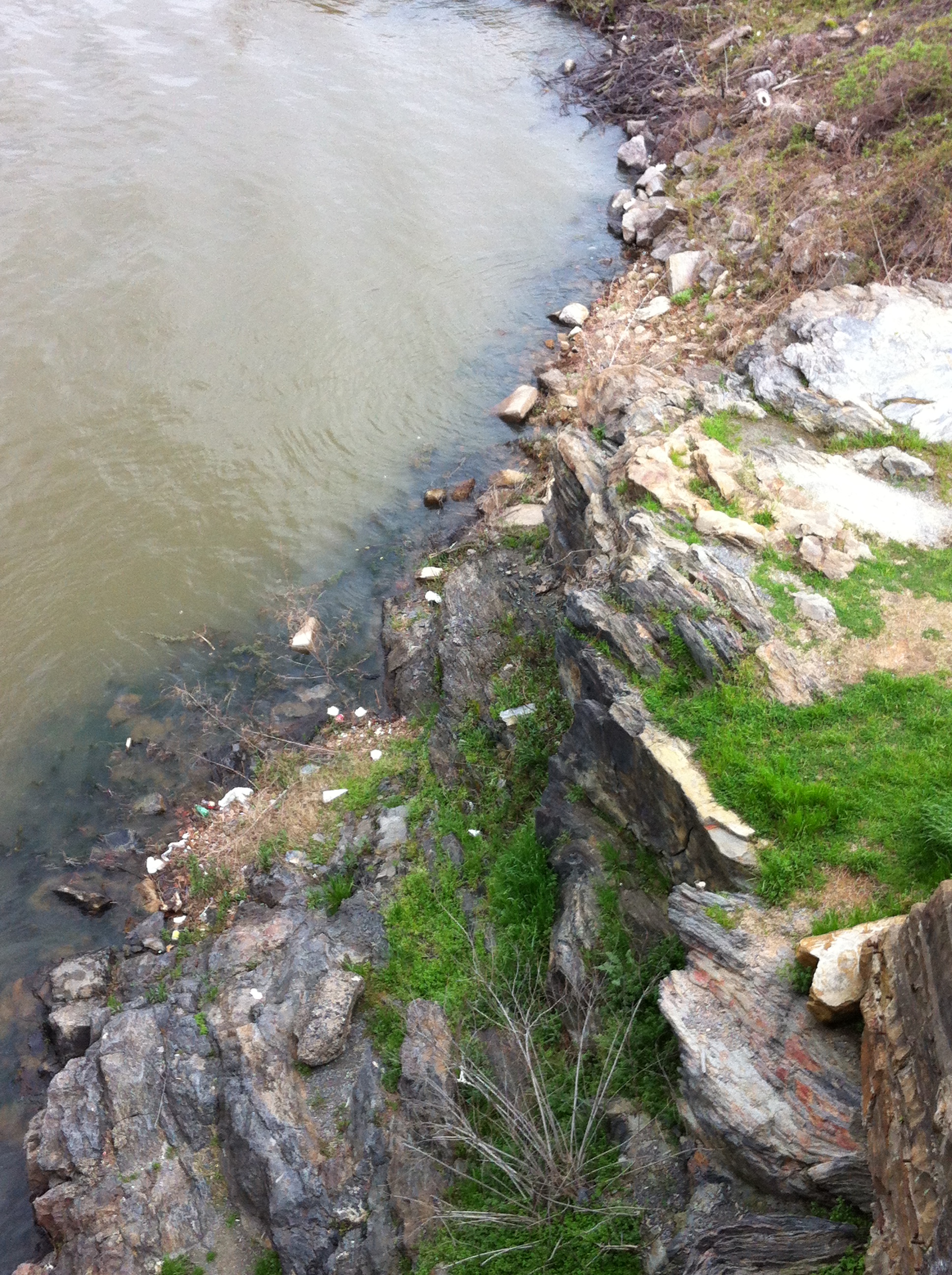
IMG_4805On April 9, 1722, French explorer Jean-Baptiste Bénard de La Harpe rounded the bend of the Arkansas River and saw La Petite Roche and Le Rocher Français.  He had entered the mouth of the Arkansas River on February 27 after traveling up the Mississippi River from New Orleans.

Though La Harpe and his expedition are the first Europeans documented to have seen La Petite Roche, the outcropping of rocks was well-known to the Quapaw Indians in the area.  The outcropping jutted out in the Arkansas River and created a natural harbor which provided a perfect place for boats to land.

The rock outcropping is the first one visible along the banks of the Arkansas River.  It marks the place where the Mississippi Delta meets the Ouachita Mountains.  Geologists now believe that the Little Rock is not the same type of rock as the Ouachita Mountains and more closely matches the composition and age of mountains in the western US.

In 1813, William Lewis became the first European settler to live near La Petite Roche but only stayed a few months.  Speculators and trappers continued to visit the area throughout the 1810s. During that time, the outcropping became known informally as the Little Rock.

La Petite Roche had become a well-known crossing when the Arkansas Territory was established in 1819. The permanent settlement of ‘The Rock’ began in the spring of 1820, and the first building has been described as a cabin, or shanty, and was built on the bank of the river near the ‘Rock.’ In March 1820, a Post Office was established at the ‘Rock’ with the name “Little Rock.”

Over the years, La Petite Roche was altered.  In 1872, Congress authorized the building of a railroad bridge. A pier for the bridge was built at the location of the La Petite Roche which caused the removal of several tons of rock.  The bridge was never built.  When the Junction Bridge was built in 1899, even more rock was removed in the process of erecting part of the bridge on top of the rock.  It was not viewed as being disrespectful of the City’s namesake at the time.  Indeed, it was viewed as a testament to the sturdiness of the rock.

In 2010, La Petite Roche plaza opened in Riverfront Park.  It celebrates the history of La Petite Roche and explores its importance to various aspects of Little Rock’s history and geography.

April 8 Architeaser

MannonMainThis is one of the architectural flourishes on this building at 317 Main Street.  Designed by architect George R. Mann, the building was built in 1906 as the flagship of the Gus Blass Department Store.  It operated in that capacity until 1972.  It later served as a bank facility until the late 1990s.  Now it is the anchor of a redevelopment on Main Street.  It is now known as Mann on Main, in tribute to the architect who designed not only this building but many others downtown.

This building is one of Little Rock’s most architecturally significant buildings and is listed on the National Register of Historic Places.