 In late July Artspace launched a Preliminary Feasibility Study (PFS) in the Little Rock area (The Rocks) to investigate the potential for an Artspace project to be developed in The Rocks. The question prompting the study was how to address the creative space needs of local artists/creatives/makers and arts organizations/creative businesses.
The study, made possible by support from the Windgate Foundation, is the first of its kind in Central Arkansas to explore the viability and future sustainability of newly created affordable spaces for the area’s creative sector. The region’s deep artistic and creative community is seen as a driving economic force that local stakeholders would like to see better supported through a thoughtful strategy and lasting infrastructure. The Windgate Foundation hopes this study will help make the case for future investment in arts related workforce housing, and nonresidential work and community spaces.
The Artspace team looked at six essential criteria during its PFS study-related two-day visit to The Rocks region:
– The potential to align a future project with community goals
– Local public/private leadership interest and capacity to advance a project
– Potential sites and neighborhoods for the new space
– Funding and financing opportunities for a self-sustaining facility
– The arts market need for housing and work spaces
– What type of project concept would best serve The Rocks region
Key finding from the PFS include:
• A mixed-use, Artspace developed artist live/work project should be explored as a priority with ideally a second non-residential creative space project also considered
• New space could find a home in any number of neighborhoods in Little Rock or North Little Rock
• New space needs to make a significant contribution to the economic revitalization of its neighborhood without displacing existing organizations or families
• A project should bridge geographic and cultural communities
A recommended next step of the Preliminary Feasibility Study, the Arts Market Study, is already underway with a survey for artists/creatives/makers that launched on September 24th and closes on November 5th at http://www.ArtspaceRocks.org. If the study identifies a strong market need for an Artspace project and the community decides to proceed, survey results will inform both the project concept and site selection.
Results will also impact specific design and programmatic decisions, such as the number and types of affordable artist housing and working spaces, types of shared creative spaces, special features and amenities. Artists who take the survey will have the option of being among the first to be informed of project developments, including leasing opportunities. The complete study will be the first of its kind in the region to explore how physical infrastructure, might help strengthen the already present, catalytic creative, energy that has seen significant growth.
“Windgate is proud to support this work that we hope is the beginning of the path to create long-term affordable space for artists and their families in Central Arkansas. We are proud to be a part of the process and to learn from the local community about what is needed and wanted in terms of artist space — an important part of the infrastructure for the arts in our region,” said Pat Forgy, Executive Director of the Windgate Foundation.
Both the Arts Market Study and Preliminary Feasibility Study activities were proceeded by a robust community engagement process. Artspace worked with a group of local, volunteer leaders, The ArtspaceRocks Core Group, to invite cross-sector leaders to offer input to Artspace and to share information about the region, civic and private sector goals and the needs of and support for artists and artist space.
“During Artspace’s PFS visit, we experienced a warm reception and heard from leaders across disciplines that the arts are generally deep and diverse but undervalued and a bit isolated. Many creative people spoke of their desire to have more places and spaces to convene, work on projects together with affordable rents to live and work that allow them to grow their arts businesses and careers,” commented Wendy Holmes, Senior VP for Consulting and Strategic Partnerships with Artspace.
Holmes went on to say, “Thanks to personal invitations from the ArtspaceRocks Core Group, Artspace heard from civic leaders in the finance sector, arts sector, civic and transportation sectors and many others. It’s always gratifying when bankers and local elected officials come together to talk about how the arts are an important part of the economy and what makes “The Rocks” a special place to live, work and play. Artspace
hopes to turn that enthusiasm into a path to a future physical space project with permanently affordable spaces for local creatives.”
Local artists, creatives and people who make things, as well as those who welcome the development of new arts spaces in their community, are strongly encouraged to take the online survey at www.ArtspaceRocks.org.
There are two weeks remaining for the creative sector to have their voice heard. The survey closes November 5th. A strong response will offer stakeholders the information they need to grow support for and advance a project to the next phase. #ArtspaceROCKS
The full Preliminary Feasibility Study Report of findings can be downloaded at www.ArtspaceRocks.org.


 When thinking of Cultural Heritage in Little Rock, the Quapaw Quarter Association, or QQA, immediately comes to mind.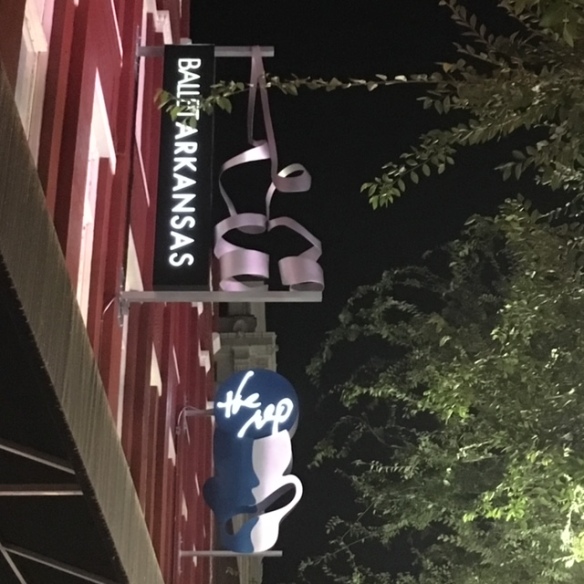
 The Architecture and Design Network (ADN) continues its 2019/2020 June Freeman lecture series with a lecture entitled “A Place Called H___: Community Dialogues on Aging and Homelessness” a panel presentation moderated with Jill Floyd.
 Earlier in 2019, the Windgate Foundation invited Artspace, a national nonprofit leader in the field of affordable creative space development, to explore the feasibility of creating an affordable live/work community in the Little Rock metro region, a region they are calling “The Rocks.”
 Little Rock Culture Vulture