
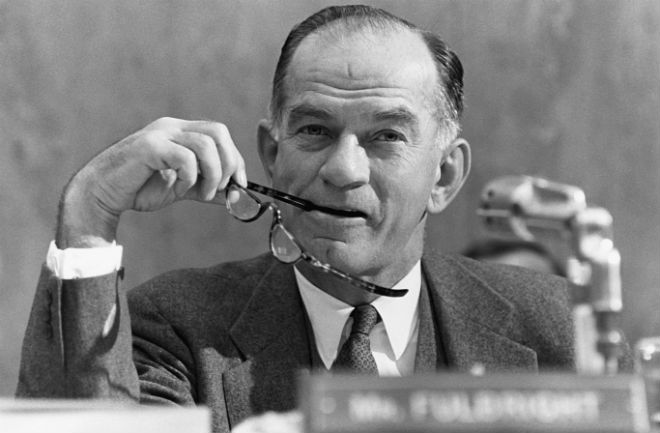
J. William Fulbright’s domestic, international politics is focus of Old State House Brown Bag Lunch Lecture today

Today at noon at the Old State House Museum, the next installment of their regular “Brown Bag Lunch Lecture” will take place.  

This edition features Micah Roberts discussing “Fulbright’s Balancing Act: How Domestic and International Politics Converged in 1959.”

Senator J. William Fulbright’s 1959 “Face the Nation” interview is used to assess how the Arkansas senator prioritized the Civil Rights agenda in Arkansas with his ambitions as a Cold War statesman. Response letters from Arkansans following the interview and also used to assess the importance of domestic vs. international politics for Arkansans.

Micah Roberts is a graduate student at the University of Arkansas where he studies United States foreign relations and politics during the Cold War, with special attention devoted to the Eisenhower-Khrushchev relationship and their use of personal and public diplomacy.

The Old State House is an agency of the Department of Arkansas Heritage.
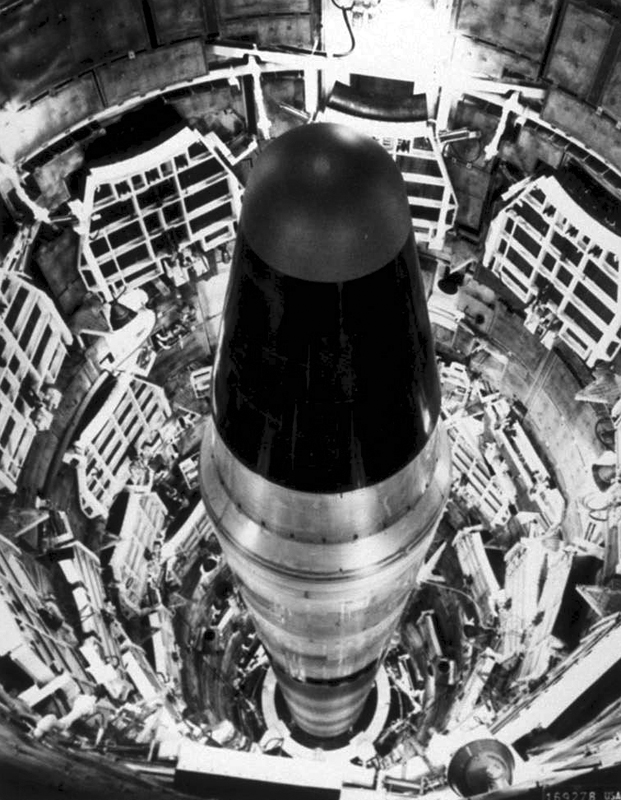
 

“Arkansas and the Cold War: Titan II Missiles in Cow Pastures” explored at Old State House Museum today at noon

MK6_TITAN_IIDue largely to the political largess of Wilbur D. Mills, Arkansas was home to numerous Titan II missile silos throughout the Cold War era.

Today at noon at the Old State House Museum, John Rowley explores this little-known or largely-forgotten part of Arkansas history. “Arkansas and the Cold War: Titan II Missiles in Cow Pastures,” was the basis for his master’s thesis at Arkansas Tech.

During the Cold War era, the sparsely populated, agrarian state of Arkansas seemed far removed from the realm of nuclear proliferation. Washington D.C., Moscow, New York and Havana easily come to mind when considering nuclear threat or strategic defense. Damascus, Judsonia, Antioch, Blackwell, and Searcy seemed insignificant in comparison. However, Arkansas’s role in the Cold War was more significant than one might think, playing an integral role in national defense and the United States’s policies of communist containment.

Arkansas’s Cold War involvement became apparent when eighteen Titan II missiles were commissioned and activated within the state in the early 1960’s. The arrival of these weapons coupled with mismanagement by federal agencies changed both the physical landscape and the political atmosphere of the state.