Little Rock Look Back: John Widgery, LR’s 8th Mayor

LR sealOn June 17, 1802, future Little Rock Mayor John Widgery was born in Portland ME to Mr. and Mrs. William Widgery.  His father died in 1804.  At the age of 11, John Widgery entered Bowdoin College.  He was the youngest student admitted to the college.

Widgery studied law with his uncle, Nathan Kinsman.  He married Ann L. Woodward, who was from Boston MA.  According to Bowdoin College records, he later “wandered away into the Southwest” spending time “in the Cherokee country.”

Widgery spent most of his adult life in the south. For a time Widgery was clerk of the Mississippi House of Representatives.  He then moved to Little Rock prior to 1840.  By 1840, he was Recorder for the City of Little Rock.

According to media reports at the time, several tradesman groups encouraged Widgery to run for Mayor in January 1841.  He did run but lost to Rev. Samuel H. Webb.  The next year, Widgery ran again and this time was elected Mayor.  He took office in January 1842.  On May 24, 1842 he resigned from office.  He later served as Secretary of the Arkansas Senate (where he made $8 a day when the Senate was in session).

Widgery eventually settled in St. Louis.  He later returned up north.  He died on August 2, 1873 in Portland ME and is buried there.  He and his wife did not have any children.

No known painting or photograph of Mayor Widgery exists.
ROCKing the TONY AWARDS – Steve Lawrence

Rock the Tonyssl21Steve Lawrence

Little Rock connection: Has appeared in concert in Little Rock over the years.

Tony Awards connection: Served as a host of the 1964 ceremony. Nominated for Actor in a Musical in 1964 for What Makes Sammy Run? 

Little Rock Look Back: Sam Wassell, LR’s 51st Mayor

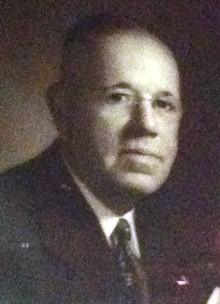
IMG_5025On this date in 1883, future Little Rock Mayor Sam M. Wassell was born.  His grandfather John W. Wassell had been appointed Mayor of Little Rock in 1868.  He is the only Little Rock Mayor to be a grandson of another Little Rock Mayor.

Sam Wassell served on the Little Rock City Council from 1928 through 1934 and again from 1940 through 1946.  He is one of the few 20th Century Little Rock Mayors who previously served on the City Council.

Wassell was an attorney.  He practiced law privately and also served as an Assistant US Attorney.  In 1930, he ran unsuccessfully for the Democratic nomination for the US Congress representing the 5th Congressional District, which at the time included Little Rock.

Wassell ran for Mayor in 1947 and was unopposed in the general election.  He was unopposed in his bid for re-election in 1949.  During his second term, President Harry S. Truman visited Little Rock.  In 1951, he sought a third term as Mayor.  No Little Rock Mayor had sought a third consecutive term since 1923.  Though he received the Democratic nomination, the Republican party nominated Pratt Remmel who defeated Wassell by a 2 to 1 margin.

With a new USS Little Rock under construction, it is interesting to note that Mrs. Sam Wassell christened the previous USS Little Rock in 1944.  At the time, she was a City Councilor’s wife.

Mayor Wassell died on December 23, 1954 and is buried at Roselawn Cemetery in Little Rock.

Dine with the Dead at the RIP Mount Holly Picnic This Evening

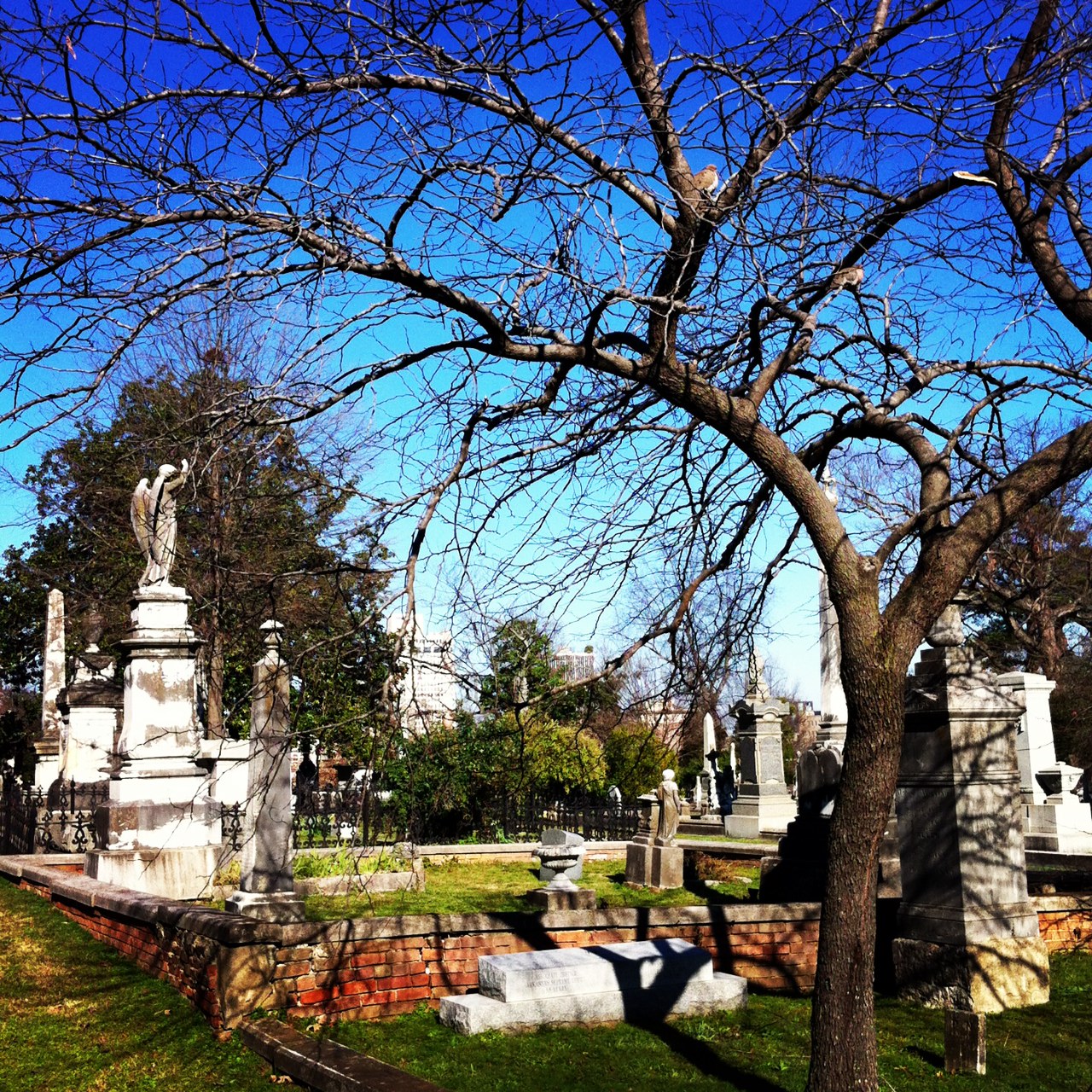
MtHollyMount Holly Cemetery is like an aging, but gracious Southern lady. She is in need of ongoing maintenance! Funds raised at the picnic will help maintain this historic landmark. Visitors will walk in Little Rock’s historical footsteps at the 9th Annual Mount Holly Cemetery Picnic. The Mt. Holly Committee calls this event Rest in Perpetuity. The Culture Vulture lovingly refers to it as Dining with the Dead.

Festivities will include:

  • Appetizers
  • Dinner
  • Wine
  • Turn of the century picnic “delicacies”
  • Live music by the Quapaw Brass Quintet
  • Silent auction of tours, elegant dinner parties and opportunities for exclusive events at Mount Holly Cemetery and many other items.

Guests will have the opportunity to join in a historic tour of the cemetery, featuring famous and infamous residents of Mount Holly Cemetery or guests can enjoy a naturalist tour!

This is the annual fundraiser to raise funds to maintain this historic landmark.
Tickets are $75.00 for adults, $25.00 for children under 12.

In case of rain, the event will be moved to Trinity Cathedral.

Dating to 1843, but with grave sites that date much earlier, Mount Holly is a “living and breathing” historical treasure in the heart of Little Rock’s Historic District. Interred within the rock walls of Mount Holly are 11 state governors, 15 state Supreme Court justices, four Confederate generals, seven United States senators and 22 Little Rock mayors, two Pulitzer Prize recipients, as well as doctors, attorneys, prominent families and military heroes. Also included are Eliza Cunningham, the first female resident of Little Rock (who later became the first First Lady of Little Rock) and her son Charles, who was the first baby born in Little Rock. There are veterans from all wars: Revolutionary, War of 1812, Mexican, Civil War, Spanish-American, World War I and II, Korean, Vietnam and Desert Storm.

Little Rock Look Back: A Man and a Rock (LaHarpe sees the Little Rock)

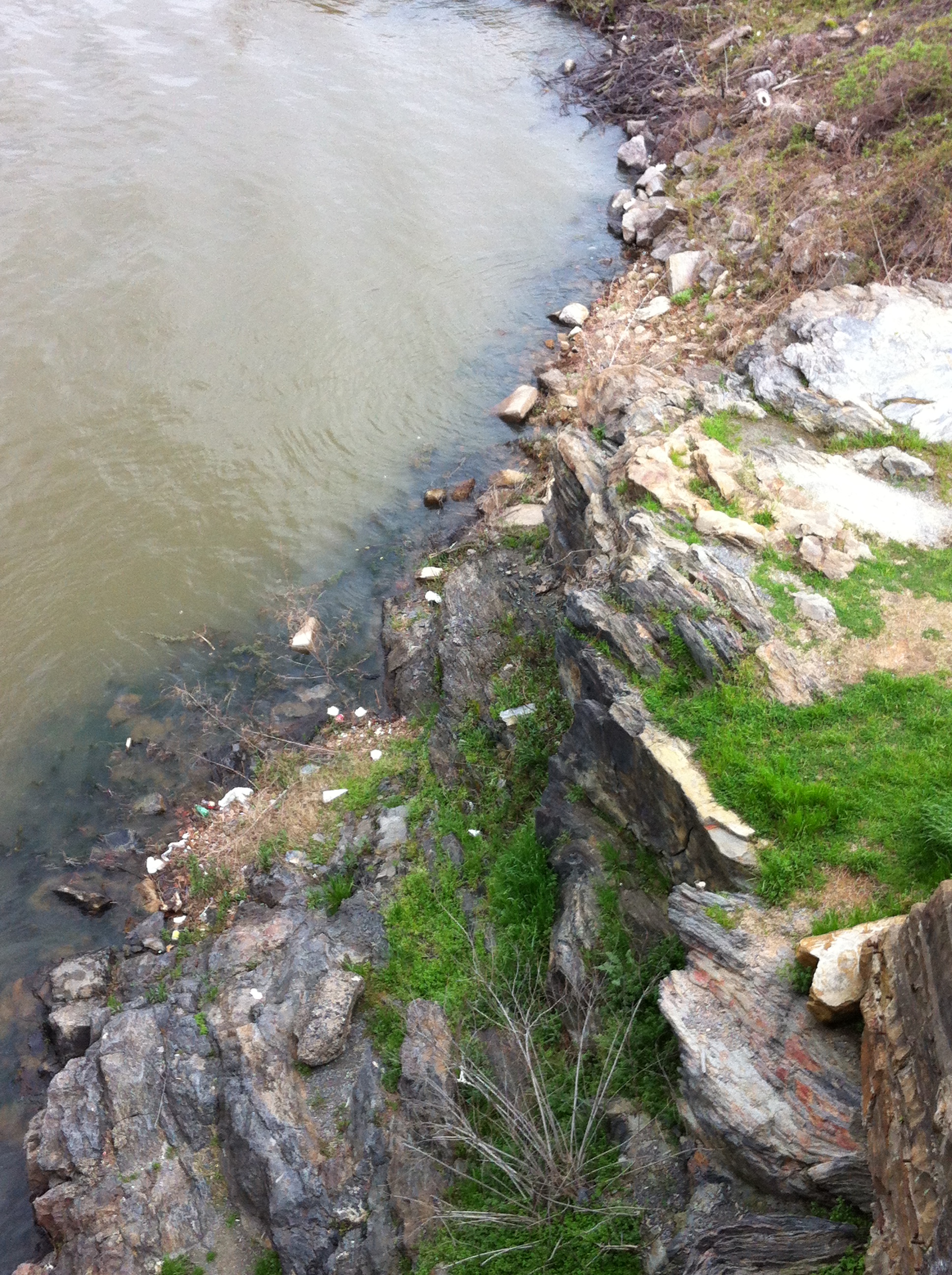
IMG_4805On April 9, 1722, French explorer Jean-Baptiste Bénard de La Harpe rounded the bend of the Arkansas River and saw La Petite Roche and Le Rocher Français.  He had entered the mouth of the Arkansas River on February 27 after traveling up the Mississippi River from New Orleans.

Though La Harpe and his expedition are the first Europeans documented to have seen La Petite Roche, the outcropping of rocks was well-known to the Quapaw Indians in the area.  The outcropping jutted out in the Arkansas River and created a natural harbor which provided a perfect place for boats to land.

The rock outcropping is the first one visible along the banks of the Arkansas River.  It marks the place where the Mississippi Delta meets the Ouachita Mountains.  Geologists now believe that the Little Rock is not the same type of rock as the Ouachita Mountains and more closely matches the composition and age of mountains in the western US.

In 1813, William Lewis became the first European settler to live near La Petite Roche but only stayed a few months.  Speculators and trappers continued to visit the area throughout the 1810s. During that time, the outcropping became known informally as the Little Rock.

La Petite Roche had become a well-known crossing when the Arkansas Territory was established in 1819. The permanent settlement of ‘The Rock’ began in the spring of 1820, and the first building has been described as a cabin, or shanty, and was built on the bank of the river near the ‘Rock.’ In March 1820, a Post Office was established at the ‘Rock’ with the name “Little Rock.”

Over the years, La Petite Roche was altered.  In 1872, Congress authorized the building of a railroad bridge. A pier for the bridge was built at the location of the La Petite Roche which caused the removal of several tons of rock.  The bridge was never built.  When the Junction Bridge was built in 1899, even more rock was removed in the process of erecting part of the bridge on top of the rock.  It was not viewed as being disrespectful of the City’s namesake at the time.  Indeed, it was viewed as a testament to the sturdiness of the rock.

In 2010, La Petite Roche plaza opened in Riverfront Park.  It celebrates the history of La Petite Roche and explores its importance to various aspects of Little Rock’s history and geography.

ROCKing the TONYS: Will Trice

Rock the TonysThis is the start of a 68 day countdown to the 68th Tony Awards (held on 6/8) by exploring Little Rock connections with these Broadway awards.

Will Trice by John Sykes Jr

Will Trice and one of his Tony Awards – photo by John Sykes Jr.

Up first – Will Trice

Little Rock connection – Little Rock native; graduate of Central High School

Tony Awards connection – Tony winning producer of revivals of Porgy and Bess and Who’s Afraid of Virginia Woolf?; Tony nominee for revival of The Best Man.

On Broadway this season as one of producers of the plays All the Way and The Realistic Joneses, the musical The Bridges of Madison County, and the revivals The Glass Menagerie and Lady Day at Emerson’s Bar & Grill.


Little Rock Look Back: Werner Knoop – LR’s 54th Mayor

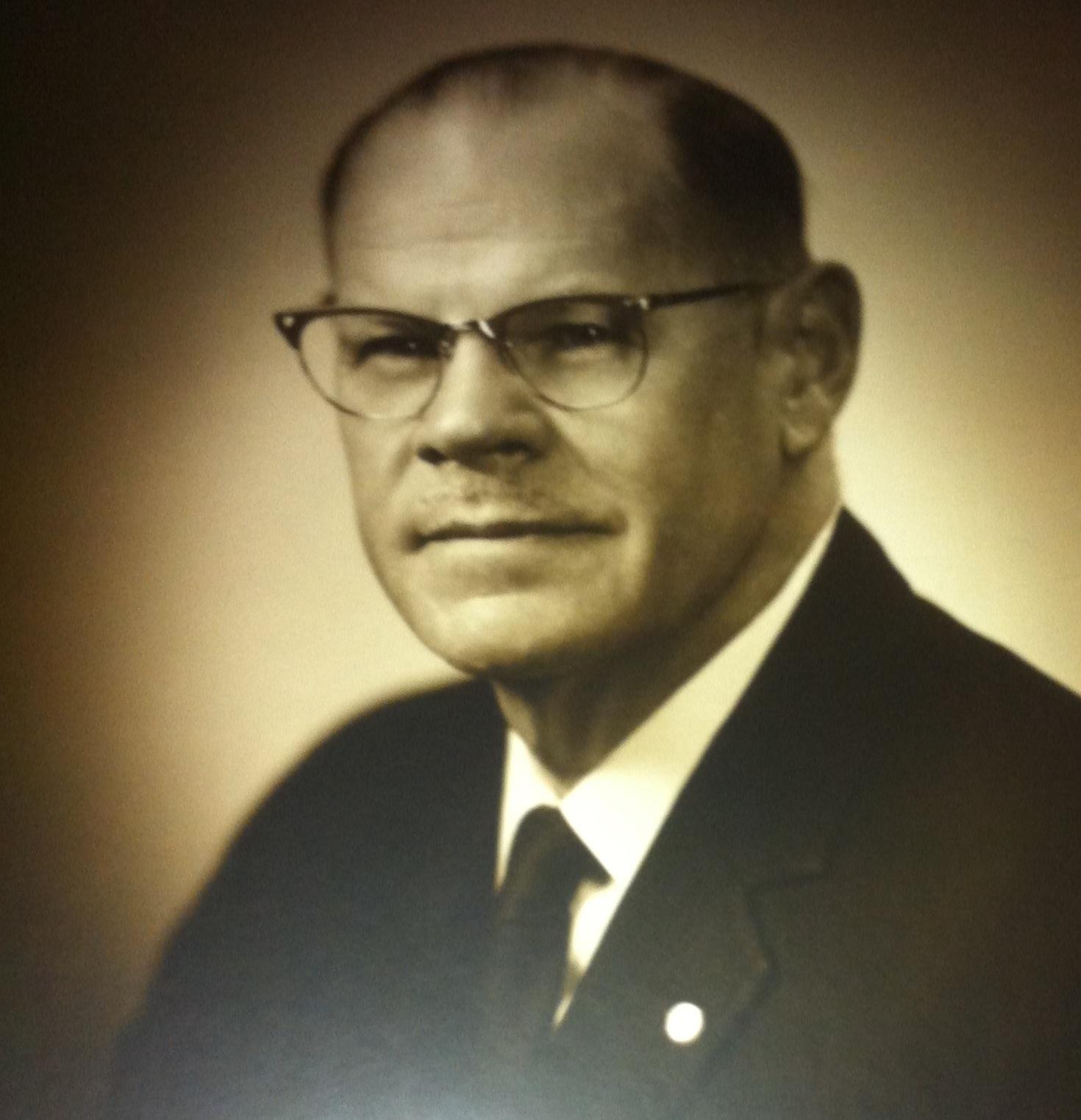
Mayor KnoopTo Little Rock citizens under a certain age, the name Knoop means Knoop Park — a picturesque park tucked away in a pocket of Hillcrest.  There are, however, still many who remember Werner C. Knoop as a business and political leader who helped shape Little Rock as a modern city.

Knoop was born on March 30, 1902.

In 1946, Knoop joined with Olen A. Cates and P. W. Baldwin to form Baldwin Construction Company in Little Rock.  Knoop had previously founded Capital Steel Company and established his business reputation there.  From 1945 through 1951, he served on the Little Rock School Board.

Following a series of political scandals, efforts were undertaken for Little Rock to shift from Mayor-Council to City Manager form of government.  Even before the desegregation of Little Rock Central put the city in the eyes of the world, an election for new leaders had been set for November 1957.  Knoop was on a “Good Government” slate and was one of the members elected.

At the first meeting of the new City Board, Werner C. Knoop was chosen by his fellow directors to serve as Little Rock Mayor.  Knoop served as Mayor until December 1962.  For the first several months in office, Little Rock had no City Manager so Knoop oversaw the transition of City staff as the forms of government changed.

Though City Hall generally stayed out of school district matters, that did not mean that the public viewed the two entities separately.  In September 1959, the Baldwin Construction offices were bombed as part of a series of terrorist activities protesting the desegregated reopening of all Little Rock high schools.

After two terms on the City Board, Knoop decided against seeking a third term.  He concluded his elected public service on December 31, 1962.  Following his time on the City Board, Knoop did not retire from Civic Affairs.  In 1970, he served as Chairman of the Little Rock Chamber of Commerce.   The previous year he served as President of the Arkansas Chapter of Associated General Contractors.

Mayor Knoop died in July 1983.  He is buried at Roselawn Memorial Park next to his wife Faith Yingling Knoop.

In the 1930s, Knoop moved into an Art Moderne house on Ozark Point in Hillcrest.  It was adjacent to Little Rock Waterworks property which was developed around the same time.  Eventually much of the land was deeded to the City for creation of a park.  In 1989, it was named in tribute to long-time neighbor Knoop in honor of his lifetime of service to Little Rock.

LR from Knoop Park

Downtown Little Rock as viewed from Knoop Park