 The Weekend Theater has announced its 2014-2015 season. It will kick off next month with the Tony-nominated musical Caroline, or Change. The season includes classic plays and musicals as well as more recent shows.
Book and Lyrics by Tony Kushner
Score by Jeanine Tesori
June 6, 7, 8, 13, 14, 15, 20, 21, 22, 2014
Directed by Matthew Mentgen
Music Direction by Lori Isner
Winner of the Laurence Olivier Award and the Lucille Lortel Award for Best New Musical, Caroline, or Change centers its action on the Gellman family and their African-American maid, Caroline. It is 1963 in sleepy Lake Charles, Louisiana. Caroline is drifting through her life as a single mother of four working in a service job to a white family. A fragile, yet beautiful friendship develops between the young Gellman son, Noah (who has lost his mother), and Caroline. Noah’s stepmother Rose, unable to give Caroline a raise, tells Caroline that she may keep the money Noah leaves in his pockets. Caroline balks, and refuses to take money from a child, but her own children desperately need food, clothing and shoes. Regardless of the circumstances, whether it is the death of President Kennedy, her daughter’s growing activism and misunderstood dismissal of what she perceives to be Caroline’s choice to remain a maid, her son’s enlistment in Vietnam, a fight with a newly college-bound friend, or a spin with the dryer, Caroline remains unflappable.
Next To Normal
Book and Lyrics by Brian Yorkey
Music by Tom Kitt
July 11, 12, 13, 18, 19, 20, 25, 26, 27, 2014
Directed by Ralph Hyman
Music Direction by Lori Isner
Winner of the Pulitzer Prize, Next To Normal tells the story of a mother, Diane Goodman, who struggles with bipolar disorder and the effect that her illness has on her family. This contemporary musical is an emotional powerhouse that addresses such issues as grieving a loss, ethics in modern psychiatry, and suburban life. With provocative lyrics and a thrilling score, this musical shows how far two parents will go to keep themselves sane and their family’s world intact.
The Beauty Queen of Leenane
By Martin McDonagh
August 22, 23, 29, 30, September 5, 6, 2014
Directed by Deb Lewis
Co-winner of the 1998 Lucille Lortel Award for outstanding play and set in the mountains of Connemara County, Galway, Ireland, The Beauty Queen of Leenane tells the darkly comic tale of Maureen Folan, a plain and lonely woman in her early forties, and Mag, her manipulative aging mother, whose interference in Maureen’s first and possibly final chance of a loving relationship sets in motion a train of events that leads inexorably towards the play’s terrifying dénouement.
A Quiet End
By Robin Swados
September 26, 27, October 3, 4, 10, 11, 2014
Directed by Ryan Whitfield
Written in 1985, A Quiet End was one of the earliest dramas to deal with the AIDS crisis in the United States. Three men, a teacher, an aspiring jazz pianist and an unemployed actor, are in a rundown Manhattan apartment. All have lost their jobs and are shunned by their families; they have AIDS. Their interaction with a psychiatrist heard but not seen throughout the play and the entrance of an ex-lover healthy yet unsure of his future provide a forum for exploring the meaning of friendship, loyalty and love. By celebrating the lives of men who, in the face of death, become fearlessly life embracing, the play explores the human side of the AIDS crisis.
Topdog/Underdog
By Suzan-Lori Parks
October 31, November 1, 7, 8, 14, 15, 2014
Directed by Jermaine McClure
Winner of the 2002 Pulitzer Prize for Drama, Topdog/Underdog, a darkly comic fable of brotherly love and family identity, is Suzan-Lori Parks’ latest riff on the way we are defined by history. The play tells the story of Lincoln and Booth, two African American brothers whose names were given to them as a joke, foretelling a lifetime of sibling rivalry and resentment. Haunted by the past, the brothers are forced to confront the shattering reality of their future. Vibrating with the clamor of big ideas, audaciously and exuberantly expressed, this play considers nothing less than the existential traps of being African-American and male in the United States, the masks that wear the men as well as vice versa.
Other Desert Cities
By Jon Robin Baitz
December 5, 6, 12, 13, 19, 20, 2014
Directed by Ralph Hyman
A finalist for the 2012 Pulitzer Prize for Drama, Other Desert Cities involves a family with differing political views and a long-held family secret. Brooke Wyeth returns home to Palm Springs after a six-year absence to celebrate Christmas with her parents, her brother, and her aunt. Brooke announces that she is about to publish a memoir dredging up a pivotal and tragic event in the family’s history—a wound they don’t want reopened. In effect, she draws a line in the sand and dares them all to cross it.
No Exit
By Jean-Paul Sartre
Adapted from the French by Paul Bowles
January 16, 17, 23, 24, 30, 31, 2015
Directed by Tommie Tinker
In No Exit, winner of the Nobel Prize in Literature, Jean-Paul Sartre tells his story of two women and one man, who are locked up together for eternity in one hideous room in hell. The windows are bricked up; there are no mirrors; the electric lights can never be turned off; and there is no exit. The irony of this hell is that its torture is not of the rack and fire, but of the burning humiliation of each soul as it is stripped of its pretenses by the cruel curiosity of the damned. Here the soul is shorn of secrecy, and even the blackest deeds are mercilessly exposed to the fierce light of hell. It is an eternal torment.
The Sound of Music
Music by Richard Rodgers, Lyrics by Oscar Hammerstein II,
Book by Howard Lindsay and Russel Crouse, based on the memoir of Maria von Trapp
February 13, 14, 15, 20, 21, 22, 27, 28, March 1, 2015
Directed by Elizabeth Reha
Music Direction by Lisa Petursson
Winner of five Tony Awards, including Best Musical, this final collaboration between Rodgers & Hammerstein was destined to become the world’s most beloved musical. When a postulant proves too high-spirited for the religious life, she is dispatched to serve as governess for the seven children of a widowed naval Captain. Her growing rapport with the youngsters, coupled with her generosity of spirit, gradually captures the heart of the stern Captain, and they marry. Upon returning from their honeymoon they discover that Austria has been invaded by the Nazis, who demand the Captain’s immediate service in their navy. The family’s narrow escape over the mountains to Switzerland on the eve of World War II provides one of the most thrilling and inspirational finales ever presented in the theatre. The motion picture version of The Sound of Music remains the most popular movie musical of all time.
Last Summer at Bluefish Cove
By Jane Chambers
March 13, 14, 20, 21, 27, 28, 2015
Directed by Lana Hallmark
Winner of the Los Angeles Drama Critics Circle Award and seven Hollywood Drama-Logue Awards, Last Summer at Bluefish Cove is the story of a dissatisfied straight woman who leaves her husband to spend some quiet time by herself and who unwittingly and naively wanders into the midst of a group of seven lesbians at the beginning of their annual beachside vacation. She falls in love with the charming leading character who, unknown to her, is dying of cancer. The friendships, the laughter, the love, the fears of being outed, the difficulties of being gay and how it affects relationships with family, children, parents and careers, the demonstrations of what the painful price could be for a gay life 30 years ago in everyday America, had never before been told with such respect. Chambers’ comedic dialogue, sensitivity to human nature and tender treatment of her characters help the play transcend preconceptions and show the universality of these women’s journeys, whether straight or gay.
Karski’s Message
By Phillip McMath
April 10, 11, 17, 18, 24, 25, 2015
Directed by Ralph Hyman
A World Premier of local playwright, lawyer and historian Phillip McMath’s well-crafted story of how no one listened or helped when the genocide of the Jews was happening, Karski’s Message is the story of Jan Karski, a Polish World War II resistance movement fighter and later professor at Georgetown University. In 1942 and 1943, Karski reported to the Polish government in exile and the Western Allies, Britain and the United States, on the situation in German-occupied Poland, especially the destruction of the Warsaw Ghetto, and the secretive German-Nazi extermination camps. Karski personally met with President Roosevelt in the Oval Office, telling him about the situation in Poland and becoming the first eyewitness to tell him about the Jewish Holocaust. During their meeting Roosevelt asked about the condition of horses in Poland. Roosevelt did not ask one question about the Jews.
The Member of the Wedding
By Carson McCullers
May 15, 16, 22, 23, 29, 30, 2015
Directed by Margaret Pierson Bates
Winner of the 1950 Critics’ Circle Award as the best play, Carson McCullers’ report of a harum-scarum adolescent girl in Georgia is wonderfully—almost painfully—perceptive; and her associated sketches of a Negro mammy and a busy little boy are masterly pieces of writing. This is a study of loneliness is felt, observed and phrased with exceptional sensitivity. The Member of the Wedding deals with the torturing dreams, the hungry egotism, and the heartbreak of childhood in a manner as rare as it is welcome.


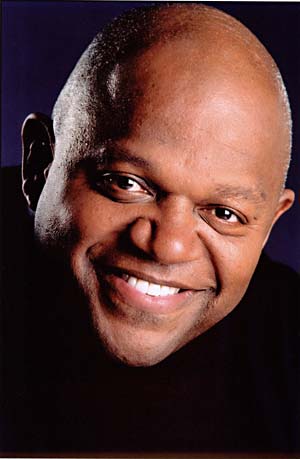 CHARLES S. DUTTON



 Little Rock Culture Vulture