
 Carolyn Conner was elected to the Little Rock City Council in April 1931. She was initially elected to fill out the remaining year of her husband’s term on the Little Rock City Council. She received 551 votes, or 61.6% besting two male candidates.
She was not the first woman to run for City Council. In 1924, Mrs. George M. Waller challenged Charles M. Connor (no relation to Carolyn Conner).
In 1932, Carolyn Conner was reelected and would continue to serve on the council until April 1942, winning a total of six elections. Mrs. Conner was the first woman to be elected to any City of Little Rock office. She was also the first to chair a council committee, leading the Civic Affairs Committee from 1933 to 1935. On October 16, 1933, she was chosen as Acting Mayor becoming the first woman to lead the City of Little Rock and preside at a council meeting.
In December 1939, she also became the first female alderman to be arrested for contempt of court along with eleven of her male colleagues. The judge did not send her to jail, though he did the male aldermen. At the end of the day their sentences were suspended.
In April 1941, Mildred Craig joined Mrs. Conner on the Council after being elected to finish out her husband’s term. Their service marked the first time there were two women on the City Council.
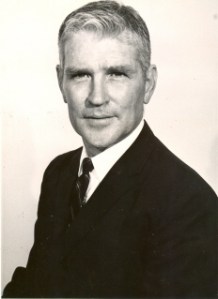 On March 4, 1924, Alexander M. “Sandy” Keith was born. He would serve as Little Rock’s sixty-third mayor in 1979.
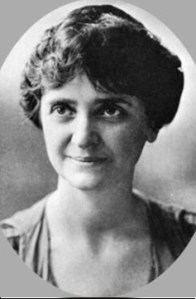 Lillian Dees McDermott served on the Little Rock School Board from 1922 to 1946.
 In September 2017, Oxford American premiered a 60-minute jazz composition entitled No Tears Suite, written by Little Rock jazz pianist Chris Parker and vocalist Kelley Hurt. The duo created the work in honor of unity on the 60th anniversary of the Little Rock Central High School desegregation crisis.
 On March 3, 1866, William Marmaduke Kavanaugh was born in Alabama. He later moved with his family to Kentucky before coming to Little Rock as a newspaper reporter.
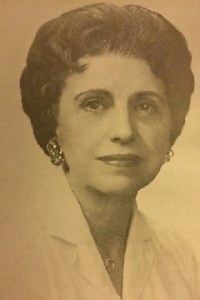 Nancy Pearl Johnson Hall was married to longtime Arkansas Secretary of State C. G. “Crip” Hall. Following his death, Mrs. Hall was appointed to succeed him as Secretary of State. With this appointment, she became the first woman to serve as a Constitutional Officer in Arkansas. As an appointee to that office, she could not run for it in the following election.
 Little Rock Culture Vulture