LR Look Back: Mayor Buddy Villines

judgebuddyOn this date in 1947, future Little Rock Mayor (and current Pulaski County Judge) Floyd G. “Buddy” Villines was born.  A 1969 graduate of Hendrix College, he served in Vietnam in 1970 and 1971. He later graduated from the University of Arkansas at Little Rock Law School.

Villines’ first interaction with Little Rock City Hall was as an employee in the City Manager’s office.  After joining the private sector, he returned to City Hall in 1985 serving on the Little Rock City Board of Directors.  He was re-elected in 1989.

While on the City Board, he was chosen as Vice Mayor for a two year term in 1987 and 1988.  The following year he was selected as Mayor for a two year term.  In 1990, Villines was elected Pulaski County Judge; he resigned from the City Board in December 1990 to take office.

Villines has served as Pulaski County Judge since January 1991.

LR Look Back: Mayor John Widgery

LR sealOn June 17, 1802, future Little Rock Mayor John Widgery was born in Portland ME to Mr. and Mrs. William Widgery.  His father died in 1804.  At the age of 11, John Widgery entered Bowdoin College.  He was the youngest student admitted to the college.

Widgery studied law with his uncle, Nathan Kinsman.  He married Ann L. Woodward, who was from Boston MA.  According to Bowdoin College records, he later “wandered away into the Southwest” spending time “in the Cherokee country.”

Widgery spent most of his adult life in the south. For a time Widgery was clerk of the Mississippi House of Representatives.  He then moved to Little Rock prior to 1840.  By 1840, he was Recorder for the City of Little Rock.

According to media reports at the time, several tradesman groups encouraged Widgery to run for Mayor in January 1841.  He did run but lost to Rev. Samuel H. Webb.  The next year, Widgery ran again and this time was elected Mayor.  He took office in January 1842.  On May 24, 1842 he resigned from office.  He later served as Secretary of the Arkansas Senate (where he made $8 a day when the Senate was in session).

Widgery eventually settled in St. Louis.  He later returned up north.  He died on August 2, 1873 in Portland ME and is buried there.  He and his wife did not have any children.

LR Look Back: Mayor Ben D. Brickhouse

BrickhouseOn June 8, 1873, future Little Rock Mayor Ben D. Brickhouse was born in Virginia.  He moved to Texas as a child before his family settled in Arkansas.

His first job was with the Missouri Pacific Railroad.  He eventually attended law school at the University of Arkansas.  As an attorney, he remained interested in labor relations throughout the rest of his life.

In 1914, Brickhouse was elected to the Little Rock City Council.  He was reelected in 1916.  In 1918, he was appointed Labor Commissioner for the State of Arkansas by Governor Charles Brough.

Brickhouse was elected Mayor of Little Rock in 1919.  He was relected twice (1921 and 1923).  Prior to the change to the City Manager form of government in 1957, other Mayors would seek a third consecutive term, but none would be successful.

During Mayor Brickhouse’s tenure the City purchased the land to make Fair Park (now War Memorial Park).  He served as chair of the State Fairgrounds.

Brickhouse retired from public life in 1925 but returned in 1938 when he was elected to the Arkansas House of Representatives.  He was reelected in 1940.  On June 1, 1941, not long after the conclusion of the legislative session, Brickhouse died.

LR Look Back: Mayor Thomas D. Merrick

IMG_5546

Thomas D. Merrick grave in Mt. Holly Cemetery

Thomas D. Merrick was born on 23 May, 1814, in Hampden County, Massachusetts. He later moved to Indianapolis IN and Louisville KY before ending up in Little Rock.

On January 17, 1841, he married Anna M. Adams of Kentucky at Christ Episcopal Church in Little Rock. They had seven children: George, Annie, Ellie, Mollie, Lillian, Dwight, and Thomas. Thomas died at age ten.

Merrick became a prominent member of the Little Rock business community, as a merchant and cotton broker. He was involved in Freemasonry, holding the position of Grand Secretary of the Grand Lodge of Arkansas in 1845.

In 1855 Merrick entered into a business partnership with future LR Mayor John Wassell. Merrick was also involved in city politics, serving on the city council and also as mayor from January 1854 to January 1855.

He saw active service during the Civil War. On February 6, 1861, Merrick delivered an ultimatum to Captain James Totten of the United States Arsenal at Little Rock, demanding the surrender of the federal troops. Merrick also raised a regiment of Confederate Arkansas Militia, holding the rank of Colonel of Infantry at Camp Conway, near Springfield, Arkansas.  Following the Battle of Shiloh (April 1862), Merrick resigned his commission and returned to Little Rock.

Merrick died in his home in Little Rock on March 18, 1866.  He is buried in Mt. Holly Cemetery.

LR Look Back: Mayor Dan T. Sprick

SprickFuture Little Rock Mayor Dan T. Sprick was born on May 19, 1902.  He served three terms on the Little Rock City Council (from 1935 to 1941).  In 1945, he was elected Mayor of Little Rock and served one term.

Sprick later served for ten years in the Arkansas State Senate (from 1961 to 1970).  During his tenure in the Senate, Sprick was closely aligned with Gov. Orval Faubus.  When the Little Rock high schools had been closed a year to ensure segregation, Sprick had served on the board of a private school set up by some of the leaders of the segregation movement.

His time in the Senate was also marked by controversy.  He was one of three Senators to opposed Muhammad Ali’s speaking at the University of Arkansas at Fayetteville.  After an Arkansas Gazette editorial lambasted him, Sprick sued the paper for libel. The Gazette settled with him out of court because his health was poor.

Sprick died in January 1972.


LR Look Back: 50th Anniversary of Arkansas Arts Center opening

IMG_5262Fifty years ago today, the Arkansas Arts Center officially opened in Little Rock’s MacArthur Park.  The project, which dates back to the early days of the Fine Arts Club, was formally authorized by the Little Rock City Board of Directors in September 1960 following a successful fundraising drive by supporters.  Future Governor Winthrop Rockefeller was a vital force in raising money and establishing the vision which transformed a small municipal art museum (the Museum of Fine Arts) into a comprehensive art center serving the entire state.

Since that day in May 1963, the physical plant of the Arkansas Arts Center has expanded several times. The programming has also grown. Though the degree-granting graduate school was abandoned in the late 1960s (because it nearly bankrupted the AAC), the Arkansas Arts Center now boasts an extensive and expansive Museum School offering classes in a variety of art forms to students of all ages.

Likewise the cutting-edge theatre company which was once in residence at the AAC is long-gone. After a few other programming attempts, the theatre space has been home to the Arkansas Arts Center Children’s Theatre since 1975.

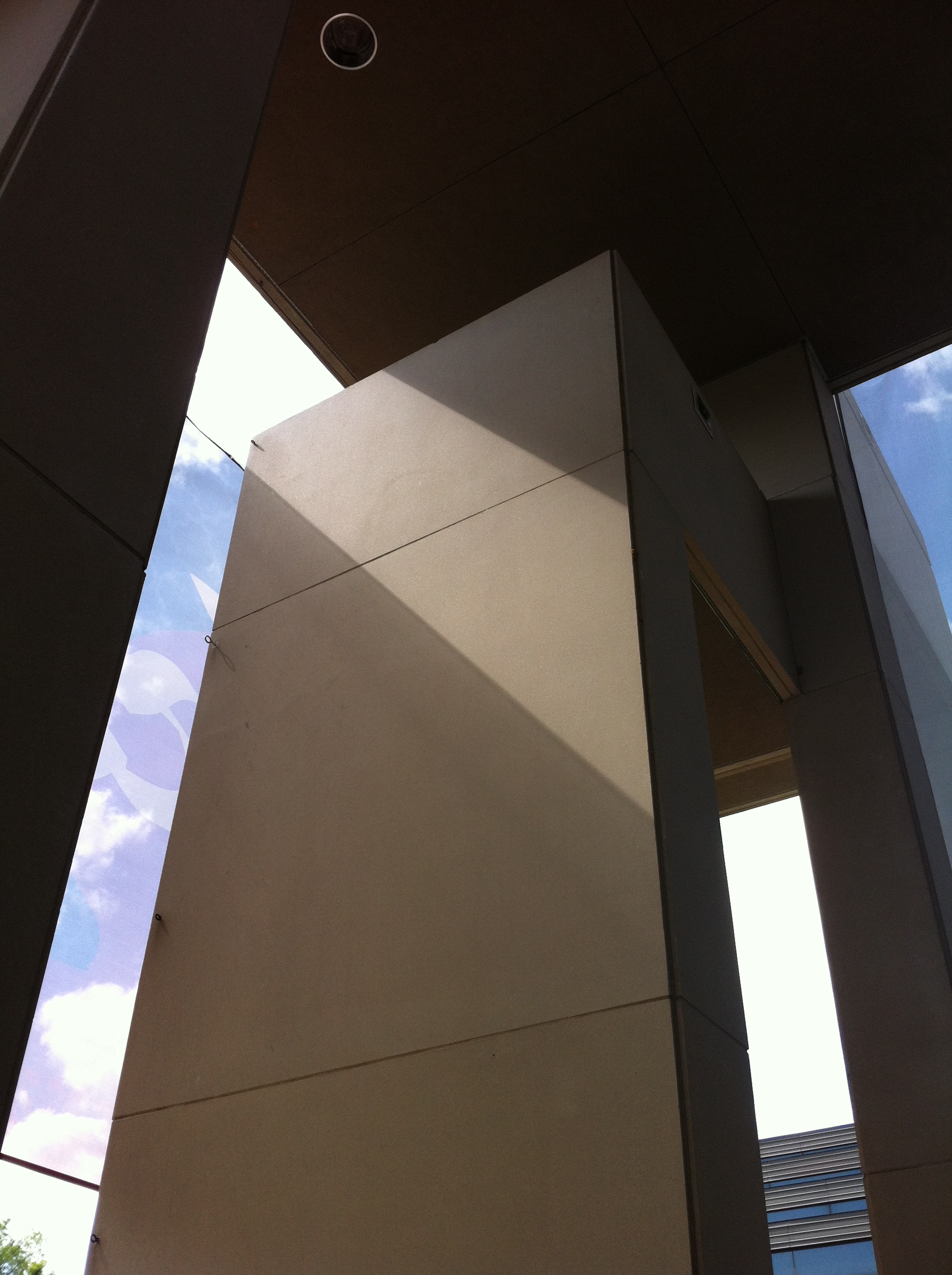
The changes mentioned above and the expansions were shepherded by longtime Director and Chief Curator Townsend Wolfe.  Pictured above is a look at the main entrance to the facility, which has served in this capacity since an expansion which opened in February 2000.

Dr. Todd Herman is the current Executive Director of the Arkansas Arts Center. He joined the museum in the summer of 2011.


LR Look Back: Mayor J. V. Satterfield Jr.

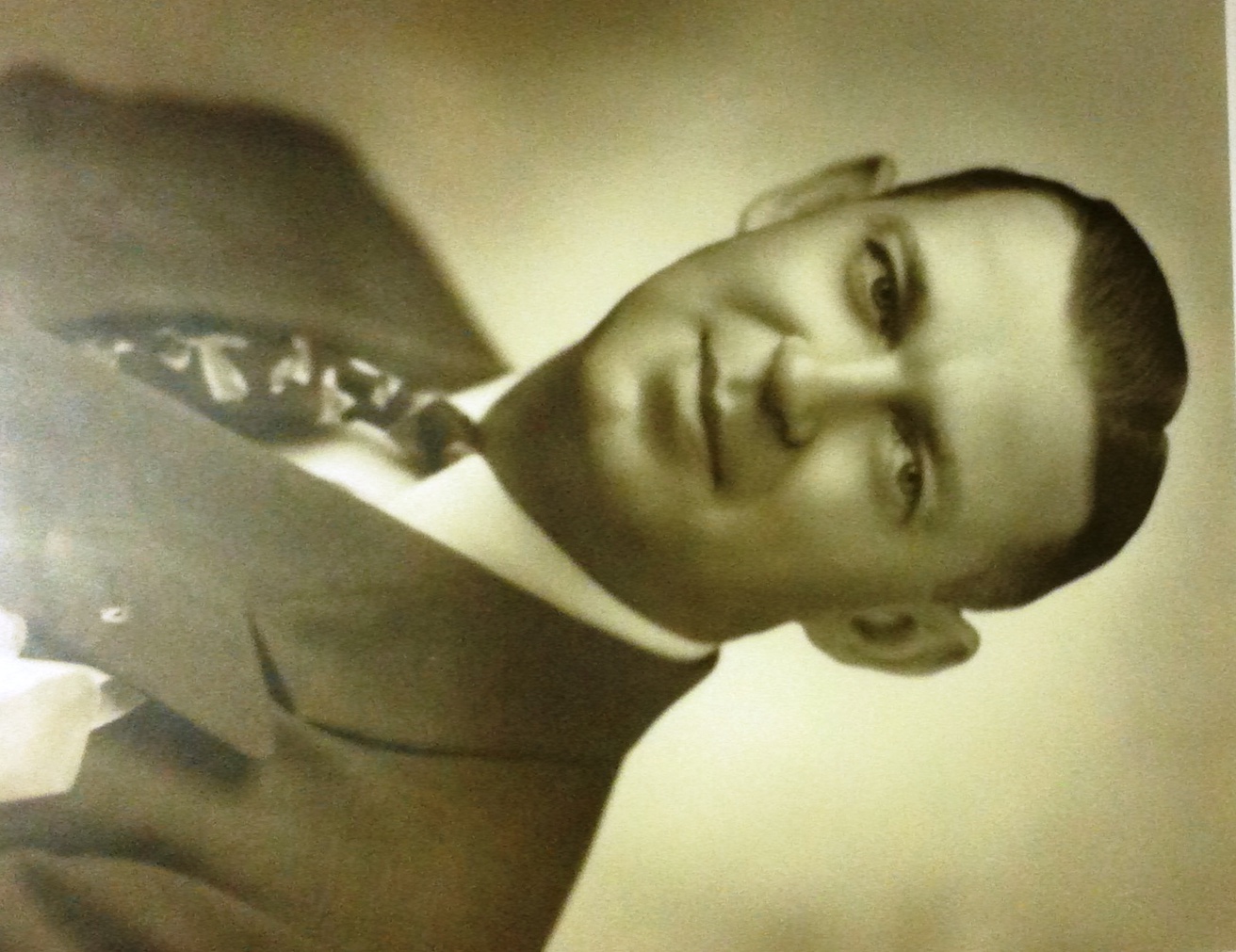
SatterfieldOn May 14, 1902, future Little Rock Mayor John Vines Satterfield, Jr. was born in Marion.   He grew up in Little Rock and Earle. J.V. was a star quarterback for the Earle football team and is ostensibly featured in a painting of that team by respected painter Carroll Cloar.

Following high school, J.V. taught and coached and sold Fords.  He then moved to Little Rock and sold insurance and later securities.  In 1931 he opened his own business; that same year he built a house at 40 Beverly Place in Little Rock, which would serve as his home until his death.

J. V. Satterfield was elected to serve as Mayor of Little Rock in 1939 and served one term, until 1941.  He was credited with saving the City from bankruptcy because of his fiscal policies. Among his efficiencies were the creation of a central purchasing office and using grass moved from the airport to feed the Zoo animals.

Satterfield was a staunch supporter of the airport and worked to expand it.  He would serve as the chair of the first Municipal Airport Commission.  He also established the Little Rock Housing Authority (on which he would later serve on the board) and oversaw the bonds needed to finish constructing Robinson Auditorium.  He was mayor when the building opened.  Mayor Satterfield also served as President of the Arkansas Municipal League in 1941.

Following the outbreak of World War II, Satterfield enlisted in the Army and was given the rank of a Major. He later was promoted to a Colonel and worked in the Pentagon during its early days.

In the late 1940s Satterfield became president of a small Little Rock bank called People’s Bank.  The bank changed its named to First National Bank when it moved into new offices at 3rd and Louisiana in 1953.  By focusing on smaller customers and courting corporate customers, Satterfield grew the bank into one of the state’s largest banks.  He maintained his desk in the lobby of the bank so he could interact with the customers and ensure they were having a positive experience.

Due to some health issues, Satterfield retired from the bank in 1964. He died in March 1966.