
 Prestigious award-winners, screenwriters, comedians, an expert witness, artists, and a Pulitzer Prize-winning poet are among the diverse roster of presenters who will be providing sessions at the thirteenth annual Arkansas Literary Festival, April 14-17, 2016. The Central Arkansas Library System’s Main Library campus and many other Little Rock venues are the sites for a stimulating mix of sessions, panels, special events, performances, workshops, presentations, opportunities to meet authors, book sales, and book signings. Most events are free and open to the public.
 The Arkansas Literary Festival, the premier gathering of readers and writers in Arkansas, will include more than 80 presenters including featured authors from approximately 24 different states and guests hailing from Canada, England, Russia, and Singapore. Each year, several of the attending authors have not visited Little Rock, Arkansas, or even the South.
Presenters come from a wide range of backgrounds including: journalist, documentary filmmaker, economist, editor, microbiologist, national bank examiner, essayist, photographer, sports reporter, psychological examiner, musician, actress, reporter, and professor. One is co-producing Keanu Reeves’ new television show and writing an adaptation of his own book for Warner Bros. and Bradley Cooper.
Special events for adults during the Festival include a cocktail reception with the authors, a tour of the Governor’s Mansion gardens with a wine and cheese reception, an escape room, and Readers’ Map of Arkansas launch party. Panels and sessions include genres and topics such as literary fiction, barbecue, Monopoly, female rocket scientists, travel, graphic novels, science fiction, classic literature, and a story told in playing cards.
Children’s special events include a session by Nikki Grimes, activity hour, concert by the Kinders, and the play How the Camel Got His Hump. based on Rudyard Kipling’s Just So Stories. Festival sessions for children will take place at both the Hillary Rodham Clinton Children’s Library and Learning Center, 4800 10th Street, and the Youth Services Department at the Main Library, 100 Rock Street. Special events for teens include North Little Rock High School Readers Theater, a teen poetry competition, and a panel with three authors of books for young adults.
Through the Writers In The Schools (WITS) initiative, the Festival will provide presentations by several authors for central Arkansas elementary, middle, and senior high schools and area colleges.
Author! Author!, a cocktail reception with the authors, will be Friday, April 15, at 7 p.m. Tickets are $25 in advance and $40 at the door, and go on sale at ArkansasLiteraryFestival.org beginning Monday, March 15.
This year’s Festival authors have won an impressive number and variety of distinguished awards and fellowships including: Pulitzer Prize, James Beard Award, PEN/Hemingway Award, Hugo Award, Coretta Scott King Award, Will Eisner Comic Industry Award, National Book Foundation “5 Under 35” Honoree, Coretta Scott King Illustrator Award, Dashiell Hammett Prize, Barnes & Noble Discover Great New Writers Selection, National Endowment for the Arts Fellowship, Fulbright Fellowship, Guggenheim Fellowship, Houghton Mifflen Literary Fellowship, Arkansas Arts Council Fellowship.
The work of this year’s Festival authors has been featured in notable publications including: New York Times, Details, McSweeney’s Quarterly, Forbes, the Paris Review, theHuffington Post, Women’s Health, Gourmet Magazine, the New Republic, the Los Angeles Times, Smithsonian, the Daily Telegraph UK, VICE, the New Yorker, Harper’s, the Atlantic, Slate, Time, Popular Science, Salon, the Best American Travel Writing, Outside Magazine, Esquire, USA Today, Reader’s Digest, Best American Essays, Best American Short Stories, Penthouse, the Nation, Best American Poetry, the Washington Post, Town & Country, the Economist, the Christian Science Monitor, National Geographic, the Wall Street Journal, Bloomberg BusinessWeek, Rolling Stone, GQ, Sports Illustrated, and Vogue
The Literary Festival is presented by the Central Arkansas Library System. Sponsors include Arkansas Humanities Council, Friends of Central Arkansas Library System (FOCAL), Clinton Presidential Center, Fred K. Darragh Jr. Foundation, KUAR FM 89.1, ProSmartPrinting.com, Rebsamen Fund, Arkansas Democrat-Gazette, Arkansas Times, Gibbs Elementary School, Hendrix-Murphy Foundation Programs in Literature and Language, MacArthur Museum of Arkansas Military History, Museum of Discovery, Otter Creek Elementary School, UALR Department of English, Windstream, Arkansas Library Association, Christ Episcopal Church, East Harding Construction, Hampton Inn, Hemingway-Pfeiffer Museum and Educational Center, Henderson State University, Hendrix College Project Pericles Program, University of Arkansas Clinton School of Public Service, Witt Stephens Jr. Central Arkansas Nature Center, Greater Little Rock Council of Garden Clubs, Capital Hotel, City of Little Rock, Et Alia Press, Consulate General of Israel to the Southwest, Literacy Action of Central Arkansas, Mayor Mark Stodola, Mollie Savage Memorial/CALS, North Little Rock High School, Plum Street Publishers, Inc., Pyramid Art Books & Custom Framing/Hearne Fine Art, Sibling Rivalry Press, Stickyz Rock ‘N’ Roll Chicken Shack, UALR Department of Rhetoric and Writing, and Whole Hog. The Arkansas Literary Festival is supported in part by funds from the Arkansas Humanities Council and the National Endowment for the Humanities.
The Festival’s mission is to encourage the development of a more literate populace. A group of dedicated volunteers assists Festival Coordinator Brad Mooy with planning the Festival. Committee chairs include Kevin Brockmeier, Talent Committee; Susan Santa Cruz, Festival Guides; and Amy Bradley-Hole, Moderators.
Visit the Festival Facebook and Twitter pages to get the latest news about the Festival. For more information about the 2016 Arkansas Literary Festival, visit ArkansasLiteraryFestival.org, or contact Brad Mooy at bmooy@cals.org or 918-3098. For information on volunteering at the Festival, contact Angela Delaney at adelaney@cals.org or 918-3095.
 The new Arkansas Civil Rights History Audio Tour was launched in November 2015. Produced by the City of Little Rock and the University of Arkansas at Little Rock allows the many places and stories of the City’s Civil Rights history to come to life an interactive tour. This month, during Black History Month, the Culture Vulture looks at some of the stops on this tour which focus on African American history.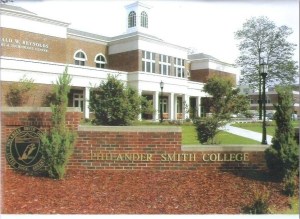
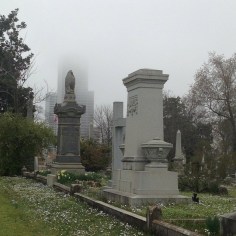
 The new Arkansas Civil Rights History Audio Tour was launched in November 2015. Produced by the City of Little Rock and the University of Arkansas at Little Rock allows the many places and stories of the City’s Civil Rights history to come to life an interactive tour. This month, during Black History Month, the Culture Vulture looks at some of the stops on this tour which focus on African American history.
 The new Arkansas Civil Rights History Audio Tour was launched in November 2015. Produced by the City of Little Rock and the University of Arkansas at Little Rock allows the many places and stories of the City’s Civil Rights history to come to life an interactive tour. This month, during Black History Month, the Culture Vulture looks at some of the stops on this tour which focus on African American history.
 Little Rock Culture Vulture