
Little Rock Look Back: Wilbur D. Mills

While later known more as a punchline due to personal fallibilities, for decades Wilbur D. Mills was one of the most powerful men in the world.  As the chair of the House Ways and Means Committee from 1958 to 1975, he was the architect not only of an overhaul of the tax code, but also determined ways to finance Medicare, Medicaid, and many other federal programs of the Eisenhower, Kennedy, Johnson, Nixon and Ford years.

Wilbur Daigh Mills was born in Kensett on May 24, 1909.  When Mills went to Congress at the age of 29, he was the youngest man elected to that time.  A scant four years later he joined the Ways and Means Committee.

Because Mills rarely had an opponent (only 1942, 1966, and 1974), he was able to focus on learning the ins and outs of the tax code. As long as he delivered some federal dollars to his largely rural district every so often, he did not have to preoccupy himself with the daily issues many in Congress face.  It was not until 1963, when Arkansas lost two of its six congressional seats, that Mills had Little Rock in his district. Prior to that, Searcy had been the largest city he represented.  (There had been concern that Rep. Dale Alford, who had upset incumbent Brooks Hays in 1958 before losing his seat due to reapportionment four years later might challenge Mills. But Alford opted to retire instead of taking on the powerful Mills.)

President Kennedy’s visit to Little Rock and Greers Ferry in October 1963 was the result of bargaining with Congressman Mills over some tax policy.  Mills gave in to JFK a bit, and JFK agreed to come to Arkansas to speak in Little Rock and at the dedication of two dams.  In recognition of his national clout, Mills was briefly considered a contender for the 1972 Democratic nomination for President.

Though he probably struggled with alcoholism for years, he had been able to keep his behavior in check until 1974 when his car was stopped in Washington DC for not having its headlights on. Though Mills was not driving, he was inebriated.  Another occupant of the car, a stripper with the stage name Fanne Fox ran from the car and frolicked in the Tidal Basin.  It became fodder for worldwide headlines.

The incident happened about a month before Election Day, when Mills was facing Republican Judy Petty.  A contrite Mills spent the remaining days in the campaign in Arkansas and won re-election by 59% of the vote.  (Though later in November, he again was in the headlines when Fox pulled him on stage with her at a club in Boston.) In January 1975, he stepped down as Ways and Means Chair.

In 1976, he opted to retire from Congress and did not seek another term.  In retirement, he practiced law in Washington DC before eventually moving back to Kensett full-time.  He died in 1992.
Rock the Oscars: Marjorie Lawrence

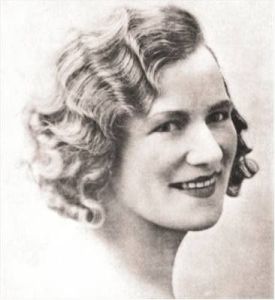
Opera star Marjorie Lawrence, CBE, was born in Australia, but spent the last two decades of her life in Arkansas.   Her triumph over polio to return to the opera stage was the subject of the Oscar winning film Interrupted Melody.

First singing in her native country, she rose to star in the opera halls of Europe before conquering the Metropolitan Opera.  Lawrence had contracted polio as an adult while on a trip to Mexico.  She eventually returned to the stage, usually singing while seated or reclining.  She also had an extensive recital career.  She performed at the White House at the invitation of Franklin Roosevelt and later Lyndon Johnson. During World War II, she performed at Buckingham Palace.  When Queen Elizabeth II made her a Commander of the British Empire in 1977, the Queen fondly remembered that wartime concert.

In 1949, she wrote her autobiography Interrupted Melody. The next year, Hollywood was interested in making it into a film.  Lawrence only wanted to agree to that if she herself did the singing.  In 1955, MGM released the film starring Eleanor Parker as Lawrence and Glenn Ford as her husband. Lawrence did not provide the singing voice; Eileen Farrell did.  Lawrence was openly critical of the film, though some suspected it was because she did not get to sing for it.  By the time of the filming, her vocal range was not what it had been, which is apparently what led MGM to make the decision not to use her.

Despite Lawrence’s disdain for the film, the film was financially successful.  It was nominated for three Oscars: Original Screenplay (though it was actually based on a book), Eleanor Parker as Best Actress, and Costume Design for Color motion pictures.  Sonya Levien and William Ludwig won the statuette for their screenplay.

Lawrence and her husband bought a ranch near Hot Springs in 1952.  She spent most of her life there afterward though she was a vocal coach at Southern Illinois University and Tulane. She also welcomed international students to her home for coaching.  In 1975, she started working with students from the University of Arkansas at Little Rock.  She was also an early member of the Arkansas Arts Council.

Lawrence died in January 1979 and is buried in Hot Springs.

Little Rock Look Back: JFK100

100 years ago today, John Fitzgerald Kennedy was born to Joe and Rose Kennedy, the second of nine children. Groomed for leadership by his parents, he was thrust even more into the path of political greatness following the World War II death of his elder brother Joe Jr.  A war hero himself, following his leadership after the attack of PT-109, he was first elected to Congress from Massachusetts in 1946. He would be re-elected in 1948 and 1950.  In 1952, he challenged incumbent Senator Henry Cabot Lodge and beat him.  He was re-elected to the Senate in 1958.
Kennedy had been seen as a strong potential Vice Presidential candidate for the Democrats in 1956. But his father discouraged this fearing that a loss to Eisenhower/Nixon would set him back in the future.  In 1960, the young, dashing Senator from the Bay State sought the Democratic nomination.  After a contentious primary season where he often ran against senate colleagues, Kennedy headed into the Democratic convention with the most delegates.  He added his chief rival, Texas Senator Lyndon Baines Johnson as his running mate.

After a close election, the Kennedy-Johnson ticket bested Vice President Richard Nixon and his running mate Henry Cabot Lodge (the selfsame former Senator who had been defeated by Kennedy 8 years earlier).

Following the oldest President (at the time), the young Kennedy administration seemed to captivate the country.  During his 1000 days in office, Kennedy faced many challenges both foreign (Bay of Pigs, Cuba missile crisis, start of Vietnam) and domestic (civil rights, organized crime). His ambitious “New Frontier” focused on education, additional services to rural areas and medical care for the elderly.  He also focused on getting the US to the moon.

On the personal front, in 1953 he married Jacqueline Bouvier. In addition to their daughter Caroline and son John Jr., who survived their father, the Kennedy’s had a miscarriage, a stillborn daughter, and son Patrick who died after two days.

Together with Franklin Roosevelt and Ronald Reagan, JFK embodied not only his generation but the mood of the country.  And his quotes resonate today including:

My fellow Americans, ask not what your country can do for you, ask what you can do for your country.

Let every nation know, whether it wishes us well or ill, that we shall pay any price, bear any burden, meet any hardship, support any friend, oppose any foe to assure the survival and the success of liberty.

Ich bin ein Berliner

On October 3, 1963, President Kennedy delivered remarks at the Arkansas State Fairgrounds.  Only a few weeks later, he would be felled by an assassins bullet in Texas.  In the speech, the President praised Arkansas’ congressional delegation including Senators John McClellan and J. William Fulbright and Congressmen Took Gathings, Bill Trimble, Wilbur Mills and Oren Harris.  Each of these men held senior leadership positions in key committees.  The main focus of the speech was to discuss President Kennedy’s vision for a new economy in the South.

The President was actually in the state to speak at the dedication of the Greers Ferry Dam. He agreed to make that appearance as a part of a negotiation with Congressman Mills as they were deadlocked over changes to the tax code.  He had previously visited Little Rock in 1957 when he came to the state to address the Arkansas Bar Association meeting in Hot Springs.

Little Rock Look Back: JFK in ARK

JFK LRNinety-nine years ago today, John Fitzgerald Kennedy was born.  After a too brief 1,000 days in the Presidency, he is memorialized by the John F. Kennedy Center for the Performing Arts which was designed by Arkansas native Edward Durell Stone.

On October 3, 1963, President John F. Kennedy delivered remarks at the Arkansas State Fairgrounds.  Only a few weeks later, he would be felled by an assassins bullet in Texas.  In the speech, the President praised Arkansas’ congressional delegation including Senators John McClellan and J. William Fulbright and Congressmen Took Gathings, Bill Trimble, Wilbur Mills and Oren Harris.  Each of these men held senior leadership positions in key committees.  The main focus of the speech was to discuss President Kennedy’s vision for a new economy in the South.

The President was actually in the state to speak at the dedication of the Greers Ferry Dam. He agreed to make that appearance as a part of a negotiation with Congressman Mills as they were deadlocked over changes to the tax code.  He had previously visited Little Rock in 1957 when he came to the state to address the Arkansas Bar Association meeting in Hot Springs.

John Fitzgerald Kennedy was born on May 29, 1917, the second of nine children. Groomed for leadership by his father Joe and mother Rose, he was thrust even more into the path of political greatness following the World War II death of his elder brother Joe Jr.  A war hero himself, following his leadership after the attack of PT-109, he was first elected to Congress from Massachusetts in 1946. He would be re-elected in 1948 and 1950.  In 1952, he challenged incumbent Senator Henry Cabot Lodge and beat him.  He was re-elected to the Senate in 1958.

Kennedy had been seen as a strong potential Vice Presidential candidate for the Democrats in 1956. But his father discouraged this fearing that a loss to Eisenhower/Nixon would set him back in the future.  In 1960, the young, dashing Senator from the Bay State sought the Democratic nomination.  After a contentious primary season where he often ran against senate colleagues, Kennedy headed into the Democratic convention with the most delegates.  He added his chief rival, Texas Senator Lyndon Baines Johnson as his running mate.

After a close election, the Kennedy-Johnson ticket bested Vice President Richard Nixon and his running mate Henry Cabot Lodge (the selfsame former Senator who had been defeated by Kennedy 8 years earlier).

Following the oldest President (at the time), the young Kennedy administration seemed to captivate the country.  During his 1000 days in office, Kennedy faced many challenges both foreign (Bay of Pigs, Cuba missile crisis, start of Vietnam) and domestic (civil rights, organized crime). His ambitious “New Frontier” focused on education, additional services to rural areas and medical care for the elderly.  He also focused on getting the US to the moon.

On the personal front, in 1953 he married Jacqueline Bouvier. In addition to their daughter Caroline and son John Jr., who survived their father, the Kennedy’s had a miscarriage, a stillborn daughter, and son Patrick who died after two days.

Together with Franklin Roosevelt and Ronald Reagan, JFK embodied not only his generation but the mood of the country.  And his quotes resonate today including:

My fellow Americans, ask not what your country can do for you, ask what you can do for your country.

Let every nation know, whether it wishes us well or ill, that we shall pay any price, bear any burden, meet any hardship, support any friend, oppose any foe to assure the survival and the success of liberty.

Ich bin ein Berliner

Little Rock Look Back: Remembering JFK

JFK LROn November 22, 1963, President John Fitzgerald Kennedy was felled by an assassin’s bullet in Dallas.  A mere seven weeks earlier he had delighted crowds in Little Rock and at Greers Ferry.

Little Rock Mayor Byron Morse issued a proclamation declaring November 25, 1963, an official day of mourning in Little Rock.  On December 2, 1963, the Little Rock City Board passed a resolution mourning the loss of President Kennedy and expressing their support for his successor President Johnson.

While he had made remarks to open the State Fair on that day in October, the President was actually in the state to speak at the dedication of the Greers Ferry Dam. He agreed to make that appearance as a part of a negotiation with Congressman Wilbur Mills as they were deadlocked over changes to the tax code.  He had previously visited Little Rock in 1957 when he came to the state to address the Arkansas Bar Association meeting in Hot Springs.  In his speeches, he went into detail praising the six members of Arkansas’ congressional delegation – each of whom held powerful leadership positions and committee chairmanships.

On the day after the President was killed, the Arkansas Gazette ran quotes from several Arkansas leaders, still shocked and in profound mourning.  Senator J. William Fulbright called the killing “a tragedy beyond words.”  Senator John L. McClellan noted he was “shocked beyond expression.”  Congressman Mills declared he was ‘too shaken and stunned to say much at this time.”  Congressman Oren Harris confessed he “could not adequately express” his feelings, while Congressman J. W. Trimble called it “very, very tragic” and Congressman E. C. Gathings termed it “a calamity.”

John Fitzgerald Kennedy was born on May 29, 1917, the second of nine children. Groomed for leadership by his father Joe and mother Rose, he was thrust even more into the path of political greatness following the World War II death of his elder brother Joe Jr.  A war hero himself, following his leadership after the attack of PT-109, he was first elected to Congress from Massachusetts in 1946. He would be re-elected in 1948 and 1950.  In 1952, he challenged incumbent Senator Henry Cabot Lodge and beat him.  He was re-elected to the Senate in 1958.


Following the oldest President (at the time), the young Kennedy administration seemed to captivate the country.  During his 1000 days in office, Kennedy faced many challenges both foreign (Bay of Pigs, Cuba missile crisis, start of Vietnam) and domestic (civil rights, organized crime). His ambitious “New Frontier” focused on education, additional services to rural areas and medical care for the elderly.  He also focused on getting the US to the moon.

Together with Franklin Roosevelt and Ronald Reagan, JFK embodied not only his generation but the mood of the country.  And his quotes resonate today including:

My fellow Americans, ask not what your country can do for you, ask what you can do for your country.

Let every nation know, whether it wishes us well or ill, that we shall pay any price, bear any burden, meet any hardship, support any friend, oppose any foe to assure the survival and the success of liberty.

Ich bin ein Berliner

Little Rock Look Back: JFK in the ARK

JFK LROn October 3, 1963, President John F. Kennedy delivered remarks at the Arkansas State Fairgrounds.  Only a few weeks later, he would be felled by an assassins bullet in Texas.  In the speech, the President praised Arkansas’ congressional delegation including Senators John McClellan and J. William Fulbright and Congressmen Took Gathings, Bill Trimble, Wilbur Mills and Oren Harris.  Each of these men held senior leadership positions in key committees.

The main focus of the speech was to discuss President Kennedy’s vision for a new economy in the South.  He tied that to improvements in the state’s universities and colleges as well as public works projects.

The President was actually in the state to speak at the dedication of the Greers Ferry Dam. He agreed to make that appearance as a part of a negotiation with Congressman Mills as they were deadlocked over changes to the tax code.  He had previously visited Little Rock in 1957 when he came to the state to address the Arkansas Bar Association meeting in Hot Springs.

He arrived at the Little Rock Air Force Base, then only a few years old, and proceeded to Heber Springs via helicopter. Students and civic leaders from nearby Batesville were present to help welcome the President and his entourage.  Following the ceremony at Greers Ferry, he and his party ventured to Little Rock.

It was an exceptionally hot October day (temperatures were in the lower 90s), but all else seemed perfect according to media reports.  The Little Rock School District dismissed classes on that day (which was a Thursday) so students could attend the President’s remarks at the Fairgrounds.

Happy 50th Birthday to the National Endowment for the Arts & National Endowment for the Humanities

NEANEH50On September 29, 1965, President Lyndon Baines Johnson signed into law the National Foundation on the Arts and the Humanities Act of 1965 at a White House Rose Garden ceremony, attended by scholars, artists, educators, political leaders, and other luminaries.

The law created the National Endowment for the Humanities as an independent federal agency, the first grand public investment in American culture. It identified the need for a national cultural agency that would preserve America’s rich history and cultural heritage, and encourage and support scholarship and innovation in history, archeology, philosophy, literature, and other humanities disciplines.

On this occasion, President Johnson said: “Art is a nation’s most precious heritage. For it is in our works of art that we reveal ourselves, and to others, the inner vision which guides us as a nation. And where there is no vision, the people perish.”

This new law was the fruit of two presidents, several senators and representatives, and four previous pieces of legislation. Separate bills had been introduced, in previous years, into the House by Representative Frank Thompson (D-NJ), and into the Senate by Senators Hubert Humphrey (D-MN) and Jacob Javits (R-NY). Senator Claiborne Pell (D-RI) had overseen hearings on some of this preliminary legislation, beginning in October 1963, before the death of President John F. Kennedy.

Over the years, the NEA and NEH have awarded millions of dollars to Little Rock based institutions, organizations and individuals through direct appropriations.  They have also impacted Little Rock cultural life through funding of the Mid-America Arts Alliance, Arkansas Arts Council, Department of Arkansas Heritage, Arkansas Department of Parks & Tourism, and U.S. Conference of Mayors among others. These groups have either re-granted the dollars to Little Rock entities or undertaken projects which have directly impacted and improved life in Little Rock.