May 9 Architeaser

IMG_5185In keeping with May being Arkansas Heritage Month, today’s Architeaser features a detail of the south portico on the Old State House. The Old State House Museum is the oldest standing state capitol building west of the Mississippi River.

Construction on the building began in 1833 and was declared complete in 1842. The building was commissioned by Territorial Governor John Pope, who selected Kentucky architect Gideon Shryock (who previously designed the Kentucky state capitol building) to create plans for the Arkansas capitol. Shryock chose the Greek Revival style, then a popular design for public buildings, for Arkansas’s new capitol. The original plans were grand and too expensive for the young territory’s finances. Consequently, the plans were changed by George Weigart, Shryock’s assistant, who oversaw construction at the Little Rock site.

In 1885, the building was renovated and expanded.  The south facade and portico were rebuilt.  It is this rebuilt portico which is featured on today’s Architeaser.  Former Little Rock Mayor John Wassell was responsible for overseeing much of the renovation and built the winding wooden staircases now find inside the building.


May 7 Architeaser

hamMay is Arkansas Heritage Month.  As a way to celebrate it, the next few Architeasers will focus on facilities connected to the Department of Arkansas Heritage.

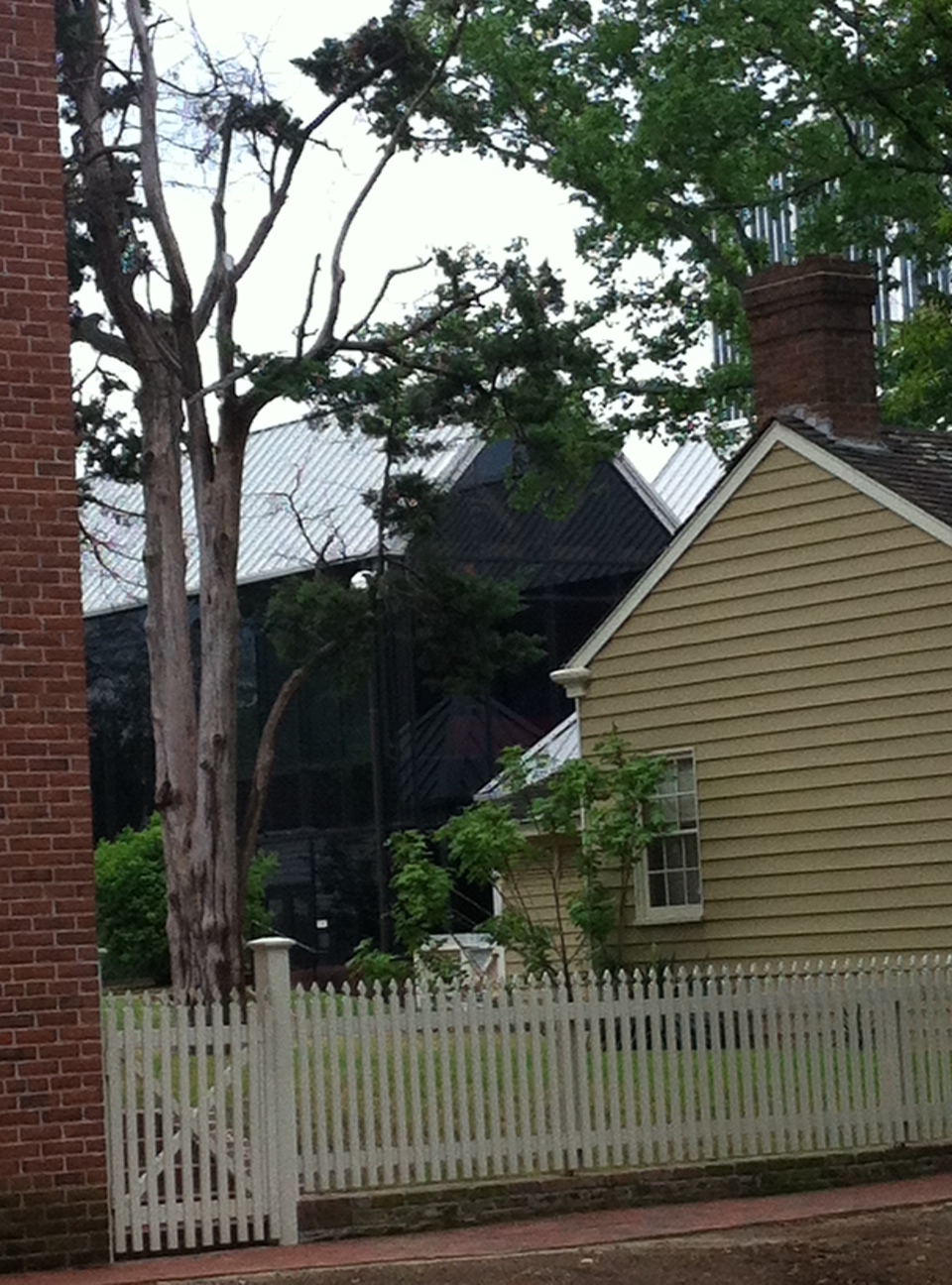
Today’s Architeaser features architecture from the past and present.  These structures sit side by side on the city block which is home to part of Historic Arkansas Museum.  The center of the photo is anchored by the 2001 expansion to the museum which was designed by the firm of Polk Stanley Yeary (now Polk Stanley Wilcox). Framing the building on either side of the photo are some of Little Rock’s oldest structures.

Historic Arkansas Museum opened in July 1941 as the Arkansas Territorial Restoration.  It includes Little Rock’s oldest structure, the Hinderliter Grog Shop, built in 1827.  In 2001, the name was changed to Historic Arkansas Museum in conjunction with the opening of a 51,000 square foot museum center which capped off a three phase capital building program.

May 2 Architeaser

IMG_5151In keeping with this week’s focus on Arkansas Arts Center entrances, today’s Architeaser focuses on the front portico of the Pike-Fletcher-Terry House. The iconic ionic columns are constructed of brick. They date from the early days of this often-modified house.

The original construction of this edifice started in 1840 by Albert Pike.  After uses as a residence and a women’s college, former Mayor John G. Fletcher took ownership of the property in 1889.  From 1889 to 1977 it was in the Fletcher family, first Mayor Fletcher and then his three children – Pulitzer Prize winning poet John Gould Fletcher, Mary Fletcher Drennan and Adolphine Fletcher Terry.

Mrs. Terry and her husband Congressman David D. Terry raised their five children in the house.  The house was also a base for Mrs. Terry’s community interests.  Most notably, the Women’s Emergency Committee was founded in the house.  This group of Little Rock area women focused on reopening the Little Rock public schools after they had been shut in response to the desegregation of Little Rock Central High.  The list of members of this group was kept secret for 40 years.  In 1997, the list was made public and the names were etched in the glass of the conservatory on the east facade of the building.

In 1963, the two remaining heirs of Mayor Fletcher – Mrs. Terry and Mrs. Drennan – announced that they were deeding the house to the City of Little Rock for use by the new Arkansas Arts Center. This transfer would go into effect upon the death of both sisters.  Following Mrs. Terry’s death, Mrs. Drennan (who lived out of state) went ahead and transferred the property in 1977.

From 1985 to 2003, the building was known as the Arkansas Arts Center Decorative Art Museum and housed the AAC’s decorative art and contemporary craft collection.  Because of expansion of the main campus in MacArthur Park, that collection was moved to the main building.  Since 2004, the building has been home to a variety of community art exhibits in conjunction with the Arts Center.

Since 1977, the building has long been a favorite site for special events and weddings. That tradition continues today. Tomorrow night, Our House will host its annual Dinner on the Grounds at the Arkansas Arts Center’s Pike-Fletcher-Terry House.


May is Arkansas Heritage Month

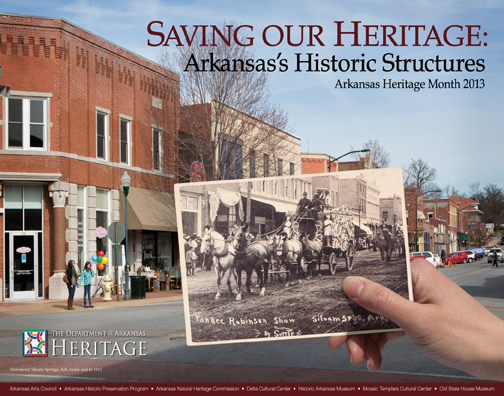
HM 2013This year’s theme is: Saving our Heritage: Arkansas’s Historic Structures.

Arkansas is fortunate to have preserved so many historic structures. Homes, businesses, churches, bridges, courthouses, banks, log cabins and even entire historic districts have been preserved and protected. But there may be structures in your town that need attention and resources so they can be saved.

A wealth of assistance is available through the Arkansas Historic Preservation Program to help save important places in Arkansas, including educational materials, federal tax credit program information, and technical resources to name just a few.

From local museums and historical societies to private homes and businesses, preserving our past is something Arkansas does well.

For more information, visit the Department of Arkansas Heritage at www.arkansasheritage.com.

April 30 Architeaser

IMG_5069

Yesterday focused on the entrance to the old Museum of Fine Arts.  When the new Arkansas Arts Center opened in May 1963, the architectural firm of Ginocchio, Cromwell, Carter, Dees & Neyland (now the Cromwell firm) had designed a new entrance.  This one created a more modern look and reoriented the building toward the south and MacArthur Park.  Just off the entrance and lobby are studios, galleries and a theatre.

Since the 2000 renovation and expansion, this has functioned as an entrance for the Museum School and the Children’s Theatre and is now most commonly referred to as the lower lobby.

As this is the last day of April, it will be the last daily Architeaser.  Starting in May, it will shift to a twice a week (generally Tuesdays and Thursdays) feature.

April 29 Architeaser

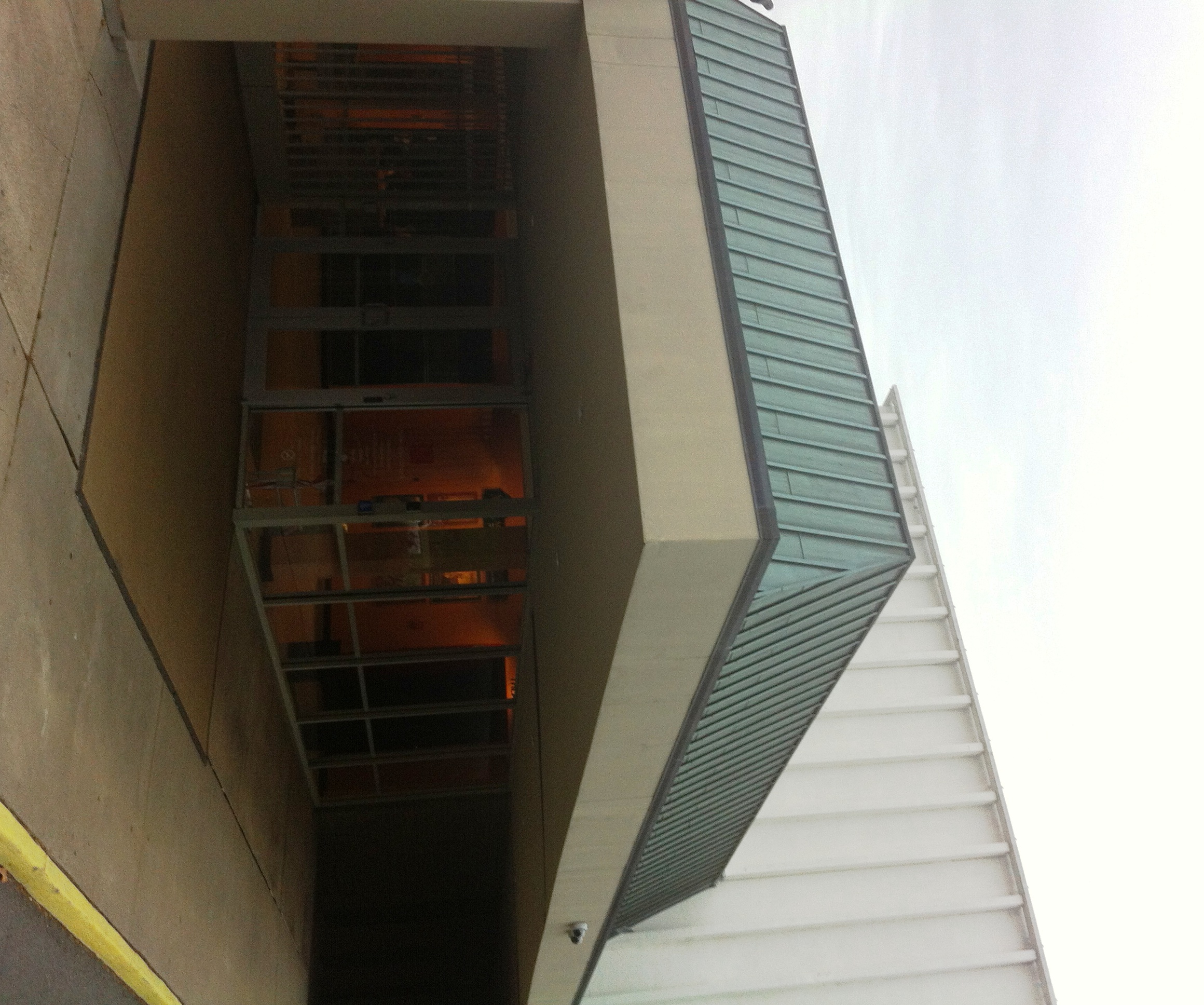
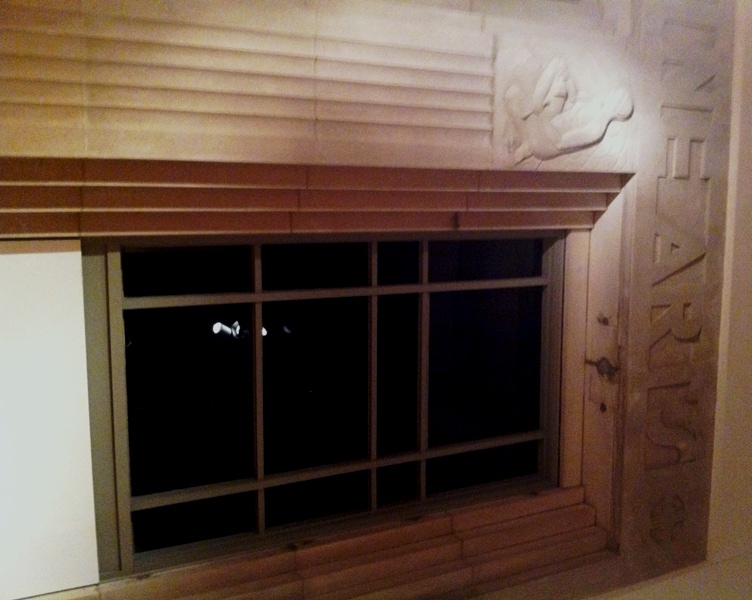
IMG_5067Later this week the Arkansas Arts Center will host its Tabriz fundraiser event.  In keeping with that, today’s Architeaser features the entrance to the old Museum of Fine Arts in MacArthur Park.  When the Museum was reorganized into the Arkansas Arts Center and the building was expanded, the former entrance was incorporated into the new building.

The original building was designed by architect H. Ray Burks.  It was built by the Works Progress Administration and incorporates the art deco and neo-classical elements which were usually found in WPA buildings.  The entrance typifies this.  The arches contain the ridges, clean lines and fluting often found in art deco as well as classical figures in a frieze.

April 26 Architeaser

IMG_4940In 1986, the main City Hall building and the former Central Fire Station building were renovated.  A new structure was built to link the two buildings.  The front facade of that structure of that structure is featured today.

The structure is basically an enclosed walkway to connect the two buildings.  Doing any more would have required extensive redesign since the two buildings have different levels for their stories.  The structure mimics the neo-classical style found in both the City Hall and Fire Station buildings without matching either of the original buildings.

With this construction, each of the buildings in the City Hall complex on the corner of Markham and Broadway is now connected.

This complex does not house all of the City offices downtown.  For three blocks to the west of City Hall, there are five other City buildings. In addition there are other City structures downtown and in a variety of locations.