
 Learn about “The New Madrid Earthquakes and Their Aftermath in Quapaw Country, 1811-1833” today (11/6) at 12 noon at the CALS Butler Center’s Legacies and Lunch program. It will take place in the CALS Main Library.
The New Madrid Earthquakes of 1811–1812 were the strongest earthquakes in the North American interior in the last six centuries. Across the vast expanse of land the seismic events affected, people struggled to address the earthquakes’ religious meaning and material impact. This talk focuses on the earthquakes in Quapaw country, where the events featured in recorded Quapaw oral histories and became a factor in Quapaw territorial dispossession through the New Madrid Relief Act of 1815.
Jonathan Hancock is an associate professor of history and environmental studies at Hendrix College in Conway. He has published work in the Journal of the Early Republic, The Princeton Companion to Atlantic History, and Warring for America: Cultural Contests in the Era of 1812 (University of North Carolina Press, 2017) and has held research fellowships from the Bright Institute at Knox College, the Huntington Library, the Newberry Library, and the University of North Carolina Royster Society of Fellows. He is currently completing a book, Convulsed States: Earthquakes, Prophecy, and the Remaking of Nations in Early America, and beginning research for a new book project, “The Indigenous Lowcountry: A 4,000-Year History of Native Communities near Charleston.”
Legacies & Lunch is a free monthly program of CALS Butler Center for Arkansas Studies about Arkansas related topics. Program are held from noon to 1 pm on the first Wednesday of the month. Attendees are invited to bring a sack lunch; drinks and dessert are provided. A library parking discount is available upon request
 In advance of the
  Communities in Schools (CIS) is a national organization that ensures all students have what they need to stay in school and on a path to a brighter future.
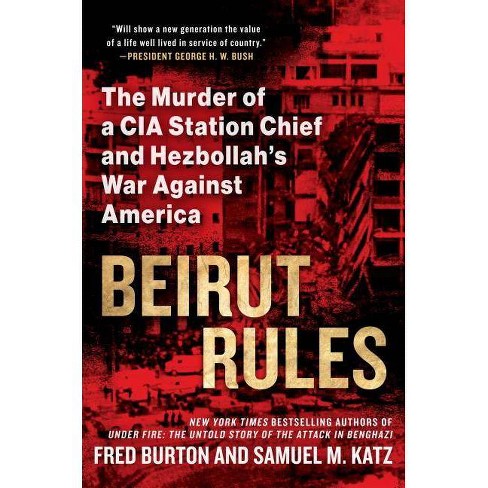 In another timely Clinton School program, Fred Burton will be discussing the book Beirut Rules, which he co-wrote with Samuel M. Katz. The program will take place today (October 30) at 12 noon. A book signing will follow.
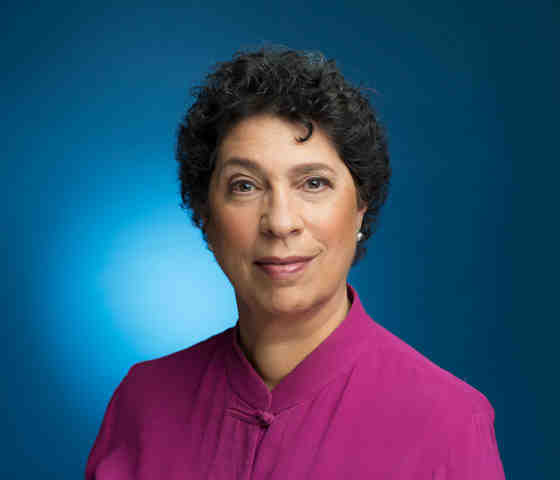 Susan Herman was elected President of the American Civil Liberties Union in October 2008, after having served on the ACLU National Board of Directors, as a member of the Executive Committee, and as General Counsel.
 Little Rock Culture Vulture