 Early voting started yesterday for the February 9 special election for Arts + History in Little Rock.
By voting FOR on Tuesday, February 9th Little Rock residents can expand and enhance our Arkansas Arts Center, MacArthur Museum of Arkansas Military History, and MacArthur Park. Your vote FOR on February 9th will upgrade facilities and public spaces to ensure the Arkansas Arts Center keeps its accreditation by issuing a bond backed by an existing hotel tax on out of town visitors.
Early voting takes place at the Pulaski County Election Commission headquarters at 501 West Markham (across from City Hall) from 8:00am to 5:00pm through February 8 (no weekend early voting).
On Election Day (February 9), regular polling sites will be open from 7:30am to 7:30pm.
-
Your for vote will keep the Arkansas Arts Center in Little Rock accredited, with updates to aging facilities over 50 years old, bringing in more world-class exhibitions and educational opportunities.
-
Your for vote will help expand and enhance the Arkansas Arts Center and improve the MacArthur Museum of Arkansas Military History by providing much needed help to aging facilities and addressing landscaping needs in MacArthur Park.
-
Your for vote will spur community involvement by increasing educational opportunities, attracting more world class exhibits, expanding art classes and renovating the Children’s Theatre.
-
Your for vote will establish a public/private partnership between public funding and private donations that ensures our city can expand and enhance the Arkansas Arts Center, MacArthur Museum of Arkansas Military History and MacArthur Park.
In legalese: An issue of bonds of the City of Little Rock, Arkansas in one or more series in the maximum aggregate principal amount of Thirty-Seven Million, Five Hundred Thousand Dollars ($37,500,000.00) for the purpose of financing a portion of the costs of improvements to MacArthur Park, including particularly, without limitation, renovations and additions to, and furnishings and equipment for, the Arkansas Arts Center and renovations and equipment for the MacArthur Museum of Arkansas Military History, including any necessary parking, landscaping, signage, drainage, lighting, road and utility improvements in MacArthur Park. The bonds will be payable from and secured by a pledge of the collections of the taxes levied by the City at an aggregate rate of 2% upon the gross receipts or gross proceeds derived and received from the renting, leasing or otherwise furnishing of hotel, motel, bed and breakfast or short-term condominium or apartment rental accommodations for sleeping for profit in the City, pursuant to Ordinance Nos. 21,140 and 21,141 adopted December 1, 2015. The proceeds of the bonds will also be used to provide a debt service reserve and pay costs of issuing the bonds.

 This includes the cover from the May 1963 dedication week, a jazz album produced by the Arkansas Arts Center, a scene from an early Beaux Arts Ball, and the original Arkansas Arts Center logo (as it appeared on a matchbook).
 The new Arkansas Civil Rights History Audio Tour was launched in November 2015. Produced by the City of Little Rock and the University of Arkansas at Little Rock allows the many places and stories of the City’s Civil Rights history to come to life an interactive tour. This month, during Black History Month, the Culture Vulture looks at some of the stops on this tour which focus on African American history.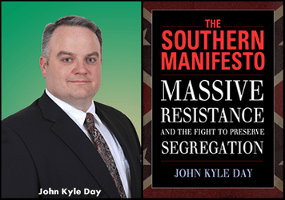
 On February 3, 1920, future Little Rock Mayor George Wimberly was born in Star City. He served his country first in the Civilian Conservation Corps and later aboard a U.S. Naval Department hospital ship in the Pacific during World War II.
 According to architect Neil Denari, it’s not unusual for parties to disagree when it comes to making decisions about matters architectural. Stands taken in response to deeply seated concerns about money or commitment to “a specific direction and outcome” sometimes lead to stalemates. In his lecture, Denari will talk about ways in which NMDA deploys “potentially disagreeable ideas into a welcoming context of agreement”. Equal amounts of “logic and enthusiasm” are key to resolving differences between architect and client.
 Little Rock Culture Vulture