Sculpture Vulture: Mount Holly Cameos

Today’s Sculpture Vulture returns to Mt. Holly Cemetery.  There are quite a few sculptures of angels and religious figures throughout the cemetery.   There are a few very unique sculptural ornamentations in the cemetery. These are carvings to represent the faces of the deceased which are mounted on grave markers.  Though this does not purport to be an exhaustive list of the carvings, it does showcase the ones the Culture Vulture noticed on a recent visit to Mt. Holly.
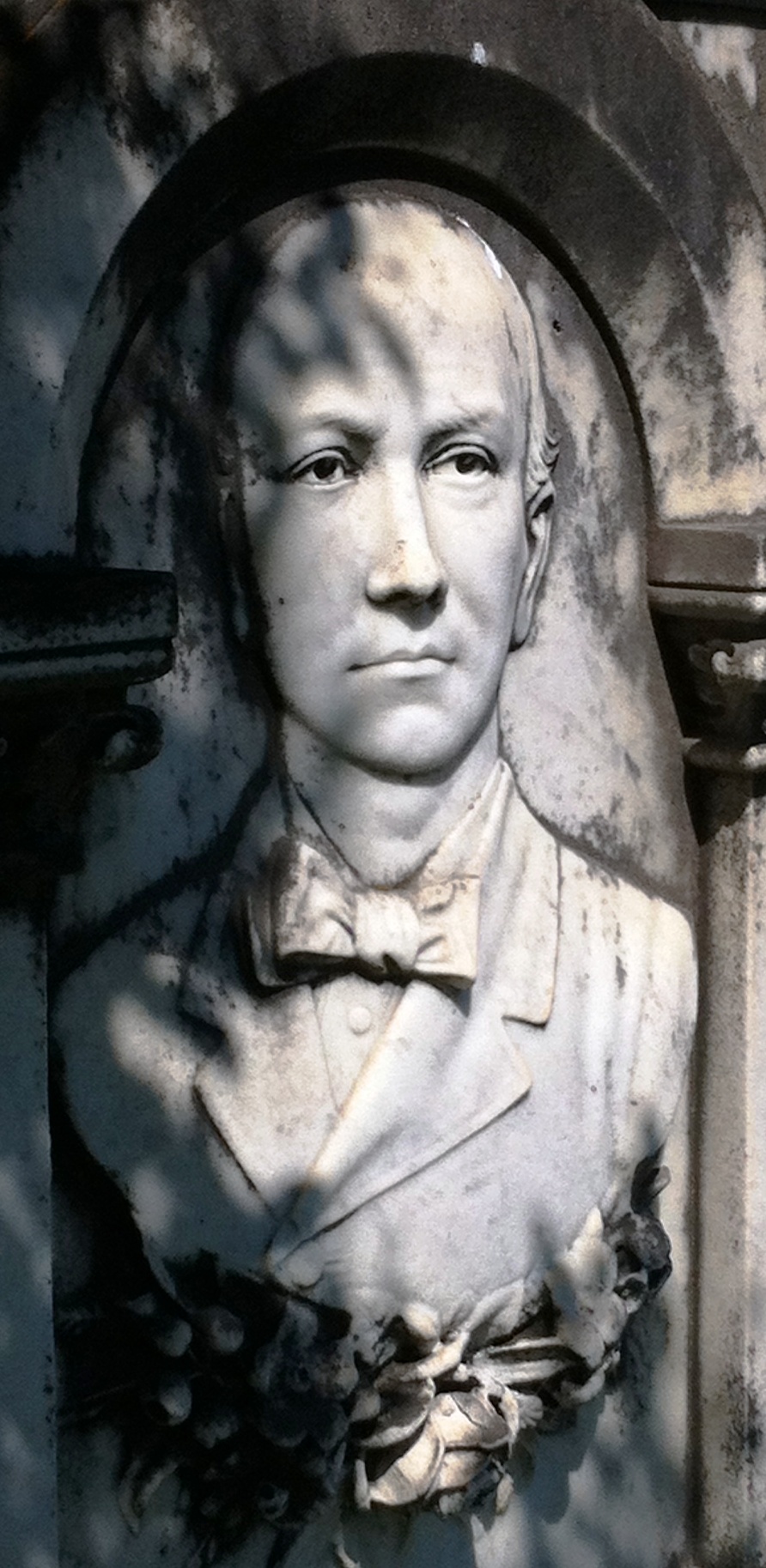
Hornibrook

James H. Hornibrook was born on July 8, 1840 and died on May 24, 1890.  He came to Little Rock from Toronto following the Civil War and ran a very successful saloon business.  He died of an “apoplectic stroke” just shy of his 50th birthday.  His house is now the Empress of Little Rock Bed & Breakfast located near the Governor’s Mansion.   He had feared his death and had commissioned a death mask to be made.

Johnson

Sydney J. Johnson was born February 12, 1866 and died on March 17, 1899.  He was a banker, Little Rock City Treasurer, and Pulaski County Deputy Circuit Clerk. He died from complications of a broken leg, an injury sustained while sledding.

Fones

Daniel Gilbert Fones was born on August 19, 1837 and died on May 28, 1912.  He was a hardware merchant who served as president of the German National Bank, the Arkansas Building & Loan Association, and the Equitable Building & Loan Association.  He served on the Little Rock School Board from 1883 to 1893.  Together with his brother James, he founded the Fones Brothers Hardware Company.  The final location of their warehouse, 100 Rock Street, opened in 1921. In 1997, after extensive renovation and repurposing the building reopened as the main branch of the Central Arkansas Library System.

LeFevre

Leon LeFevre was a farmer who owned a great deal of land north of the Arkansas River. He was born on April 19, 1808 and died on February 26, 1892. The house that he built in 1842 existed in what later became North Little Rock until 1966.  He was born on his family’s property prior to the establishment of Little Rock over a decade later. As Little Rock became formalized and grew to include both sides of the Arkansas River, he became a civic leader.

Peyton

Dr. Craven Peyton was born on November 30, 1823 and died on November 7, 1872.  He was a physician in Little Rock.  During the Civil War, he held the rank of Colonel and was commander of the 13th Regiment, Arkansas Militia.  He was Kentucky native who moved to Little Rock after graduating from Medical School. During the Mexican War he was commissioned as a surgeon in the Arkansas Regiment of Volunteers. He was one of the founders of Arkansas’s Medical School.

Deadline Approaching for Arkansas Arts Summit Registration

The Arkansas Arts Council is pleased to be a sponsor of the 2012 Arkansas Arts Summit April 17-18 at the William J. Clinton Presidential Center in Little Rock. This intensive, two-day event will provide practical training for board members and arts administrators to help build and maintain art organizations and programs.

The conference will also offer performances, social events and networking opportunities. Registration is $95 and deadline to register is April 1. Click here to download a registration form, which includes a conference agenda and hotel information.

The Summit is presented by the John F. Kennedy Center for Performing Arts and the DeVos Institute of Arts Management at the Kennedy Center.

Led by Kennedy Center President Michael M. Kaiser, the conference will equip participants to:

    • Recruit and manage board members
    • Achieve fundraising success
    • Create institutional image with impact
    • Improve strategic financial planning
    • Develop and support effective marketing campaigns

Sponsors include the Arkansas Arts Council, the William J. Clinton Foundation, Donna and Mack McLarty, Kaki Hockersmith, Mid-America Arts Alliance, the Winthrop Rockefeller Institute, the Windgate Foundation, Stella Boyle Smith Trust, the City of Little Rock and the City of North Little Rock.

Sculpture Vulture: Harriet Tubman

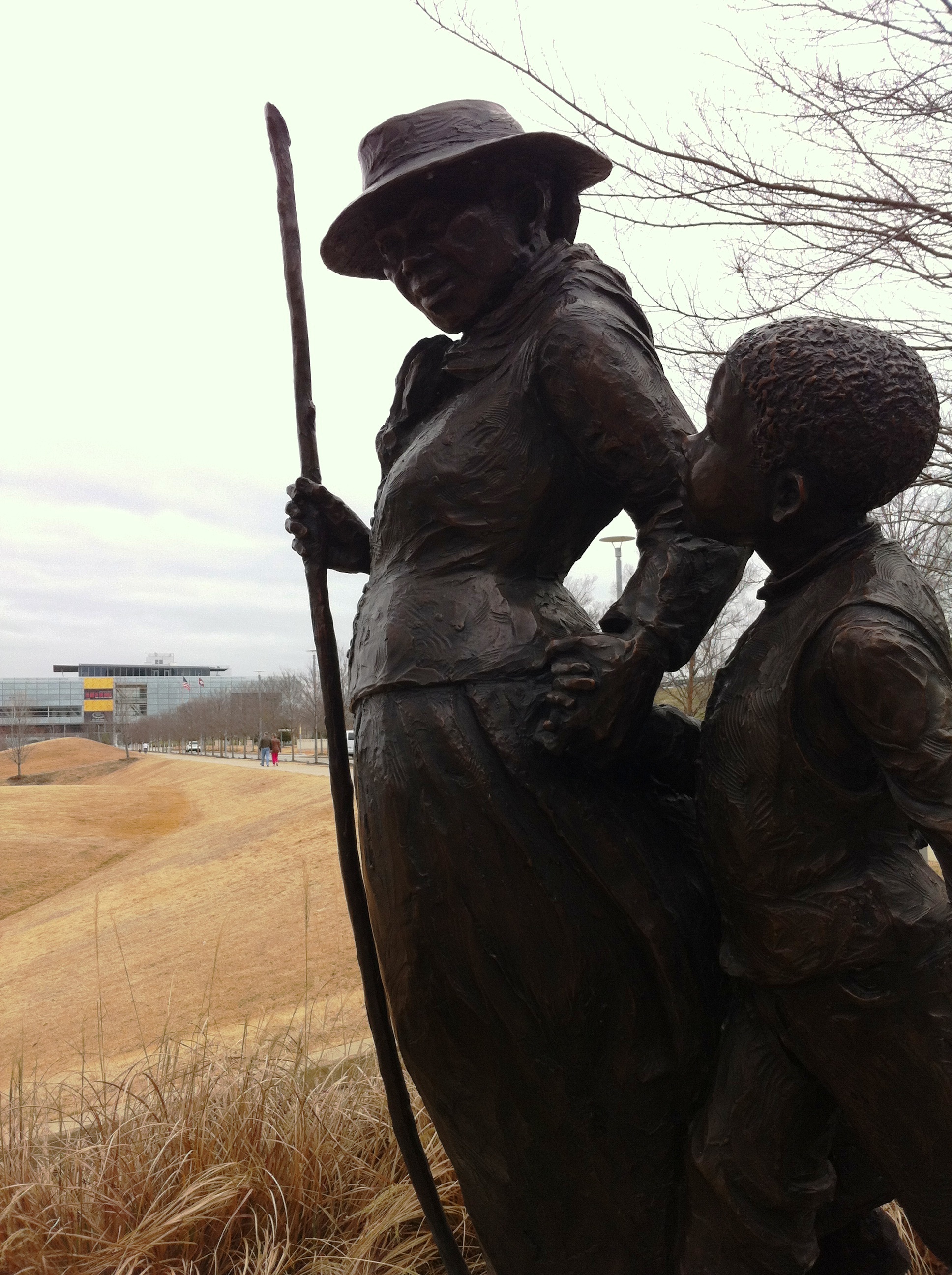
In preparation for the opening of the Clinton Library in 2004, a series of sculptures were placed which linked a walkway between the River Market and the Clinton Presidential Park.

One of these sculptures is entitled Harriet Tubman.  Since she was from the era of President Lincoln, it seems fitting to feature this sculpture on this, Lincoln’s birthday.

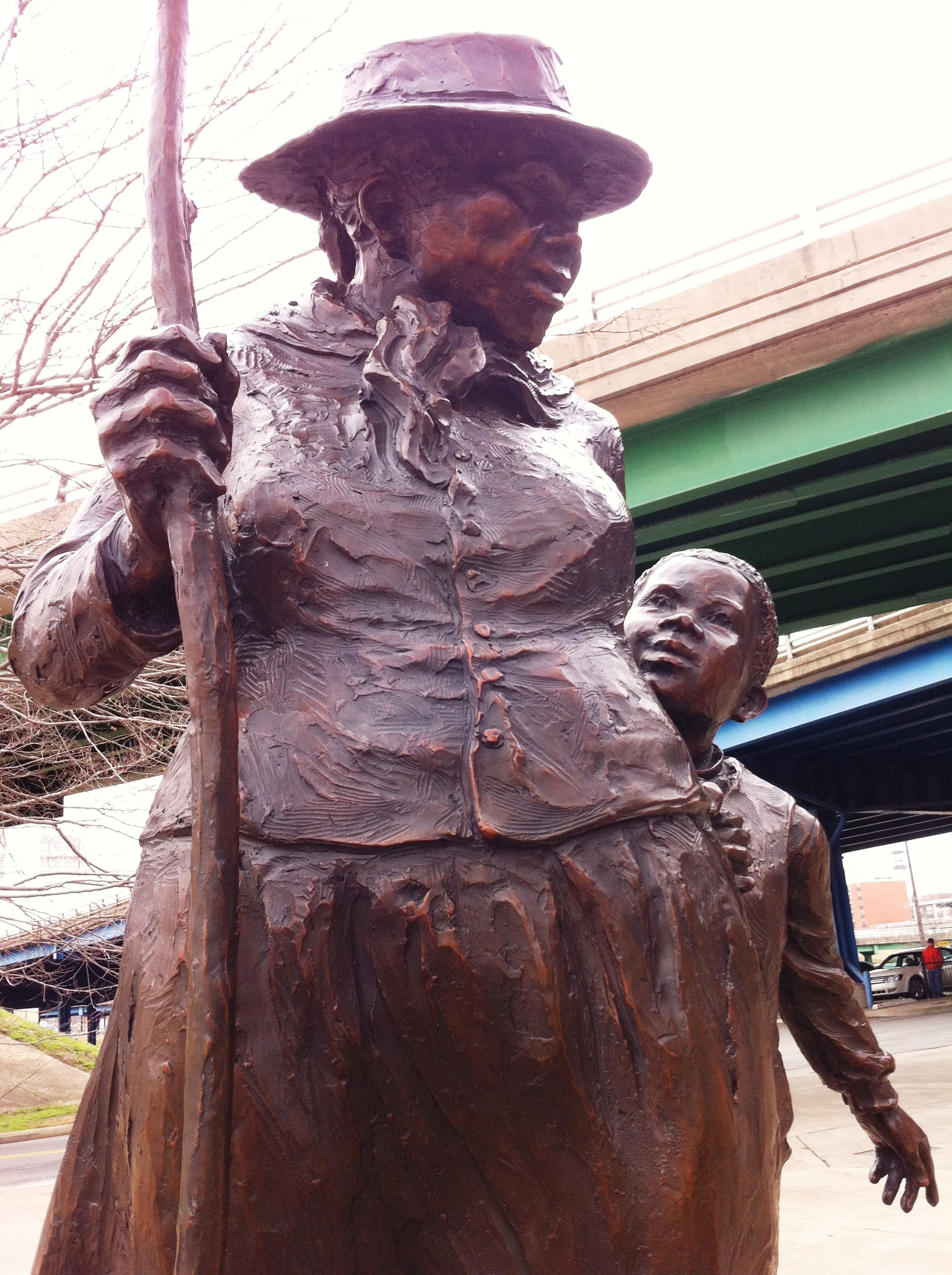
The bronze sculpture, by Jane DeDecker, depicts Miss Tubman grasping the hand of a young boy and leading him on a walk.  DeDecker captures both compassion and a steely determination in the features of Miss Tubman’s face.  The folds of their clothes indicate that they are on a journey.

Whether their walk is a part of the Underground Railroad or simply a walk along the path in post-war times is immaterial. Miss Tubman understood that there is always some form of oppression one must struggle against.

Etched into the base of the statue (and repeated on plaque on the pedestal) is a quote attributed to Miss Tubman.  “Children, if you are tired, keep going; if you’re hungry, keep going; if you’re scared, keep going. If you want a taste of freedom, keep going.”

The statue was originally located in Riverfront Park near the site of the current Game and Fish Nature Center.  It was relocated during the construction of that facility and now anchors the entrance to Clinton Presidential Park.  Harriet Tubman was a gift of Haskell and Peggy Dickinson to the City of Little Rock.

Little Rock History: 180 years of Little Rock

Last week (November 2) marked the 1835 incorporation of Little Rock as a City.  However, today marks the 180th anniversary of Little Rock first being incorporated as a town by the Arkansas Territorial Legislature.

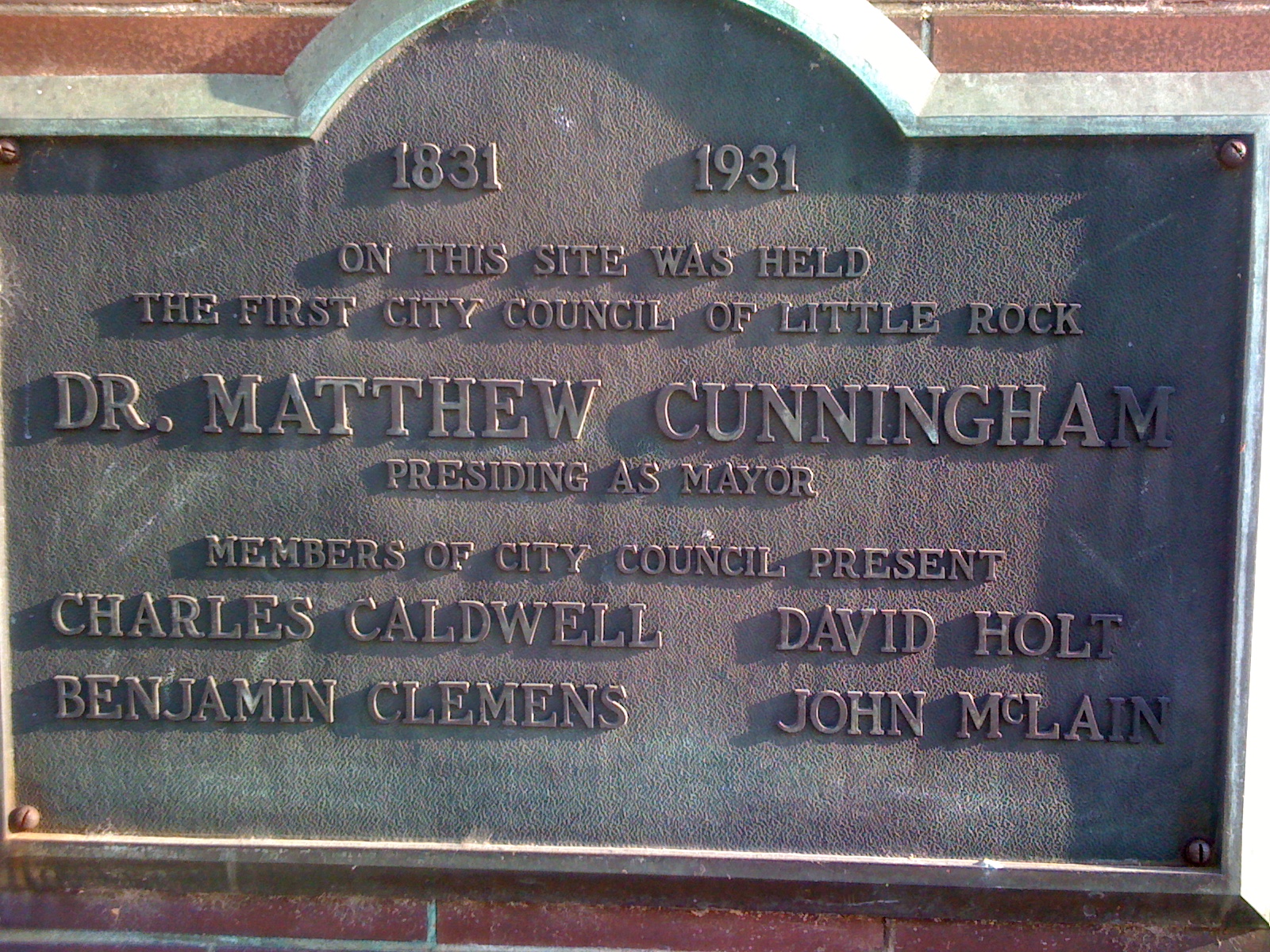
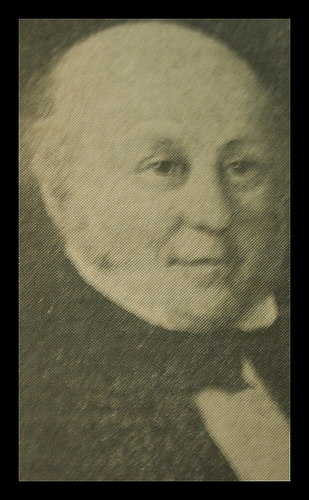
The first Mayor of the Town of Little Rock was Dr. Matthew Cunningham; he was elected January 2, 1832.  The first City Council meeting took place at his house.  In 1931, a plaque was installed at that site to mark the historic event. (Though it implies that the first city council meeting took place in 1831 not 1832.)

Bennett’s Military Supply is now located on the spot at what is now 3rd Street and Main Street.

Mayor Cunningham, MD

Prior to serving as the first Mayor, Dr. Cunningham had already made quite a few other “firsts” in Little Rock.  He was the first physician to take up residence in the settlement known as Little Rock arriving in February 1820.  His wife, soon joined and became the first female resident of Little Rock.  She had children from her first marriage, but after arriving in Little Rock, she and Dr. Cunningham had their first child together — Chester Cunningham, who became the first baby born in Little Rock.

Dr. Cunningham, Mrs. Cunningham and Chester Cunningham are buried next to each other in Mount Holly Cemetery.  Interestingly, Dr. Cunningham was involved in a 30 year land ownership dispute with Chester Ashley and Roswell Beebe who also donated the property on which Mount Holly sits.

Graves of Matthew Cunningham, Eliza Cunningham and Chester Cunningham

Arts & Humanities Month: Boo at the Zoo!

Boo at the Zoo is the largest family Halloween festival in Arkansas.  Now in its 20th year, Boo at the Zoo has become a family tradition.  Boo at the Zoo features trick-or-treating in a safe environment along with several amenities and attractions including: a hay maze, carnival rides, fair-style food & other concessions, the haunted train, a haunted house for older kids, a costume contest, magic show, Ghost Roast s’mores area, Frankenstein’s Dance Party, and much, much more.

Boo opened this year on October 20 and continues through Halloween night from 6pm to 9pm.

The Little Rock Zoo began modestly in 1926, with just two animals — an abandoned timber wolf and a circus-trained brown bear. Today, under the leadership of Mike Blakely, the Zoo includes more than 725 animals representing 200+ species, many on the endangered list. A recent addition is the Laura P. Nichols Penguin Pointe exhibit.

In addition to the many animals, there is the opportunity to eat at Café Africa and ride on the Arkansas Carousel, a one-of-a-kind Over-the-Jumps antique carousel that is the only fully operational carousel of its kind in the world.

Arts & Humanities Month: MacArthur Museum of Arkansas Military History

Located in the historic Arsenal Tower in MacArthur Park, the MacArthur Museum of Arkansas Military History honors the Arkansans who have served in the armed forces.  Exhibits feature artifacts, photographs, weapons, documents, uniforms and other military items that vividly portray Arkansas’s military history at home and abroad.

The exhibits include “Through the Camera’s Eye: The Allison Collection of World War II Photographs,” “Alger Cade Gun,” “By the President in the Name of Congress: Arkansas’ Medal of Honor Recipients,” “Camden Expedition,” “Conflict and Crisis: The MacArthur-Truman Controversy,” “David Owen Dodd,” “In Search of Pancho Villa: the Mexican Punitive Expedition of 1916,” “The Forgotten War: Arkansas and the Korean War,” “From Turbulence to Tranquility: The Little Rock Arsenal,” “The Sun Never Sets on the Mighty Jeep: The Jeep During World War II,” “War and Remembrance: The 1911 United Confederate Veterans Reunion, “The War to End All Wars: Arkansas Fights World War I.”

The newest exhibit is “A Splendid Little War: Arkansas and the Spanish-American War” which runs through April 2012.  It explores America’s role in the brief war with Spain over territory, the destruction of the “USS Maine” and the many Arkansans who volunteered for service during the war. On display are uniforms, weapons, a battle flag from the 2nd Arkansas Volunteer Infantry, memorabilia surrounding the war and many other artifacts used by Arkansans serving in the war.

The MacArthur Museum of Arkansas Military History is a museum of the City of Little Rock.  It is led by executive director Stephan McAteer who works with the MacArthur Military History Museum Commission.  The museum is open Tuesday through Friday from 9am to 4pm, Saturday from 10am to 4pm and Sunday from 1pm to 4pm.

Arts & Humanities Month: Mosaic Templars Cultural Center

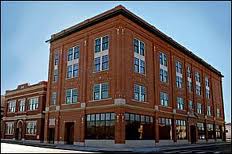
The newest museum of the Department of Arkansas Heritage, the Mosaic Templars Cultural Center is located at Ninth Street and Broadway in downtown Little Rock.  The Center is located in a site that was once the hub of Arkansas’ African American life and culture.

The Mosaic Templars Cultural Center The museum is dedicated to collecting, preserving, interpreting, and celebrating African American history, culture and community in Arkansas from 1870 to the present, and informs and educates the public about black achievements – especially in business, politics and the arts. Through special events, outreach and exhibits such as the Arkansas Black Hall of Fame, the museum celebrates Arkansas’s African American heritage.

Permanent exhibits include “A Building for the Community,” “A City within a City,” “Brotherhood and the Bottom Line,” “Entrepreneurial Spirit” and “African Americans in Arkansas.”  In addition, it currently features the exhibits “Soul Sanctuary: Images of the African American Worship Experience” and “Capturing Greatness.”

The roots of the Mosaic Templars Cultural Center date back to 1992 when a group of concerned citizens fought to save the Mosaic Templars of America Headquarters building from being demolished.  The building had been built in 1913 as one of what would eventually be a three-structure complex which was home to the Mosaic Templars of America organization.  In 1993, the City of Little Rock purchased the building in order to save it.  In 2001, the structure became property of the State of Arkansas and the fourth museum of the Department of Arkansas Heritage.

While renovation plans were underway in March 2005, a fire destroyed the historic structure. But the State, City and other supporters worked to ensure that the museum facility would be rebuilt.  Using the original design as inspiration, the new museum opened in September 2008.

The Mosaic Templars Cultural Center is opened Tuesday through Saturday from 9am to 5pm.