
 On March 18, 1947, Governor Ben T. Laney signed the bill into law which authorized the construction of War Memorial Stadium.
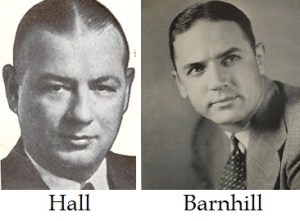
The plans for the stadium were the brainchild of Arkansas Secretary of State C.G. “Crip” Hall and University of Arkansas Athletic Director John Barnhill.
Apparently the Southwest Conference was threatening to kick Arkansas out because of an inadequate football facility. Since the University did not have the funds to build a new one on its campus, Barnhill and Hall decided that the state should build one. Many other states were building War Memorial facilities of a variety of natures. The duo decided that the new football facility could be a War Memorial Stadium to pay tribute to the men who died in the recently concluded World War II. While the stadium was touted as being of use to all colleges in the state and a variety of other types of activities, it was very much designed to be a home for the Arkansas Razorbacks.
Getting the stadium through the Arkansas General Assembly was not easy. The bill to create the stadium commission sailed through both houses. But even some who voted for it said they would oppose any funding bills. When time came to vote for the funding, the bill fell far short of the three-quarters vote that was needed in the House for an appropriation bill.
WWII veterans were on both sides of the issue. Some felt it was an appropriate way to honor those who died. Others felt it was a gimmick to get the stadium approved. Some of the opponents felt that a new state hospital for UAMS would be the more appropriate way to honor those who died during the war. The debates were often heated and personal.
Overnight a new bill was created. It would pay for the stadium through the issuing of bonds. In addition to the state issuing bonds, any city which wished to bid for it would have to put up money for it as well as provide land. This new bill would require only 51 votes to pass the House. It was able to pass that threshold. The Senate made a few amendments (mostly dealing with the composition of the stadium commission and the amount of dollars that the host city had to pledge). Finally the House agreed to the Senate amendments and it went to Governor Laney.
The next hurdle for the stadium was choosing a location. That process would occupy stadium proponents throughout the spring and summer of 1947.
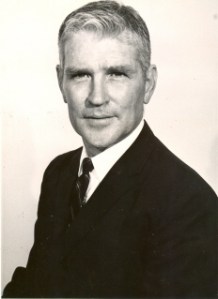 On March 4, 1924, Alexander M. “Sandy” Keith was born. He would serve as Little Rock’s sixty-third mayor in 1979.
 On February 3, 1920, future Little Rock Mayor George Wimberly was born in Star City. He served his country first in the Civilian Conservation Corps and later aboard a U.S. Naval Department hospital ship in the Pacific during World War II.
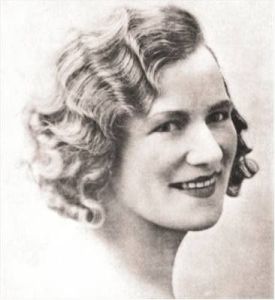 Opera star Marjorie Lawrence, CBE, was born in Australia, but spent the last two decades of her life in Arkansas. Her triumph over polio to return to the opera stage was the subject of the Oscar winning film Interrupted Melody.
 In August 1977, Oscar winner Gregory Peck appeared in Little Rock for the premiere of the film MacARTHUR. He played the general who had been born in Little Rock but who spent most of his life downplaying (or even denying) that fact.
 Following his second stint as mayor, Charles Moyer decided to not seek a fifth term leading Little Rock. It set the stage for the December 1944 Democratic primary. Alderman Sam Wassell and former Alderman Dan Sprick faced off in a particularly nasty race. As World War II was drawing to a close, there were charges leveled which questioned patriotism. With both men having service on the Little Rock City Council, there were also plenty of past votes on both sides which could become fodder for campaigns.
 On September 18, 1948, the Arkansas Razorbacks took on Abilene Christian and won the game by a score of 40 to 6. It was the first game of the season, and the Razorbacks went into the game ranked #13. They maintained that ranking for four weeks before falling out of national standings. The team ended up with a season record of five wins and five losses. Playing four of their games at War Memorial that season, they were two and two in Little Rock. They were one and two in Fayetteville and amassed a 2-1 record on the road.
 Little Rock Culture Vulture