
 On November 23, 1808, future Mayor Charles P. Bertrand was born in New York. He was the son of Pierre and Eliza Wilson Bertrand; his father died in 1809 in an uprising in Haiti and his mother eventually remarried. With her new husband, Dr. Matthew Cunningham, she and the family moved to Little Rock in 1820.
After apprenticing with family friend William Woodruff at the Arkansas Gazette, Bertrand opened the Arkansas Advocate newspaper. He later studied law under Robert Crittenden and entered the legal profession.
In 1835-1836, he served as State Treasurer for the Arkansas Territory, and in 1836 as secretary for the first constitutional convention. He was a member of the Arkansas House of Representatives from 1840-1841 and 1844-1849.
Bertrand followed in his stepfather’s footsteps and became Mayor of Little Rock. (Dr. Cunningham had been the first Little Rock Mayor in 1831.) He was in office from January 1855 through January 1857, serving two one-year terms. He later served on the City Council and filled in as acting mayor. (Another influence on his upbringing was studying under future Mayor Jesse Brown who taught at the first school in Little Rock.)

Bertrand, as acting mayor, was involved in the negotiations of the surrender of Little Rock to federal troops in 1863. He also later corresponded with President Lincoln on behalf of Little Rock citizens.
Though a staunch Confederate, his good will toward the Union soldiers and federal officials is credited with helping to save Little Rock from the destruction which befell many other Southern cities.
Bertrand is also credited with delaying the start of the Civil War. Prior to the attack on Fort Sumner, members of the Arkansas Militia were planning to attack the Federal Arsenal at Little Rock during the absence of Governor Rector. This would have been viewed as an act of war. Bertrand was able to dissuade them from the attack. Had he been unsuccessful, the Civil War would have likely started in Arkansas instead of South Carolina.
He had put his considerable fortune into Confederate money during the war. At the Civil War’s conclusion, the family was financially ruined. Though they had vast land holdings, those would be sold off in parcels to pay for taxes.
Bertrand died August 27, 1865, shortly after the conclusion of the Civil War. He, like his mother, step-father, and several other relatives, is buried in Mt. Holly Cemetery.

 53 years ago tonight, on November 15, 1966, Carol Channing opened a six day stint in HELLO, DOLLY! at Robinson Auditorium. She would play 8 sold out shows over those six days.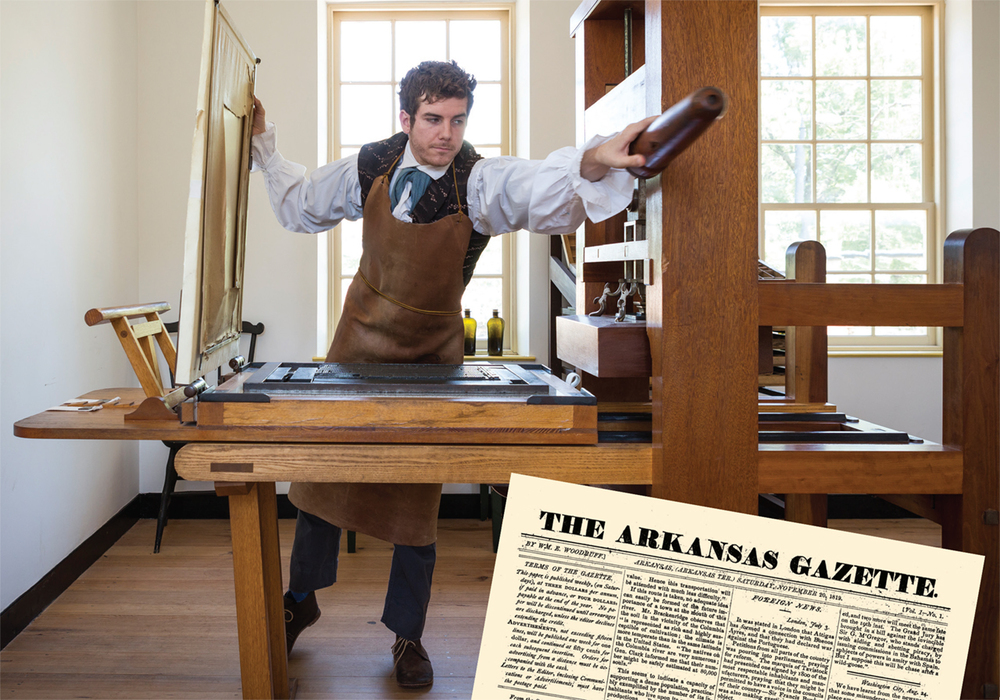
 On November 7, 1950, Little Rock voters approved the creation of the Little Rock Airport Commission. This was an extremely rare initiated ordinance.
 Adolphine Fletcher Terry was born on November 3, 1882 to former Little Rock Mayor John Gould Fletcher and his wife Adolphine Krause Fletcher.
 Little Rock Culture Vulture