Sandwich in History Friday at Emmett W. Jenkins House

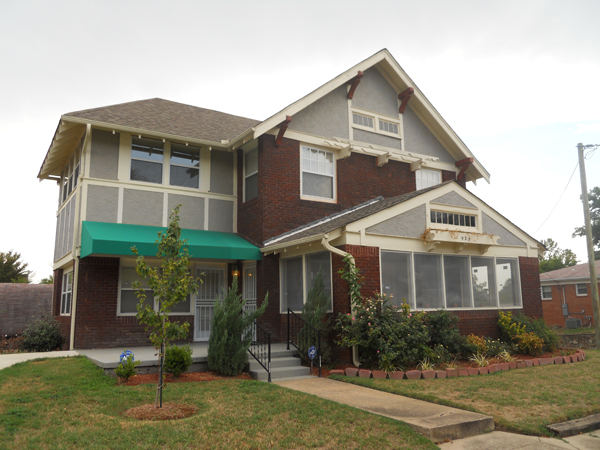
Emmett W. Jenkins House (photo courtesy of Arkansas Historic Preservation Program)

Emmett W. Jenkins House (photo courtesy of Arkansas Historic Preservation Program)

On Friday, August 2 at 12 noon, the Arkansas Historic Preservation Program’s monthly “Sandwiching in History” program will visit the Emmett W. Jenkins house.

Located at 923 W. 24th St. in the Governor’s Mansion Historic District, the Emmett W. Jenkins House was built about 1920.  It was constructed in the Craftsman style with exposed rafter tails, a front porch supported by square, brick columns, and mixed exterior materials.

The house was initially occupied by Emmett W. Jenkins, a contractor, and his wife, Sallie M. Jenkins. The home sustained considerable damage during the 1999 tornado that swept through downtown Little Rock. It was rehabilitated in 2009 and now serves as headquarters for the Ivy Foundation of Little Rock, which financially supports the community through the Beta Pi Omega Chapter of Alpha Kappa Alpha Sorority.

The “Sandwiching in History” program is a series of tours that seeks to familiarize people who live and work in central Arkansas with the historic structures and sites around us. The tours take place on Fridays at noon, last less than an hour, and participants are encouraged to bring their lunches so that they can eat while listening to a brief lecture about the property and its history before proceeding on a short tour. A representative from the property is encouraged to attend also and address the group.

The tours are organized by the Arkansas Historic Preservation Program, an agency of the Department of Arkansas Heritage. All tours are free and open to the public.
Sandwiching in History: Villa Marre

villamarreToday at 12 noon, the Arkansas Historic Preservation Program’s monthly “Sandwiching in History” program will visit the Villa Marre.

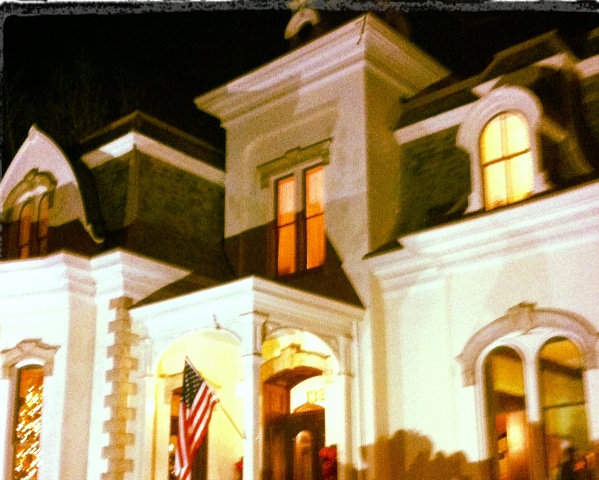
The Villa Marre is located at 1321 Scott Street. The Second Empire-style Villa Marre was built in 1881 by Italian immigrant and Little Rock saloonkeeper Angelo Marre, who also served on the Little Rock City Council.

The distinctive home features a mansard roof covered in patterned slate, a central tower topped by wrought-iron cresting, and hood molding above the doors and windows. Marre died in 1889, and his widow, Jennie, remained in the house until about 1900. Arkansas Governor Jeff Davis rented the house for a few years, and in 1905, the home was purchased by E. B. Kinsworthy, former state senator and attorney general of Arkansas.

It is probably most famous today for being the outdoor exterior of Sugarbakers design firm in the CBS sitcom “Designing Women.”  For several years, it was the home of the Quapaw Quarter Association. It later returned to a private residence.  Currently it is a rentable venue for weddings and other events.

The “Sandwiching In History” program is a series of tours that seeks to familiarize people who live and work in central Arkansas with the historic structures and sites around us. The tours take place on Fridays at noon, last less than an hour, and participants are encouraged to bring their lunches so that they can eat while listening to a brief lecture about the property and its history before proceeding on a short tour. A representative from the property is encouraged to attend also and address the group.

The tours are organized by the Arkansas Historic Preservation Program, an agency of the Department of Arkansas Heritage. All tours are free and open to the public.


May 14 Architeaser

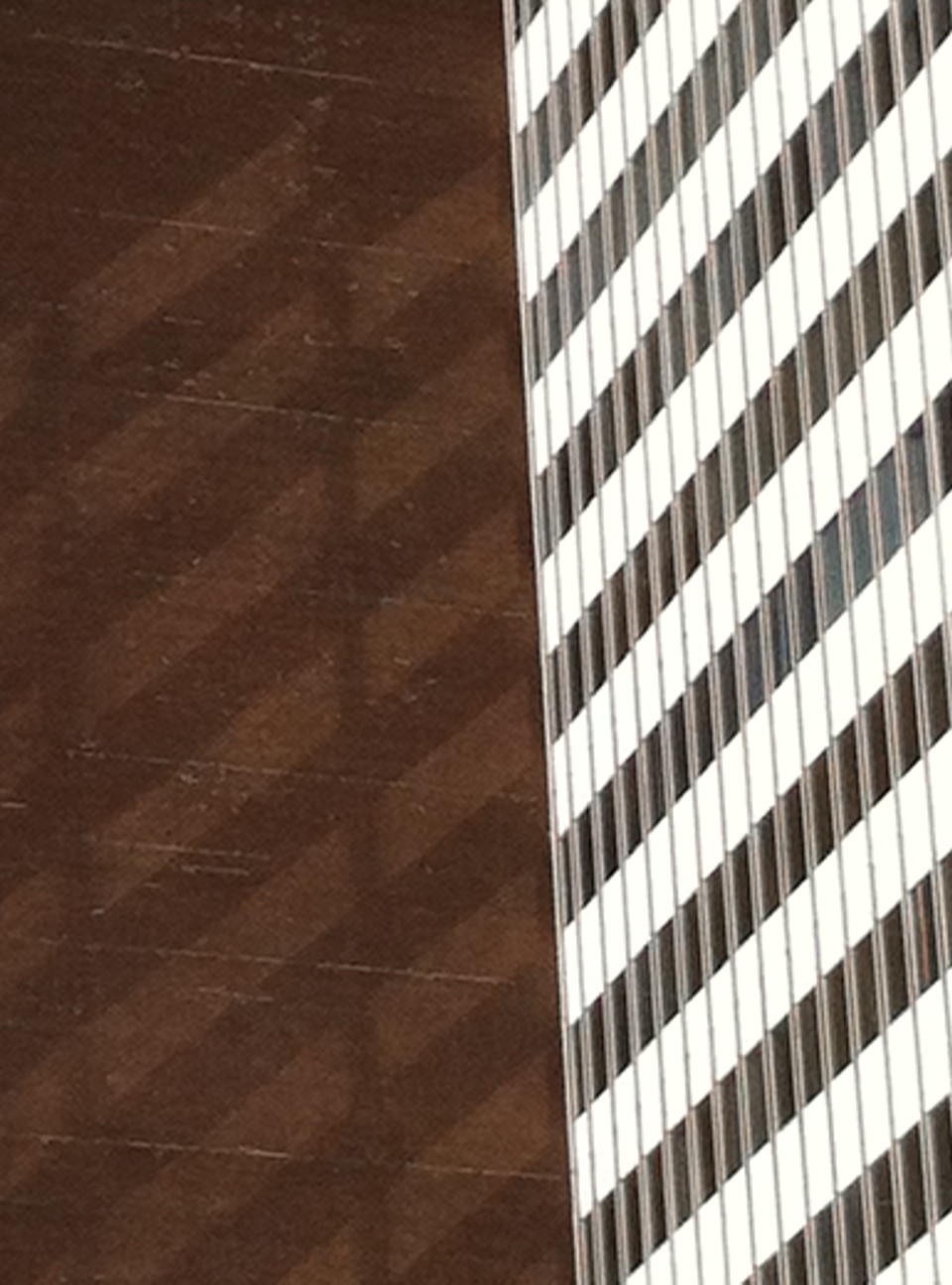
towerNot only is the Catlett-Prien Tower Building a great example of the International school of architecture, it is also home to the Department of Arkansas Heritage and several of its agencies, including the Arkansas Historic Preservation Program.  Because of this, it is today’s Architeaser feature (as part of Arkansas Heritage Month).  It is also home to the non-profit Historic Preservation Alliance of Arkansas.

The Tower Building was designed by Dallas architect Harold A. Berry in collaboration with Little Rock architect Frank Eugene Withrow. The Tower Building was Withrow’s first big project.  The building was the brainchild of future Arkansas Governor Winthrop Rockefeller.

Construction of the Tower Building began in 1958 and finished in 1960 for a cost of $4 million.  At 18 stories, it would be Little Rock’s tallest building from 1960 until 1968 when the Union Bank Building was completed.


Mark Christ to receive Booker Worthen Literary Prize

christ_markAs one of the most fertile regions in the South, the Arkansas River Valley was highly contested territory during the Civil War. While the Siege on Vicksburg raged, equally important battles were fought here in Arkansas. This struggle is the topic of Mark Christ’s nonfiction work, Civil War Arkansas 1863, which has been selected to receive the 2013 Booker Worthen Literary Prize, awarded by the Central Arkansas Library System (CALS).
Christ, community outreach director for the Arkansas Historic Preservation Program, has edited a number of books and articles about Civil War events in Arkansas. He is a member of the Arkansas Civil War Sesquicentennial Commission, serves as chairman of the board of directors of the Arkansas Humanities Council, and is a member of the board of trustees of the Arkansas Historical Association. Christ recently received the 2013 State Preservation Leadership Award from the Civil War Trust, the largest nonprofit battlefield preservation organization in the United States.
The Worthen Prize is awarded each year to an author living in the CALS’s service area whose work is highly regarded. It is named for Booker Worthen, who served twenty-two years on CALS’s board of trustees. The Worthen Prize will be presented to Christ at CALS’s annual event, “A Prized Evening,” which also features presentation of the Porter Prize. “A Prized Evening” will be held in October 2013; an exact date will be announced later this year.

May is Arkansas Heritage Month

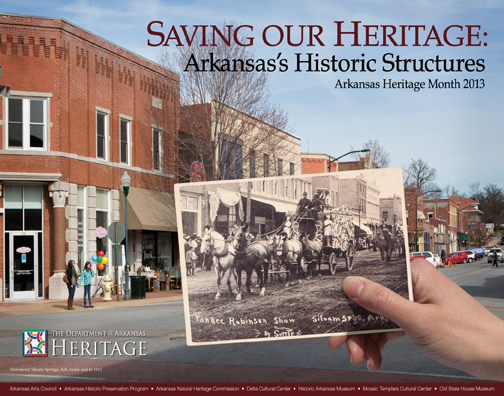
HM 2013This year’s theme is: Saving our Heritage: Arkansas’s Historic Structures.

Arkansas is fortunate to have preserved so many historic structures. Homes, businesses, churches, bridges, courthouses, banks, log cabins and even entire historic districts have been preserved and protected. But there may be structures in your town that need attention and resources so they can be saved.

A wealth of assistance is available through the Arkansas Historic Preservation Program to help save important places in Arkansas, including educational materials, federal tax credit program information, and technical resources to name just a few.

From local museums and historical societies to private homes and businesses, preserving our past is something Arkansas does well.

For more information, visit the Department of Arkansas Heritage at www.arkansasheritage.com.

Sandwiching in History at St. John’s Seminary today

Today the Sandwiching in History program visits the St. John’s Seminary, located at 2500 N. Tyler Street.  Sandwiching in History is sponsored by the Arkansas Historic Preservation Program.

StJohn3This campus was built in 1916 to house Little Rock College for Boys until it closed in 1929. From 1930 until it closed in 1967 St. John Home Mission Seminary was located at this site.

In 1968, the campus was renamed St. John Catholic Center when it became the home of the Diocese of Little Rock offices. Today it also serves as a retreat center and residence for retired diocesan priests.

The “Sandwiching In History program is a series of tours that seeks to familiarize people who live and work in central Arkansas with the historic structures and sites around us. The tours take place on Fridays at noon, last less than an hour, and participants are encouraged to bring their lunches so that they can eat while listening to a brief lecture about the property and its history before proceeding on a short tour.

The Arkansas Historic Preservation Program is an agency of the Department of Arkansas Heritage.

Sandwiching in History at Capital Hotel today

Capital Hotel frontThe Arkansas Historic Preservation Program’s “Sandwiching in History” program pays a visit this month to a location which is accustomed to receiving visitors — The Capital Hotel.

Built in 1872-1873 by businessman William P. Denckla, the Denckla Block, as it was then called, housed various shops on the first floor with offices and gentlemen’s apartments on the upper floors. The building featured a distinctive cast-iron façade with a projecting cornice, arched window openings, and engaged columns with Corinthian capitals. In 1877 the Denckla Block was converted into an hotel and quickly became the center of political and social activity in Little Rock. Over the years the building has been expanded upward and southward.

By the late 1960s, it fell into disrepair.  But through two extensive renovations, the Capital Hotel has been restored to its original beauty and continues to provide luxury accommodations in the capital city.

The “Sandwiching In History” program is a series of tours that seeks to familiarize people who live and work in central Arkansas with the historic structures and sites around us. The tours take place on Fridays at noon, last less than an hour, and participants are encouraged to bring their lunches so that they can eat while listening to a brief lecture about the property and its history before proceeding on a short tour.

The Arkansas Historic Preservation Program is an agency of the Department of Arkansas Heritage.