Little Rock lost several cultural luminaries in 2014. Some were practitioners, others were volunteers and donors. All were passionate about the role the arts and culture play in not only everyday lives, but in making a city great.
While there are doubtless omissions to this list, these 14 are representative of the loss in 2014 but also the rich cultural legacy of the Little Rock area. They are presented in alphabetical order.
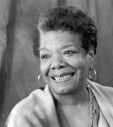 Though never a Little Rock resident, Maya Angelou is linked to the City’s cultural life. Throughout her career, she would make appearances in Little Rock at a variety of venues. As an actress, dancer, poet and professor, she lived life to the fullest and encouraged others to do likewise.
 Jeff Baskin was more than a librarian in North Little Rock. He was a religious scholar, an actor, and an appreciator of many art forms. He was a regular fixture at cultural events on both sides of the Arkansas River. With his sly smile and quick wit, he put others at ease. His charm was disarming and his circle of friends was boundless.
 Attorney, banker, historian, author, Dean, advisor, raconteur. This was Bill Bowen. And so much more. He helped build Little Rock and Arkansas into modern entities. As such, he realized the value of arts and culture to the big picture. He was not only generous with money, he was generous with wise advice.
 T.C. Edwards was far more than the lead singer of TC and The Eddies, TC and The Ponies and The Piranhas. One of the most familiar faces in the Little Rock music scene over the last 25 years, he was an icon. Much more could be said about him, but he’d prefer the music just keep playing.
 Broadway star Lawrence Hamilton. After conquering the Great White Way, he conquered the Rock. Whether with the Philander Smith College Choir, the Arkansas Rep, Arkansas Symphony, surprising Governor Beebe, or at an event, Lawrence was a consummate performer and warm and welcoming individual.
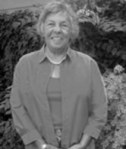 Anne Hickman was ever-present at the Arkansas Arts Center. For over forty years she gave time and money to make sure this museum could fulfill its mission. Her generous smile and ebullience were also part and parcel of many Arts Center events. In recognition of her dedication, she received the Arts Center’s Winthrop Rockefeller Award in 2008.
 Gerald Johnson was a tenor saxophone player and Little Rock music scene mainstay. Whether headlining a concert or as a side man in a recording session, he brought the same level of cool excellence to his playing. He also mentored younger musicians and worked to instill love of music in many generations.
 Warren Law lit up Little Rock. For nearly three decades he was lighting designer and a teacher at UALR. He designed the lighting for many Ballet Arkansas, Murry’s Dinner Playhouse and Arkansas Arts Center productions as well. At the time of his death, he was the lighting designer for Robinson Auditorium and the Little Rock School District.
 Barbara Patty was a force of nature, especially when it came to support of music and art. As a singer, master gardener at museums, Arkansas Symphony Orchestra volunteer and board member, Arts Center docent, Aesthetic Club president, and general lover of the arts, she not only enjoyed the arts, she was a mentor and encourager of arts patrons and practitioners.
 Banker Edward M. Penick served on the Arkansas Arts Center Board of Trustees. As a longtime leader at Worthen Bank, he was instrumental in helping establish many nascent cultural institutions such as the Arts Center, Arkansas Symphony and Arkansas Rep as they were getting established in the 1960s and 1970s.
 Theresa Quick, or “T,” was a founding member of the Arkansas Rep. She spent over three decades on stage as an actress. She also was a teacher and mentor. In addition to usually stealing the show when she appeared at the Rep, she shone at Murry’s, the Arts Center and countless radio commercials.
 Kay Terry Spencer enjoyed being on stage, but also enjoyed volunteering to make sure others had the opportunities to shine in their artistic talents. After moving to Little Rock, she spent countless hours as a volunteer at the Arkansas Arts Center, Arkansas Symphony Orchestra and with the Fine Arts Club.
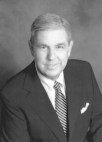 Bill Trice. That name is synonymous with the arts in Little Rock. He was an actor, director, dancer, singer, teacher, student and mentor. From small blackboxes to large halls, bars to churches, his smile and talents left their mark. He was an expert attorney too. And a lover of music (all types), politics (Democratic), and his exceptionally talented family.
 Caroline “Polly” Murphy Keller Winter embraced the arts as she embraced all aspects of life – fully and without reservation. She served as board chair for the Arkansas Symphony and established the ASO endowment, which continues to grow. She was an active supporter of the arts in Little Rock, south Arkansas and other states.

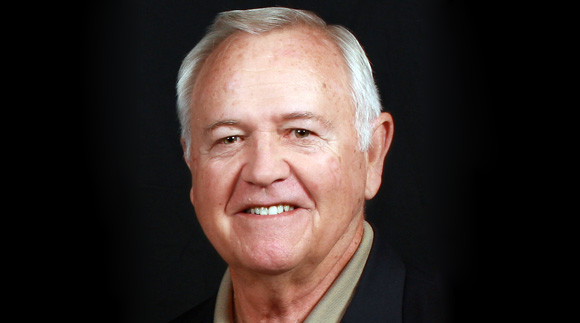 Former Congressman Ed Bethune’s diverse career has included service in the Marine Corps, as a special agent in the FBI, and as a prosecuting attorney.









 Little Rock Culture Vulture