 University of Arkansas at Little Rock Chancellor Joel E. Anderson announced today that he will retire following a 13-year tenure as chancellor and a 45-year career at the university. His retirement will be effective June 30, 2016.
Anderson became UALR chancellor in 2003, bringing with him more than 30 years of university and community service. He had previously served UALR as provost and vice chancellor for Academic Affairs and as founding dean of the Graduate School.
Chancellor Anderson’s announcement comes on the heels of a 1.2 percent increase in enrollment at UALR, including a 19 percent increase in first-time college students and a 7.1 percent increase in first-time transfer students.
“It has been a tremendous pleasure to see UALR grow and mature into the excellent, comprehensive university that it has become,” said Chancellor Anderson. “The faculty and staff of UALR deserve more credit than they will ever receive for their tireless efforts to help students achieve the dream of a college education that will enable students to adjust to a changing future and support themselves and their families.”
University of Arkansas System President, Donald R. Bobbitt will form a search committee in the coming weeks with the goal to complete the search by July 1, 2016.
One of the achievements he was most passionate about was the founding in 2011 of the Institute on Race and Ethnicity, a center designed to move Arkansas forward on the broad front of racial and ethnic justice through education, research, dialogue, community events, and reconciliation initiatives.
As professor, dean, provost, and chancellor, Anderson always related success of the university to success of the students UALR served. As chancellor, he launched numerous initiatives to recruit and retain more students and to reach out to underserved student populations. His signature is on more than 26,836 diplomas and the university’s fall-to-fall retention rate is the highest it has ever been.
“Joel is a true gentleman who cares about the university more than himself”, said Dr. Dean Kumpuris, chair of the UALR Board Visitors. “He has no ego and has sought our advice and support more than he probably had to,” “His primary goal has been to shepherd the university to a better place, which he has done. We are lucky to have had him as a leader for so many years.”
Anderson, who grew up on a farm east of Swifton in northeast Arkansas, received a BA degree in political science from Harding University, an MA degree in international relations from American University, and a Ph.D. in political science from the University of Michigan. He also completed the Institute for Educational Management at Harvard University.
“The university has good momentum. I need time to catch up on a backlog of books and also to see my grandchildren more often,” Anderson said. “All the while I will watch with pride as UALR grows and changes.”
Highlights of his service as chancellor include:
- The Windgate Charitable Foundation awarded UALR a grant of $20.3 million for a new Visual Arts and Applied Design center.
-
Since 2003, UALR has purchased the University Plaza shopping center which is now home of KUAR-KLRE Public Radio as well as the current home of the applied design center.
-
As part of the Coleman Creek Greenway project, the Trail of Tears Park was completed in 2011 to recognize the historical significance of the location on the south end of campus where the Choctaw and Chickasaw tribes stopped for water along Coleman Creek.
- Establishment of a Dance major, the only one in the state, within the Department of Theatre Arts and Dance.
-
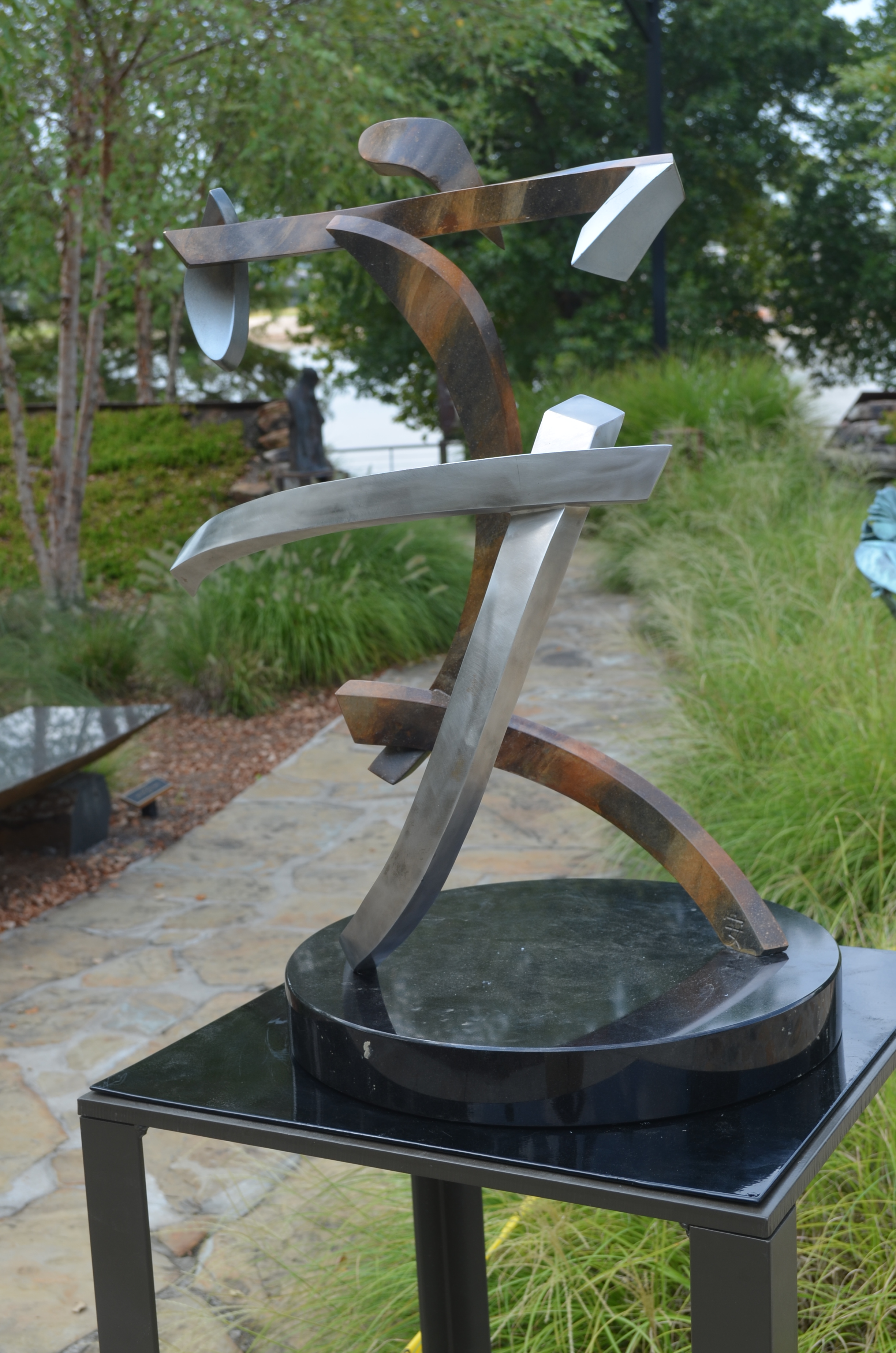
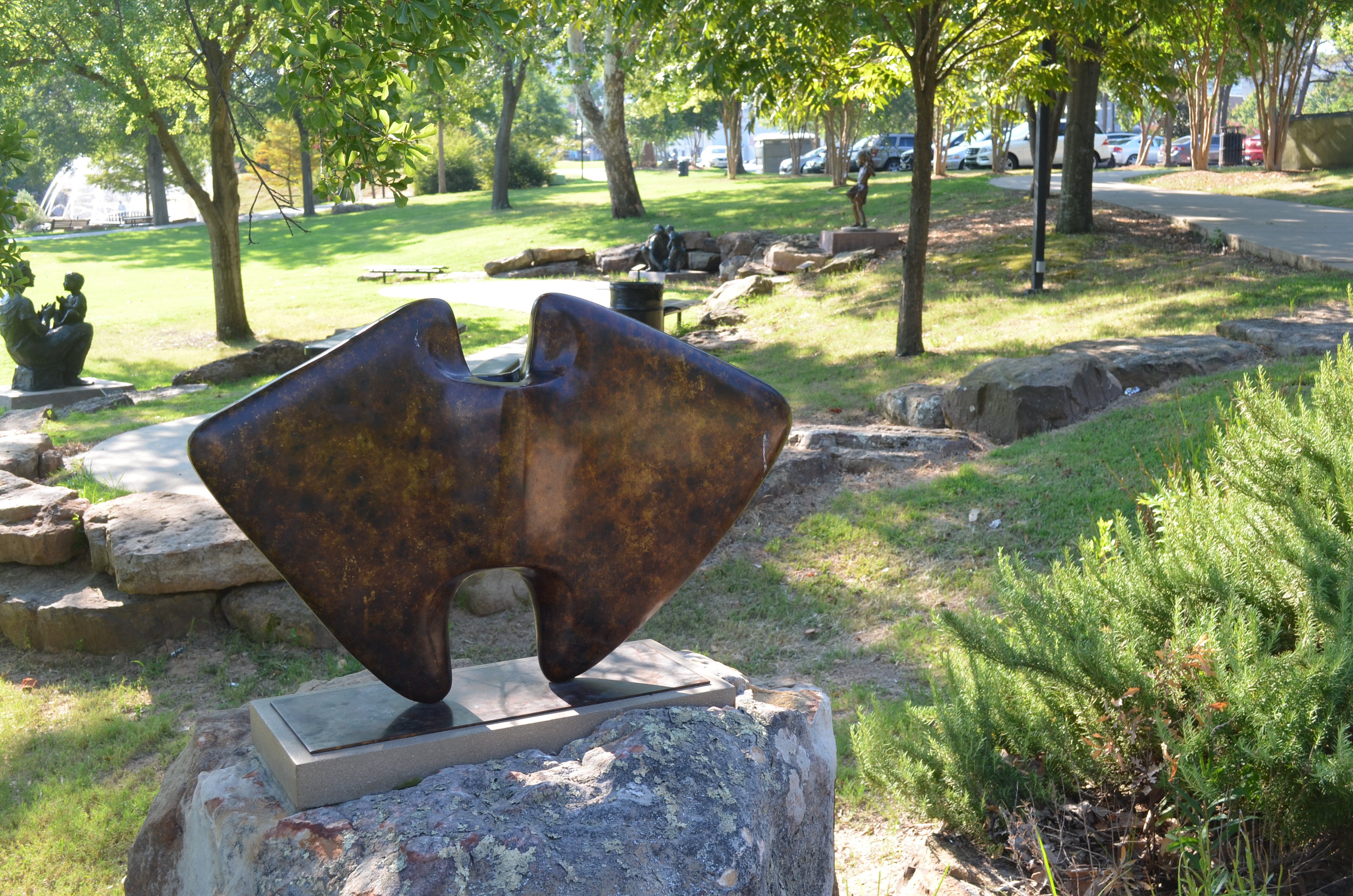
Much of the campus’s infrastructure has undergone substantial renovations including the Stella Boyle Smith Concert Hall. Likewise, there has been an added emphasis on the promotion and maintenance of public art on campus.
-
Chancellor Anderson served as a “Scholar in Residence” in 2010 at the Center on Community Philanthropy at the Clinton School for his work on issues of race and ethnicity.
-
Dr. Anderson launched the Institute on Race and Ethnicity in 2011 to move Arkansas forward on the broad front of racial and ethnic justice through education, research, dialogue, community events, and reconciliation initiatives. One of their projects has been the annual Civil Rights Heritage Trail installation.
-
In 2015, as part of its 40th anniversary celebration, the Winthrop Rockefeller Foundation honored Chancellor Anderson as one of 40 Community Leaders in the categories of community, education, nonprofits, and prosperity.

 Labor Day celebrates a time to take a break from work and relax. Today’s Sculpture Vulture showcases John Deering’s sculpture of Rick Redden which depicts the visionary architect doing just that.
 Haskew notes that in creating the piece he wanted “to show the ritual used by a couple to renew their commitment to one another, then using many colors or people and different conversations between different genders it shows society ability to sit down and converse with one another.”



 Little Rock Culture Vulture