

Photos from the collection of the Butler Center
Adolphine Fletcher Terry was born on November 3, 1882 to former Little Rock Mayor John Gould Fletcher and his wife Adolphine Krause Fletcher.
Raised in Little Rock, in 1889 she moved into the Albert Pike House on East 7th Street, when her aunt transferred the title to her father. That house would be her primary residence the rest of her life. Her sister Mary Fletcher Drennan never lived in Arkansas as an adult after marriage. Her brother John Gould Fletcher spent much of his adulthood in Europe before returning to Little Rock and establishing his own house, Johnswood.
At age 15, Adolphine attended Vassar. She later credited that experience as broadening her views on many issues. After graduating at age 19, she returned to Little Rock. Her parents both died prior to her 1910 wedding to David D. Terry, which took place at what was then known as the Pike-Fletcher House (and today is known as the Pike-Fletcher-Terry House).
She is perhaps best known today for establishing the Women’s Emergency Committee in 1958 and for her subsequent deeding of the family house to the City for use by the Arkansas Arts Center. But her entire life was based on civic engagement.
She was instrumental in establishing the first juvenile court system in Arkansas and helped form the first school improvement association in the state. She was long an advocate for libraries, serving 40 years on the Little Rock public library board. Through her leadership, the library opened its doors to African Americans in the early 1950s. Today a branch of the Central Arkansas Library System (the successor the Little Rock public library) is named after her. Another branch is named after her Pulitzer Prize winning brother.
Adolphine formed the Little Rock chapter of the American Association of University Women, the Pulaski County tuberculosis association and the Community Chest.
In 1958, when the Little Rock public high schools were closed instead of allowing them to be desegregated again, she called Harry Ashmore the editor of the Gazette and exclaimed, “the men have failed us…it’s time to call out the women.” With this, she formed the Women’s Emergency Committee to Open Our Schools. This group played a major role in getting the four high schools open the following year.
From 1933 to 1942, David Terry served in the U.S. Congress. During that time, Adolphine alternated her time between Washington DC and Little Rock. But she spent much time in Little Rock raising her five children.
After her husband’s death in 1963, she continued to remain active in civic affairs. In the 1960’s, she and her sister deeded the Pike-Fletcher-Terry House to the City of Little Rock for use by the Arkansas Arts Center upon both their deaths. Following Adolphine Fletcher Terry’s death in 1976, Mary turned over the title to the City.
Adolphine Fletcher Terry is buried in Mount Holly Cemetery alongside her husband. Three of her children are also buried in that plot. Her parents and brother are buried in a nearby plot.
Her granddaughters and their families carry on Adolphine Fletcher Terry’s commitment to making Little Rock better.
 Through their social media campaign #5WomenArtists, the National Museum of Women in the Arts (NMWA) asks, “Can you name five women artists?
 Future Little Rock Mayor John Gould Fletcher was born on January 6 in 1831. He was a mayor and civic leader at a crucial time in Little Rock’s 19th century life. But his lasting legacy is probably more his remarkable children, grandchildren, great-grandchildren, and great-great-grandchildren. (Undoubtedly his great-great-great-grandchildren will be equally remarkable.)
 On Sunday, September 16, 2018, the Clinton School of Public Service in conjunction with the CALS Butler Center for Arkansas Studies screened the documentary “The Giants Wore White Gloves” at the Ron Robinson Theater.
 The regularly scheduled Little Rock School Board election of 1958 took place on Saturday, December 6 of that year. While other school boards throughout the state generally had just their regular two positions on the ballot that day, Little Rock had a unique situation with all six seats being open.
 Adolphine Fletcher Terry was born on November 3, 1882 to former Little Rock Mayor John Gould Fletcher and his wife Adolphine Krause Fletcher.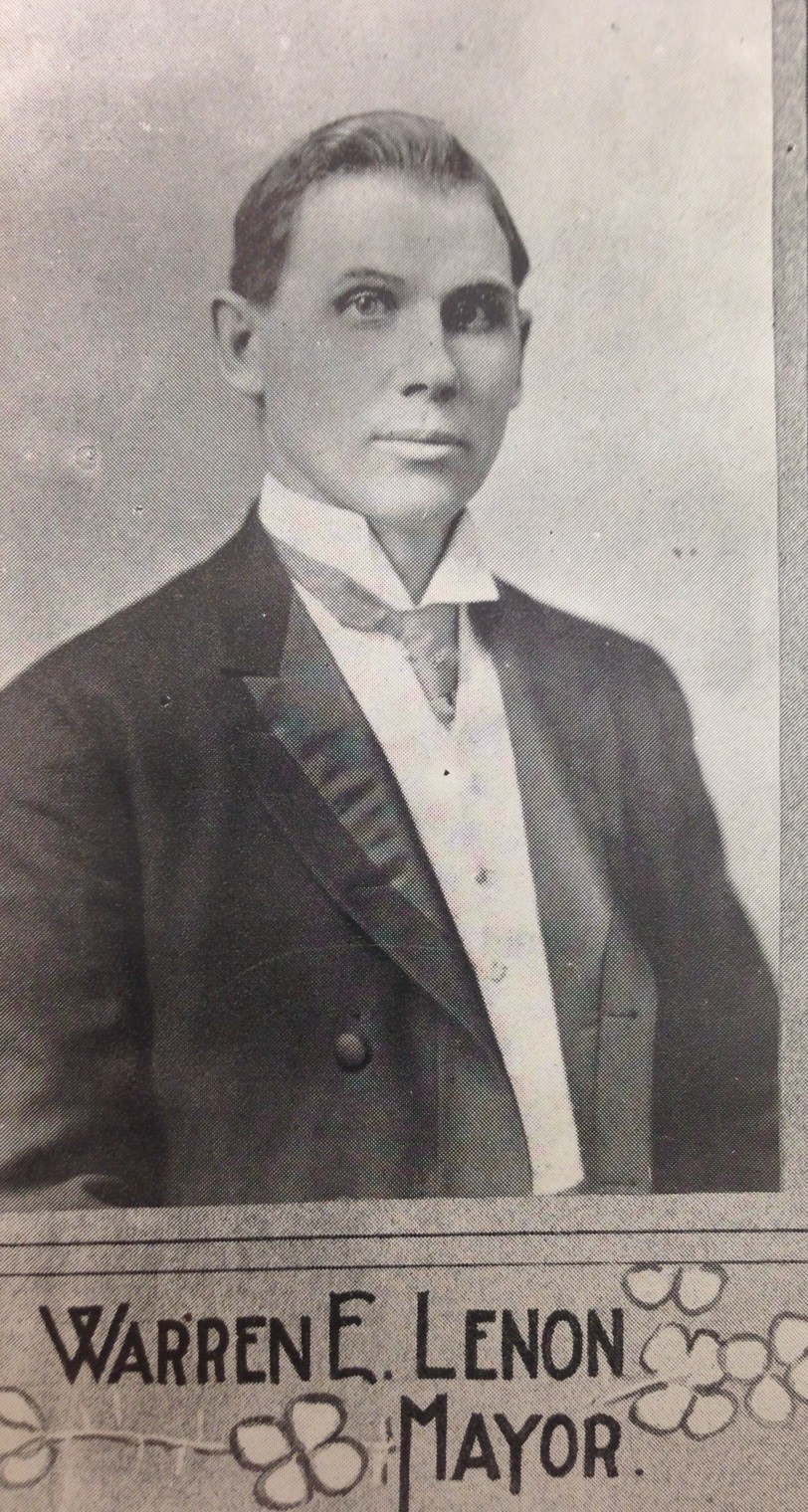
 Little Rock Culture Vulture