Dine with the Dead at the RIP Mount Holly Picnic This Evening

MtHollyMount Holly Cemetery is like an aging, but gracious Southern lady. She is in need of ongoing maintenance! Funds raised at the picnic will help maintain this historic landmark. Visitors will walk in Little Rock’s historical footsteps at the 9th Annual Mount Holly Cemetery Picnic. The Mt. Holly Committee calls this event Rest in Perpetuity. The Culture Vulture lovingly refers to it as Dining with the Dead.

Festivities will include:

  • Appetizers
  • Dinner
  • Wine
  • Turn of the century picnic “delicacies”
  • Live music by the Quapaw Brass Quintet
  • Silent auction of tours, elegant dinner parties and opportunities for exclusive events at Mount Holly Cemetery and many other items.

Guests will have the opportunity to join in a historic tour of the cemetery, featuring famous and infamous residents of Mount Holly Cemetery or guests can enjoy a naturalist tour!

This is the annual fundraiser to raise funds to maintain this historic landmark.
Tickets are $75.00 for adults, $25.00 for children under 12.

In case of rain, the event will be moved to Trinity Cathedral.

Dating to 1843, but with grave sites that date much earlier, Mount Holly is a “living and breathing” historical treasure in the heart of Little Rock’s Historic District. Interred within the rock walls of Mount Holly are 11 state governors, 15 state Supreme Court justices, four Confederate generals, seven United States senators and 22 Little Rock mayors, two Pulitzer Prize recipients, as well as doctors, attorneys, prominent families and military heroes. Also included are Eliza Cunningham, the first female resident of Little Rock (who later became the first First Lady of Little Rock) and her son Charles, who was the first baby born in Little Rock. There are veterans from all wars: Revolutionary, War of 1812, Mexican, Civil War, Spanish-American, World War I and II, Korean, Vietnam and Desert Storm.

Little Rock Look Back: Police Chief George Counts

Little_Rock_PatchThis afternoon at 2pm, a ceremony will be held at Mount Holly Cemetery to commemorate the installation of a grave marker for former Little Rock Police Chief George A. Counts.

Chief Counts died in 1884 at the age of 35 years old.  For 130 years his grave has been unmarked.  Thanks to his Great-Grandson, Jim Counts, LR Chief of Police, Stuart Thomas and the Little Rock Police Department, his grave is now marked.

According to Police Department records, Chief Counts was the first chief of a full-time paid police force in 1874. He only served briefly at that time.  Then, in 1878, he was again elected Police Chief by the City Council.  His name was placed in nomination by City Councilman Isaac Gillam, who was one of Republican African Americans serving on the City Council at the time.  There were three candidates. In addition to Counts, the other two candidates were then-current Chief Joseph Plunkett and a gentleman named Tom Scott.

The first vote was five for Counts, five for Plunkett and one for Scott. This vote total continued for each of the 103 ballots that took place. Finally, on the 104th ballot, Alderman Dick Lewis (who had been the sole vote for Mr. Scott) changed his vote to former Chief Counts. This made Chief Counts again the Police Chief.  He served from 1878 until 1883 when he resigned due to health reasons.

Little Rock Look Back: John Herndon Hollis

John Herndon HollisOn February 5, 1870, future Little Rock alderman and acting mayor John Herndon Hollis was born shortly before his family moved to what is now Cleveland County. His parents were originally from Georgia and came from prosperous and longtime families there.

The Hollis family came to Arkansas after the Civil War and settled in Union County. A portion of that county was carved off and became Dorsey County (named after a Republican US Senator from Arkansas) but was renamed Cleveland County after Grover Cleveland was elected President. Cleveland was the first Democrat to be elected President in over 20 years. This name change also reflected the political shift in Arkansas from the Reconstruction-led Republican politics to the Democratic Party politics which would dominate for the next century.

John Herndon Hollis was one of six children, and the only one with a middle name. Herndon had been his mother’s maiden name. As one of his brothers described their childhood in Cleveland County, “they all went to country schools in their home neighborhood, worked hard on the farm in the summertime, and were inside their little Methodist Church every time the doors were open.”

Around 1900, Hollis and his new wife Malinda M. “Linda” Taliaferro Hollis (formerly of Rison) moved to Little Rock.  Together the couple had six children. In Little Rock, Hollis worked in the banking industry. For years he worked for People’s Building and Loan Association.

Hollis was first elected to the Little Rock City Council in April 1904. He would serve as one of the Aldermen from the city’s Fourth Ward until April 1918.  This was on the western border of Little Rock at the time. The family lived at 1510 S. Schiller, which is one block east of Central High, though at the time neither the school nor its predecessor (West End Park) existed.

In April 1908, at the first City Council meeting in the new City Hall, Mayor W. E. Lenon announced his resignation. Because the resignation was effective immediately, there was a vacancy in the office of mayor.  Hollis was selected by his colleagues to serve as acting mayor until a successor could be elected. So from April 1908 through June 1908, Hollis was the City’s chief political and executive leader.

Though he was never formally mayor (and did not resign his position as alderman), since 1908, Hollis’ name has appeared on the list of mayors of Little Rock. The reason seems to be as a sign of respect since there was a vacancy.

There previously had been acting mayors when the mayor would be absent on business or due to illness. But in those instances, the mayor had not resigned. This is the only instance in Little Rock history when a mayor resigned immediately with no successor in place. So John Herndon Hollis holds a unique role in Little Rock history.

Hollis’ wife died in 1920.  He later married Ann Jewell of Little Rock (who was a distant cousin of his first wife). They were married until his death on October 23, 1941.  Ann Hollis lived in Little Rock until her death in 1980.  The Hollis family is entombed in the mausoleum at Mount Holly Cemetery.

Little Rock Look Back: David Fulton, 4th Mayor of Little Rock

MayorFultonOn this date in 1771 in Ireland, future Little Rock Mayor David Fulton was born.  He served as the fourth and final mayor of the Town of Little Rock in 1835. His term was cut short by the transition of Little Rock from town to city status. Once that happened in November 1835, a new election had to be held.

Mayor Fulton was also proprieter of the Tan Yard, a tanning operation in Little Rock.   He later served as a judge and was appointed as  Surveyor General of Public Lands in Arkansas by President Martin Van Buren in 1838.

Mayor Fulton married Elizabeth Savin in 1794 in Maryland.  Among their children was William Savin Fulton who served as Territorial Governor of Arkansas in 1835 and 1836 and was one of Arkansas’ first US Senators upon statehood in 1836.  Mayor Fulton was serving as Mayor at the same time his son was Governor.

Mayor Fulton died on August 7, 1843 and is buried at Mt. Holly Cemetery as are his wife and several other members of his family.

2 times 13 photos of 2013

Here are 26 of the Culture Vulture’s favorite photos from 2013.

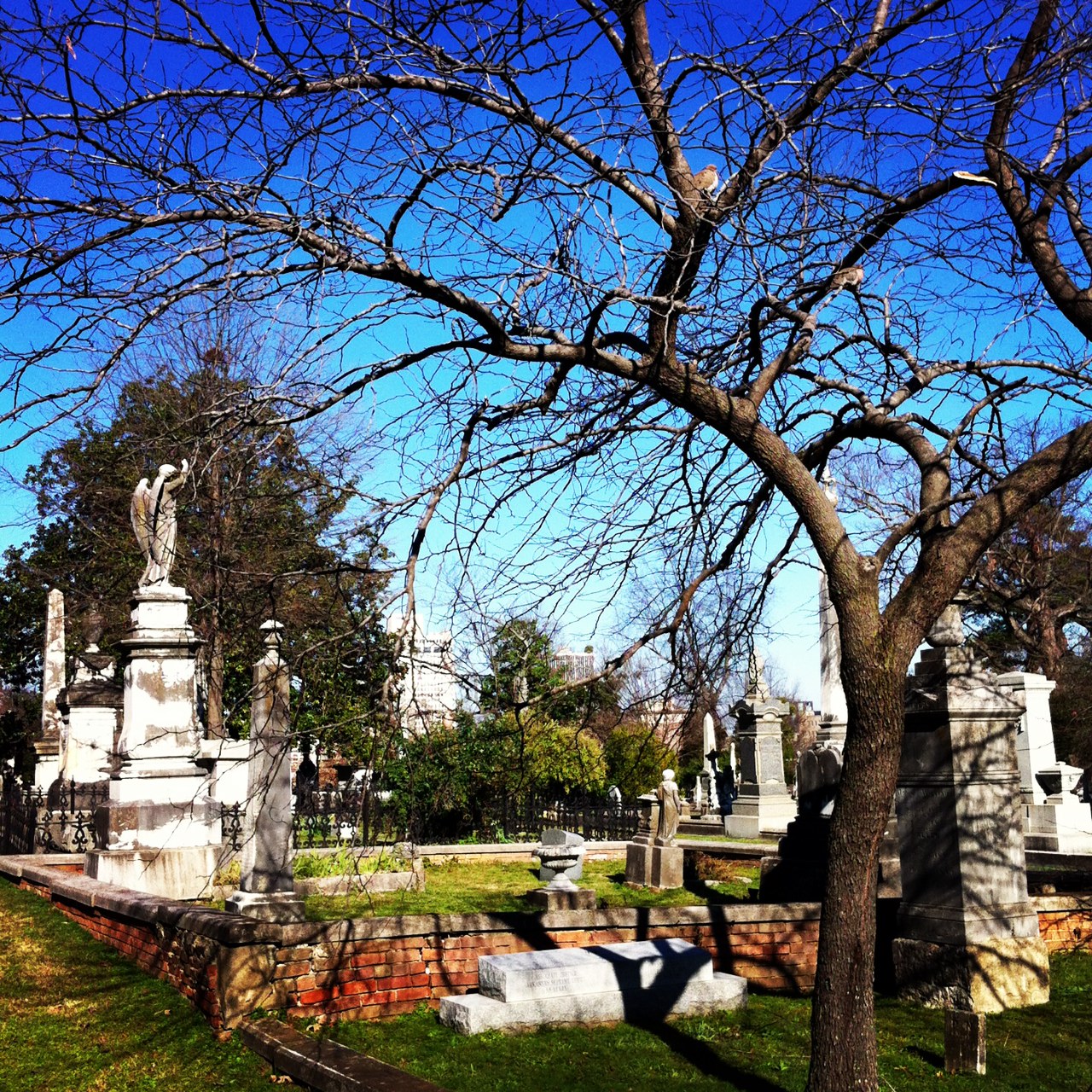
Mount Holly Cemetery in January 2013.

Mount Holly Cemetery in January 2013.

A former movie theatre at 13th and Pine.

A former movie theatre at 13th and Pine.

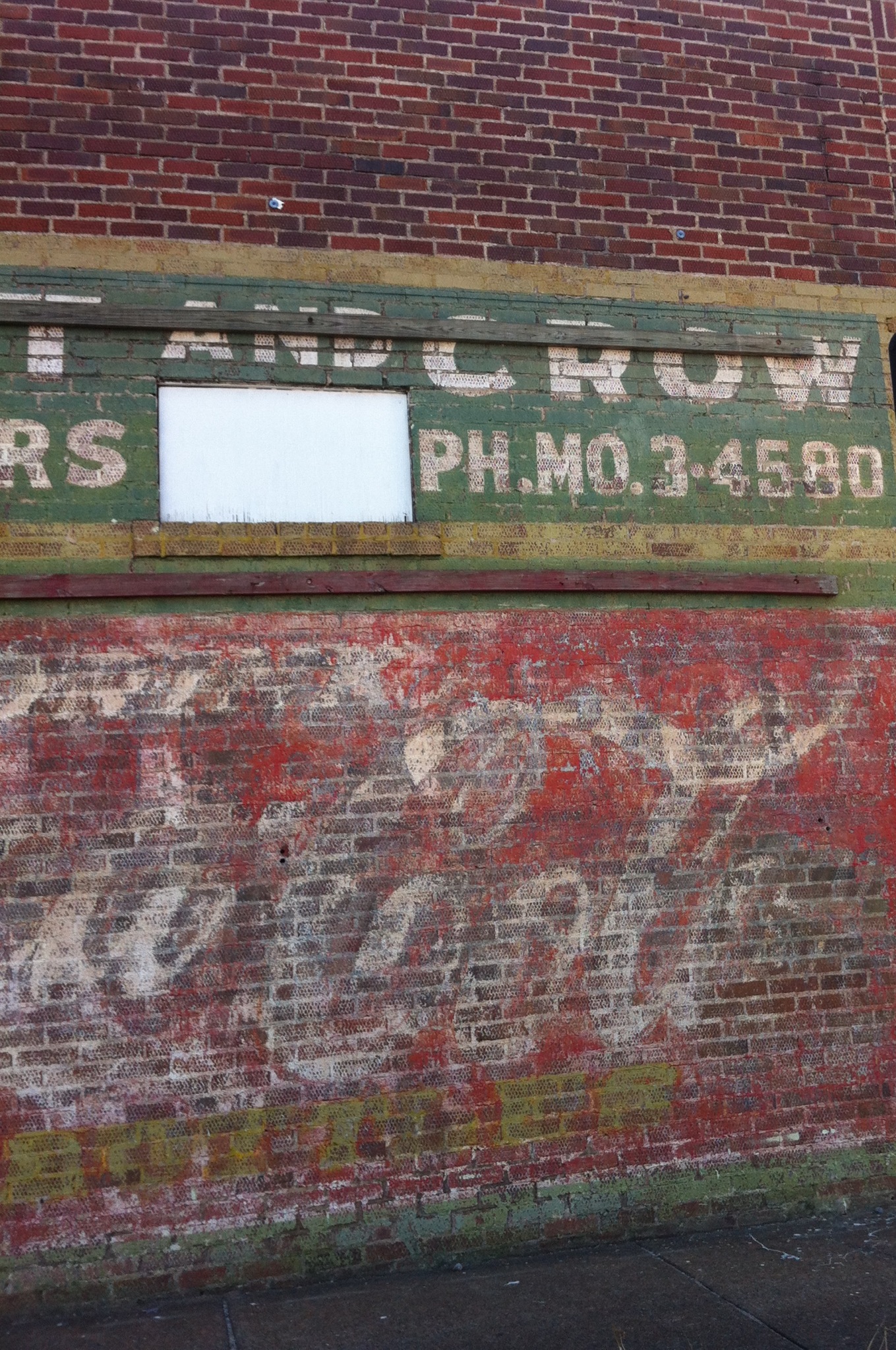
Faded advertisement at 12th and Cedar.

Faded advertisement at 12th and Cedar.

A father and daughter enjoying time together at the Arkansas Arts Center.

A father and daughter enjoying time together at the Arkansas Arts Center.

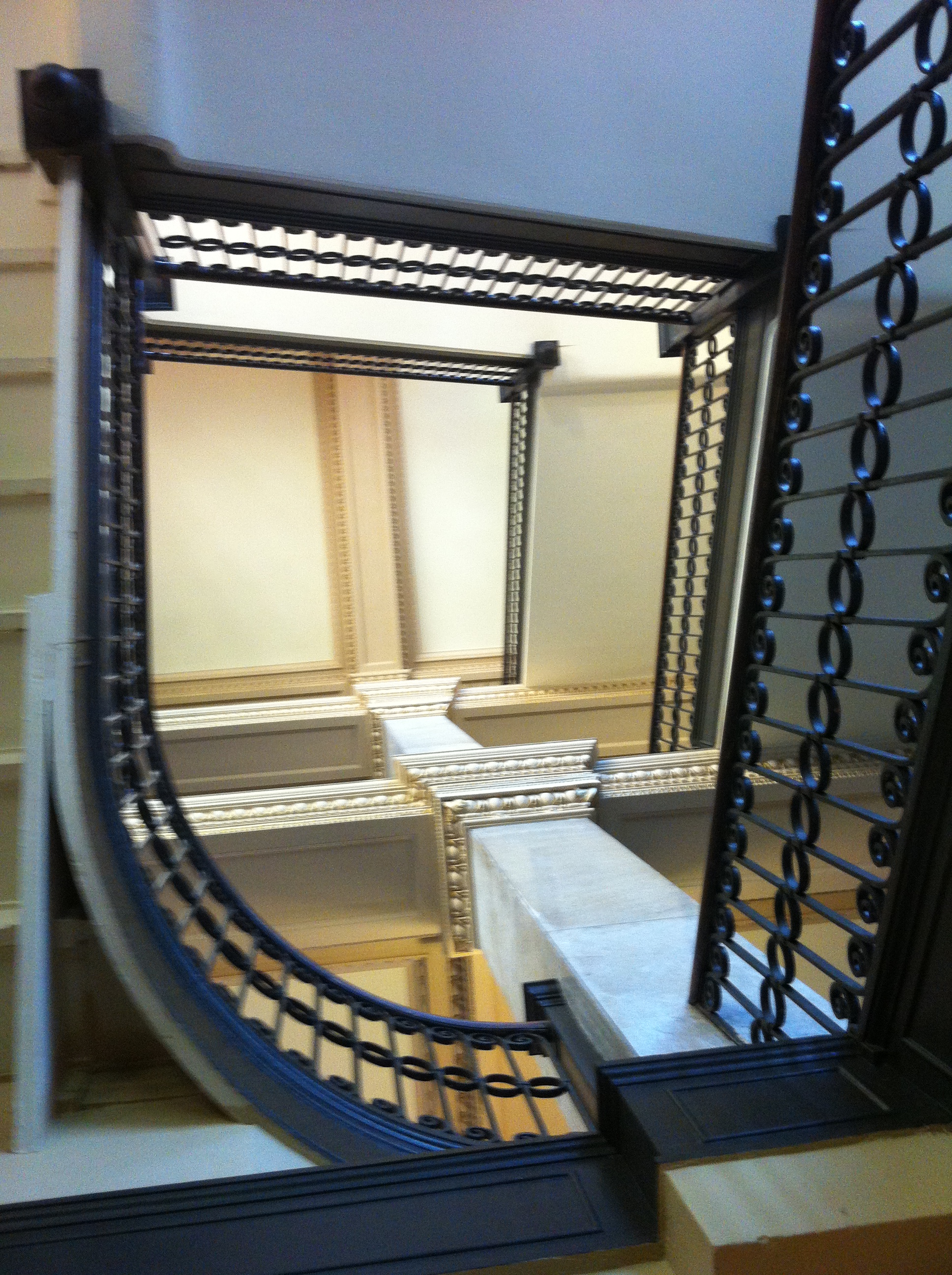
Looking up through the grand staircase at Little Rock City Hall.

Looking up through the grand staircase at Little Rock City Hall.

Peering through a piece of public art in the River Market.

Peering through a piece of public art in the River Market.

Doorways

Doorways

Inside one of the houses on the Quapaw Quarter Spring Tour.

Inside one of the houses on the Quapaw Quarter Spring Tour.

A Superhero and his mother leaving the library after checking out books and games.

A Superhero and his mother leaving the library after checking out books and games.

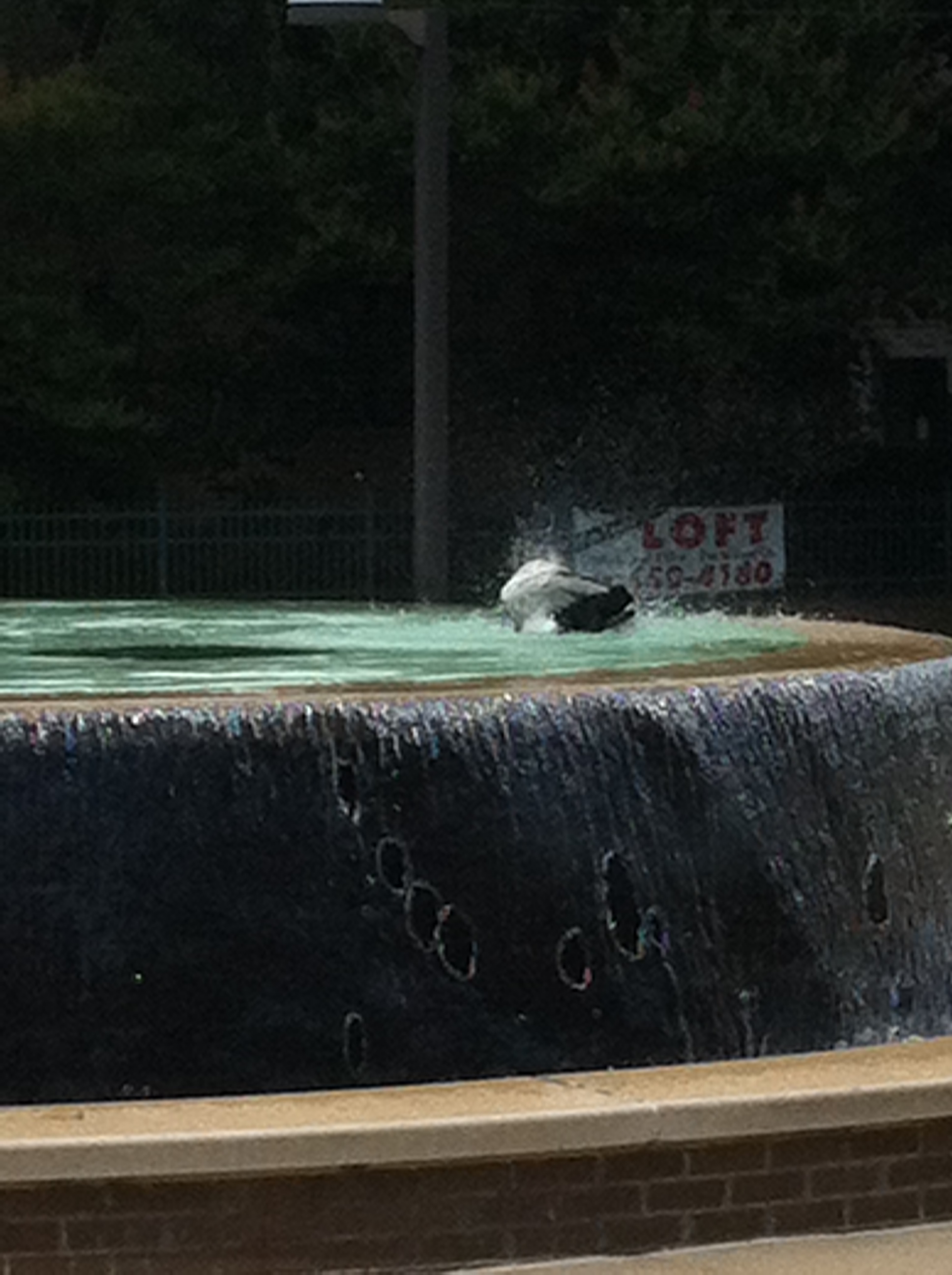
A duck enjoying the Carrie Remmel Dickinson Fountain at the Arkansas Arts Center.

A duck enjoying the Carrie Remmel Dickinson Fountain at the Arkansas Arts Center.

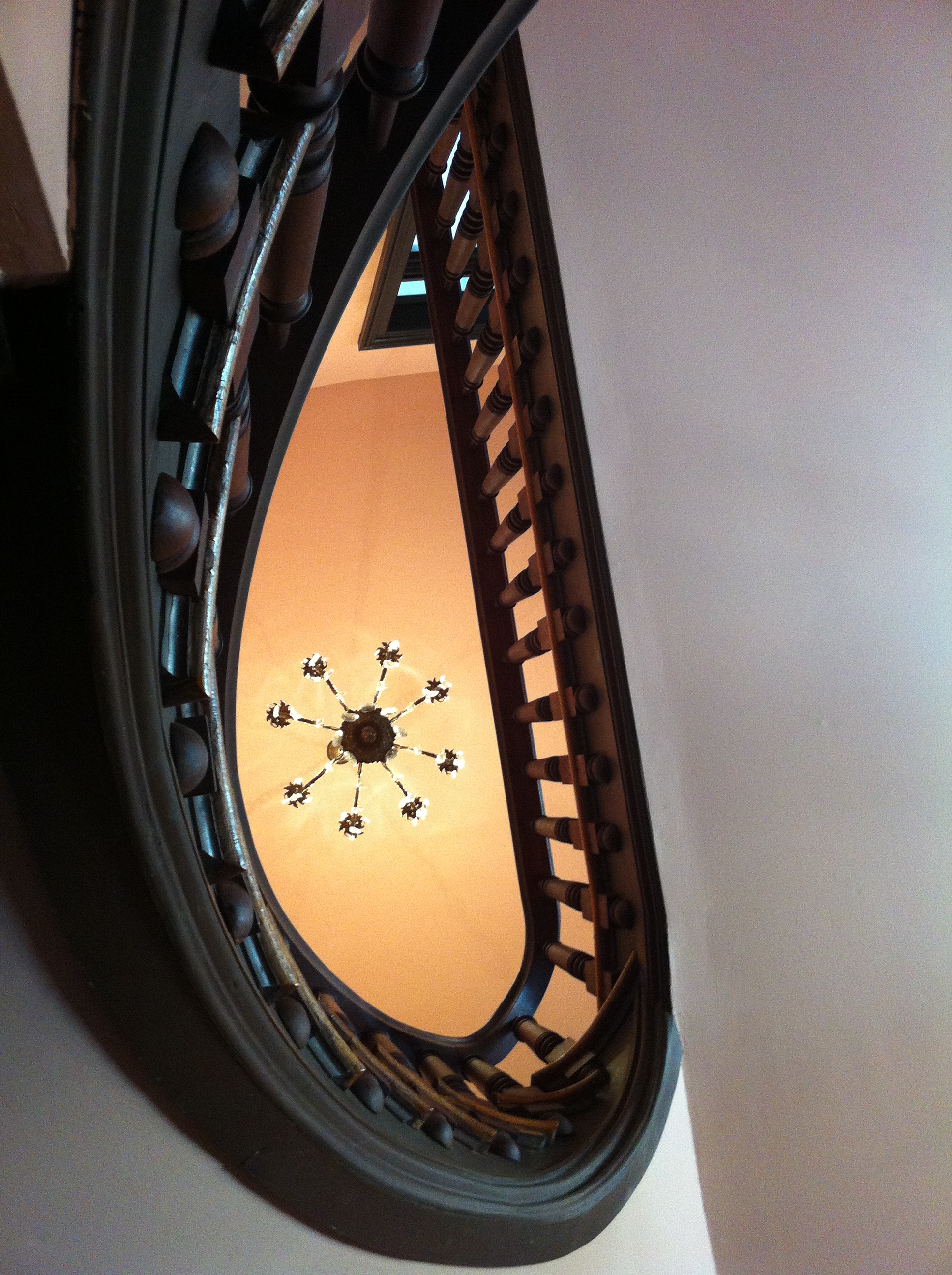
The stairwell in the Villa Marre.

The stairwell in the Villa Marre.

A downtown streetsign.

A downtown streetsign.

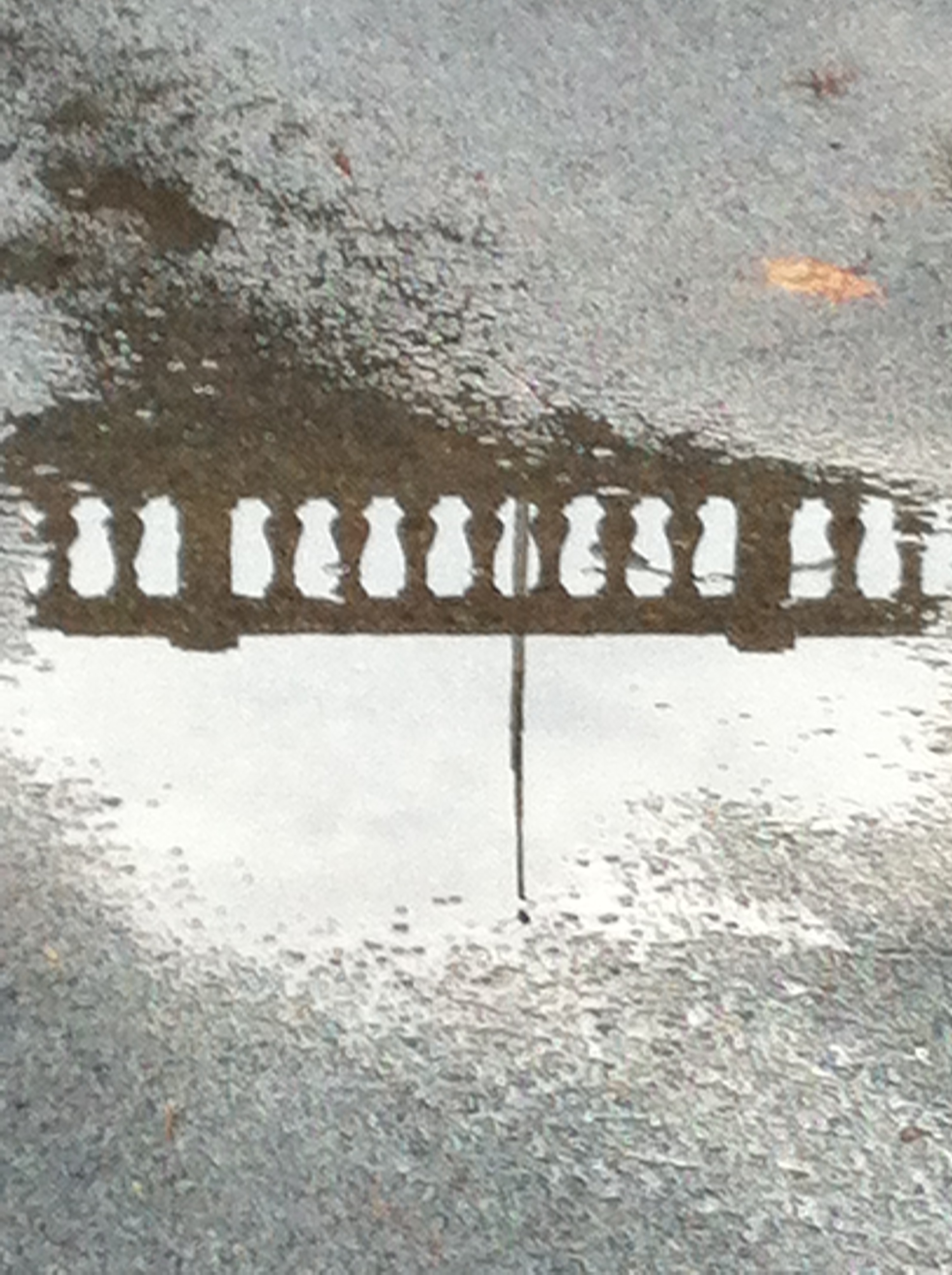
The Broadway Bridge balustrade reflected in a rain puddle.

The Broadway Bridge balustrade reflected in a rain puddle.

The stairwell in the auditorium on the Philander Smith campus.

The stairwell in the auditorium on the Philander Smith campus.

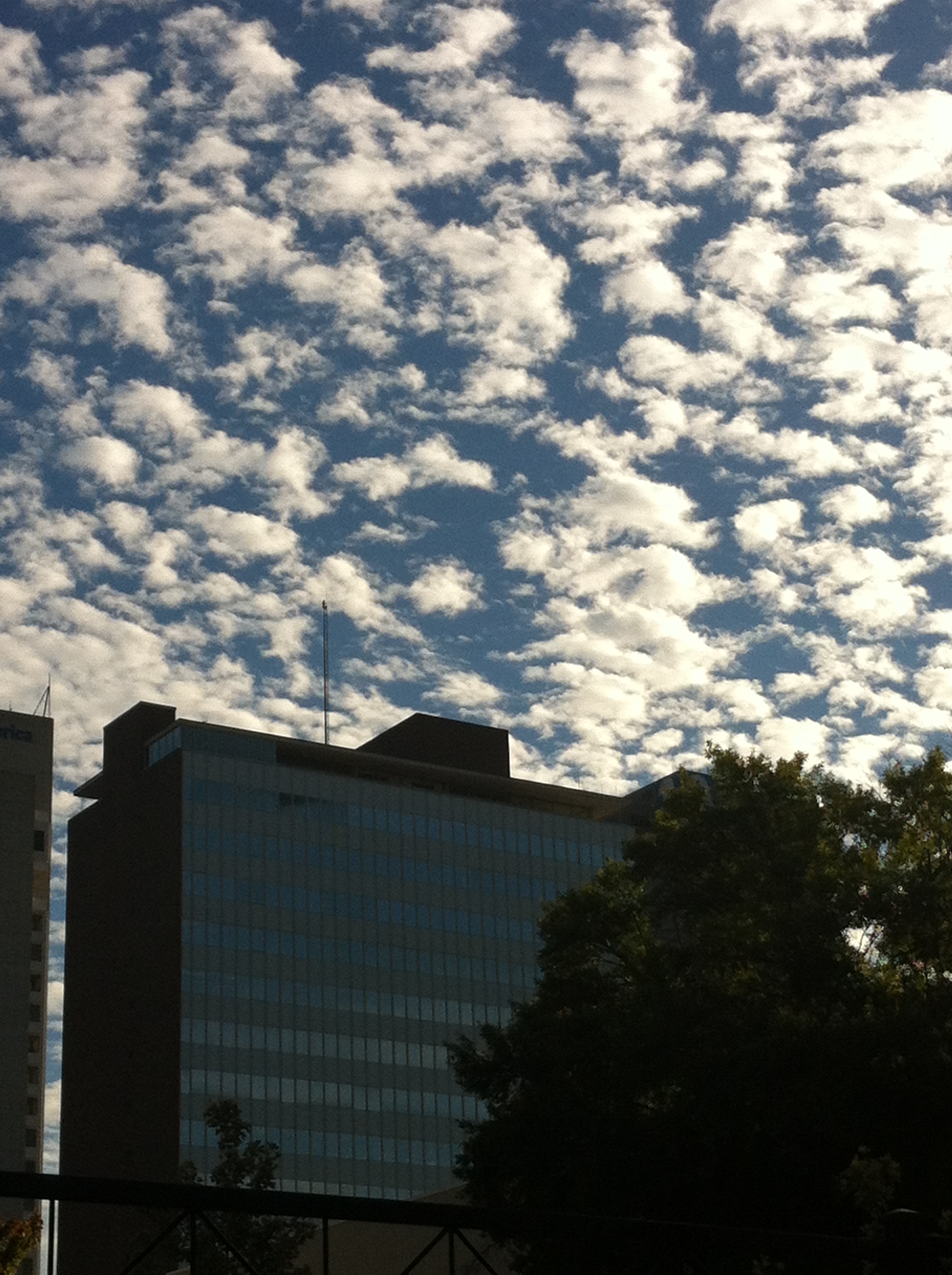
The Tower Building.

The Tower Building.

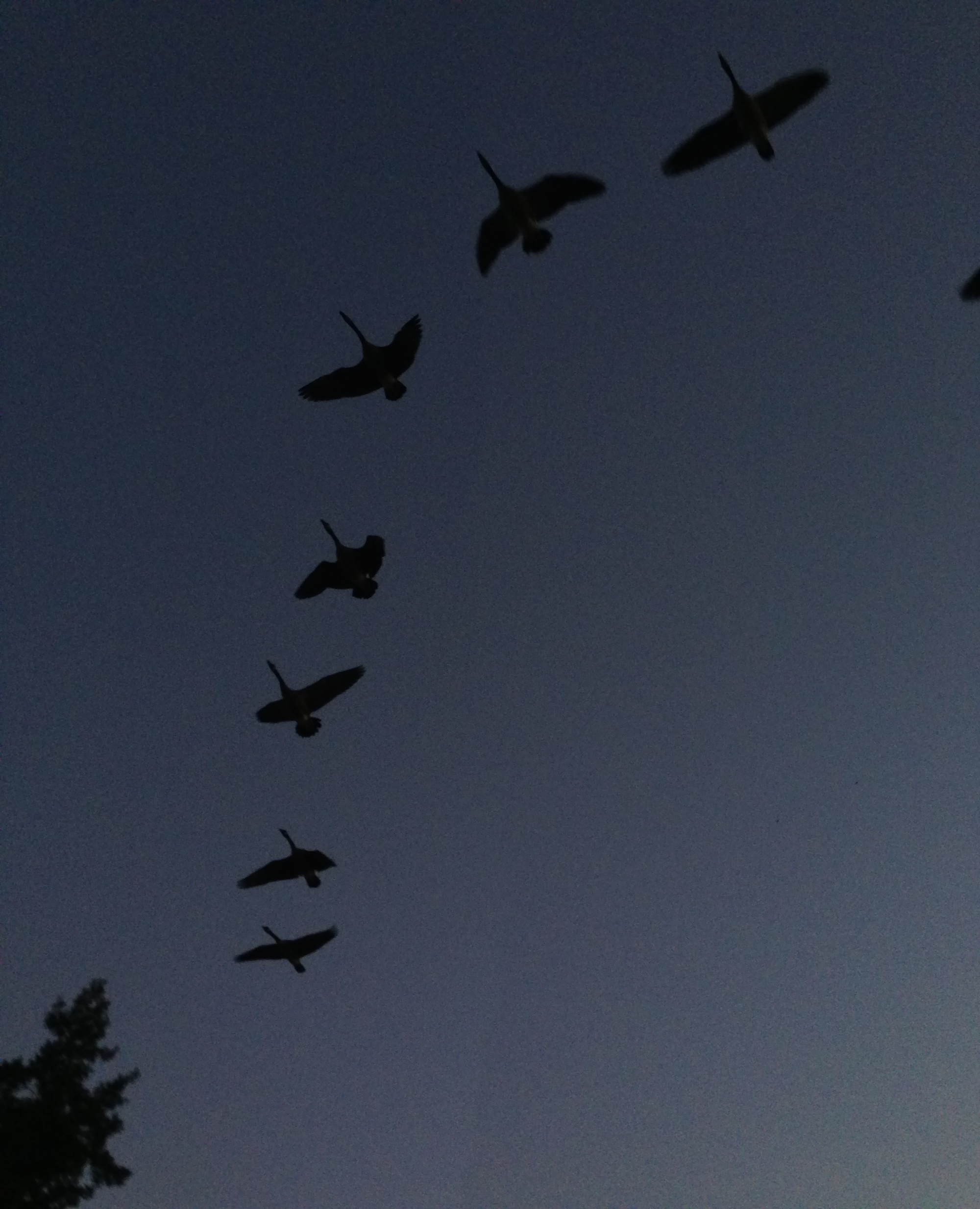
Geese at dusk over MacArthur Park.

Geese at dusk over MacArthur Park.

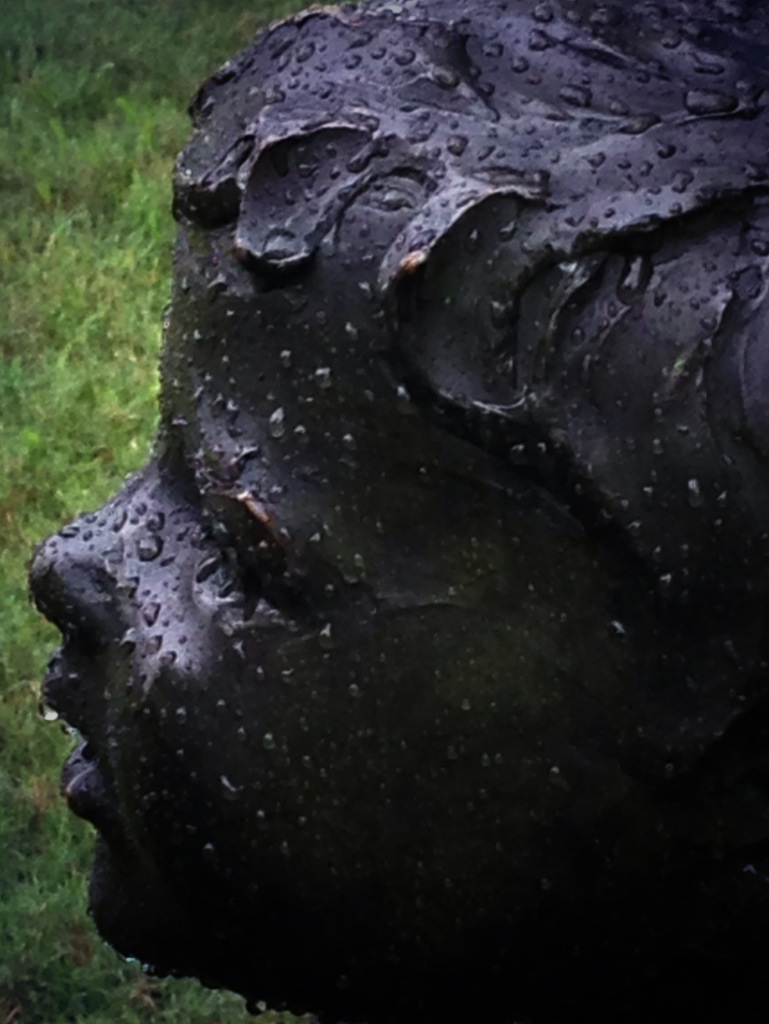
Raindrops rest on the new Patty Cake sculpture in Riverfront Park.

Raindrops rest on the new Patty Cake sculpture in Riverfront Park.

The Capital Hotel.

The Capital Hotel.

A pigeon at City Hall.

A pigeon at City Hall.

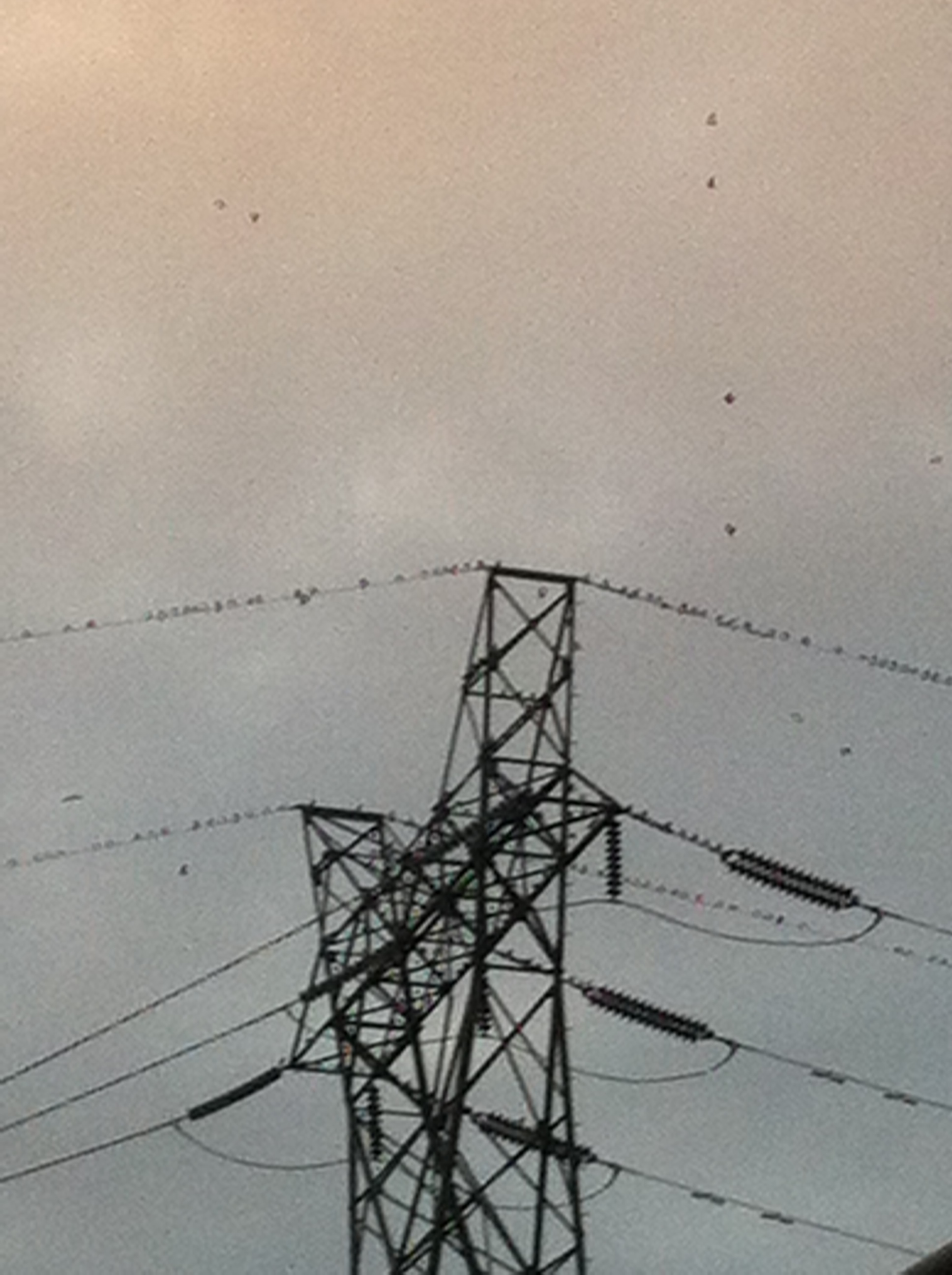
Birds alighting on transformer wires.

Birds alighting on transformer wires.

A downtown sidewalk.

A downtown sidewalk.

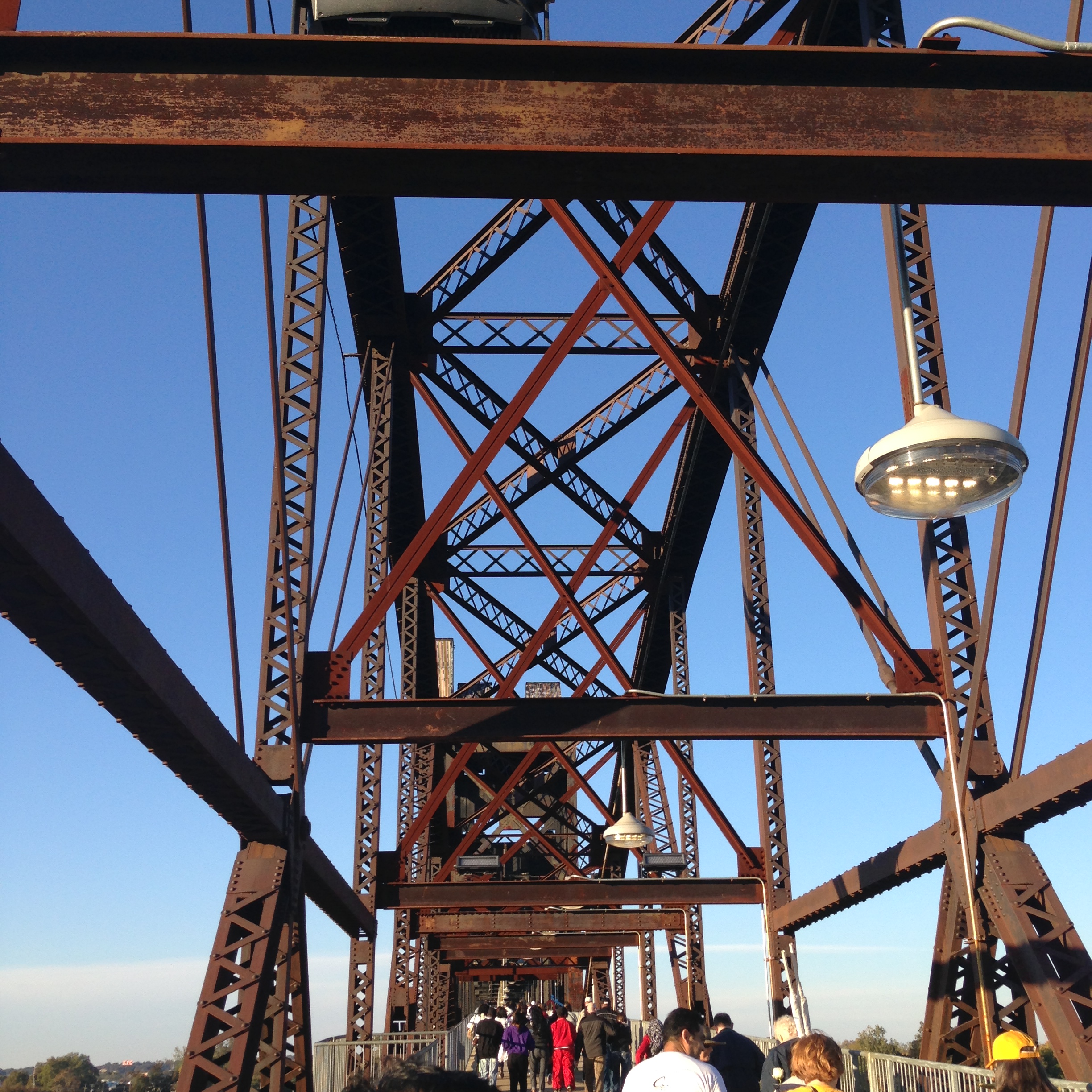
The Clinton Presidential Bridge during the JCA Walk for CommUNITY.

The Clinton Presidential Bridge during the JCA Walk for CommUNITY.

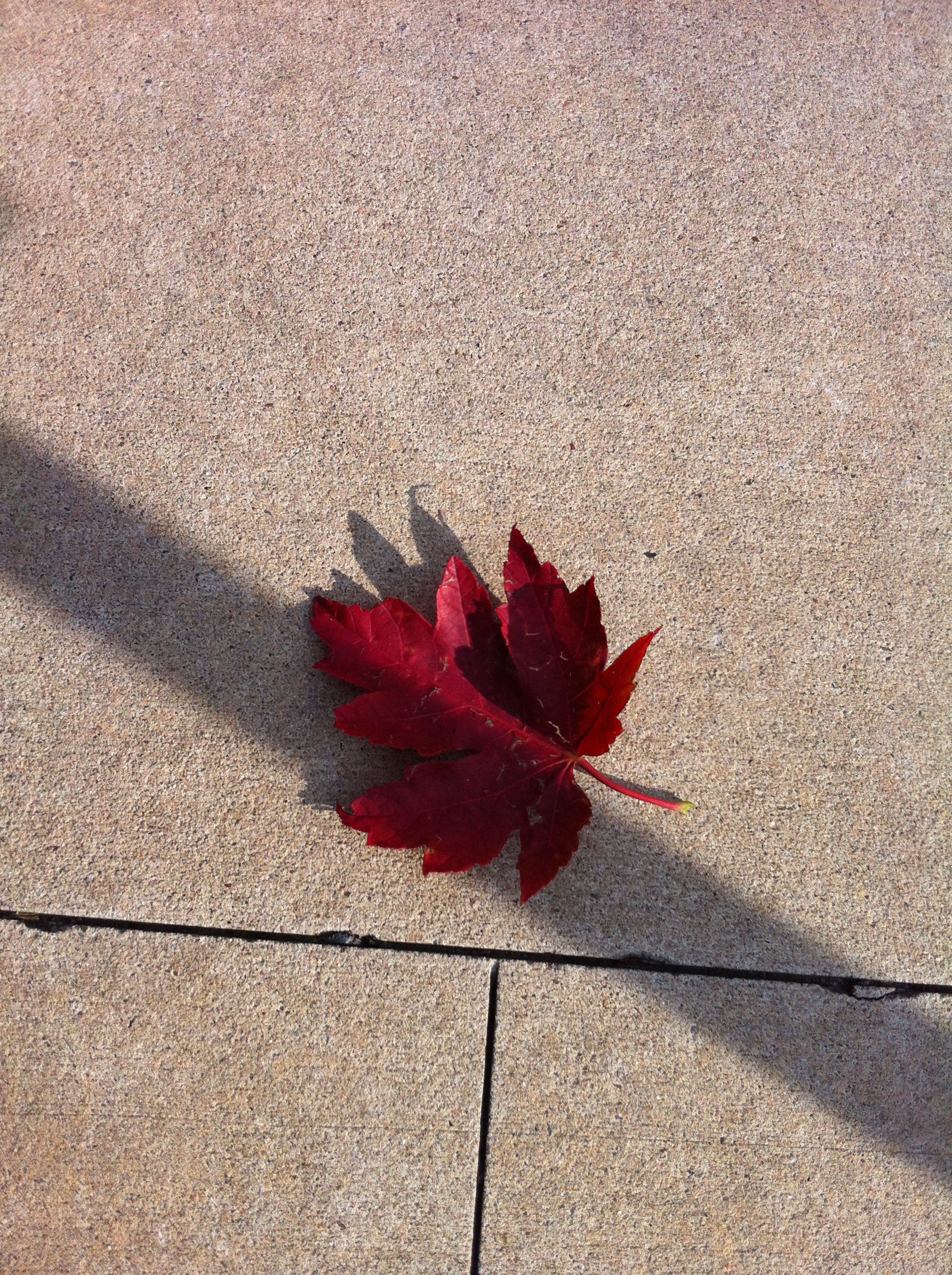
Gingko leaves in Hillcrest.

Gingko leaves in Hillcrest.

Robinson Auditorium

Robinson Auditorium

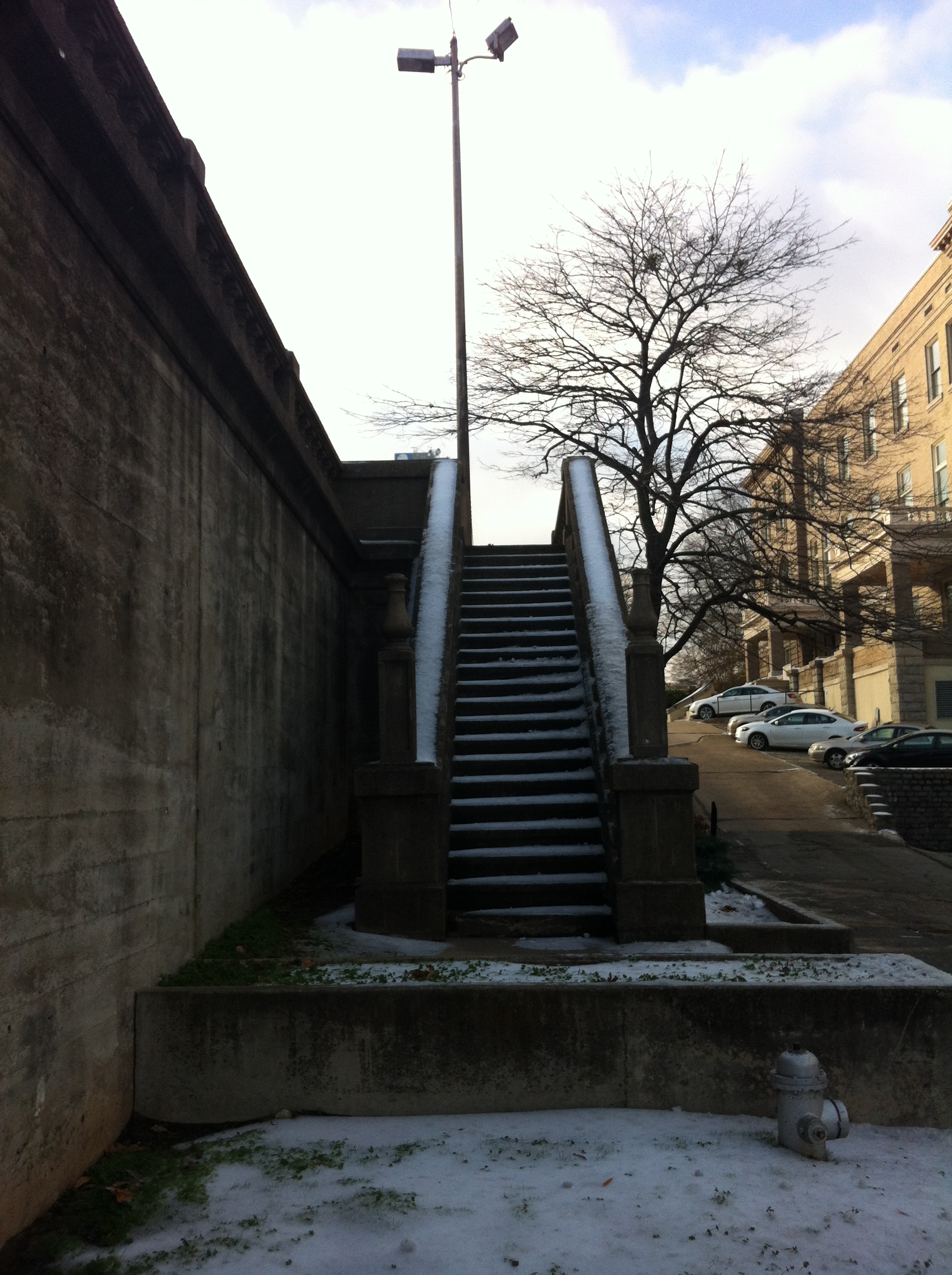
Steps along the Broadway Bridge after the December snow.

Steps along the Broadway Bridge after the December snow.

A December sunset in midtown Little Rock.

A December sunset in midtown Little Rock.

Little Rock Look Back: Jefferson George Botsford

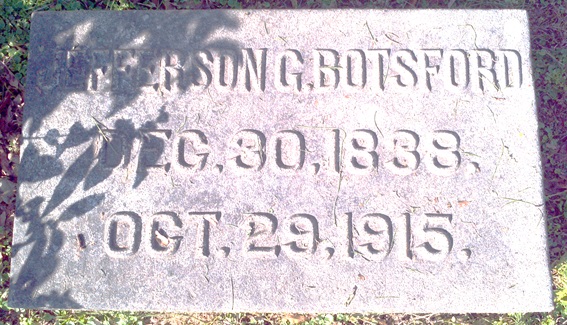
Botsford GraveOn December 30, 1838, future Little Rock Mayor Jefferson George Botsford was born in Port Huron, Michigan.  He married Charlotte Adelia Henry on June 13, 1867.  She had been born in Massachusetts, but moved to Little Rock with her parents and grandparents.

The couple had seven children: Nellie, Charlotte, Harriett, James, Edward, George and Charles. Nellie, James and Charles died in childhood.

Botsford had served in the Union Army and fought in frontier battles against Indians.  Among his commercial involvements in Little Rock were serving as mail contractor between Little Rock and Baton Rouge, proprietor of Anthony House, organizer of Merchants National Bank and president of the White River Valley & Texas Railroad.

In 1868, Botsford was elected to the Little Rock City Council.  The City Council suspended Mayor A. K. Hartman in February 1870.  Elected in 1869, he was disliked by the aldermen, the press and a portion of the public.  A court order overturned the suspension in June 1870.  In January 1871, Mayor Hartman was again suspended by the Council.  This time, Botsford was declared Mayor.  However Hartman also still claimed the title of Mayor through the remainder of his term in November 1871.

After stepping down as Mayor with the election of Robert Catterson in November 1871, Botsford returned to private life.  He died on October 29, 1915 and is buried at Mount Holly Cemetery.

Little Rock Look Back: Frederick G. Kramer

Mayor KramerOn December 29, 1829, future Little Rock Mayor Frederick G. Kramer was born in Halle, Prussia.  In 1848, he immigrated to the United States.  Kramer enlisted in the United States Army and served in the Seventh Infantry until his discharge at Fort Gibson, Indian Territory, in July 1857. After his discharge, Kramer settled in Little Rock, and became a citizen in 1859. He married Adaline Margaret Reichardt, an emigrant from Germany, in 1857. They had six children Louisa, Mattie, Emma, Charles, Fred, and Henry.

From 1869 to 1894, Kramer served on the Little Rock School Board.  He was the first School Board president.  Among his other civic activities were serving as president of the Masonic Mutual Relief Association, a founder of the Mount Holly Cemetery Commission, and a founder of Temple B’nai Israel.  In 1875 he and F. A. Sarasin opened a mercantile business. Kramer later became the president of the Bank of Commerce.

Frederick Kramer was elected Mayor of Little Rock in November 1873.  He served until April 1875, when a new Arkansas Constitution took effect.

From November 1869 through March 1875, the City Council President presided over City Council meetings and signed ordinances, performing many of the duties formerly ascribed to the Mayor.  As such, during his Mayoral tenure from 1873 to 1875, Kramer was the Chief Executive of the City but did not preside over Council Meeting.  When he had served on the City Council, however, Kramer had been elected President of the Council and had presided over Council meetings from October 1871 to May 1872

Kramer was returned to the Mayoralty in April 1881 and served three more terms leaving office in April 1887.  His tenure as an Alderman and as Mayor overlapped with his service on the school board.

A new Little Rock elementary school which opened in 1895 on Sherman Street was named the Fred Kramer Elementary School in his honor.  Though the building’s bell tower was removed in the 1950s, the structure still stands today.  It now houses loft apartments.

Frederick G. Kramer died on September 8, 1896, in Colorado Springs, Colorado.  A few months earlier, he had traveled there with his wife and daughter Emma to recuperate from an illness. He is buried in Oakland Cemetery.