February Frieze Frame Friday

Each Friday in February, the Little Rock Culture Vulture will feature a frieze which can be found in Little Rock.

Today’s frieze is inspired by friezes from ancient cultures showing a laborer at work.  The shirtless and muscular nature of the man is evocative of friezes that can be seen today in Greek or Roman ruins.  His hair, breeches and shoes are more in keeping with the late 1700s/early 1800s as is the style of the printing press.

It is found, fittingly, on an annex to the Arkansas Gazette building, which now houses the lower grades of the eStem Public Charter School.

Sculpture Vulture: pARTy for Peg at HAM

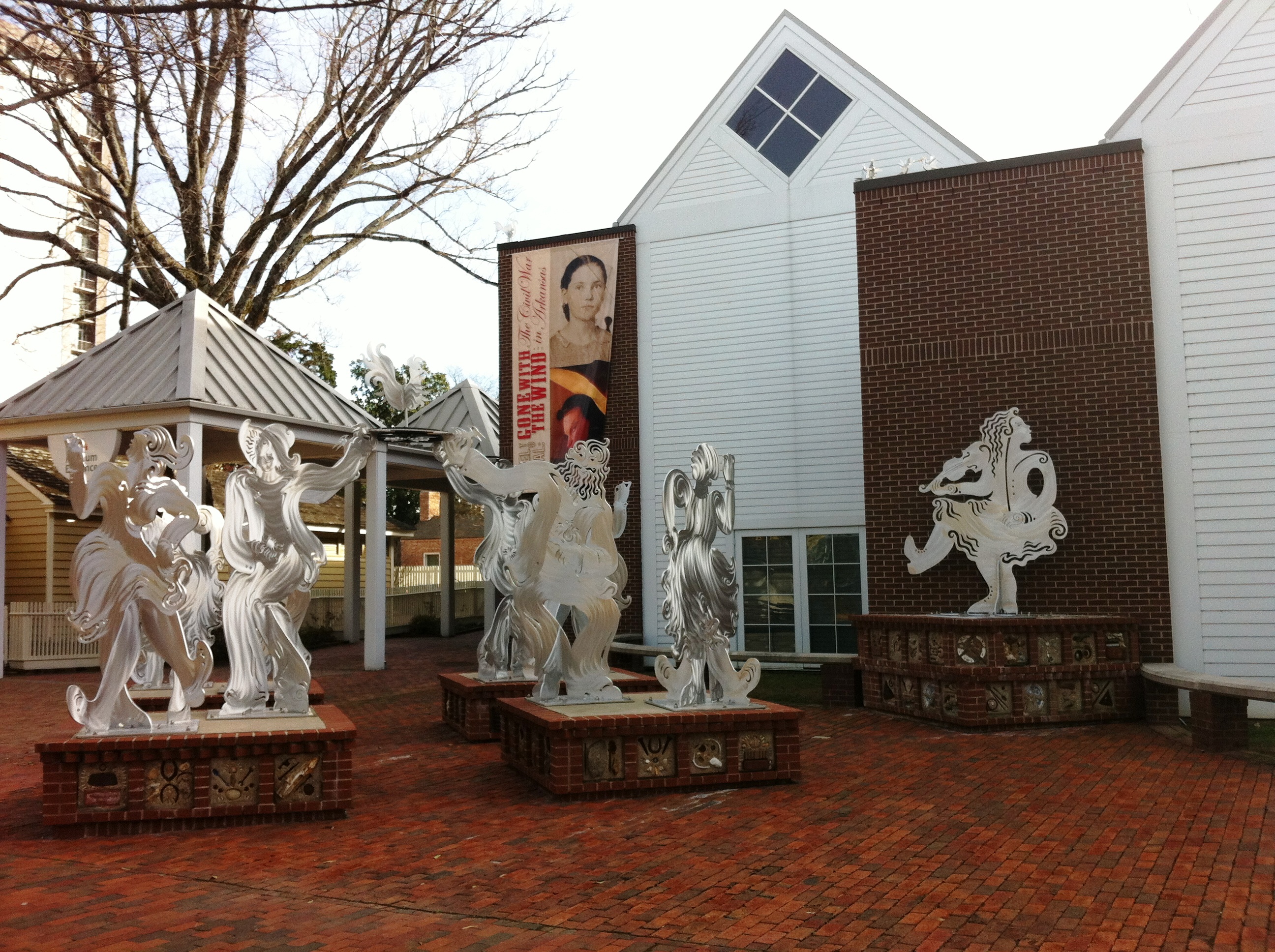
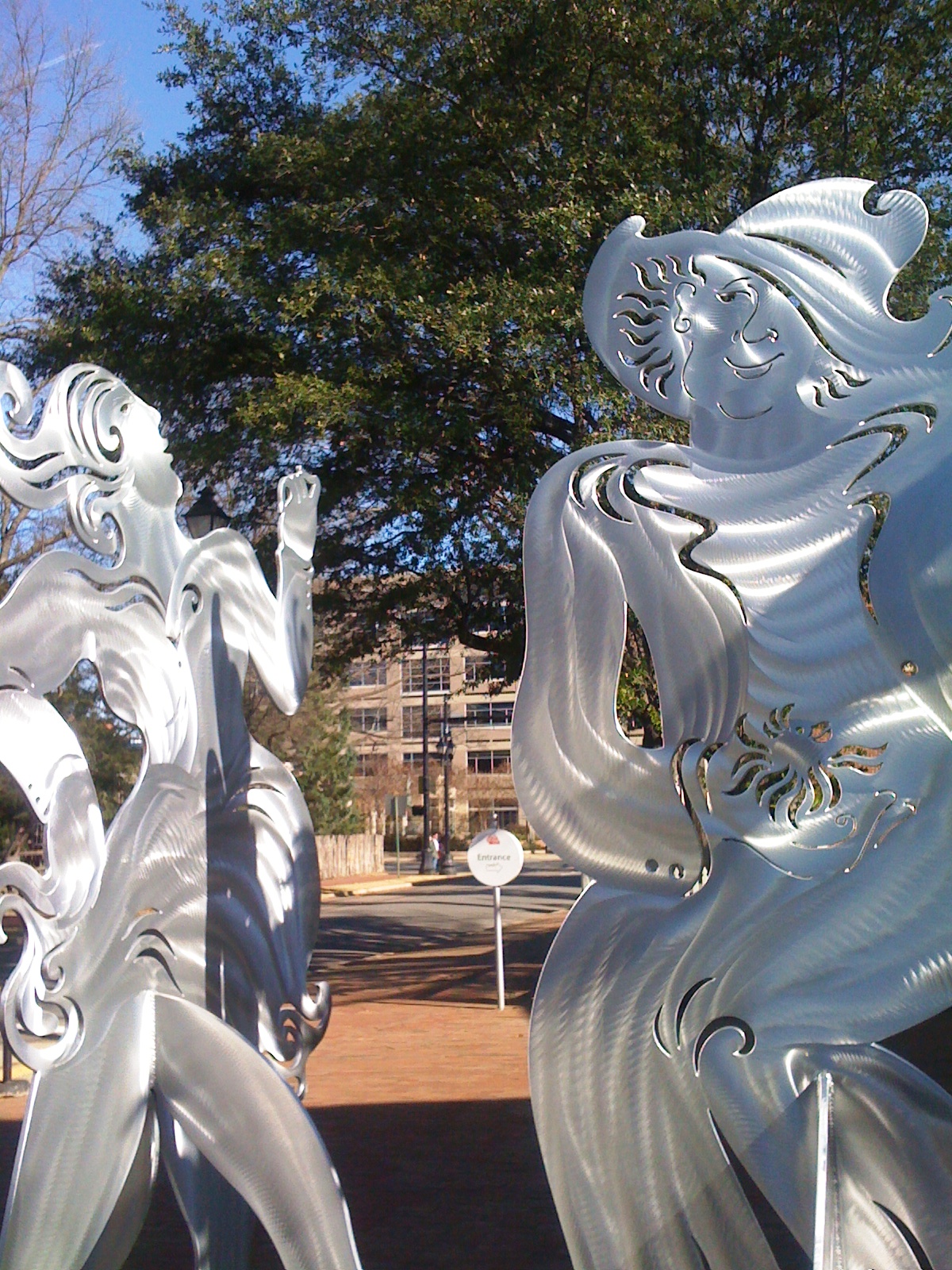
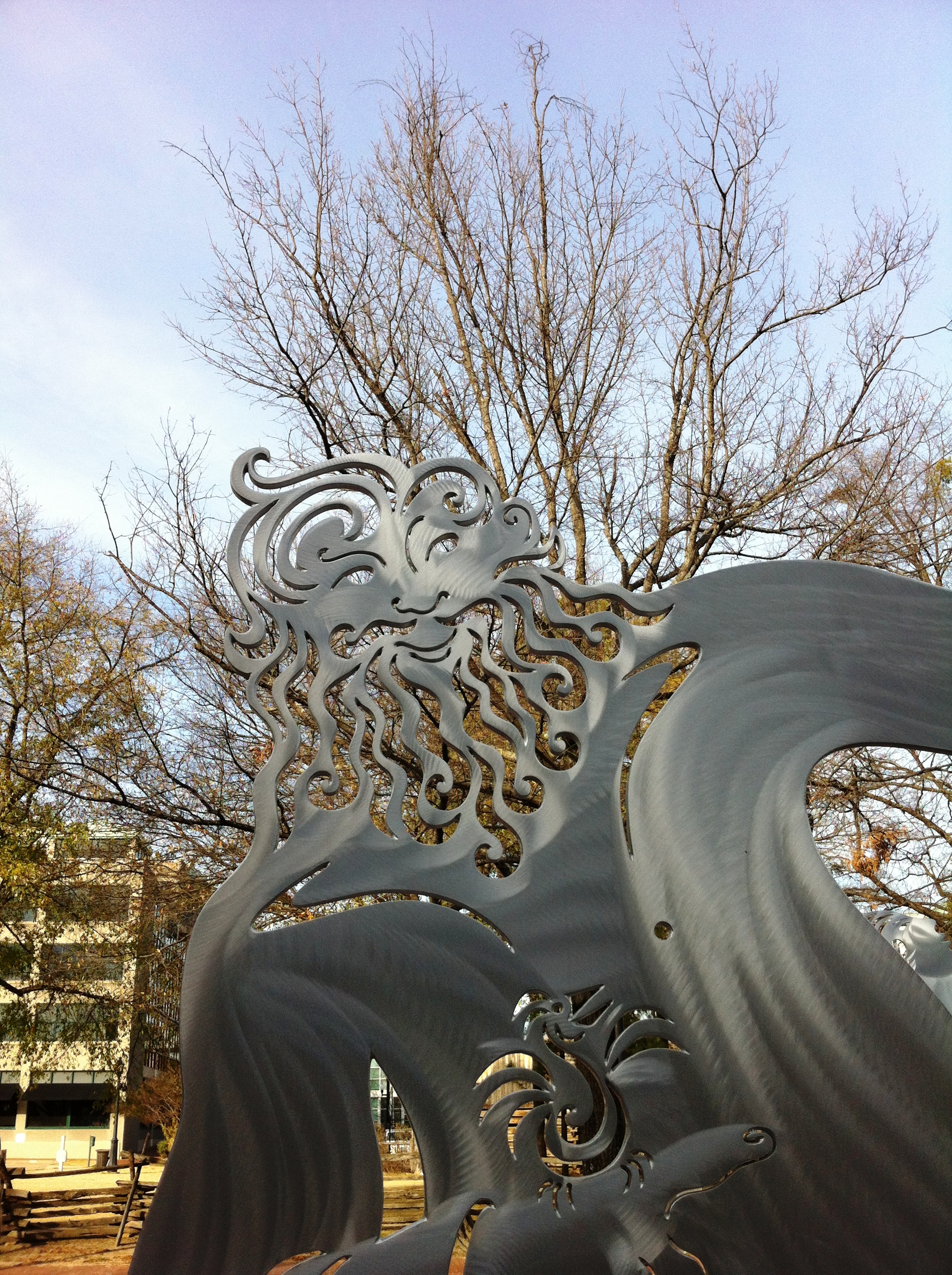
As a tribute to longtime Historic Arkansas Museum supporter Peg Newton Smith, HAM commissioned Alice Guffey Miller to create a piece of sculpture which sits along the north entrance to the gallery building.  pARTy for Peg depicts four couples dancing to a lively tune which is coming from a fiddle player.

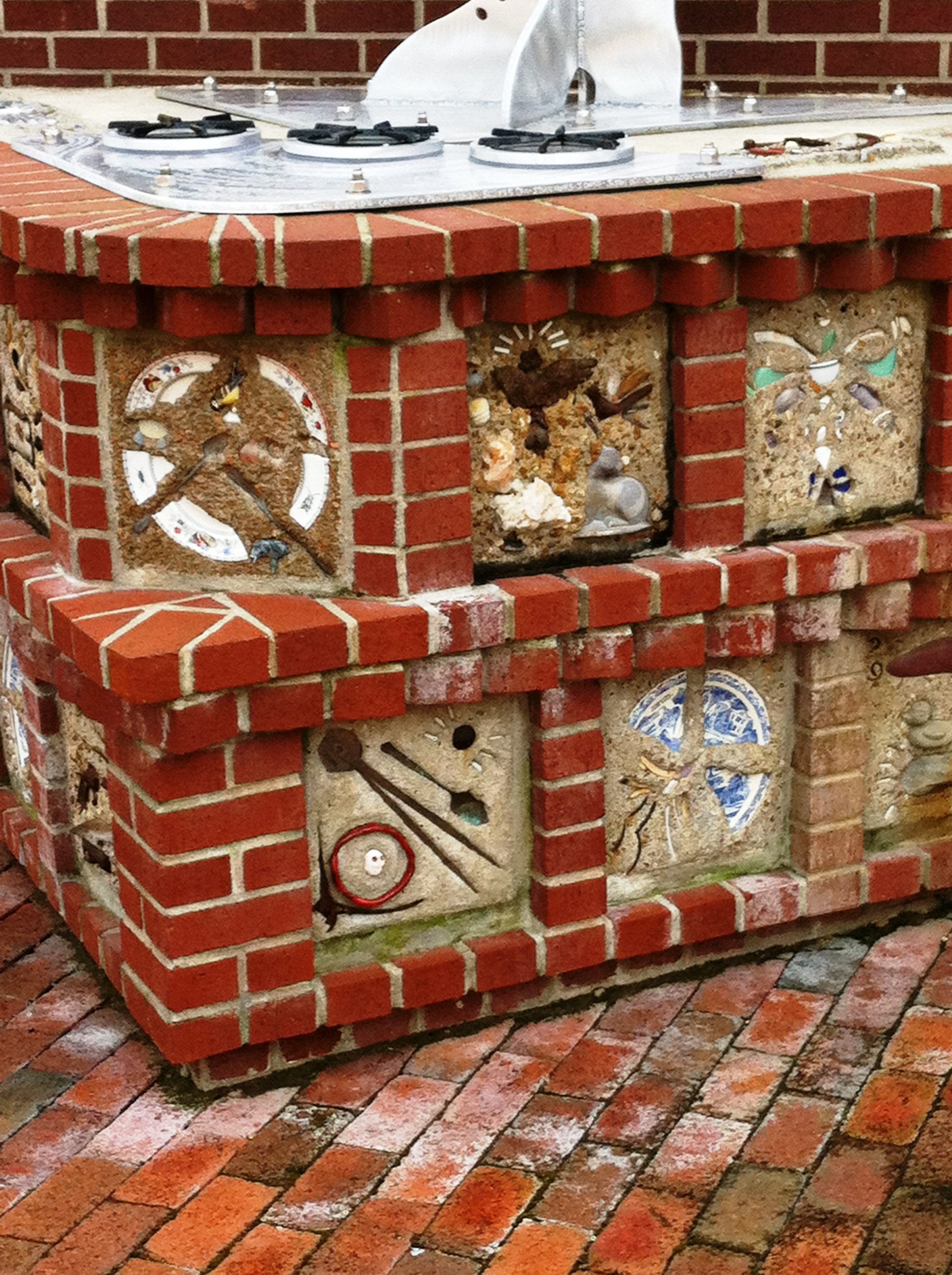
Upon closer examination, one sees that the sculpture is more than just whimsical figures cut from aluminum.  The pedestals upon which the sculptures stand contain found objects which commemorate everyday life in Arkansas from horseshoes to china pieces to flatware to rocks and bricks.  In addition, the concrete bears faint footprints which echo steps which could be made by dancers.  Quotes and sayings are etched into the aluminum base for each sculpture as well.

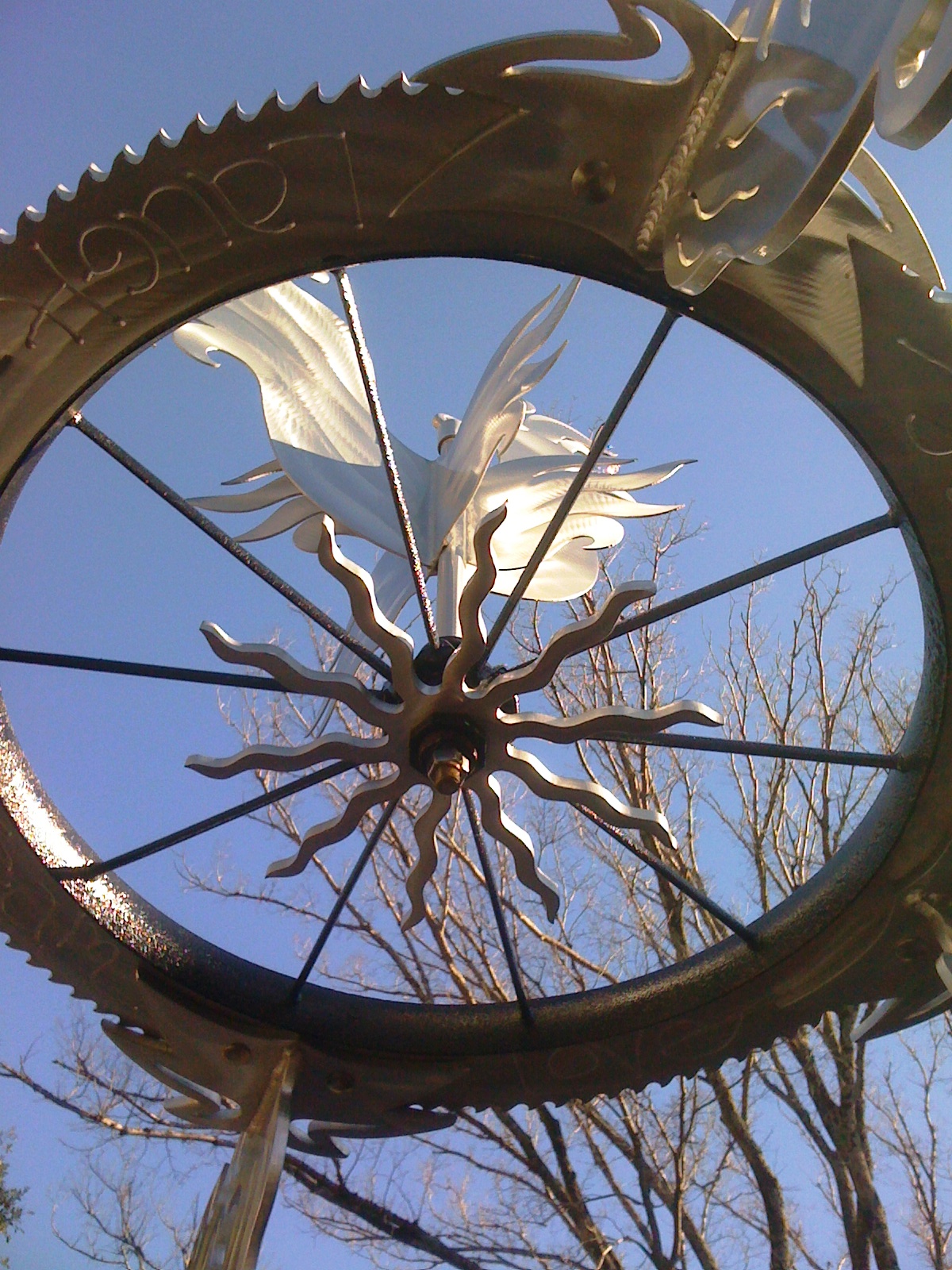
Connecting the four dancing couples is a weather vane which forms a canopy.  Overseeing everything are birds perched atop a corner of HAM’s gallery building.

Peg Newton Smith was a true Arkansas treasure. She was interested in not only the history of Little Rock and Arkansas, but also in the present and the future. This sculpture, which depicts a historical scene in a more modern way, aptly captures the woman and the joy she radiated.

He Did Return

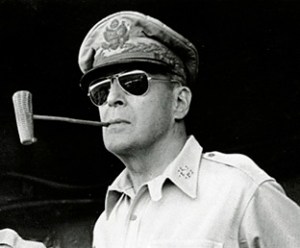
Today marks the birthday of one of Little Rock’s most reluctant native sons.  Douglas MacArthur was rarely at a loss for words, opinions, or nerve.  But when it came to admitting he was born in Little Rock, he was, reticent.

MacArthur was born in Arkansas by mistake. His mother, the product of multiple generations of Virginia breeding, had wanted all of her children born in Virginia. His father, being a career military man, was stationed in a variety of places outside of Virginia. Thus, the problem.

Mrs. MacArthur was not able to get back to Virginia from her husband’s new assignment in Little Rock. So on January 26, 1880, Douglas MacArthur was born in Little Rock at the U.S. Army Arsenal.  He would be baptized at Christ Episcopal Church, but the family left Little Rock in June 1880.

MacArthur would not visit Arkansas again until 1952 when he was testing the waters for a potential Presidential bid.  At the time, Little Rock had its first (and to date only) Republican Mayor in Pratt C.  Remmel.  The park which now stood where the former military arsenal was located had been named in MacAthur’s honor in 1942.

In the 1952 visit, MacArthur made a speech from the Foster Bandshell in MacArthur Park. He also visited Christ Episcopal Church, though the existing building had been built after his baptism.

The only structure remaining from the Arsenal, the Tower Building, is purportedly the building in which MacArthur was bornSince 2001, that building has housed the MacArthur Museum of Arkansas Military History.  That museum is dedicated to telling Arkansas’ military history past from territorial days onward. While it does have an exhibit about MacArthur, the museum is not solely dedicated to him.

A previous tenant of the building, the then-Museum of Science and Natural History, hosted the premiere of a movie about General MacArthur entitled MacArthur. Gregory Peck played the five star general and attended the premiere.  Though partially inspired by the success of Patton earlier in the decade, this film was not as successful.

General MacArthur is also featured as one of the twenty-five Medal of Honor recipients with Arkansas connections.  The Arkansas State Capitol features a memorial to the honorees.

QQA Preservation Conversations: Historic LR Schools

The Quapaw Quarter Association continues its monthly education series this year entitled “Preservation Conversations.” They take place the third Monday of each month at historic Curran Hall, which serves as the QQA headquarters in addition to being the Mayor’s Official Reception Hall.

The 2012 series kicks off tonight with “Historic Schools of Little Rock.”  The featured speaker is Rachel Silva, who is the Preservation Outreach Coordinator for the Arkansas Historic Preservation Program.

This city has a rich history of architecturally significant schools.  Though quite a few have been lost due to lack of care or disinterest in preservation, many are still standing today – even if they do not function as school buildings. The Kramer School, East Side Junior High and West Side Junior High now all serve as residential properties in part or toto. Lee Elementary is now the Willie L. Hinton Neighborhood Resource Center. But Little Rock Central High School, Pulaski Heights Elementary and Middle School and Dunbar Middle School are all historic structures which still serve as schools.

Beginning at 5:00, Curran Hall will be open for patrons to enjoy a glass of wine, programs start at 5:30 p.m. and last for one hour.  After the official program concludes, all are invited to keep the conversation going and enjoy a discounted dinner at nearby Copper Grill, 300 East Third Street.

The Quapaw Quarter Association is a non-profit historic preservation advocacy organization whose mission is to promote the preservation of the historic buildings and neighborhoods of Greater Little Rock. Rhea Roberts is the Executive Director.

CALS Launches Music Festival

Earlier this month, the Central Arkansas Library System announced plans to create an annual music festival featuring Arkansas music and Arkansas artists. The tentative launch for the festival, which would last a couple of days, would be in the fall of 2012.

This would be a project of the Butler Center for Arkansas Studies.  CALS has started advertising for someone to be the coordinator.  The intention is that the music festival would eventually be self-sufficient, though CALS would make a loan for start-up money.

CALS Executive Director Bobby Roberts told Arkansas Business, “If I were going to pick some area where Arkansas has excelled it is in music,” Roberts said. “It’s just a great heritage.” He cited musicians and composers such as Johnny Cash, Conway Twitty and William Grant Still. “I’d like to see us do all kinds of music,” Roberts said, from classical to country to rock to gospel.


As this develops, the LR Culture Vulture will be sure to follow this exciting news.

A Capitol Christmas in Arkansas

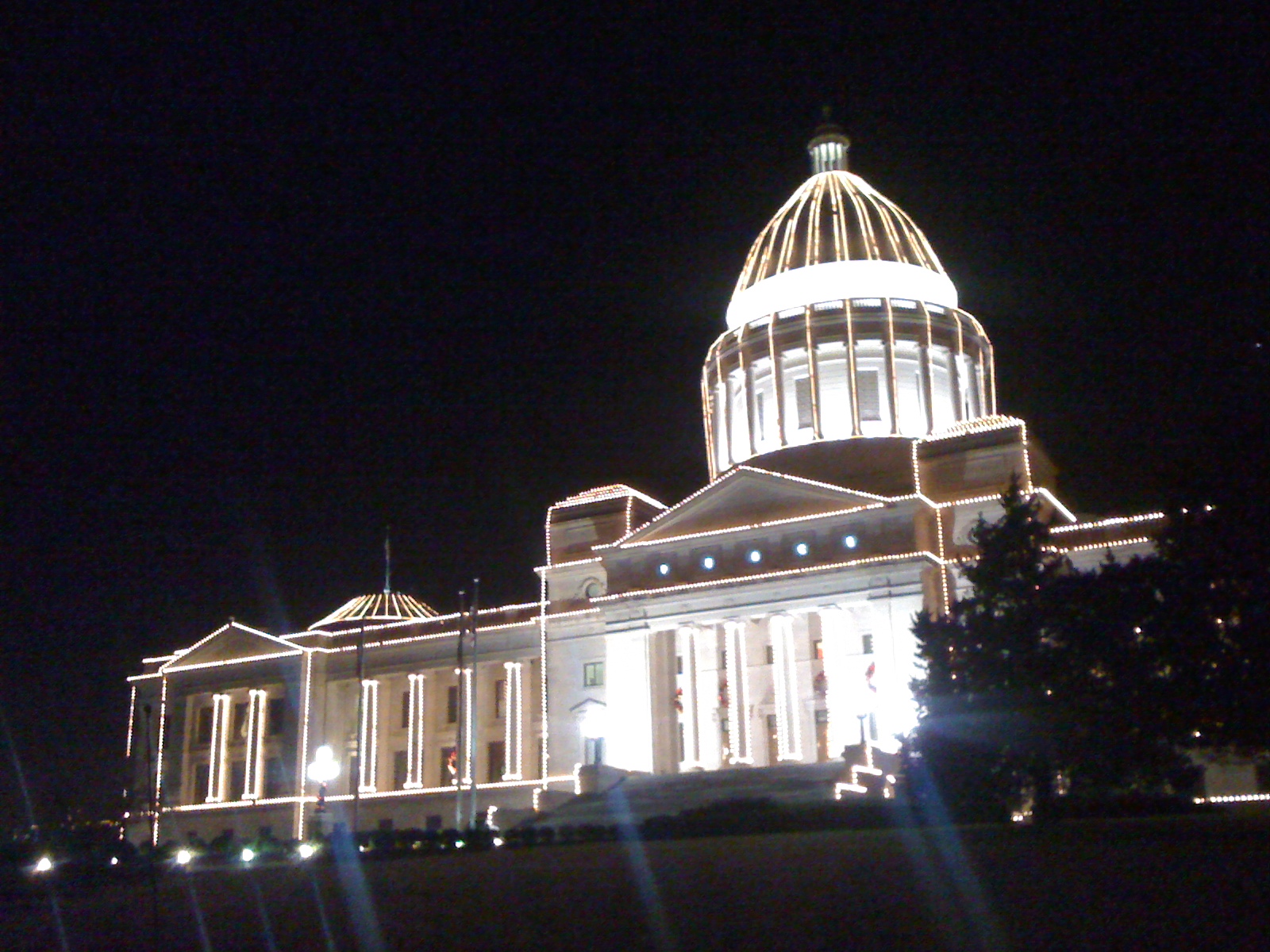
When the Culture Vulture was just a Baby Vulture, he, his parents and sister would go to the State Capitol building to look at the decorations on Christmas night.  Over the years, the Office of Secretary of State has changed the decorations.  He remembers the alternating red and green lights on the dome during the Bryant (Kelly and Winston) era. He also remembers the disco dome during Bill McCuen’s tenure. Thankfully during the Priest, Daniels and now Martin era, the building is outlined in white lights.

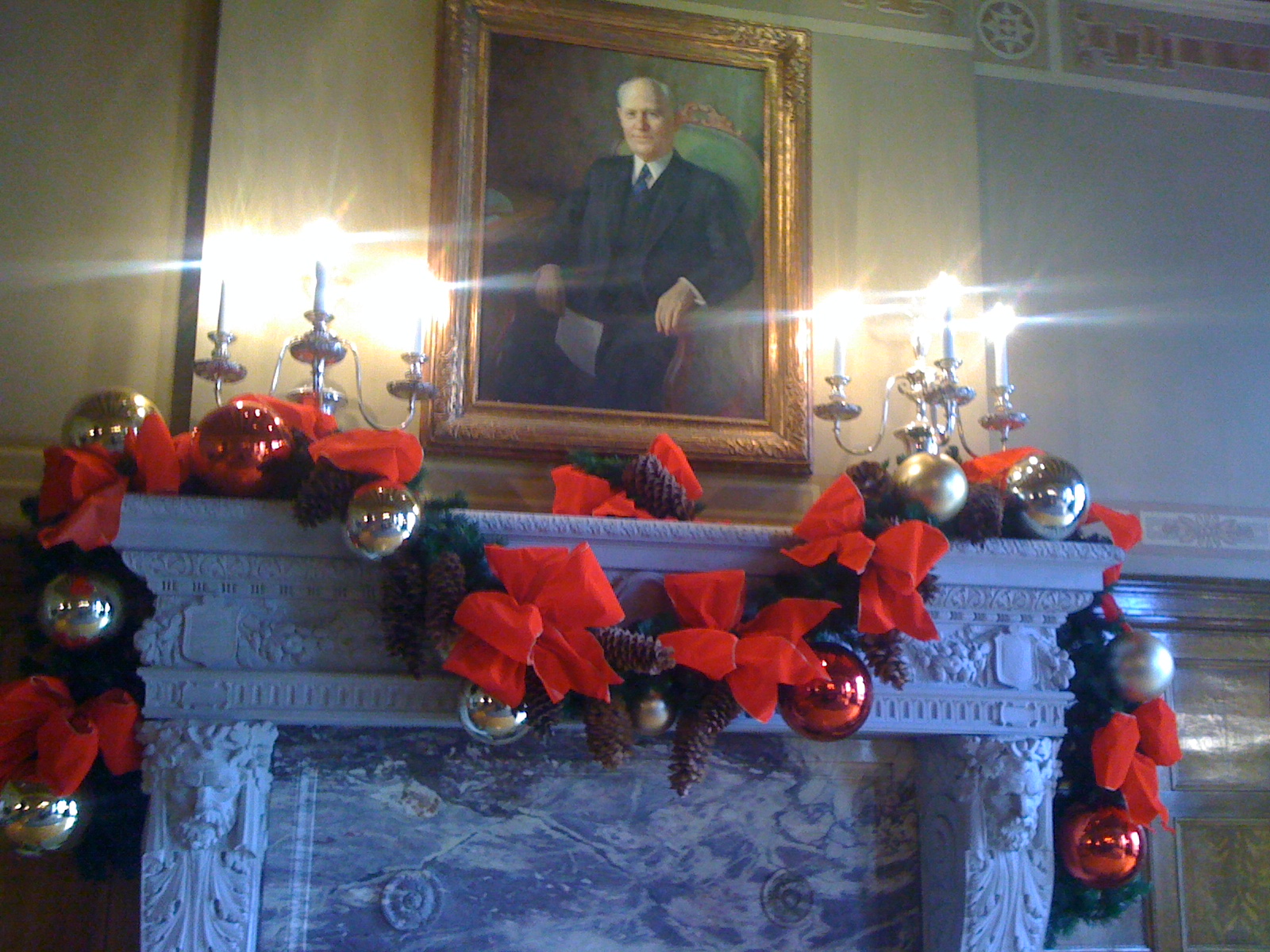
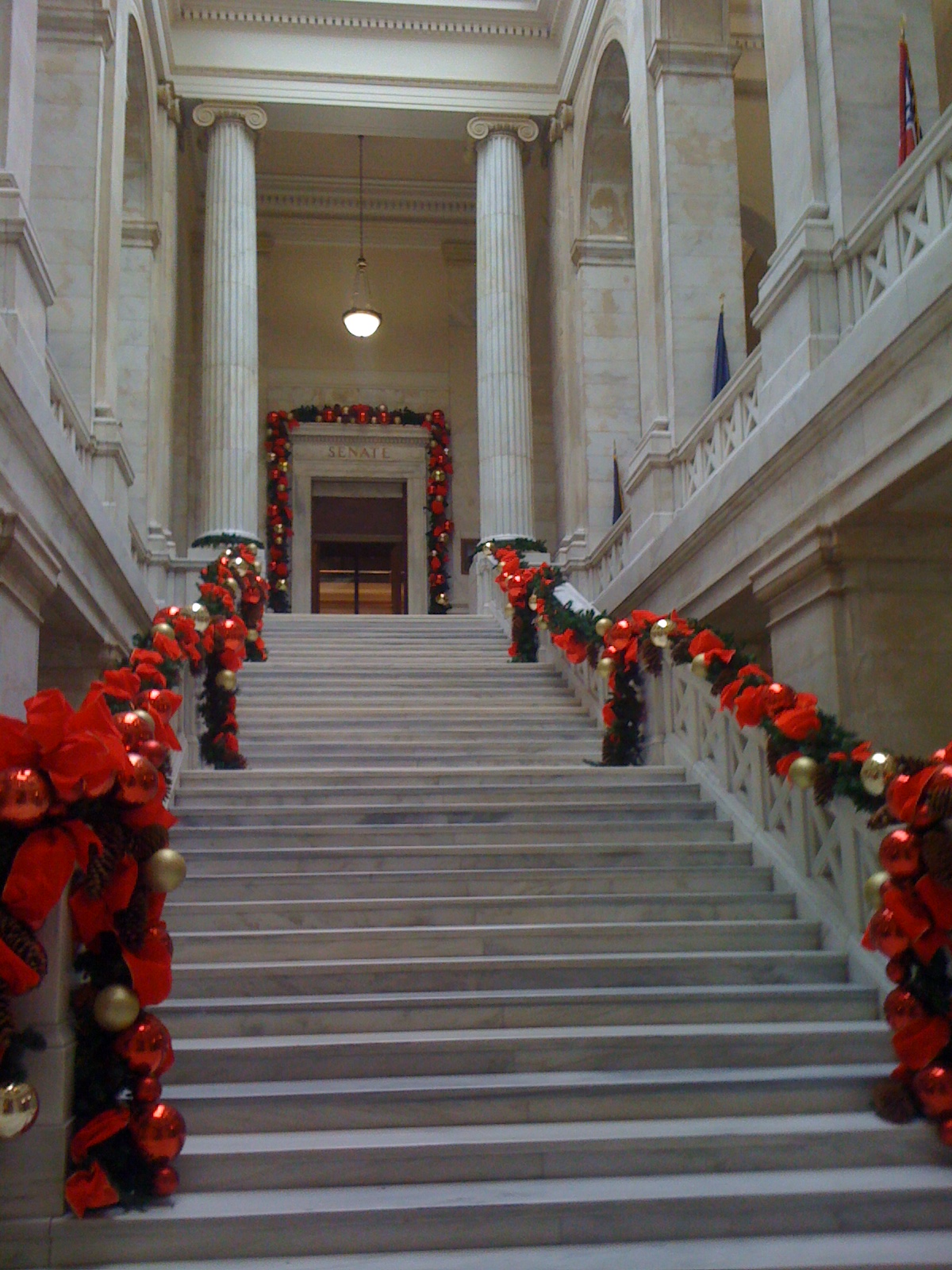
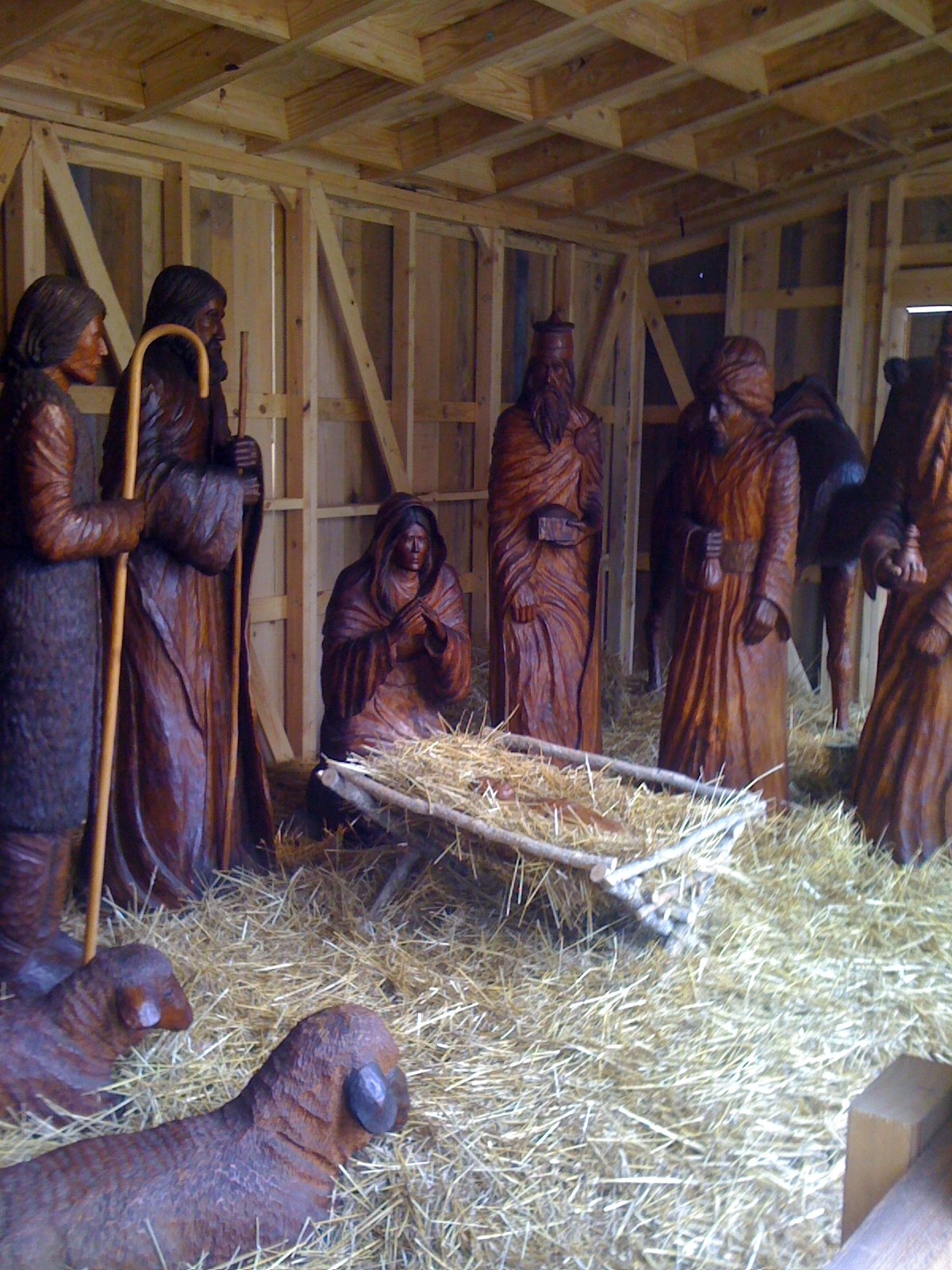
The nativity scene has also changed in location and materials having once been plaster or plastic and at the top of the stairs in front of the brass doors, later moving to several different places on the grounds. It is now had carved wood.  The interior decorations have changed over the years as well. 

Whatever the decorations may be, it is wonderful to see families of various sizes from all corners of the state come to their state capitol building to experience the wonders of the season.

Oxford American music issue: Thank God for Mississipppi. truly

The Oxford American’s 13th annual Southern music issue came out earlier this month.  The focus for December 2011 is the Magnolia State. It comes complete with a 27-song CD.  The website also has links to music not contained on the CD.

As the Little Rock and Conway-based magazine notes, Mississippi can lay stake to being birth of blues, rock and country.

The issue contains articles on:

* Sam Phillips’s greatest musical

* The x-rated origins of blues lyrics

* Mississippi John Hurt

PLUS: A special section of The OA featuring lists and musings by contributors including Roy Blount, Jr., Nick Hornby, and Rosanne Cash.