
 On January 13, 1916, the Little Rock City Council formally accepted Pulaski Heights into the City of Little Rock.
The Council had held a regular meeting on Monday, January 10, 1916, which was the same evening as the final meeting of the Pulaski Heights City Council.
Three days later, on Thursday, January 13, 1916, Mayor Charles Taylor again convened the Little Rock City Council to take the steps to officially annex Pulaski Heights into Little Rock.
By Ordinance 2259, the City’s boundaries were increased to include the land which had been Pulaski Heights. Resolution 918 directed city staff to replat the land, which was necessary to bring the land in accordance with existing city plats and documents.
Resolution 919 set forth January 20 as a special election date to elect the two new members of the Little Rock City Council who would represent the new Ninth Ward of Little Rock. Those who won would serve until April 1916. The election would also serve as the primary for the April election. Back then, winning the Democratic primary for a City race was tantamount to winning the race. Since there were two seats being created, one would have a two year term, the other would be for only one year. The candidate receiving the most votes on January 20 would, after April, take up the two year term and be able to run for re-election in April 1918. The candidate with the second highest total of votes would win the one-year term and be up for re-election in April 1917. At the time, there were three publicly declared candidates for the two seats. Another had been interested, but dropped out that morning.
Making Pulaski Heights the Ninth Ward was not the only focus of the City Council meeting. An ordinance was also approved which allocated $438 for the purchase of beds, mattresses, chairs and other furniture for the City hospital. (That is the equivalent of nearly $10,000 today.) The Council then reimbursed a doctor the $438, which presumably had been spent on making the purchases.
 104 years ago today, the Pulaski Heights City Council held its final meeting. Following the January 4 annexation election, Mayor L. H. Bradley convened the Pulaski Height City Council for the final time on January 10, 1916.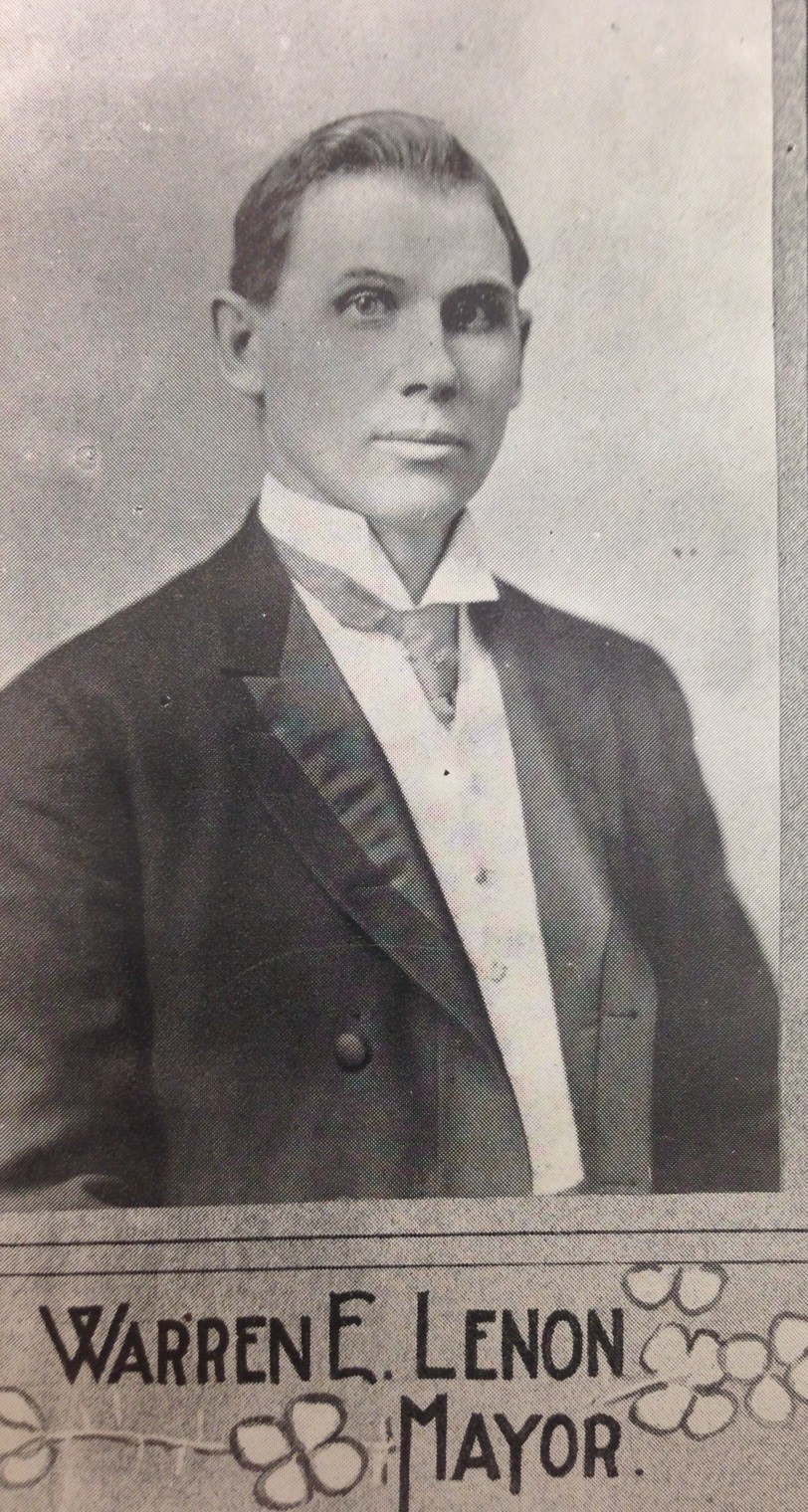
 On September 28, 1905, the first meeting of the Pulaski Heights City Council took place. The newly elected Mayor was J. H. Joslyn, the Recorder was F. D. Leaming, and new Alderman present were E. E. Moss, Maxwell Coffin and C. C. Thompson. Pulaski Heights had been incorporated on August 1, 1905. At that time its population was estimated at between 300 and 400.
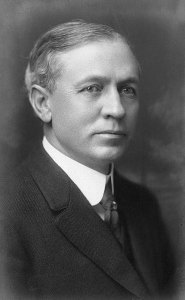 Bill Clinton has the distinction of being both the 42nd President of the United States and the 42nd Governor of Arkansas. But the 42nd Mayor of Little Rock was Charles E. Taylor.
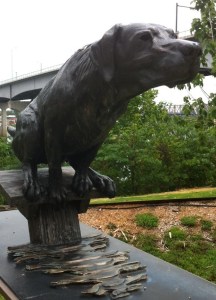 Ken Newman’s FOREVER READY was donated in 2009 by the Sculpture at the River Market. It is sited in the Vogel Schwartz Sculpture Garden. Mr. Newman is a member of the National Sculptors’ Guild. One of Mr. Newman’s specialties is animals. Cast in bronze, Forever Ready depicts a Labrador. Here is Mr. Newman’s artist statement on the piece.

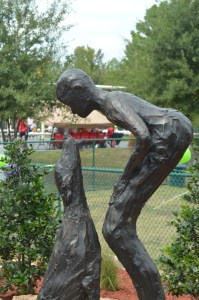 In 2015, the Little Rock Animal Village unveiled Lorri Acott’s WHO RESCUED WHO. Located at the entrance to the Little Rock Animal Village, it depicts a person and dog looking at each other. They are sharing a bond of respect, admiration and love.
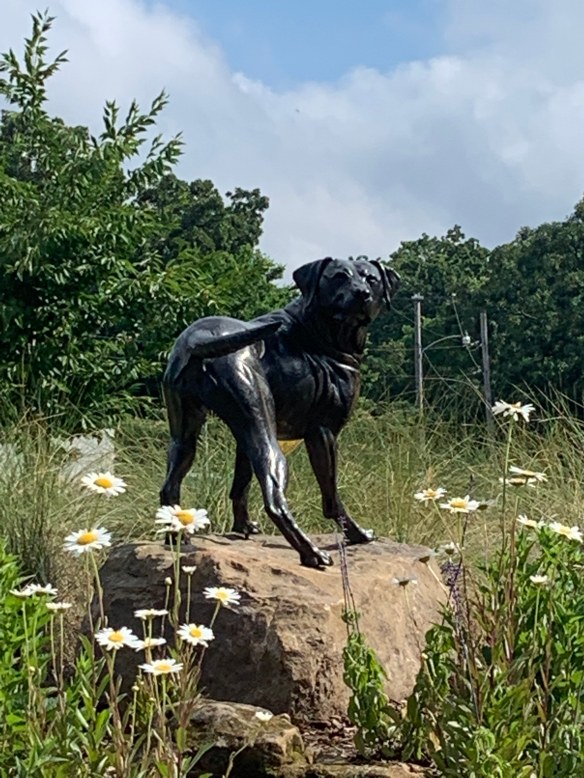 Little Rock’s newest canine sculpture is Ken Newman’s Taking Attendance. It is installed in the new roundabout at Kavanaugh and McKinley.
 On March 3, 1866, William Marmaduke Kavanaugh was born in Alabama. He later moved with his family to Kentucky before coming to Little Rock as a newspaper reporter.
 Little Rock Culture Vulture