
 Dan T. Sprick was a Little Rock Mayor for two years in the 1940s after having previously served on the City Council. From 1961 until 1970, he served as a State Senator from Little Rock and was a reliable ally for Governor Orval Faubus. Once Faubus left office and was replaced by Governor Winthrop Rockefeller, Sprick continued to wave the banner of segregation and agitation. One of his new focuses was boxer Muhammad Ali.
In 1969, the University of Arkansas announced that Ali would be one of the speakers for its public appearance series. After refusing to be drafted and go to Vietnam, Ali was barred from earning a living as a professional boxer and so was making a living giving lectures. His refusal to submit to the draft was based on his religious beliefs as a recent convert to the Nation of Islam.
Opposition to Ali’s appearance rose almost immediately, and from Little Rock not Fayetteville. The Pulaski Businessman’s Association sent a letter to UA president David Mullins asking him to bar Ali from speaking. President Mullins insisted that he had the right to speak on campus. When that didn’t work, Senator Sprick and his cohorts in the state’s upper chamber went to work. A resolution calling for Ali to be barred from speaking failed on a voice vote after much debate.
While there were certainly some racial overtones to Sprick’s opposition, he and others seemed to be more concerned over the former Cassius Clay’s conversion to Islam plus his ensuing refusal to be drafted. Senator Sprick declared that if President Nixon would draft him now he would go to serve in Vietnam. (Sprick was in his late 60s at the time.)
Ali’s speech on the campus actually caused some controversy on its own. One of the things he advocated for segregation. He praised Alabama Governor George Wallace. The Arkansas Gazette which had been following the saga in both news stories and editorials, noted that remarks like that should have endeared Ali to Dan Sprick and others.
Ali, of course, resumed his boxing career and defined that sport in the 1970s with his talent in the ring and his showmanship.
Based on an editorial, Sprick sued the Gazette for libel. The paper settled with him out of court because his health was poor. Sprick died in 1972.


 The new Arkansas Civil Rights History Audio Tour was launched in November 2015. Produced by the City of Little Rock and the University of Arkansas at Little Rock allows the many places and stories of the City’s Civil Rights history to come to life an interactive tour. This month, during Black History Month, the Culture Vulture looks at some of the stops on this tour which focus on African American history.
 On February 3, 1920, future Little Rock Mayor George Wimberly was born in Star City. He served his country first in the Civilian Conservation Corps and later aboard a U.S. Naval Department hospital ship in the Pacific during World War II.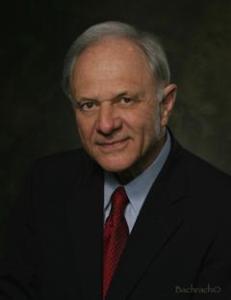
 Little Rock Culture Vulture