Legacies & Lunch Looks at Slavery in Arkansas

legaciesSlave resistance in Arkansas is the topic of Legacies & Lunch in January. Kelly Houston Jones, a Ph.D. candidate at the University of Arkansas, will present “A Rough, Saucy Set of Hands to Manage,” a discussion of her research on slavery in Arkansas.

This work was the lead essay in the Spring 2012 issue of Arkansas Historical Quarterly. Making extensive use of legal documents and carefully reading oral histories, Jones sought “to recover the slave point of view in examining explicit resistance.” She concludes that “slaves’ resistance in Arkansas seems to have had more to do with making their lives a little easier than with a continuing, self conscious effort to undermine the slave regime.”

Legacies & Lunch is free, open to the public, and supported in part by the Arkansas Humanities Council. The program is held from noon-1 p.m. on the first Wednesday of each month in the Main Library’s Darragh Center. Attendees are invited to bring a sack lunch; drinks and dessert will be provided.

The Butler Center for Arkansas Studies is a department of the Central Arkansas Library System (CALS). It was founded in 1997 to promote the study and appreciation of Arkansas history and culture. The Butler Center’s research collections, art galleries, and offices are located in the Arkansas Studies Institute building at 401 President Clinton Ave. on the campus of the CALS Main Library.

For more information, call 918-3086.

Little Rock Look Back: John Gould Fletcher, 32nd Mayor of Little Rock

IMG_4006Future Little Rock Mayor John Gould Fletcher was born on this date in 1831. The son of Henry Lewis and Mary Lindsey Fletcher, he later served as a Captain in the Capital Guards during the Civil War. One of his fellow soldiers was Peter Hotze.

Following the war, he and Hotze began a general merchandise store in Little Rock. They were so successful that they eventually dropped the retail trade and dealt only in cotton. Peter Hotze had his office in New York while Fletcher supervised company operations in Little Rock. In 1878 Fletcher married Miss Adolphine Krause, sister-in-law of Hotze.

John Gould Fletcher was elected Mayor of Little Rock from 1875 to 1881. He was the first Mayor under Arkansas’ new constitution which returned all executive powers to the office of the Mayor (they had been split under a reconstruction constitution). Following his service as Mayor, he served one term as Pulaski County Sheriff. Mayor Fletcher also later served as president of the German National Bank in Little Rock.

Mayor and Mrs. Fletcher had five children, three of whom lived into adulthood. Their son was future Pulitzer Prize winning poet John Gould Fletcher (neither father nor son used the Sr. or Jr. designation). Their two daughters who lived to adulthood were Adolphine Fletcher Terry (whose husband David served in Congress) and Mary Fletcher Drennan.

In 1889, Mayor Fletcher purchased the Pike House in downtown Little Rock. The structure later became known as the Pike-Fletcher-Terry House. It was from this house that Adolphine Fletcher Terry organized the Women’s Emergency Committee which worked to reopen the Little Rock public schools during the 1958-1959 school year.

In the 1960s, sisters Adolphine Fletcher Terry and Mary Fletcher Drennan deeded the house to the City of Little Rock for use by the Arkansas Arts Center. For several decades it served as home to the Arts Center’s contemporary craft collection. It now is used for special events and exhibitions.

Mayor Fletcher died in 1906 and is buried in Mt. Holly Cemetery along with various members of his family. His grandson William Terry (son of Adolphine Fletcher Terry) and members of his family still reside in Little Rock.

Little Rock Look Back: David Fulton, 4th Mayor of Little Rock

MayorFultonOn this date in 1771 in Ireland, future Little Rock Mayor David Fulton was born.  He served as the fourth and final mayor of the Town of Little Rock in 1835. His term was cut short by the transition of Little Rock from town to city status. Once that happened in November 1835, a new election had to be held.

Mayor Fulton was also proprieter of the Tan Yard, a tanning operation in Little Rock.   He later served as a judge and was appointed as  Surveyor General of Public Lands in Arkansas by President Martin Van Buren in 1838.

Mayor Fulton married Elizabeth Savin in 1794 in Maryland.  Among their children was William Savin Fulton who served as Territorial Governor of Arkansas in 1835 and 1836 and was one of Arkansas’ first US Senators upon statehood in 1836.  Mayor Fulton was serving as Mayor at the same time his son was Governor.

Mayor Fulton died on August 7, 1843 and is buried at Mt. Holly Cemetery as are his wife and several other members of his family.

2 times 13 photos of 2013

Here are 26 of the Culture Vulture’s favorite photos from 2013.

Mount Holly Cemetery in January 2013.

Mount Holly Cemetery in January 2013.

A former movie theatre at 13th and Pine.

A former movie theatre at 13th and Pine.

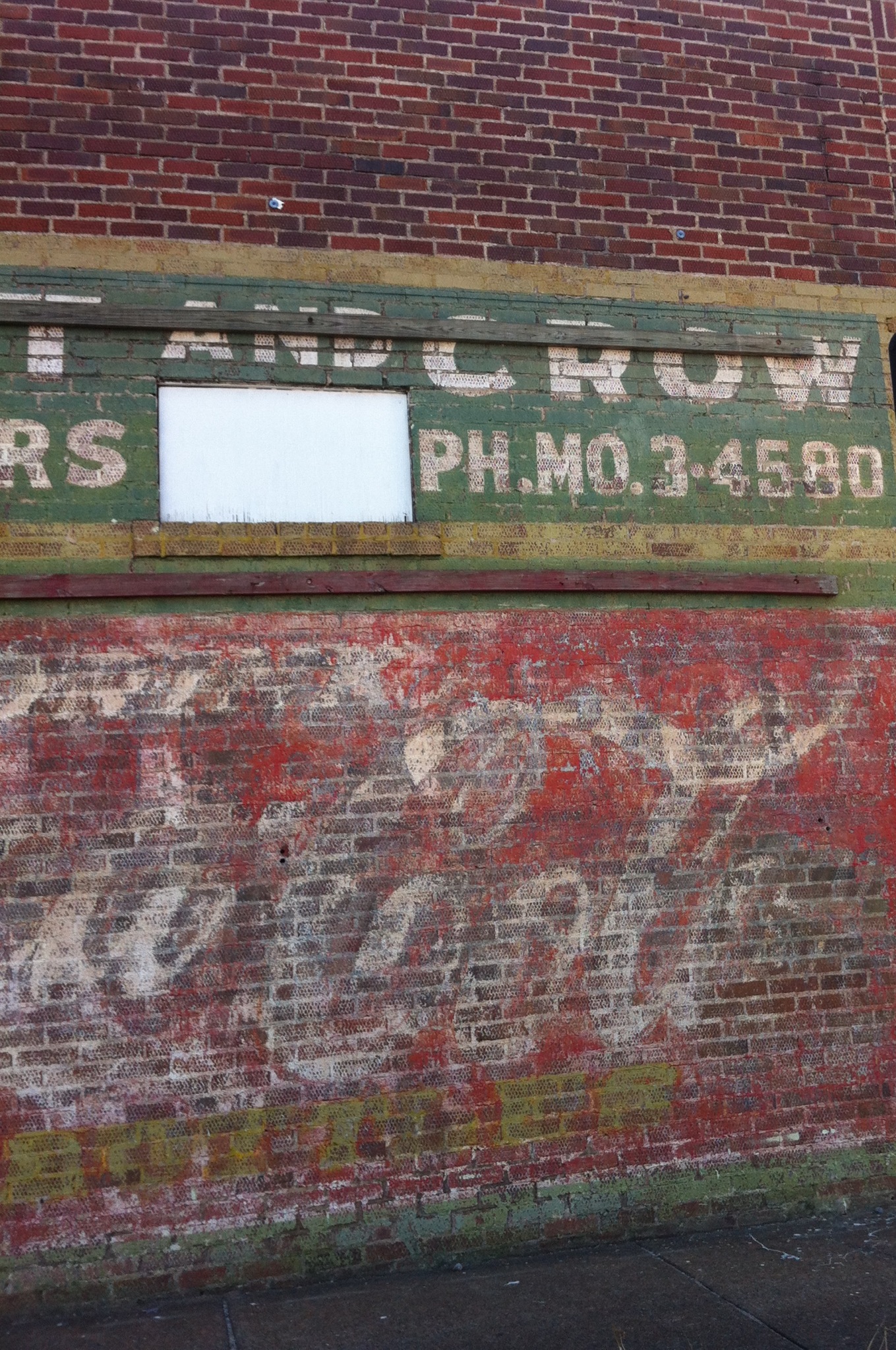
Faded advertisement at 12th and Cedar.

Faded advertisement at 12th and Cedar.

A father and daughter enjoying time together at the Arkansas Arts Center.

A father and daughter enjoying time together at the Arkansas Arts Center.

Looking up through the grand staircase at Little Rock City Hall.

Looking up through the grand staircase at Little Rock City Hall.

Peering through a piece of public art in the River Market.

Peering through a piece of public art in the River Market.

Doorways

Doorways

Inside one of the houses on the Quapaw Quarter Spring Tour.

Inside one of the houses on the Quapaw Quarter Spring Tour.

A Superhero and his mother leaving the library after checking out books and games.

A Superhero and his mother leaving the library after checking out books and games.

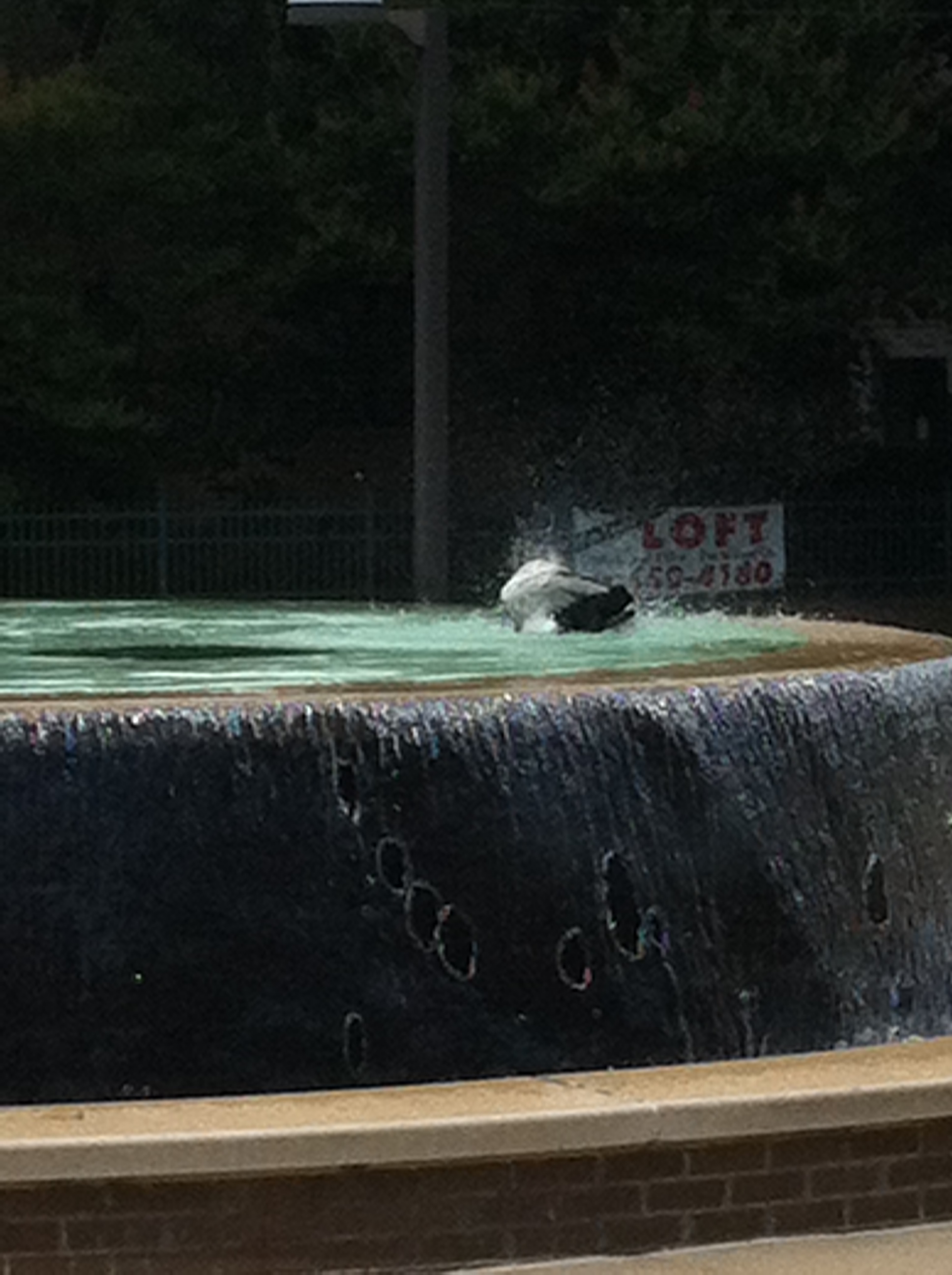
A duck enjoying the Carrie Remmel Dickinson Fountain at the Arkansas Arts Center.

A duck enjoying the Carrie Remmel Dickinson Fountain at the Arkansas Arts Center.

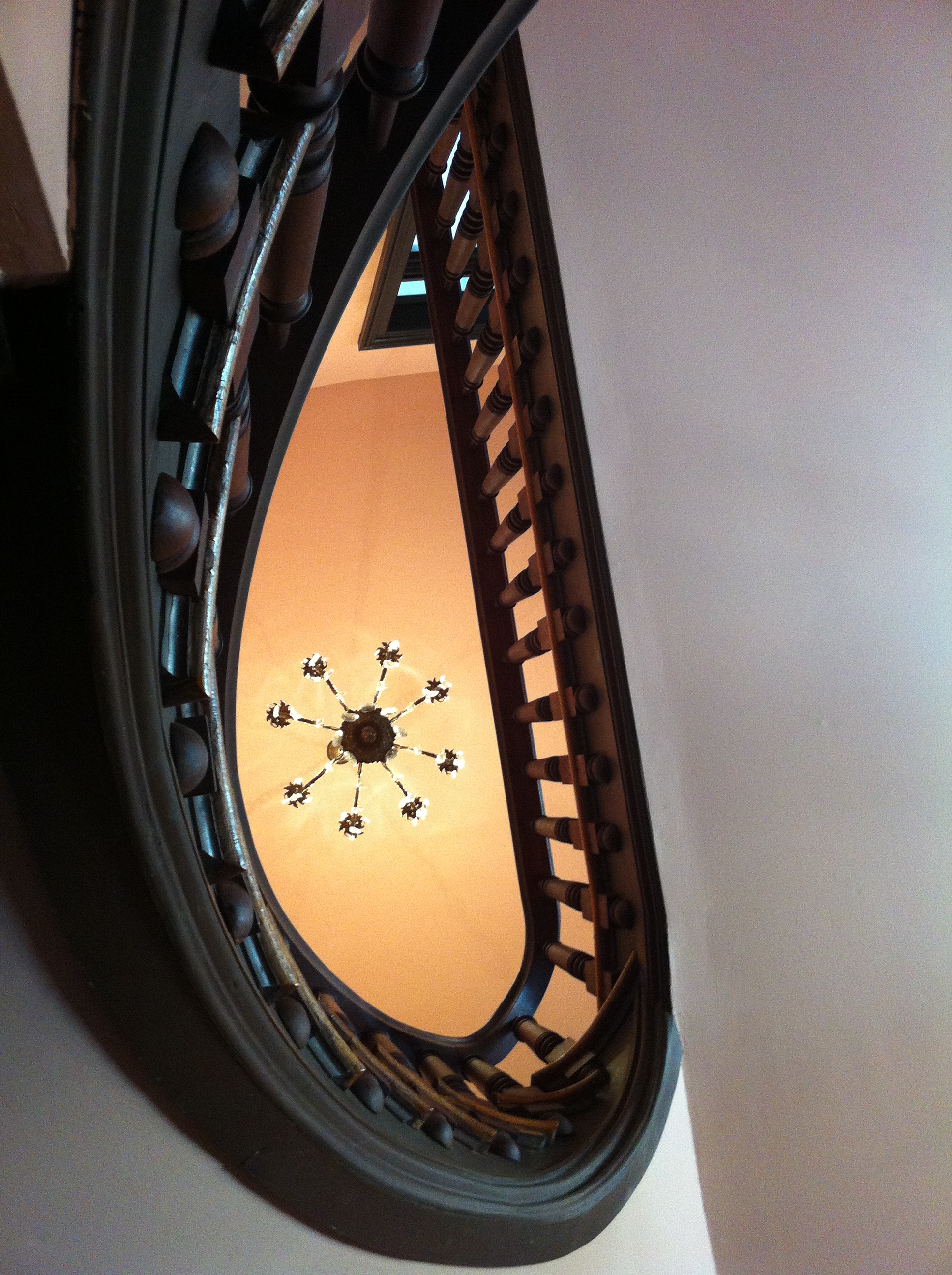
The stairwell in the Villa Marre.

The stairwell in the Villa Marre.

A downtown streetsign.

A downtown streetsign.

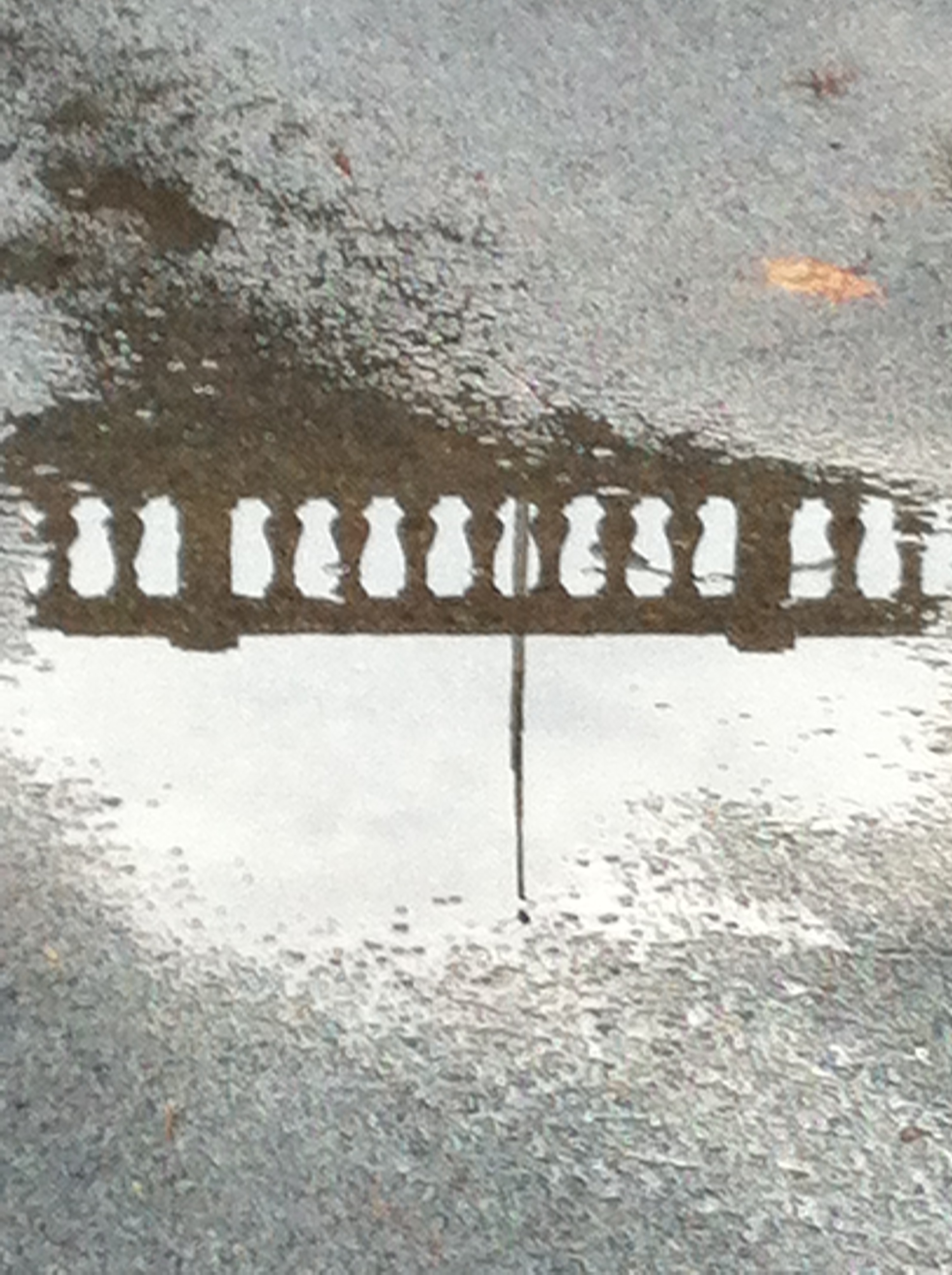
The Broadway Bridge balustrade reflected in a rain puddle.

The Broadway Bridge balustrade reflected in a rain puddle.

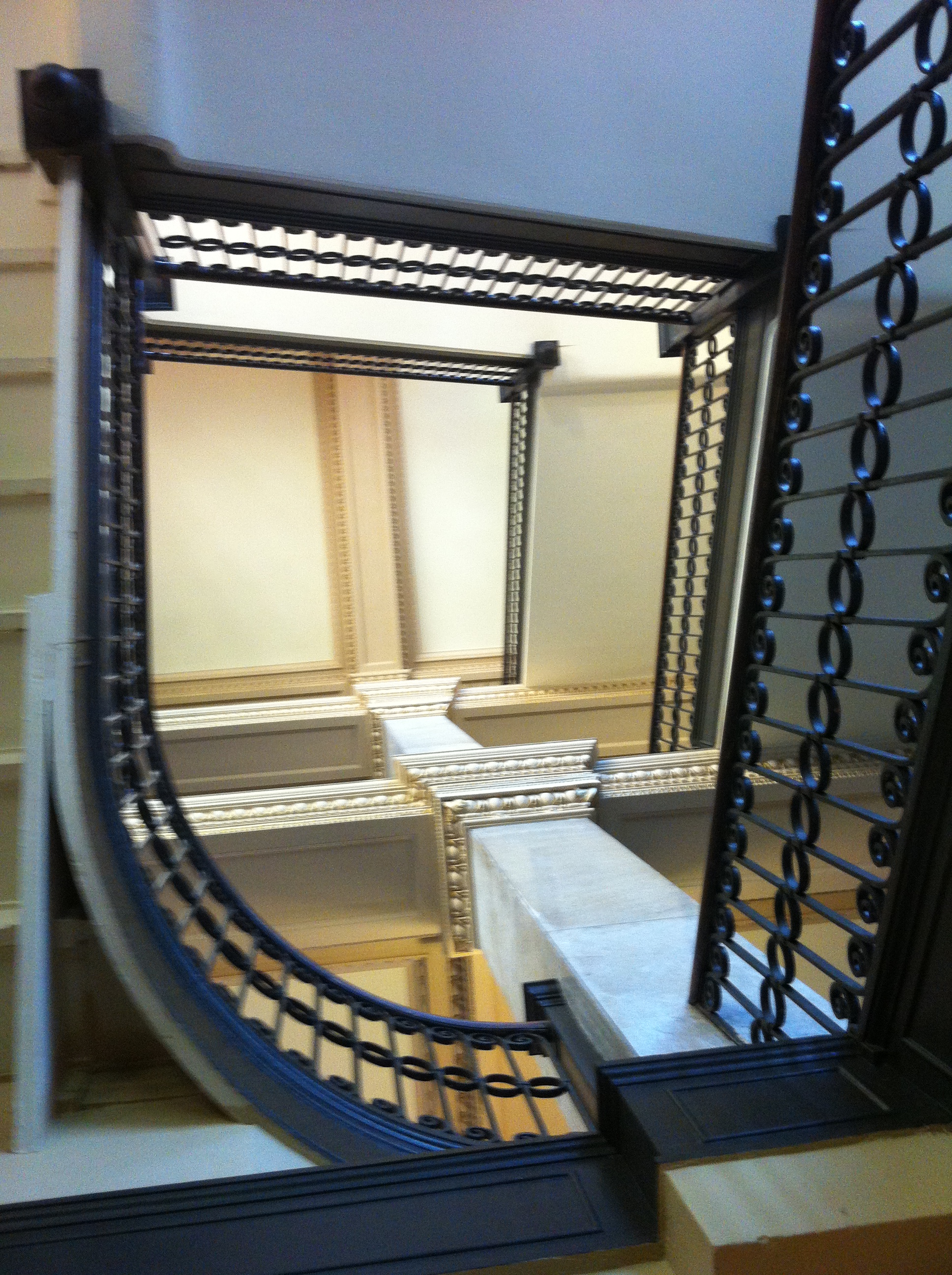
The stairwell in the auditorium on the Philander Smith campus.

The stairwell in the auditorium on the Philander Smith campus.

The Tower Building.

The Tower Building.

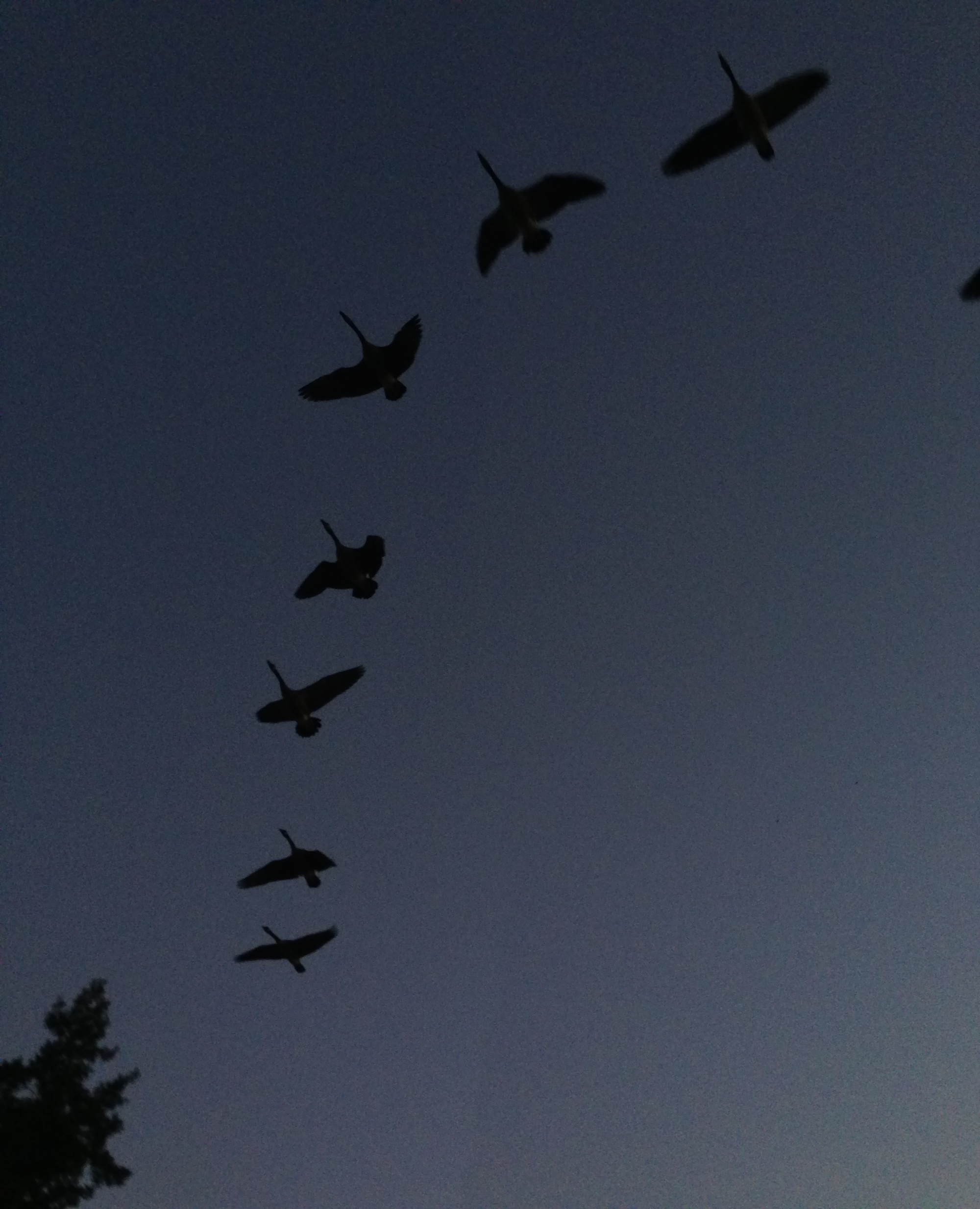
Geese at dusk over MacArthur Park.

Geese at dusk over MacArthur Park.

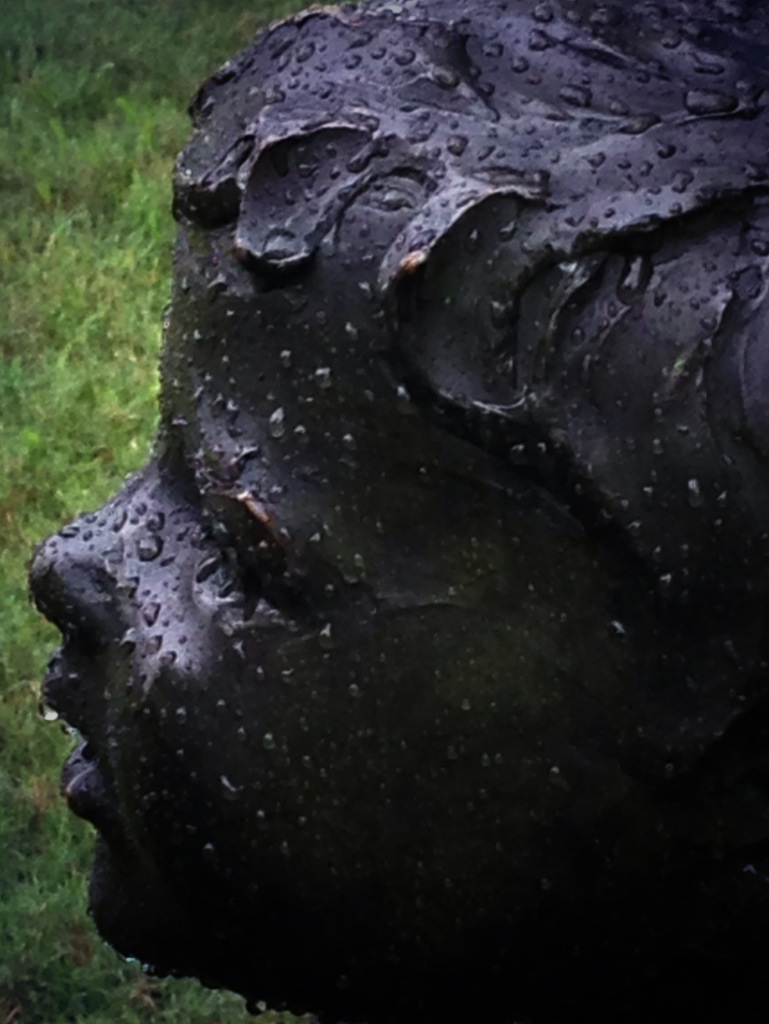
Raindrops rest on the new Patty Cake sculpture in Riverfront Park.

Raindrops rest on the new Patty Cake sculpture in Riverfront Park.

The Capital Hotel.

The Capital Hotel.

A pigeon at City Hall.

A pigeon at City Hall.

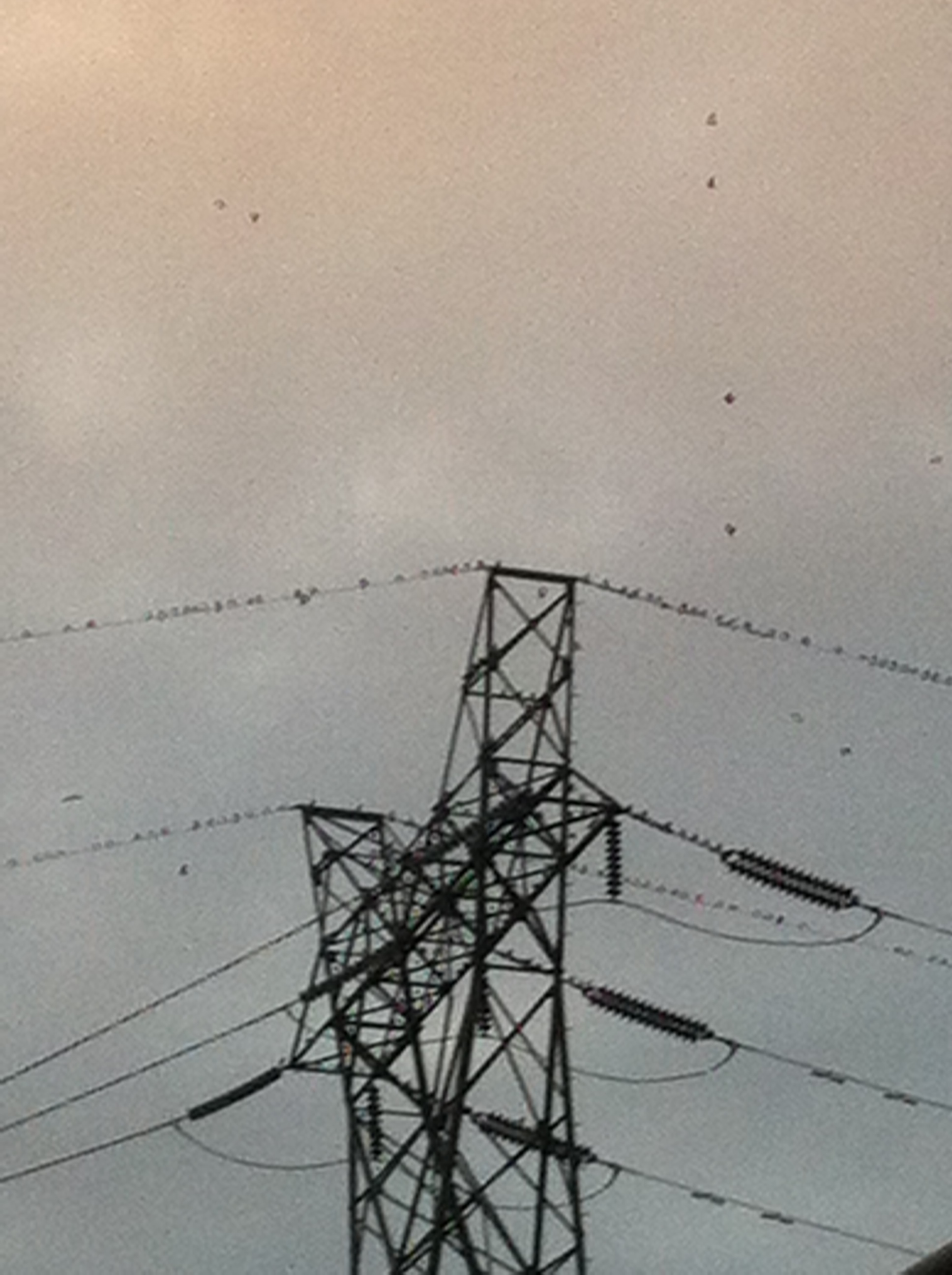
Birds alighting on transformer wires.

Birds alighting on transformer wires.

A downtown sidewalk.

A downtown sidewalk.

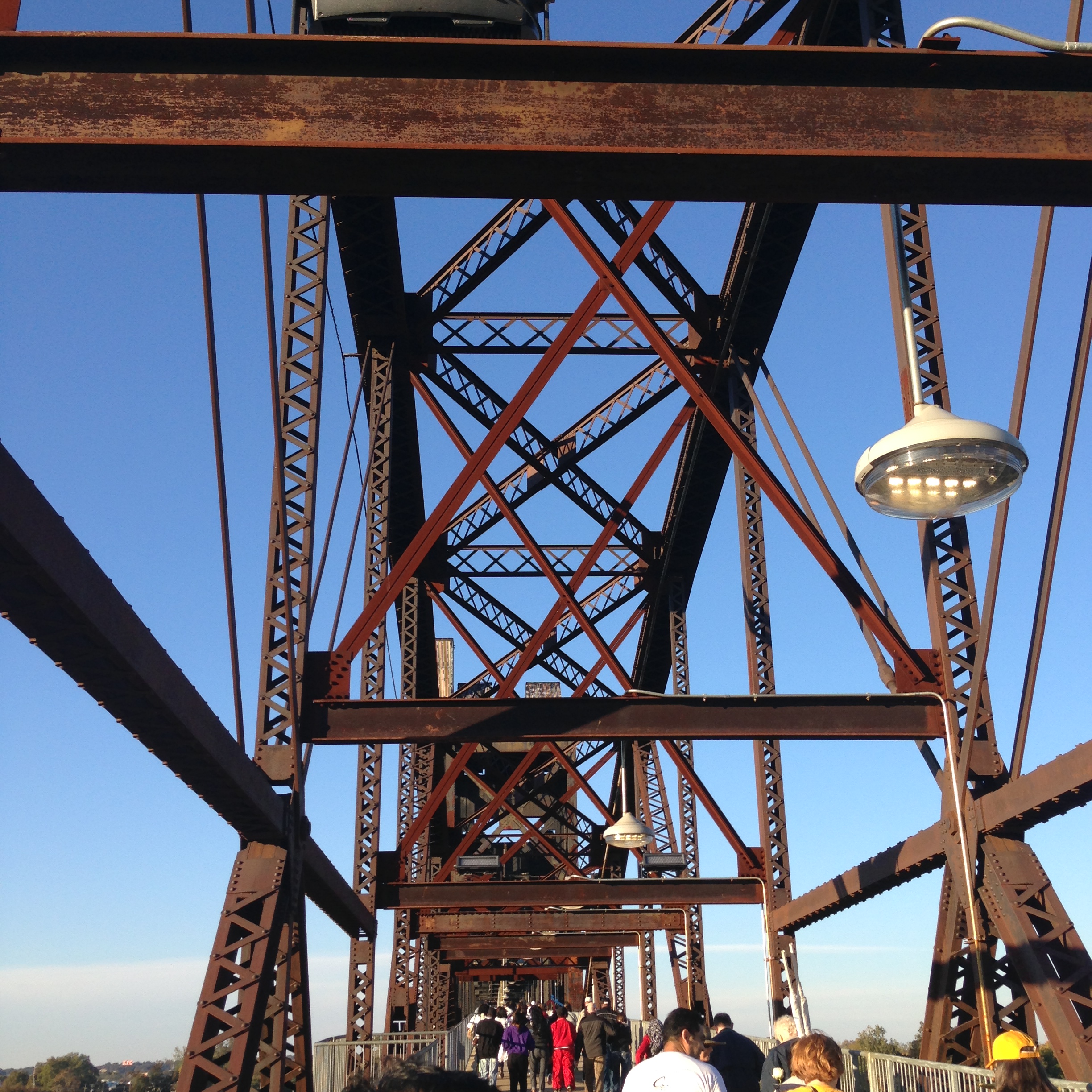
The Clinton Presidential Bridge during the JCA Walk for CommUNITY.

The Clinton Presidential Bridge during the JCA Walk for CommUNITY.

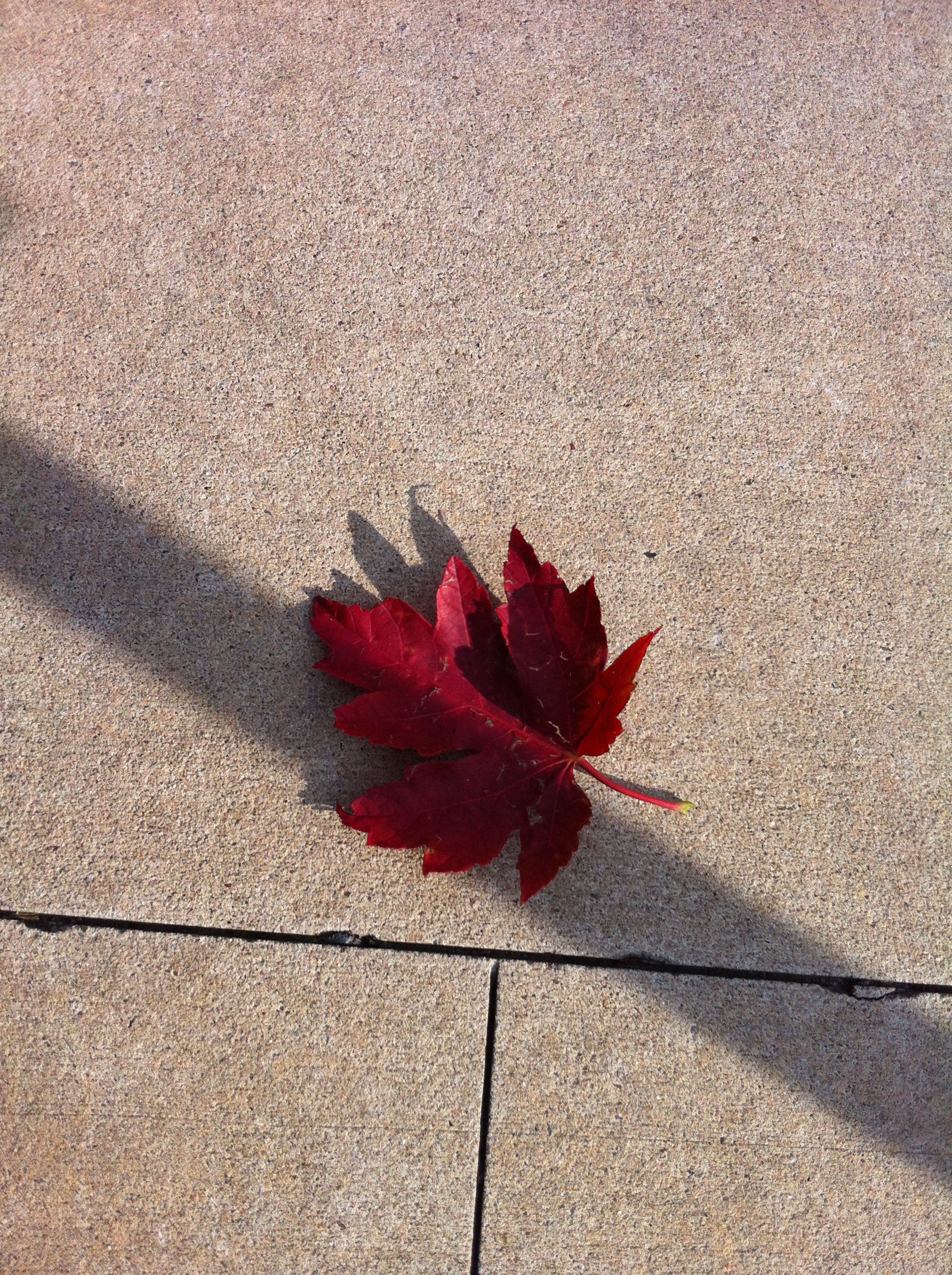
Gingko leaves in Hillcrest.

Gingko leaves in Hillcrest.

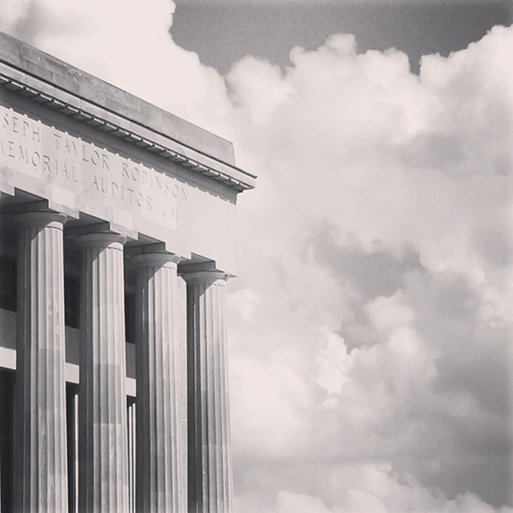
Robinson Auditorium

Robinson Auditorium

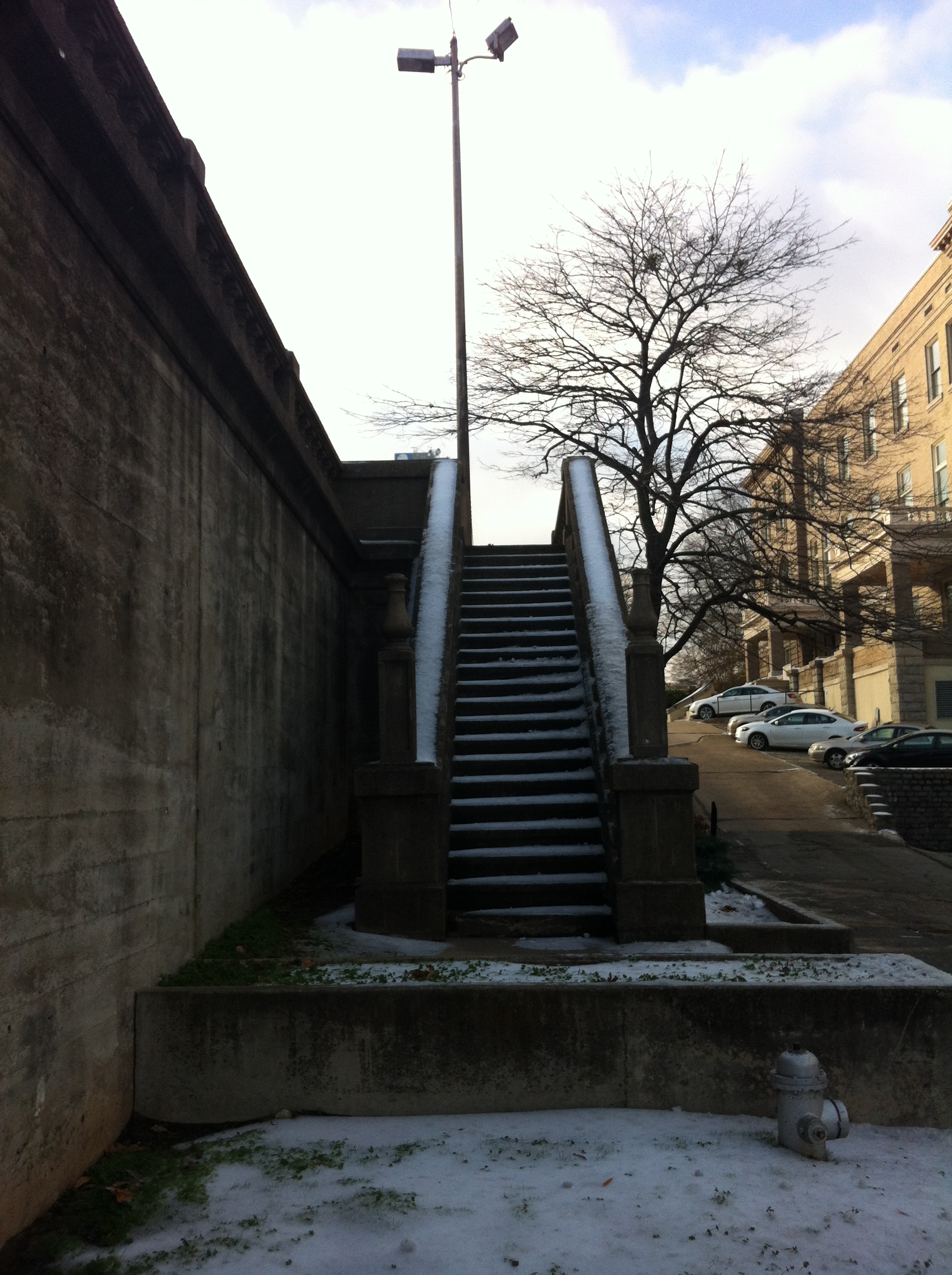
Steps along the Broadway Bridge after the December snow.

Steps along the Broadway Bridge after the December snow.

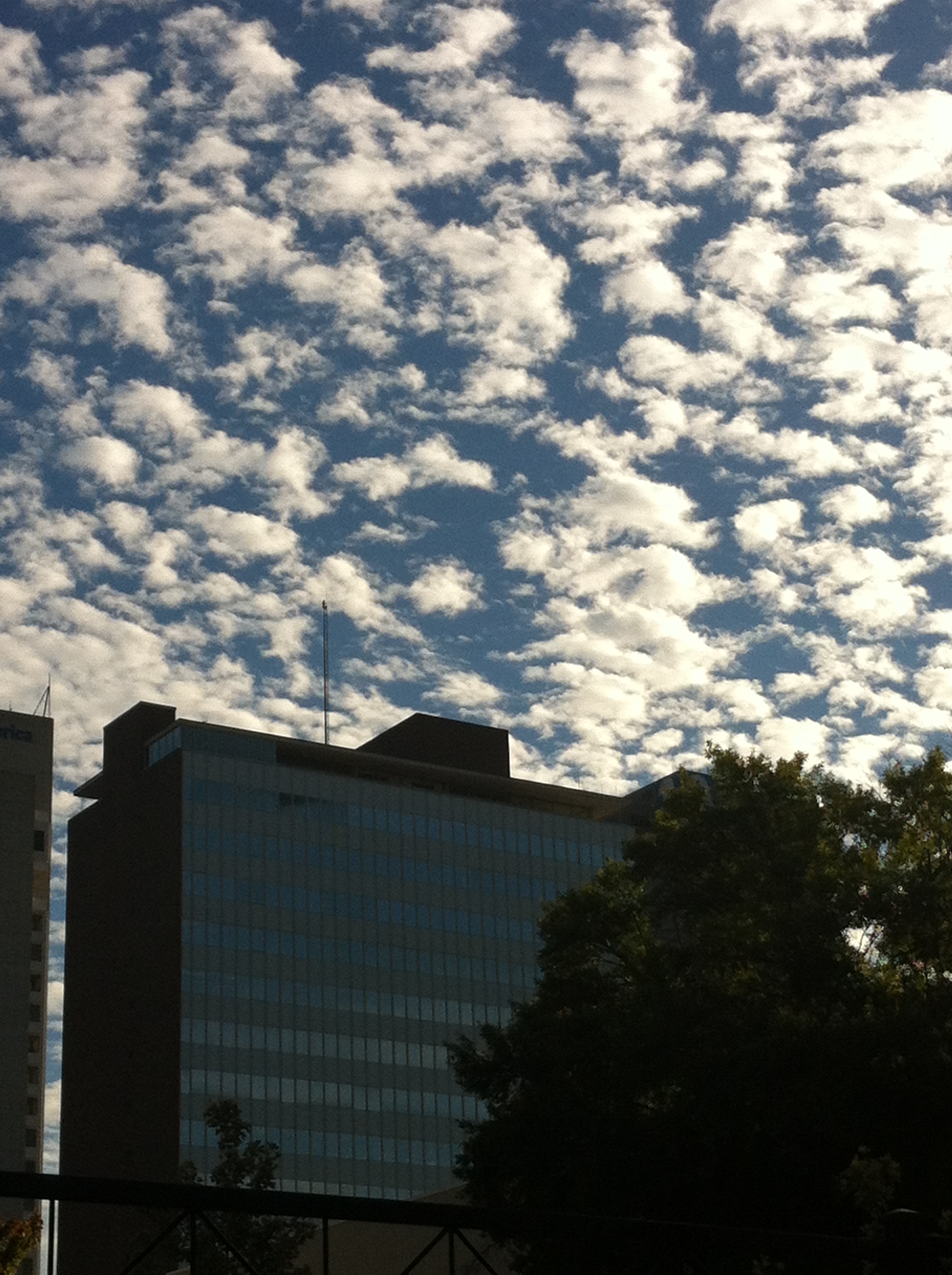
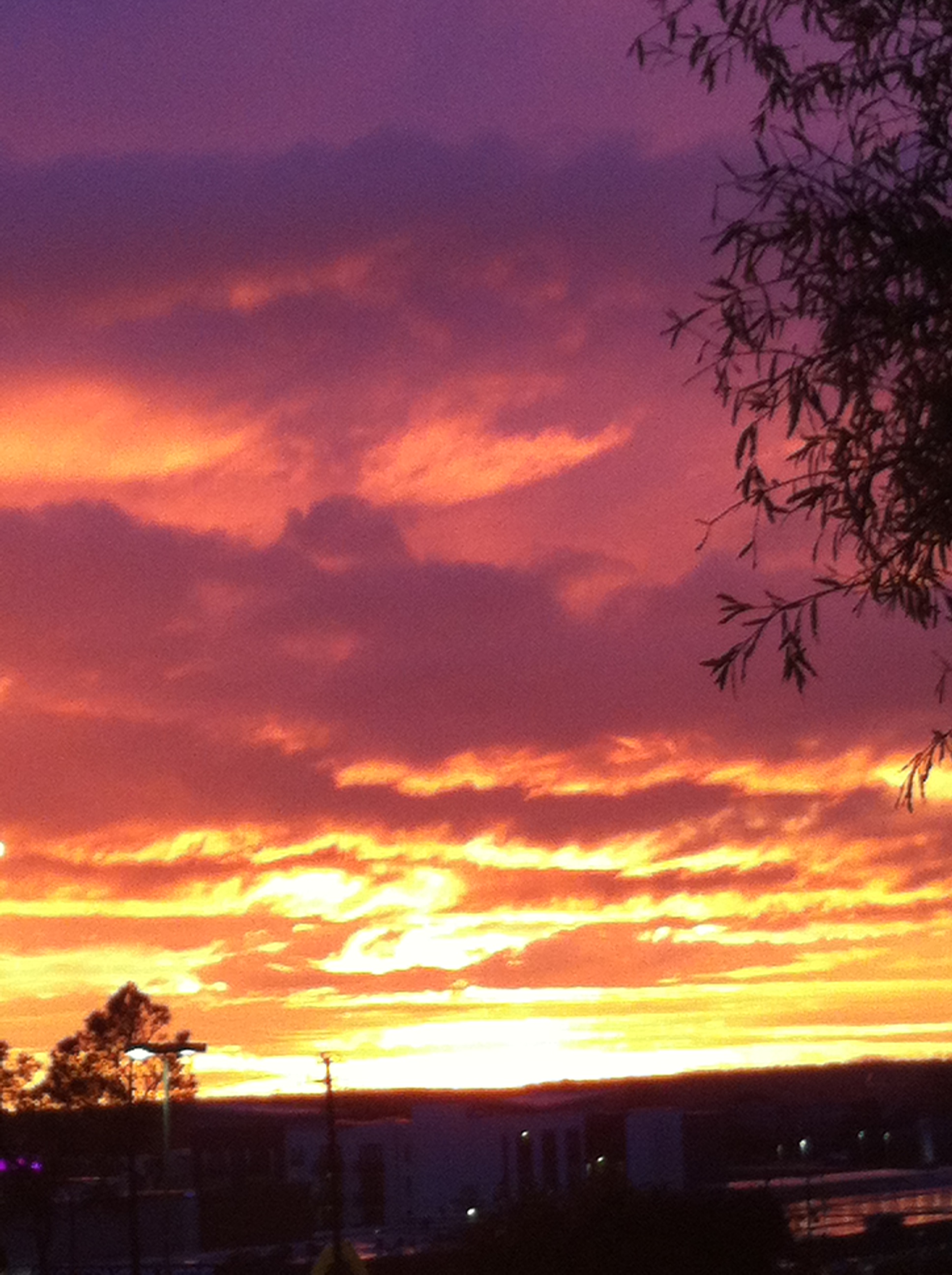
A December sunset in midtown Little Rock.

A December sunset in midtown Little Rock.

13 Cultural Highlights of 2013

In no particular order, here are 13 cultural highlights of 2013 in Little Rock.

10.+citylittlerock-21. The 73 year old Joseph Taylor Robinson Municipal Auditorium received a new lease on life when Little Rock voters approved an extensive, two-year plan for renovation, remodeling and expanding the new facility.

2. Speaking of Robinson, the new Ron Robinson Theatre was constructed in the Arcade Building.  It will be the flagship home of the Little Rock Film Festival as well as a site for events hosted by the Clinton School of Public Service and the Central Arkansas Library System.

3. The Little Rock Film Festival came downtown with all of its films being shown in downtown Little Rock and Argenta.  Among the highlights of the festival were Short Term 12, Bridegroom and Don John which have received plaudits at other festivals and are appearing on Best of 2013 lists as well as receiving award nominations.

4. As Main Street continues to redevelop, plans were announced in 2013 for the Arkansas Symphony Orchestra and Ballet Arkansas to each move their offices and rehearsal spaces downtown.  Joining them will be an expansion of educational space for the Arkansas Repertory Theatre.

5. A few blocks south on Main Street, the new South on Main restaurant and performance space opened.  Weekly performances of live music accent the food and drink under the leadership of Chef Matt Bell.

6. Further down Main Street, Little Rock’s newest museum opened.  The Esse Purse Museum honors women and their struggles, accomplishments, hopes and dreams through highlighting the purse.

7. Fashion also took center stage at the William J. Clinton Presidential Center as well with an exhibit on Oscar de La Renta.  In addition to showcasing his contributions to design, the exhibit attracted many boldfaced names from the worlds of fashion and politics to an event in Little Rock.

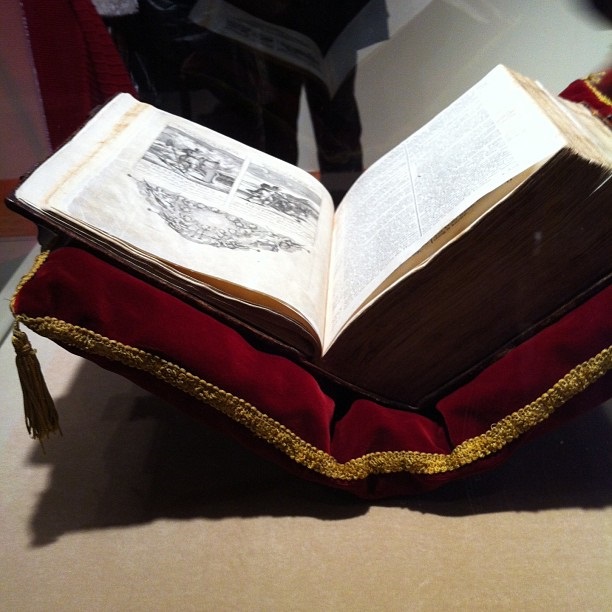
Washington Bible8. George Washington was the focus of two separate exhibits in Little Rock during 2013.  Historic Arkansas Museum showcased his inaugural Bible as well as his family Bible.  At the Clinton Presidential Center “A Tribute to George Washington” was on display.  It featured George Washington’s personal copy of the U.S. Constitution and Bill of Rights from Mount Vernon, and a portrait of George Washington painted in 1797 by artist Gilbert Stuart on loan from the Crystal Bridges Museum of American Art.

9. The amphitheatre in Riverfront Park received a new name (First Security Amphitheatre) and a new roof just in time to kick off its 26th year and to play host to musical acts during Riverfest.

10. Rembrandt and Rothko were just two of the artists featured in exhibits at the Arkansas Arts Center through 2013.  The Arts Center featured the exhibit Treasures of Kenwood House which highlighted the works of Rembrandt, Van Dyck and many other world class artists.  Earlier in the year, exhibits highlighted Bauhaus architecture and relics of the Japanese internment camp at Rohwer.  The Arts Center was also the site of the world’s second largest yarn bomb installation.

Babe Sophie11. The Little Rock Zoo welcomed two new elephants: Sophie and Babe.  The Zoo also was the site of the birth of Bugsy the penguin and four new tiger cubs.  The tigers were born as the result of the Zoo’s new tiger exhibit which facilitated not only easier mating but also allows for the separation of the mother and cubs from the father.

12. The Central Arkansas Library System opened its new Children’s Library.  A few months after the building opened, a name was bestowed and it is now known as the Hillary Rodham Clinton Children’s Library and Learning Center.

13. As 2013 drew to a close, the holiday decorations at the Capital Hotel received international recognition as Forbes named them one of the ten best hotel Christmas trees in the world.  The nearly 30 foot tree was decorated by Tipton Hurst.

Little Rock Look Back: Jefferson George Botsford

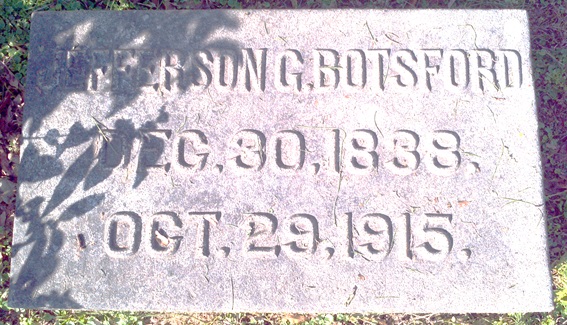
Botsford GraveOn December 30, 1838, future Little Rock Mayor Jefferson George Botsford was born in Port Huron, Michigan.  He married Charlotte Adelia Henry on June 13, 1867.  She had been born in Massachusetts, but moved to Little Rock with her parents and grandparents.

The couple had seven children: Nellie, Charlotte, Harriett, James, Edward, George and Charles. Nellie, James and Charles died in childhood.

Botsford had served in the Union Army and fought in frontier battles against Indians.  Among his commercial involvements in Little Rock were serving as mail contractor between Little Rock and Baton Rouge, proprietor of Anthony House, organizer of Merchants National Bank and president of the White River Valley & Texas Railroad.

In 1868, Botsford was elected to the Little Rock City Council.  The City Council suspended Mayor A. K. Hartman in February 1870.  Elected in 1869, he was disliked by the aldermen, the press and a portion of the public.  A court order overturned the suspension in June 1870.  In January 1871, Mayor Hartman was again suspended by the Council.  This time, Botsford was declared Mayor.  However Hartman also still claimed the title of Mayor through the remainder of his term in November 1871.

After stepping down as Mayor with the election of Robert Catterson in November 1871, Botsford returned to private life.  He died on October 29, 1915 and is buried at Mount Holly Cemetery.

Little Rock Look Back: Frederick G. Kramer

Mayor KramerOn December 29, 1829, future Little Rock Mayor Frederick G. Kramer was born in Halle, Prussia.  In 1848, he immigrated to the United States.  Kramer enlisted in the United States Army and served in the Seventh Infantry until his discharge at Fort Gibson, Indian Territory, in July 1857. After his discharge, Kramer settled in Little Rock, and became a citizen in 1859. He married Adaline Margaret Reichardt, an emigrant from Germany, in 1857. They had six children Louisa, Mattie, Emma, Charles, Fred, and Henry.

From 1869 to 1894, Kramer served on the Little Rock School Board.  He was the first School Board president.  Among his other civic activities were serving as president of the Masonic Mutual Relief Association, a founder of the Mount Holly Cemetery Commission, and a founder of Temple B’nai Israel.  In 1875 he and F. A. Sarasin opened a mercantile business. Kramer later became the president of the Bank of Commerce.

Frederick Kramer was elected Mayor of Little Rock in November 1873.  He served until April 1875, when a new Arkansas Constitution took effect.

From November 1869 through March 1875, the City Council President presided over City Council meetings and signed ordinances, performing many of the duties formerly ascribed to the Mayor.  As such, during his Mayoral tenure from 1873 to 1875, Kramer was the Chief Executive of the City but did not preside over Council Meeting.  When he had served on the City Council, however, Kramer had been elected President of the Council and had presided over Council meetings from October 1871 to May 1872

Kramer was returned to the Mayoralty in April 1881 and served three more terms leaving office in April 1887.  His tenure as an Alderman and as Mayor overlapped with his service on the school board.

A new Little Rock elementary school which opened in 1895 on Sherman Street was named the Fred Kramer Elementary School in his honor.  Though the building’s bell tower was removed in the 1950s, the structure still stands today.  It now houses loft apartments.

Frederick G. Kramer died on September 8, 1896, in Colorado Springs, Colorado.  A few months earlier, he had traveled there with his wife and daughter Emma to recuperate from an illness. He is buried in Oakland Cemetery.