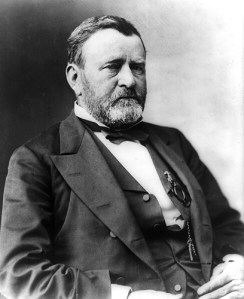
Little Rock Look Back: U S Grant speaks in Little Rock

US_Grant_fOn April 15, 1880, former president Ulysses S. Grant spoke in Little Rock as part of his world tour. While here he made a couple of appearances and participated in a parade. It was Grant’s first visit to Arkansas either as a soldier or a politician.

At his outdoor speech, his remarks followed brief comments by Governor William R. Miller and Mayor John Gould Fletcher (erroneously referred to as John C. Fletcher in the Memphis Appeal story the next day). Grant’s comments were brief and flowery. He thanked Arkansans for a warm welcome, praised the future prospects of Arkansas and discussed the demise of what he termed “sectionalism” which was undoubtedly a reference to the division between the Union and and former Confederate states.

Also that day, Grant addressed a banquet in Concordia Hall (now part of the Arkansas Studies Institute complex on the Central Arkansas Library downtown campus). His was one of fifteen toasts that evening. It was simply “The United States of America, forever United.” He expounded briefly on the theme of unity of citizens from all states. He also discussed immigration noting, “All foreigners find a welcome here. We make them American citizens. After we receive them, it is but one generation until they are Americans.” He noted that he could speak much more on the topic, but that since he was but one of fifteen toasts and that there was to be music after each toast, “It will be to-morrow (sic) orning when we get through if we all take as much time as the subjects admit of.”

Marker at the Capital Hotel noting Grant's visit. Note that it refers to him as General instead of President.  At the time, only sitting Presidents were referred to as President.

Marker at the Capital Hotel noting Grant’s visit. Notice that it refers to him as General instead of President. At the time, only sitting Presidents were referred to as President.

Grant arrived in Little Rock on the night of April 14 and lodged at the Capital Hotel. He undoubtedly enjoyed some whiskey and cigars while at the Capital. Grant had originally planned on departing in the afternoon of April 15, but Little Rock leaders pled with him to stay so that he could be honored at the banquet. He assented.

Not everyone was thrilled to have the former commander of the Union Army in Little Rock. The story goes that when he was parading down the street, some Little Rock women (in a display of Souther un-hospitality) sat in chairs with their backs to the parade route. But all in all, it appears to have been a successful visit for the man who was the only Republican in the 19th Century to win Arkansas’ Electoral votes.

The Art of Carroll Cloar at the Ark Arts Center

 Carroll Cloar, The Smiling Moon Cafe, 1965, casein tempera on Masonite, 25 in. x 36 in., Private Collection, ©Estate of Carroll Cloar

Carroll Cloar, The Smiling Moon Cafe, 1965, casein tempera on Masonite, 25 in. x 36 in., Private Collection, ©Estate of Carroll Cloar

The Crossroads of Memory: Carroll Cloar and the American South exhibit opens tomorrow and runs through June 1.  There is a member reception tonight.

The paintings of Carroll Cloar (1913-1993), rank among the most haunting and beautiful evocations ever made of the American South. Drawing upon family stories, photographs of ancestors, rural scenery, small town life, and memories of his childhood on an Arkansas farm, Cloar captured the quiet richness of a simpler world.

Marking the centenary of the artist’s birth, The Crossroads of Memory: Carroll Cloar and the American South will include approximately seventy paintings, ranging from early Realist masterpieces to the poignant pictures of his later career.

An exhibition organized by the Memphis Brooks Museum of Art and the Arkansas Arts Center curated by Stanton Thomas, Curator of European and Decorative Art at the Memphis Brooks Museum of Art, the exhibition will feature works from major public collections as well as rarely seen pictures still in private hands.

Presented in Arkansas by: Arkansas Democrat-Gazette; Lisenne Rockefeller; Stella Boyle Smith Trust.

Sponsored in Arkansas by: Anonymous; Bailey Foundation; Sandra and Bob Connor; Terri and Chuck Erwin; Friday, Eldredge & Clark, LLP; Eileen and Ricardo Sotomora; John Tyson & Tyson Foods, Inc.; Arkansas Farm Bureau/Agriculture Council of Arkansas; Capital Hotel; Cindy and Greg Feltus; Munro Foundation; J.D. Simpson; Don Tilton; Gus and Ellis Walton.

The Thursday night lecture is sold out. You will have another chance to hear from the lecturer, Stanton Thomas, Ph.D., on Friday at noon during Feed Your Mind Friday in the galleries.

Lecture on artist Carroll Cloar tonight at Arkansas Arts Center

https://i0.wp.com/arkarts.com/image/Moonstricken-Girls-copy.jpg

Moonstricken Girls, 1968, Arkansas Arts Center Foundation Collection: Purchase, Seth Ward Acquisition Fund. ©Estate of Carroll Cloar

In anticipation of the exhibition, The Crossroads of Memory: Carroll Cloar and the American South, the Arkansas Arts Center is offering a special panel discussion with three scholars on the work of Carroll Cloar.It will take place tonight at 6pm in the Arkansas Arts Center Lecture Hall. A reception starting at 5:30 will precede it.

The panel will be moderated by Stanton Thomas, Ph.D., organizing curator and catalogue author, The Crossroads of Memory: Carroll Cloar and the American South. Panelists: Richard Gruber, Ph.D., Director Emeritus, Ogden Museum of Southern Art, University of New Orleans; David Lusk, representative of the Estate of Carroll Cloar, David Lusk Gallery, Memphis & Nashville; and Patty Bladon, Director of Development, University of Memphis College of Communication and Fine Arts.

The event is free for members, $10 for non-members. Tickets are required to attend. Space is limited.

The exhibit, which will run February 28 through June 1, is presented in Arkansas by the Arkansas Democrat-Gazette; Lisenne Rockefeller and the Stella Boyle Smith Trust.

Among those who are sponsoring it in Arkansas are the Bailey Foundation; Sandra & Bob Connor; Terri & Chuck Erwin; Friday, Eldredge & Clark, LLP; Eileen & Ricardo Sotomora; John Tyson & Tyson Foods, Inc.; Arkansas Farm Bureau/Agriculture Council of Arkansas; the Capital Hotel; Cindy & Greg Feltus; the Munro Foundation; J.D. Simpson; Don Tilton; and Gus & Ellis Walton.


ASO musicians in Capital Hotel lobby this evening

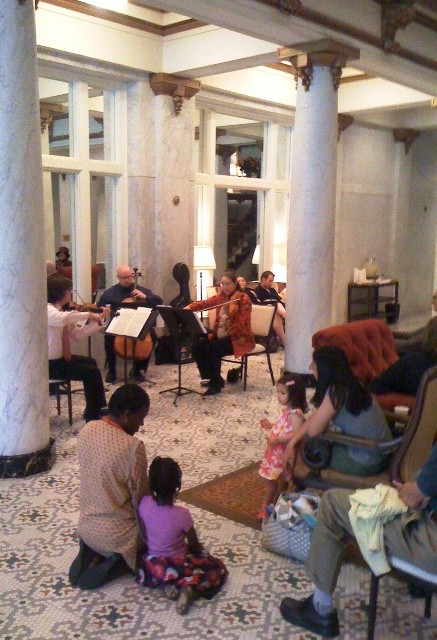
ASO at CHMusicians from the Arkansas Symphony Orchestra will be performing this evening in the lobby of the historic Capital Hotel. The music will start at 5:00 pm.

In 2011, the ASO started these free concerts in the lobby of the Capital Hotel.  The marble and tile of this historic lobby provide a wonderful acoustic backdrop for the musicians.

The concert will feature short, accessible pieces along with commentary from the musicians.

Unlike concerts in music halls, guests here are encouraged to bring drinks to their seats or to stand and move around while the musicians are playing.  It is a relaxed, informal atmosphere where the audience and musicians alike are able to interact with each other.

This concert is part of the ASO’s ongoing efforts to play throughout the community under the leadership of Music Director Philip Mann and Executive Director Christina Littlejohn.  In addition to the Capital Hotel concerts, they offer occasional free concerts at UAMS and have recently started the INC (Intimate Neighborhood Concerts) subscription series.

2 times 13 photos of 2013

Here are 26 of the Culture Vulture’s favorite photos from 2013.

Mount Holly Cemetery in January 2013.

Mount Holly Cemetery in January 2013.

A former movie theatre at 13th and Pine.

A former movie theatre at 13th and Pine.

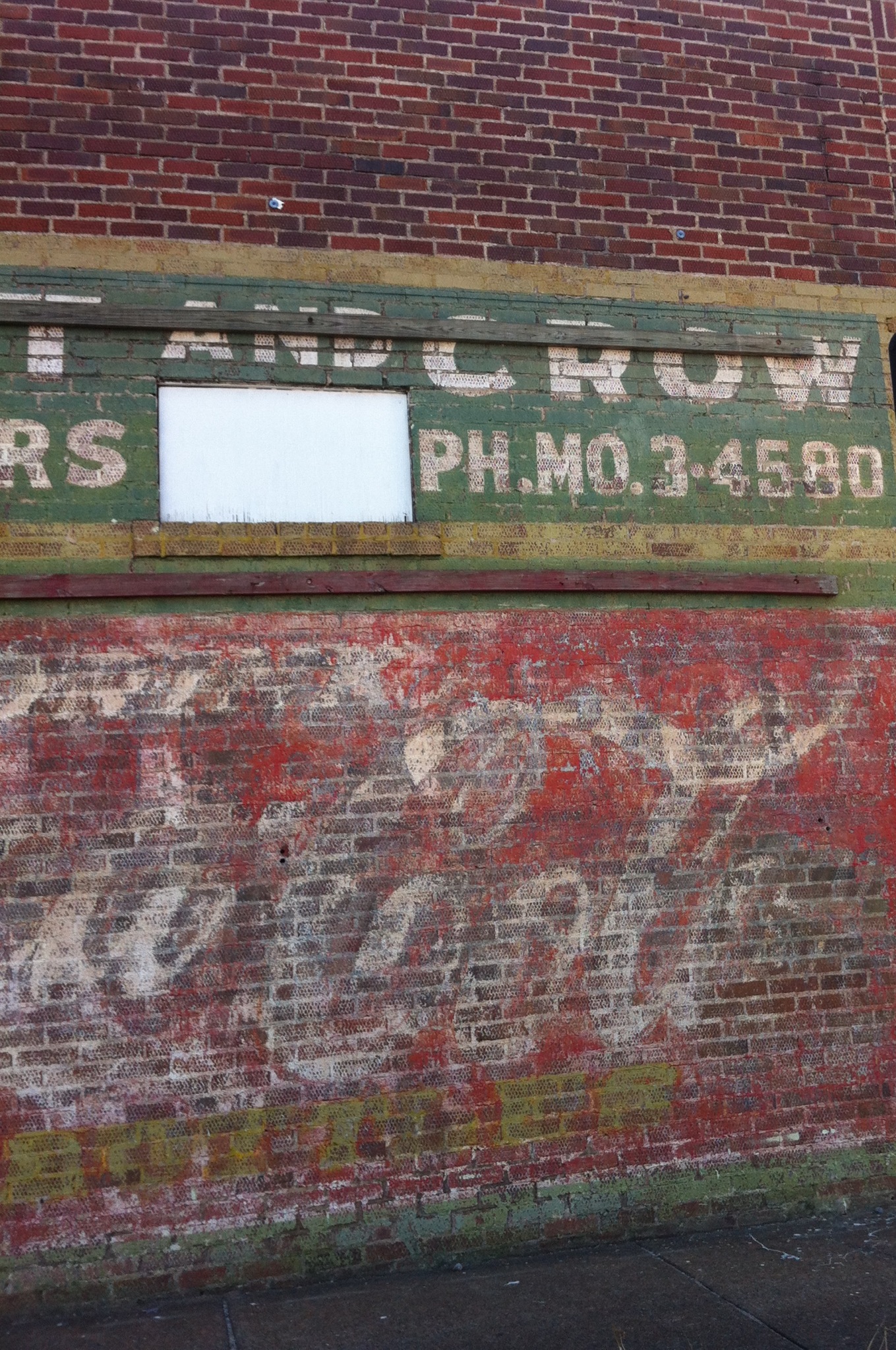
Faded advertisement at 12th and Cedar.

Faded advertisement at 12th and Cedar.

A father and daughter enjoying time together at the Arkansas Arts Center.

A father and daughter enjoying time together at the Arkansas Arts Center.

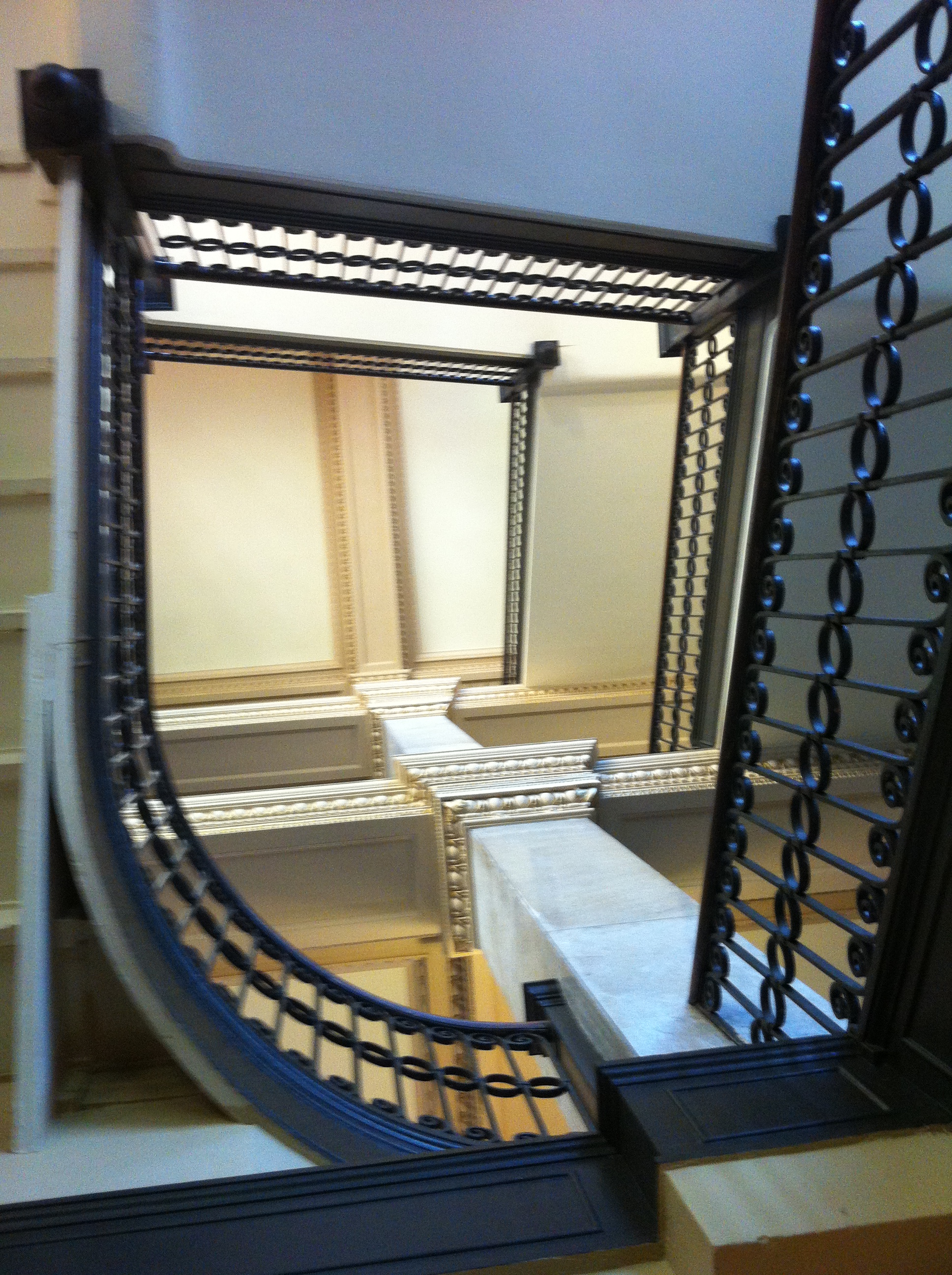
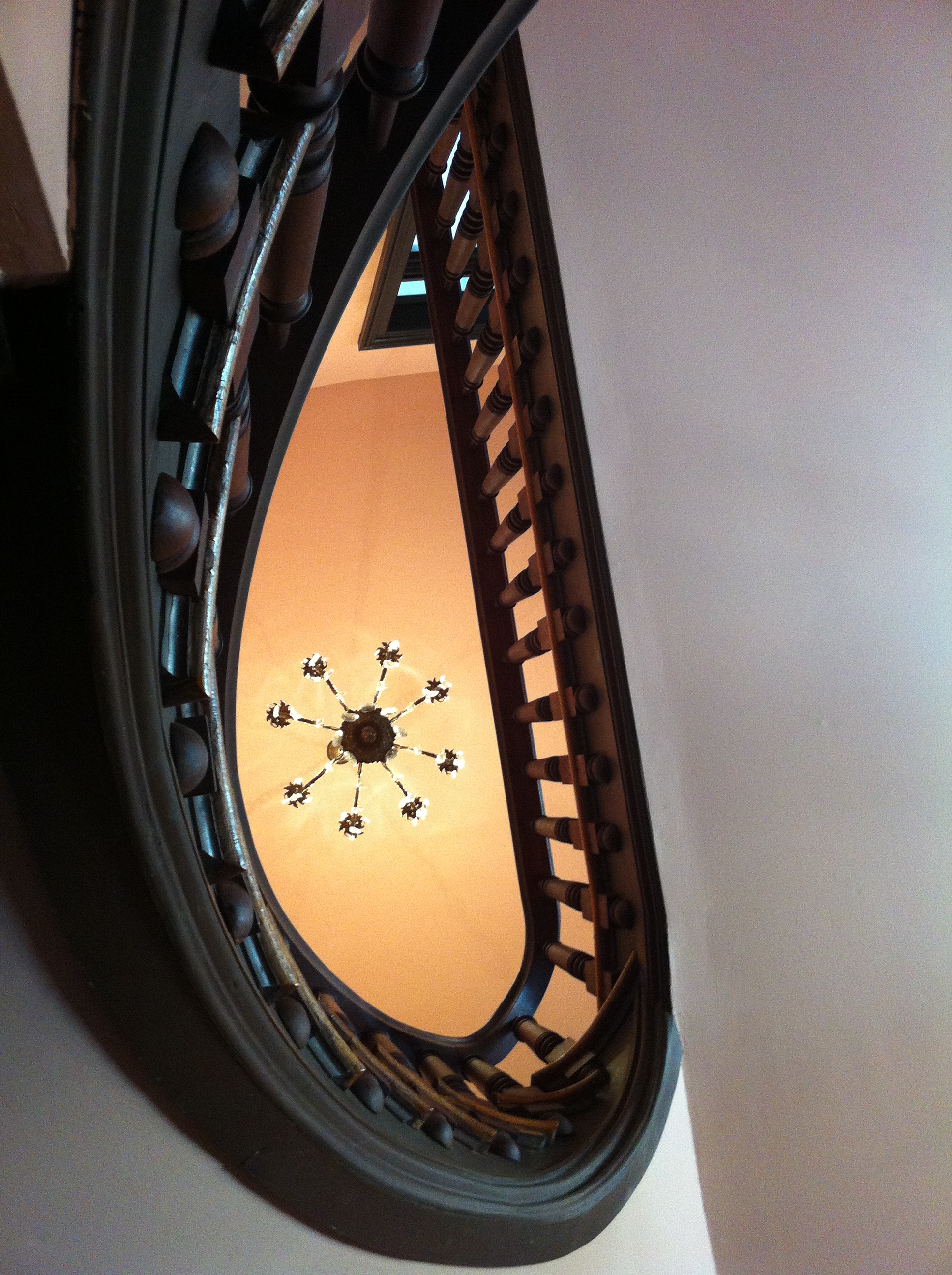
Looking up through the grand staircase at Little Rock City Hall.

Looking up through the grand staircase at Little Rock City Hall.

Peering through a piece of public art in the River Market.

Peering through a piece of public art in the River Market.

Doorways

Doorways

Inside one of the houses on the Quapaw Quarter Spring Tour.

Inside one of the houses on the Quapaw Quarter Spring Tour.

A Superhero and his mother leaving the library after checking out books and games.

A Superhero and his mother leaving the library after checking out books and games.

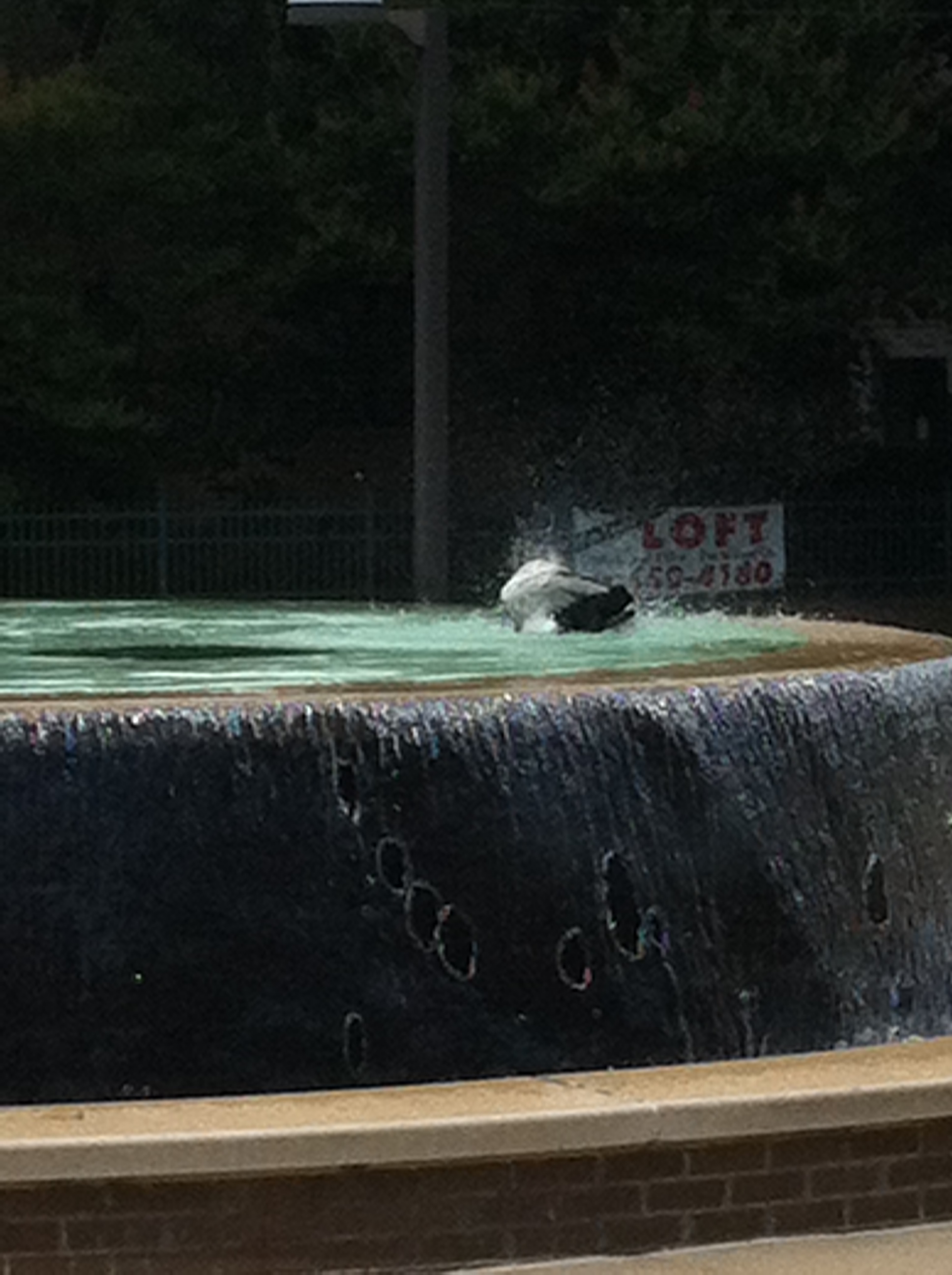
A duck enjoying the Carrie Remmel Dickinson Fountain at the Arkansas Arts Center.

A duck enjoying the Carrie Remmel Dickinson Fountain at the Arkansas Arts Center.

The stairwell in the Villa Marre.

The stairwell in the Villa Marre.

A downtown streetsign.

A downtown streetsign.

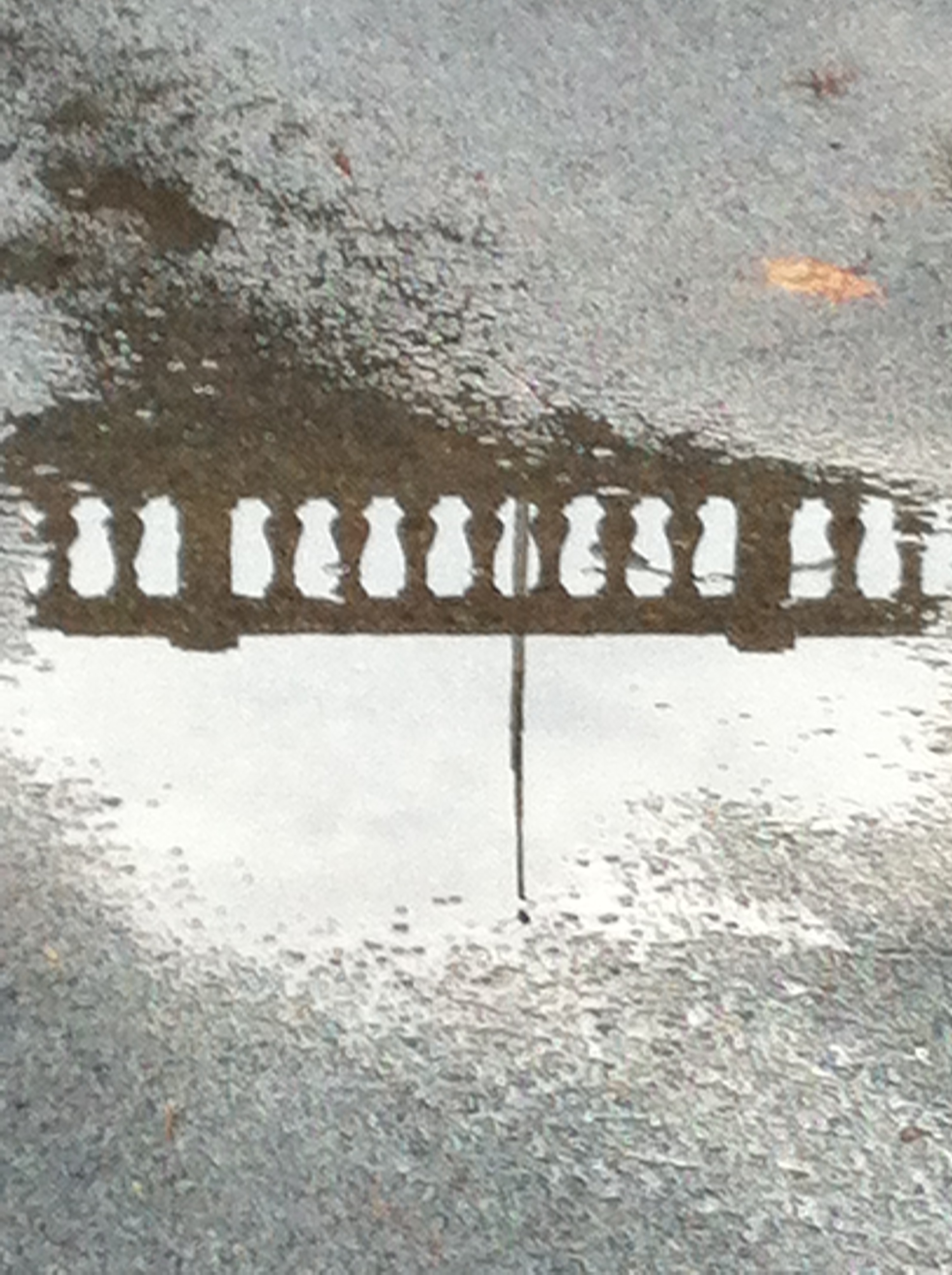
The Broadway Bridge balustrade reflected in a rain puddle.

The Broadway Bridge balustrade reflected in a rain puddle.

The stairwell in the auditorium on the Philander Smith campus.

The stairwell in the auditorium on the Philander Smith campus.

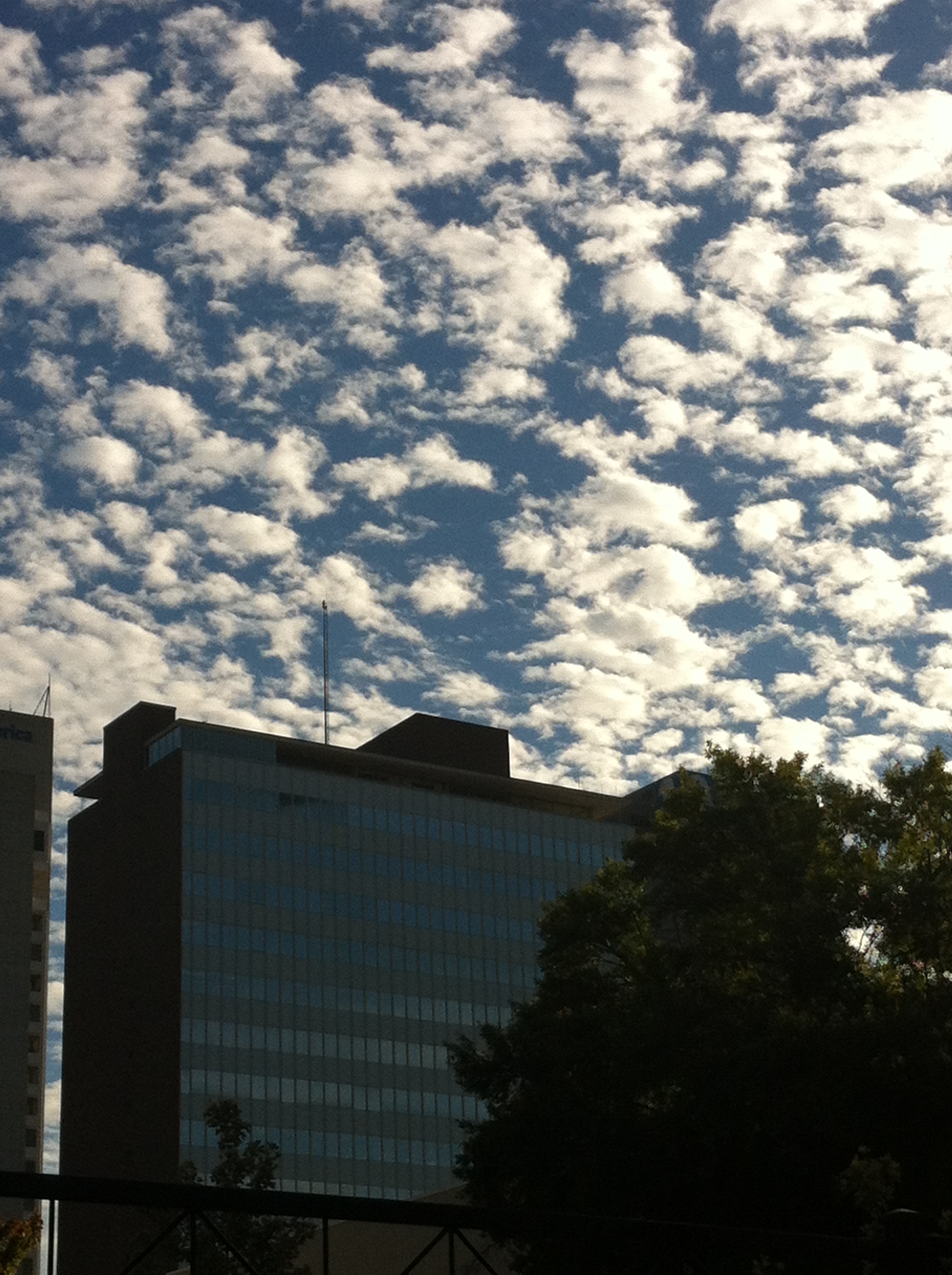
The Tower Building.

The Tower Building.

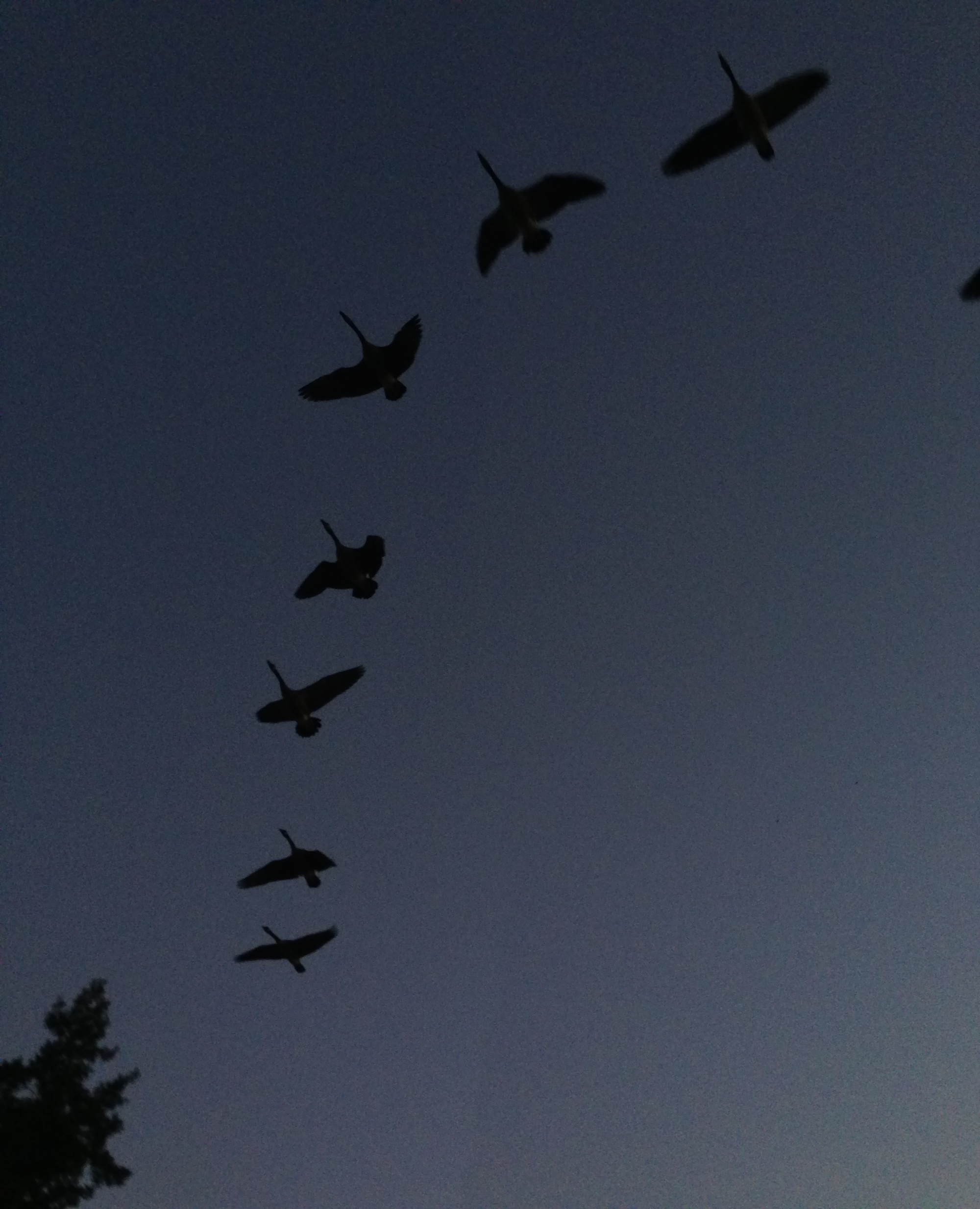
Geese at dusk over MacArthur Park.

Geese at dusk over MacArthur Park.

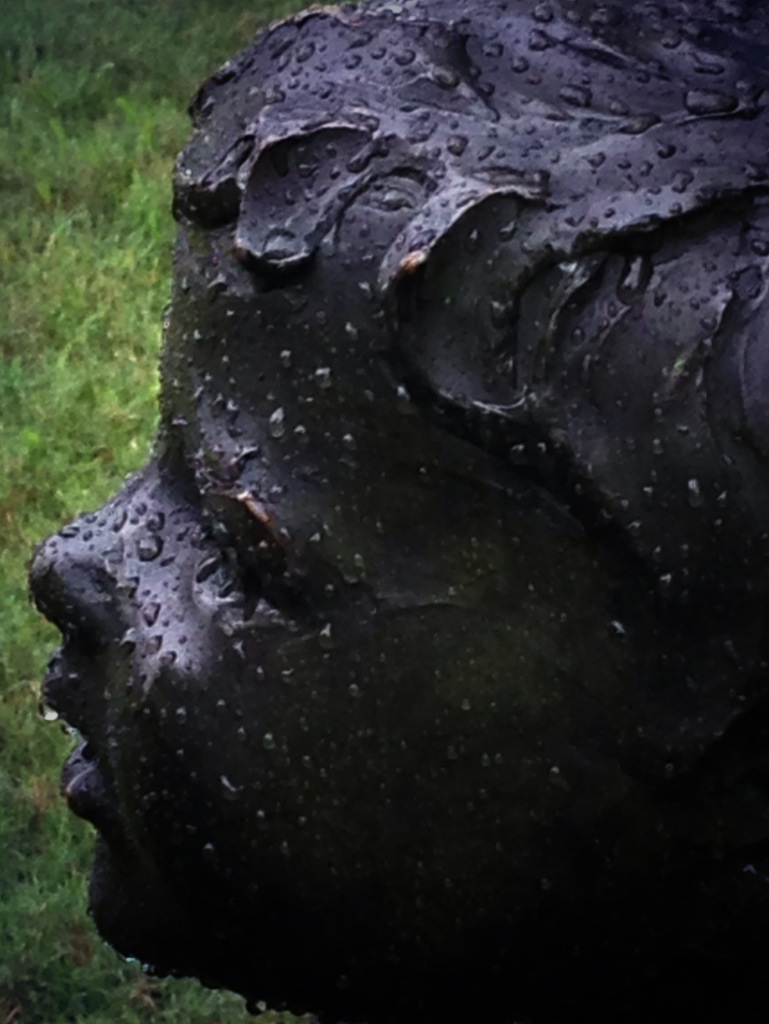
Raindrops rest on the new Patty Cake sculpture in Riverfront Park.

Raindrops rest on the new Patty Cake sculpture in Riverfront Park.

The Capital Hotel.

The Capital Hotel.

A pigeon at City Hall.

A pigeon at City Hall.

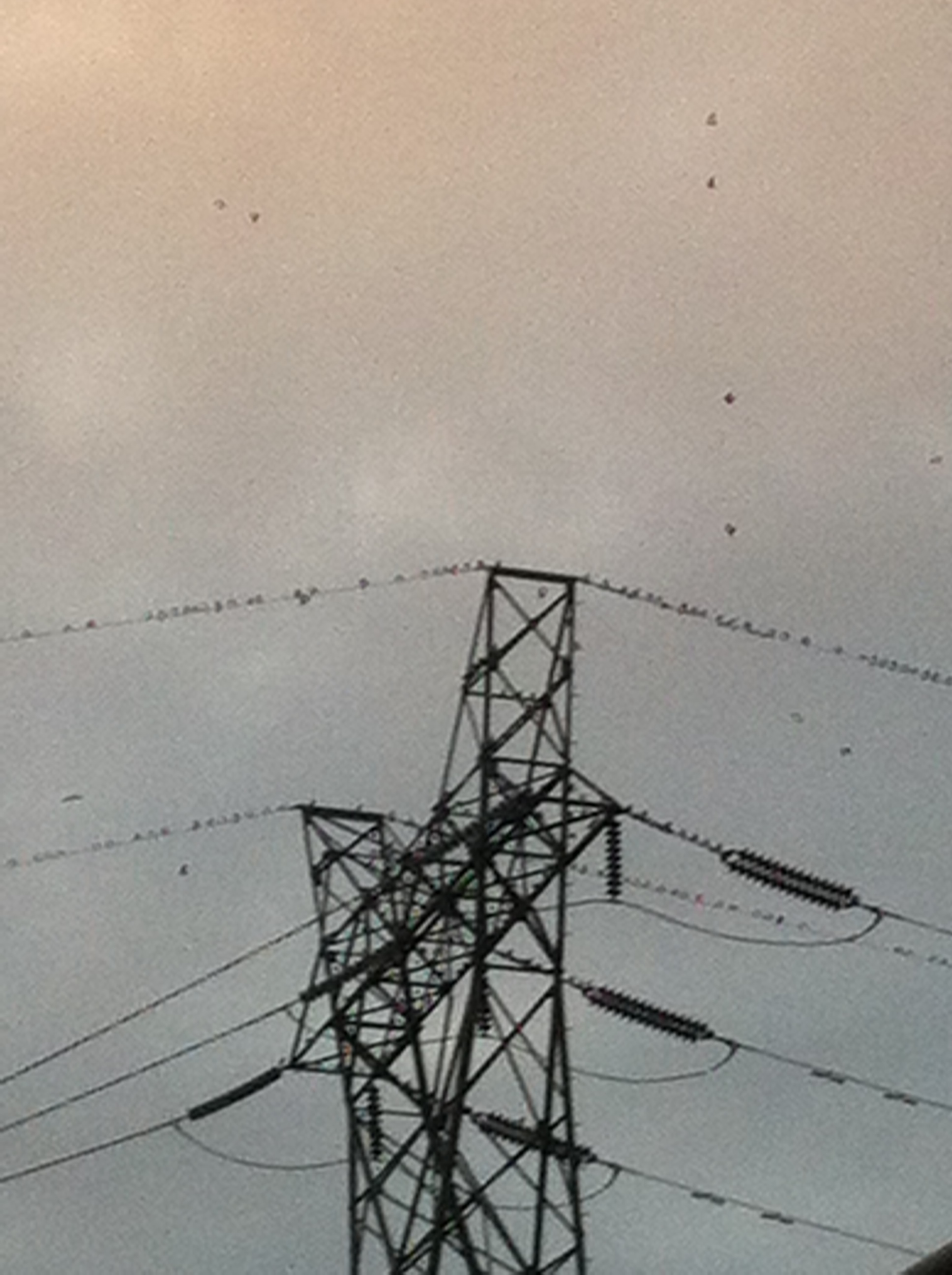
Birds alighting on transformer wires.

Birds alighting on transformer wires.

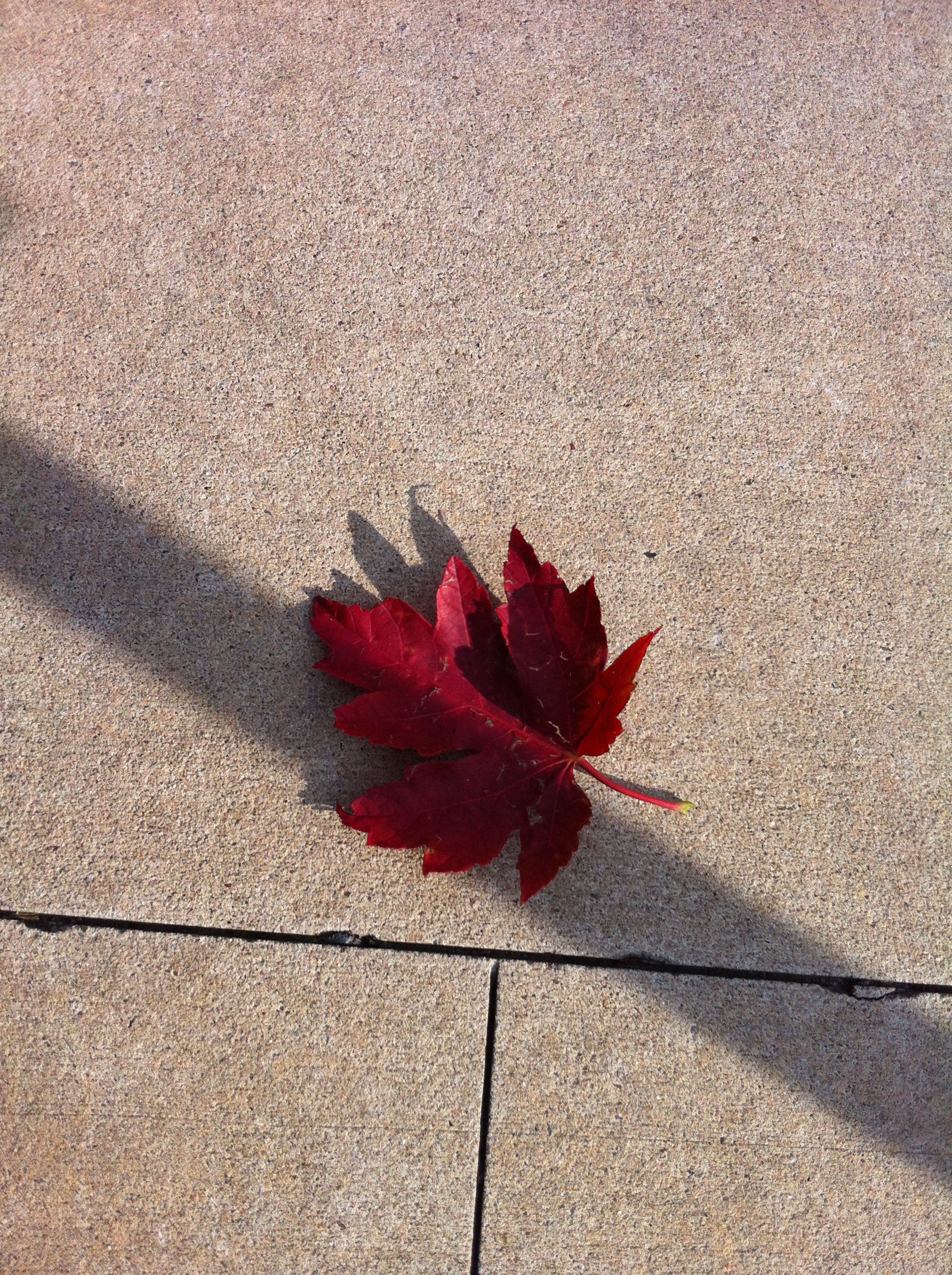
A downtown sidewalk.

A downtown sidewalk.

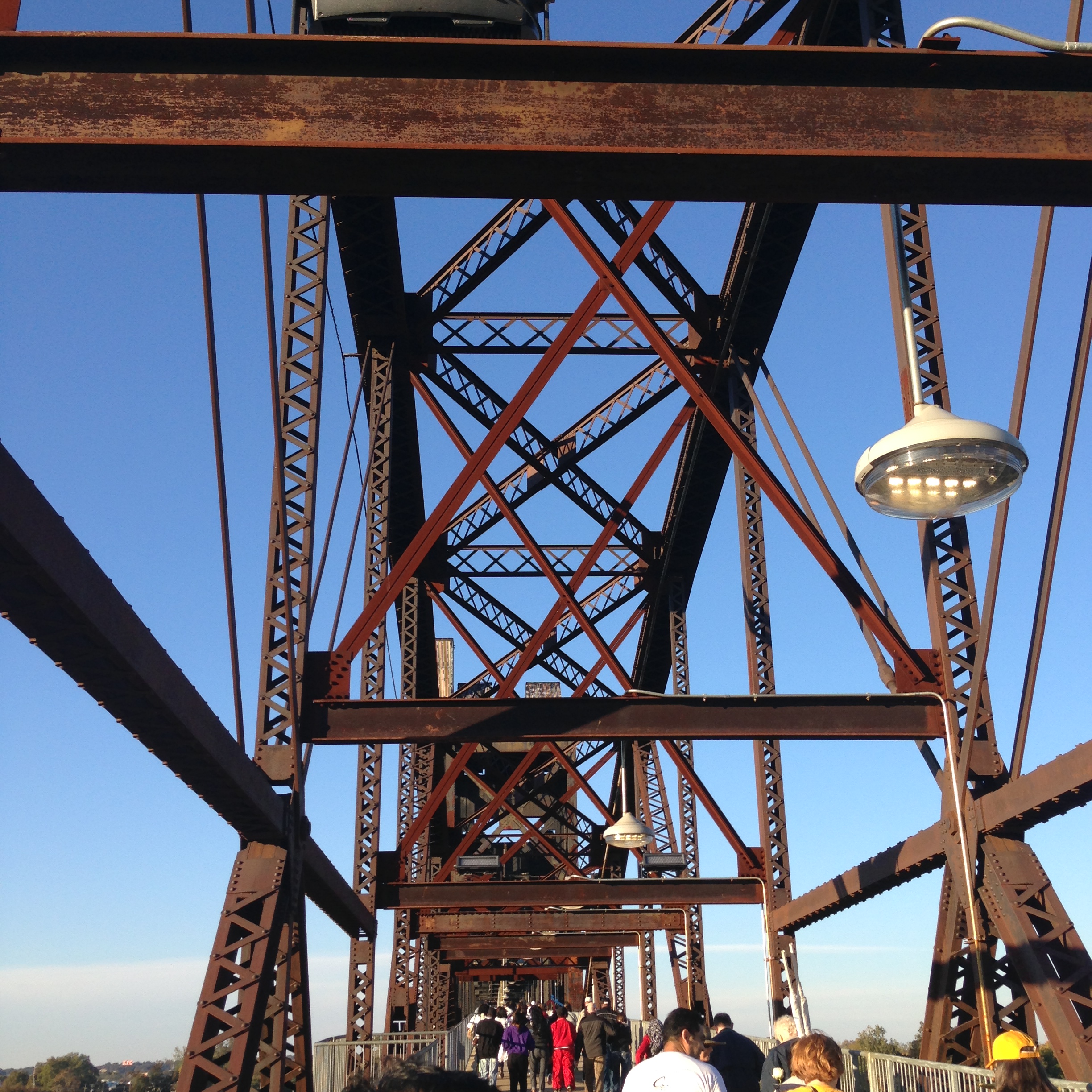
The Clinton Presidential Bridge during the JCA Walk for CommUNITY.

The Clinton Presidential Bridge during the JCA Walk for CommUNITY.

Gingko leaves in Hillcrest.

Gingko leaves in Hillcrest.

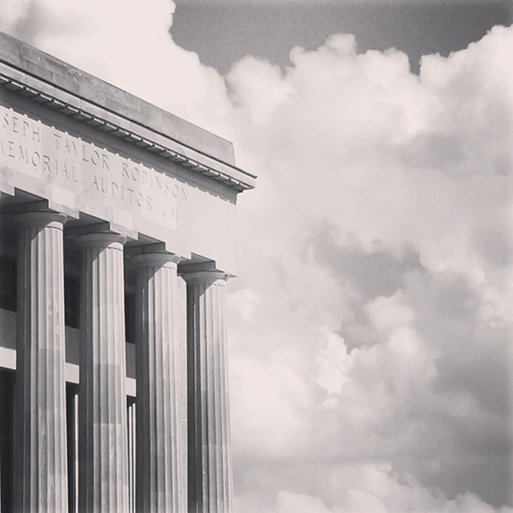
Robinson Auditorium

Robinson Auditorium

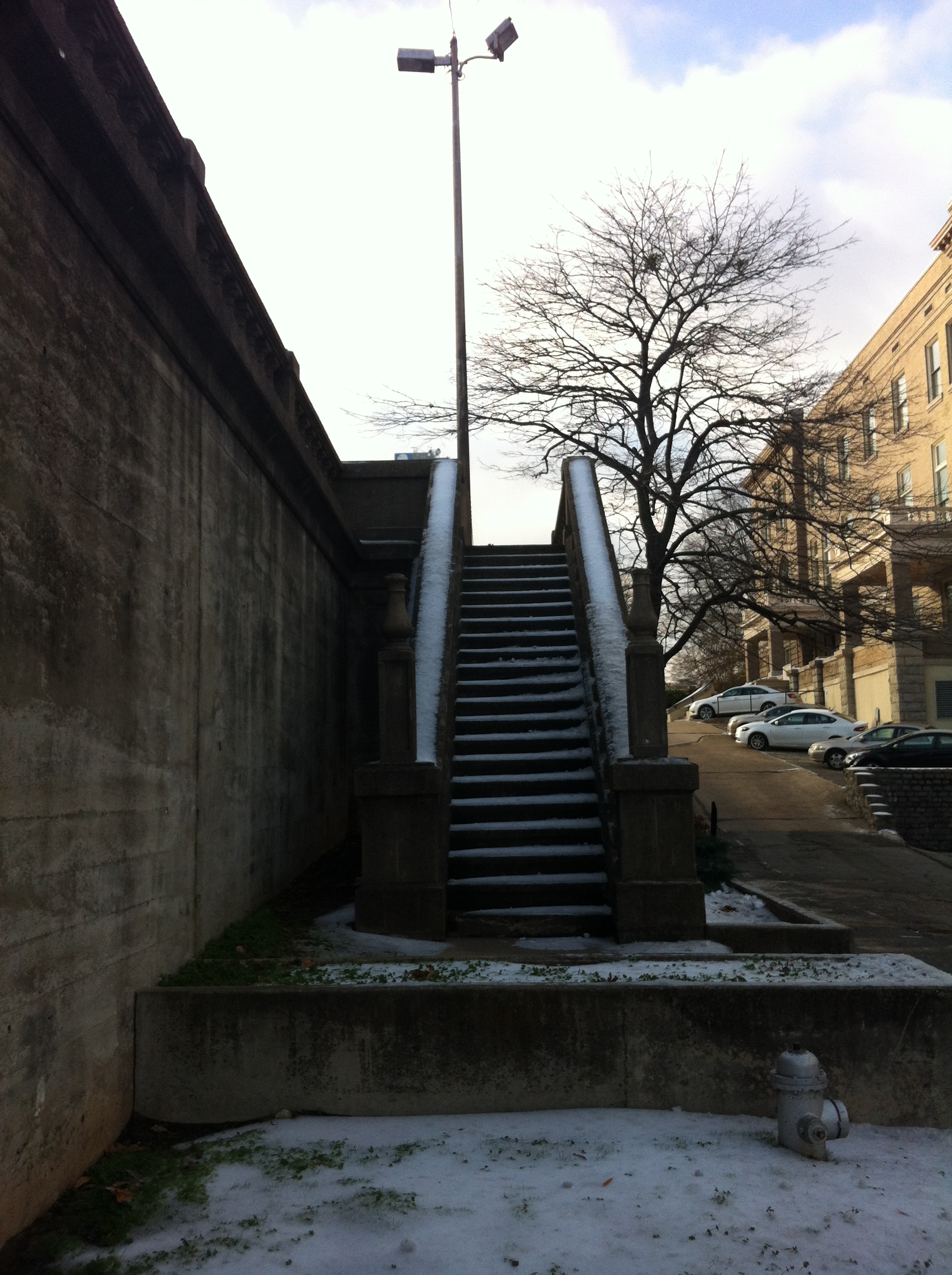
Steps along the Broadway Bridge after the December snow.

Steps along the Broadway Bridge after the December snow.

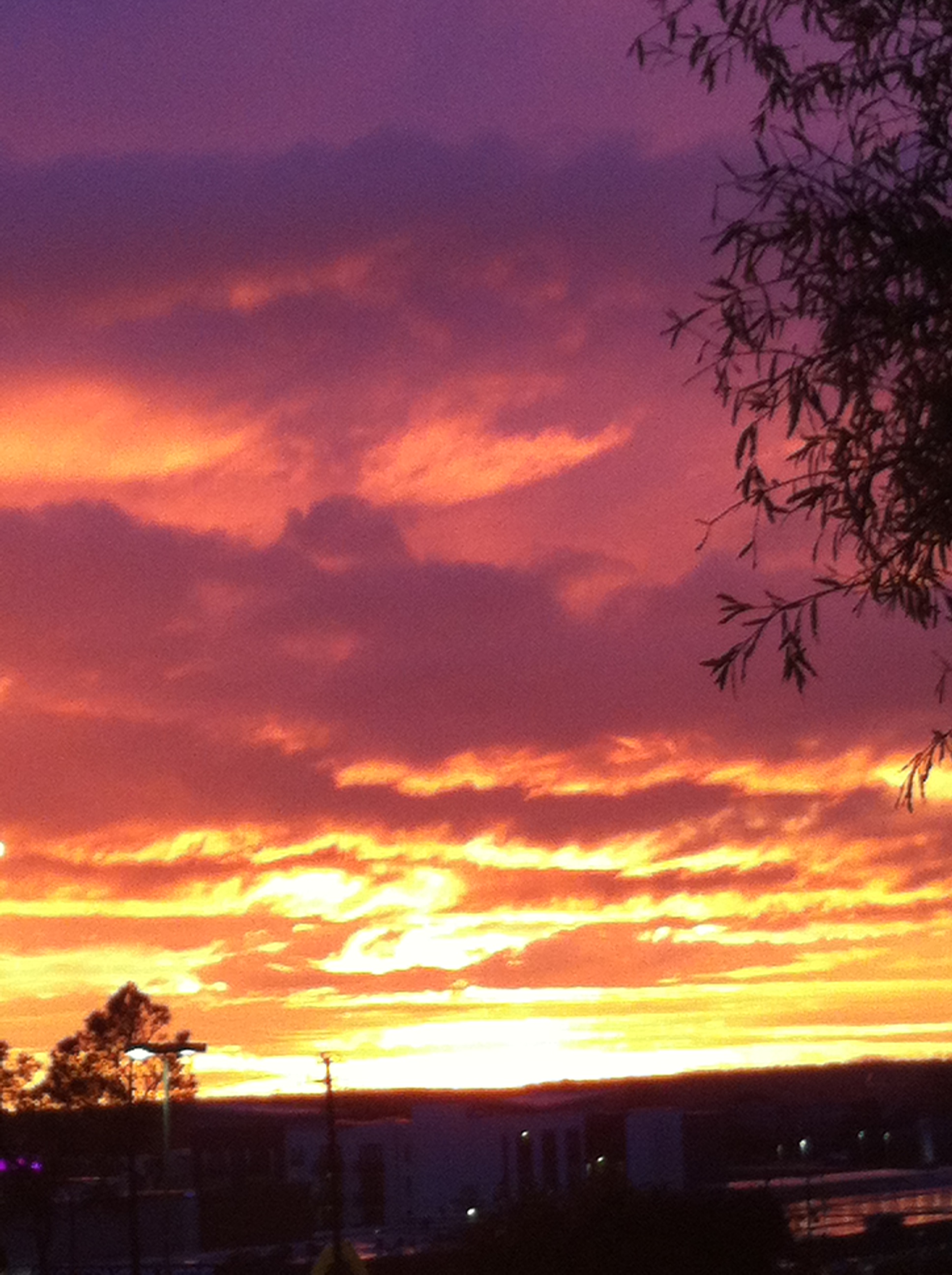
A December sunset in midtown Little Rock.

A December sunset in midtown Little Rock.

13 Cultural Highlights of 2013

In no particular order, here are 13 cultural highlights of 2013 in Little Rock.

10.+citylittlerock-21. The 73 year old Joseph Taylor Robinson Municipal Auditorium received a new lease on life when Little Rock voters approved an extensive, two-year plan for renovation, remodeling and expanding the new facility.

2. Speaking of Robinson, the new Ron Robinson Theatre was constructed in the Arcade Building.  It will be the flagship home of the Little Rock Film Festival as well as a site for events hosted by the Clinton School of Public Service and the Central Arkansas Library System.

3. The Little Rock Film Festival came downtown with all of its films being shown in downtown Little Rock and Argenta.  Among the highlights of the festival were Short Term 12, Bridegroom and Don John which have received plaudits at other festivals and are appearing on Best of 2013 lists as well as receiving award nominations.

4. As Main Street continues to redevelop, plans were announced in 2013 for the Arkansas Symphony Orchestra and Ballet Arkansas to each move their offices and rehearsal spaces downtown.  Joining them will be an expansion of educational space for the Arkansas Repertory Theatre.

5. A few blocks south on Main Street, the new South on Main restaurant and performance space opened.  Weekly performances of live music accent the food and drink under the leadership of Chef Matt Bell.

6. Further down Main Street, Little Rock’s newest museum opened.  The Esse Purse Museum honors women and their struggles, accomplishments, hopes and dreams through highlighting the purse.

7. Fashion also took center stage at the William J. Clinton Presidential Center as well with an exhibit on Oscar de La Renta.  In addition to showcasing his contributions to design, the exhibit attracted many boldfaced names from the worlds of fashion and politics to an event in Little Rock.

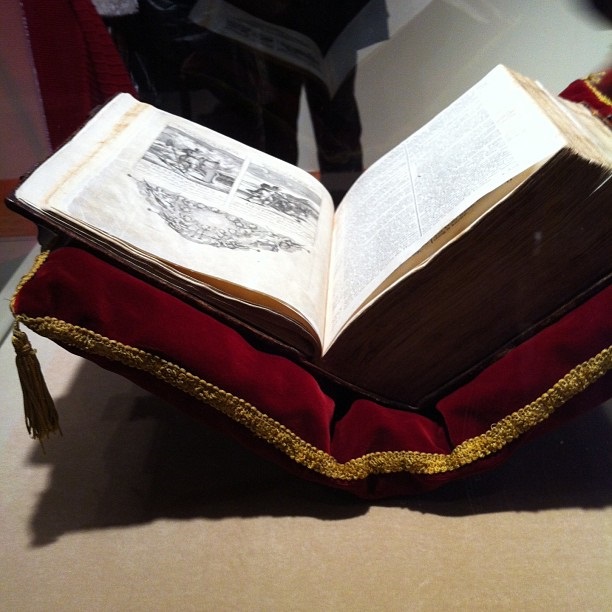
Washington Bible8. George Washington was the focus of two separate exhibits in Little Rock during 2013.  Historic Arkansas Museum showcased his inaugural Bible as well as his family Bible.  At the Clinton Presidential Center “A Tribute to George Washington” was on display.  It featured George Washington’s personal copy of the U.S. Constitution and Bill of Rights from Mount Vernon, and a portrait of George Washington painted in 1797 by artist Gilbert Stuart on loan from the Crystal Bridges Museum of American Art.

9. The amphitheatre in Riverfront Park received a new name (First Security Amphitheatre) and a new roof just in time to kick off its 26th year and to play host to musical acts during Riverfest.

10. Rembrandt and Rothko were just two of the artists featured in exhibits at the Arkansas Arts Center through 2013.  The Arts Center featured the exhibit Treasures of Kenwood House which highlighted the works of Rembrandt, Van Dyck and many other world class artists.  Earlier in the year, exhibits highlighted Bauhaus architecture and relics of the Japanese internment camp at Rohwer.  The Arts Center was also the site of the world’s second largest yarn bomb installation.

Babe Sophie11. The Little Rock Zoo welcomed two new elephants: Sophie and Babe.  The Zoo also was the site of the birth of Bugsy the penguin and four new tiger cubs.  The tigers were born as the result of the Zoo’s new tiger exhibit which facilitated not only easier mating but also allows for the separation of the mother and cubs from the father.

12. The Central Arkansas Library System opened its new Children’s Library.  A few months after the building opened, a name was bestowed and it is now known as the Hillary Rodham Clinton Children’s Library and Learning Center.

13. As 2013 drew to a close, the holiday decorations at the Capital Hotel received international recognition as Forbes named them one of the ten best hotel Christmas trees in the world.  The nearly 30 foot tree was decorated by Tipton Hurst.

FREE Admission to ROTHKO exhibit at Ark Arts Center through Dec 31

No. 8, 1949
Oil and mixed media on canvas
90 x 66 in.
The National Gallery of Art, Washington
Gift of The Mark Rothko Foundation, Inc., 1986.43.147
©1998 Kate Rothko Prizel & Christopher Rothko /Artists Rights Society (ARS), New York Image courtesy of the National Gallery of Art, Washington

In the spirit of giving, the Arkansas Arts Center is offering FREE admission to Mark Rothko in the 1940s: The Decisive Decade through Tuesday, December 31.

Mark Rothko in the 1940s: The Decisive Decade is the first exhibition and catalogue to reevaluate Rothko’s work in the context of his thoughts about art from the period. The exhibition brings to light many works not seen before by scholars or the public and highlights a period of his career that is often overlooked.

The 1940s was a decade of tremendous change for the world, for Western art, for New York City’s place in the art world and for Mark Rothko (1903-1970). The most important result was the formation of what became known as The New York School, a collection of artists working in a nexus of artistic approaches, the best known of which were Gesturalism, or Abstract Expressionism and Color Field. What most members of this group shared was a faith in the power of art effectively to address the pressing historical problems of their era writ large in the movies, news reports, and photographs of the war and its uncertain aftermath.

One of the major members of the New York School was Mark Rothko, the most important of the School’s Color Field wing. For Rothko, like many of his colleagues, the 1940s was the critical decade for his development. Mark Rothko in the 1940s is an examination into the artistic maturation—a decade of searching and rapid evolution– of one of the most influential artists of the twentieth century that deserves not only closer attention but also a re-evaluation.

Mark Rothko in the 1940s will be the first exhibition and catalogue to reevaluate this work in the context of Rothko’s thoughts about art from the period. Mark Rothko in the 1940s will bring to light many works not seen before by scholars or the public and highlight a period of his career that is often overlooked.

Mark Rothko in the 1940s: The Decisive Decade is organized by the Arkansas Arts Center, the Columbia Museum of art, the Columbus Museum of Art and the Denver Art Museum, in conjunction with the National Gallery of Art, Washington. The exhibition is funded in part by the Dedalus Foundation and is supported by an indemnity from the Federal Council on the Arts and the Humanities. It is sponsored locally by Harriet and Warren Stephens; Chucki and Curt Bradbury; The Brown Foundation, Inc. of Houston; Mary Ellen and Jason Vangilder and the Capital Hotel.