Little Rock Look Back: Grand Opening of Robinson Auditorium

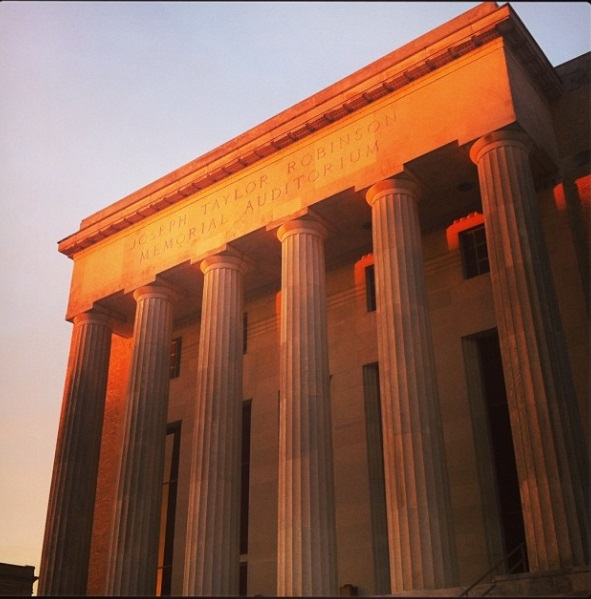
auditoriumduskOn February 16, 1940, after three years of planning and construction, the Joseph Taylor Robinson Memorial Auditorium officially opened. It was a cold, rainy night, but those in attendance did not care.

Searchlights painting arcs in the sky greeted attendees. They were borrowed from the Arkansas National Guard. Newspaper accounts noted that only a few of the men who attended were in tuxedos, most were simply in suits. The work to get the building opened had been so harried, that it was discovered there was not an Arkansas Flag to fly in front of the building. Mayor Satterfield found one at the last minute courtesy of the Arkansas Department of the Spanish War Veterans.

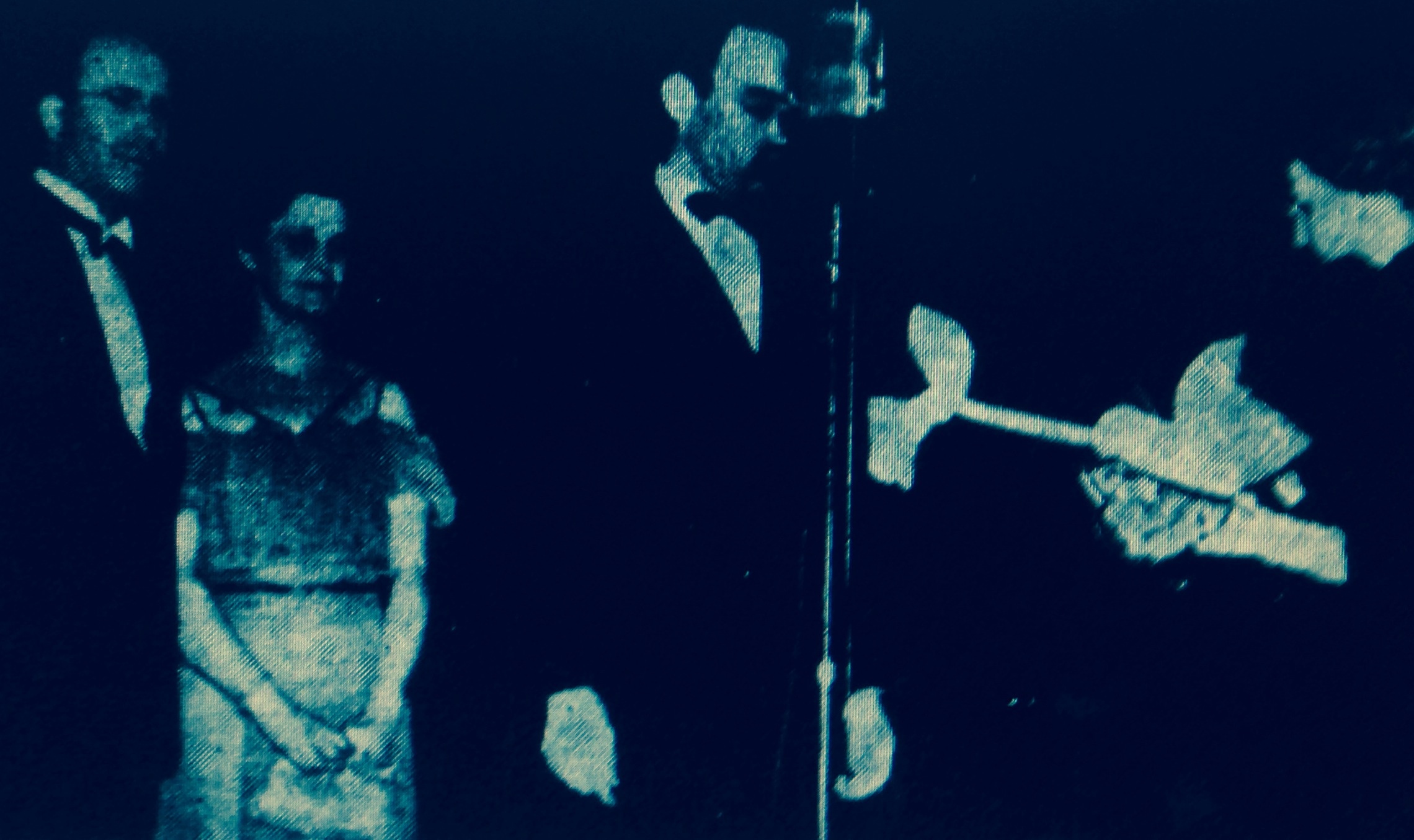
The weather delayed arrivals, so the program started fifteen minutes late. Following a performance of Sibelius’ Finlandia by the fledgling Arkansas State Symphony Orchestra, Mayor J. V. Satterfield, Mrs. Joseph T. Robinson, Mrs. Grady Miller (the Senator’s sister-in-law and a member of the Auditorium Commission) and D. Hodson Lewis of the Chamber of Commerce participated in a brief ribbon cutting ceremony. Mrs Robinson cut the ribbon on her second attempt (once again proving that nothing connected with getting the building open was easy).

The ceremony was originally set to be outside of the building but was moved indoors due to the inclement weather. The ribbon cutting took place on the stage with the ribbon stretched out in front of the curtain. The opening remarks were broadcast on radio station KGHI.

Though he had previously discussed how he had voted against the auditorium in 1937 before entering public life, the mayor’s remarks that evening were appropriately gracious, statesmanlike and a testament to the effort he had invested to get it open upon becoming mayor. “We hope you have a very pleasant evening and hope further that it will be the first in a long series which you will enjoy in this, your auditorium.”

Tickets for the event, advertised as being tax exempt, were at four different pricing levels: $2.50, $2.00, $1.50 and $1.00.

The estimated attendance was 1700. Following the ribbon cutting, the main performance took place. The headliner for the grand opening was the San Francisco Opera Ballet accompanied by the new Arkansas State Symphony Orchestra (not related to the current Arkansas Symphony Orchestra). The featured soloist with the ballet was Zoe Dell Lantis who was billed as “The Most Photographed Miss at the San Francisco World’s Fair.”

At the same time that the gala was going on upstairs in the music hall, a high school basketball double-header was taking place in the downstairs convention hall. North Little Rock lost to Beebe in the first game, while the Little Rock High School Tigers upset Pine Bluff in the marquee game.

20140215-172047.jpg

Little Rock Look Back: John Wassell, Little Rock’s 27th Mayor

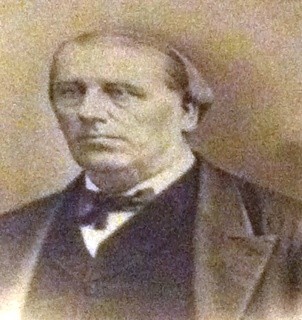
JWassellFuture Little Rock Mayor John Wassell was born on February 15, 1813 in Kidderminster, England.

In 1829, he came to the United States.  He learned carpentry and construction in Ohio and ended up in Little Rock.  One of his jobs was as the finishing contractor on the State Capitol building, now known as the Old State House.

He later gave up carpentry and became an attorney.  (It is said that he did so after becoming embroiled in a legal dispute arising from one of his construction jobs.) Wassell also served as a judge.

In 1868, he was appointed Mayor of Little Rock by President Andrew Johnson.  He is Little Rock’s only Mayor to have served through a military appointment.  Mayor Wassell died in January 1881 and is buried at Mt. Holly Cemetery along with his wife and other family members.  One of his grandsons, Samuel M. Wassell also served as Mayor of Little Rock.

This weekend at Wildwood Park – 6th annual LANTERNS! Festival

LanternsLANTERNS! Festival, Arkansas’ only deep-winter outdoor festival, will light up the night at Wildwood Park for a sixth year of family fun and illuminating entertainment! Travel paved paths illuminated with fire pits and thousands of luminaria to enjoy unique entertainment, authentic food and beverages for all ages at eight cultural vistas from around the globe!

LANTERNS! runs from 6pm to 10pm on Friday, February 14, Saturday, February 15 and Sunday, February 16.

Tickets are available at the gate during festival days:
$10 for Adults
$5 for Children (6-12 years old)
FREE for Children 5 and Under
At Wildwood, visitors will take a mystical stroll along paved pathways lit by fire pits and luminaries into the park’s winter woodlands to enjoy a variety of indoor and outdoor entertainment at lighted vistas representing six cultural vistas around the globe.
This year’s festival includes Asia, Jamaica, Mexico, New Orleans, Rome, and Shakespeare’s England.
Cultural entertainment, games, and discoveries span the Park’s arboretum, gardens, and lakeside performance spaces.
Wildwood’s performance complex, including the 625-seat Lucy Lockett Cabe Festival Theatre, is transformed into an international spectacle, meant to transport festival-goers to the far corners of the globe via magical tastes, sounds, and sights.
As visitors stroll through the glowing paths of of Wildwood’s lakeside forest, they will be immersed in a new culture at every turn.

Little Rock Look Back: Lincoln Avenue Viaduct

ahpp_nom_lincolnaveviaduct_largeSince today is Abraham Lincoln’s birthday, the focus is on the Lincoln Avenue Viaduct.  This arched bridge is traversed by thousands of cars each day, with most having no idea the name of the structure.

The Lincoln Avenue Viaduct is the arched bridge connecting LaHarpe with Cantrell Road which (literally) bridges downtown with the west along Highway 10.

The Lincoln Avenue Viaduct is a reinforced concrete rainbow arch bridge. It was opened at 2:05p.m. on Friday, December 28, 1928, and, despite later alterations, it remains particularly well
preserved. The Missouri Pacific Railroad Company, considered the most important railroad company in the state, constructed the bridge amid a series of improvements in Little Rock made necessary by the damage wrought by the infamous spring floods of 1927.

Though the bride was constructed by the railroad, the City had to give authorization to do so, this was accomplished by the passing of Ordinance 4,335, at the May 28, 1928, City Council meeting.

Lincoln Avenue was one of several names for stretches of Highway 10 in Little Rock. By the 1960s, the areas west of the Lincoln Avenue viaduct were all renamed Cantrell in honor of the man who had developed much of the area west of the Heights. The longest stretch of the road already carried that name. There had been an effort to rename Highway 10 (including sections named Lincoln, Q, and Cantrell) in Little Rock for Senator Joseph Taylor Robinson in 1930. He declined the offer because he did not want to diminish the contributions of Mr. Cantrell.  Over time the entire stretch bore the name Cantrell.

The stretches east of the viaduct which involved a couple of names were renamed La Harpe Boulevard in honor of the French explorer who first saw the Little Rock.

Though the street has been renamed, the bridge still carries the name of the 16th President of the United States.

Lineup for April’s 11th Annual Arkansas Literary Festival Announced

1359064160-litfest_logoAs winter drones on, a person’s fancy may turn to thoughts of spring. Or to a good book to read by candlelight to pass the time in winter.

In any way, a certain harbinger of warmer weather will be the presence in April of the 11th annual Arkansas Literary Festival.

Prestigious award-winners, big names, writers for television shows, journalists, and artists are among the diverse roster of presenters who will be providing sessions at the eleventh annual Arkansas Literary Festival, April 24-27, 2014. The Central Arkansas Library System‘s Main Library campus and many other Little Rock venues are the sites for a stimulating mix of sessions, panels, special events, performances, workshops, presentations, opportunities to meet authors, book sales, and book signings. Most events are free and open to the public.

The Arkansas Literary Festival, the premier gathering of readers and writers in Arkansas, will include more than 80 presenters including featured authors Catherine Coulter, who has more than seventy million books in print; Congressman John Lewis, one of the key figures in the civil rights movement; best-selling authors Mary Roach, ReShonda Tate Billingsley, Curtis Sittenfeld, and artist/illustrator Kadir Nelson; musician Rhett Miller; and education expert David L. Kirp.

This year’s Festival authors have won an impressive number and variety of distinguished awards, including ten Emmy awards, multiple National Endowment for the Arts fellowships and grants, two Pulitzer Prizes, the MacArthur Foundation Fellowship (the Genius Grant), the National Book Award, the Coretta Scott King Award, the Caldecott Honor, an NAACP Image Award, an Eisner Award, a Ford Foundation Fellowship, the American Book Award, the O. Henry Prize, recognition as one of the National Book Foundation’s 5 Under 35, and much more.

Their works have been included in the New York TimesRolling Stone, Bon Appétit, Glamour, Playboy, Esquire, Vanity Fair, Slate, Mother Jones, and the Washington Post, among others.

Special events for adults during the Festival include a cocktail reception with the authors, a writing workshop with Catherine Coulter, a concert by Rhett Miller, and a presentation by an art historian which includes an Artists Buffet. Panels and sessions include genres and topics such as chocolate, lucid dreaming, graphic novels, the war in Iraq, short stories, Arkansas food, murder mysteries, football, dinosaurs, and gangsters.

Children’s special events include a storytime on the lawn of the Governor’s Mansion, a treasure hunt, a play based on The Little Engine That Could, and a Lego exhibit. Festival sessions for children will take place at both the Hillary Rodham Clinton Children’s Library and Learning Center, 4800 10th Street, and the Youth Services Department at the Main Library, 100 Rock Street.

At Level 4, the Main Library’s teen center, special events for teens include a robotics demonstration and a panel on comic book conventions.

Through the Writers In The Schools (WITS) initiative, the Festival will provide presentations by several authors for Pulaski county elementary, middle, and senior high schools and area colleges.

Support for the Literary Festival is provided by sponsors including Central Arkansas Library System; Friends of Central Arkansas Libraries (FOCAL); Arkansas Humanities Council; Department of Arkansas Heritage; Fred K. Darragh Jr. Foundation; Mosaic Templars Cultural Center; ProSmart Printing; KUAR FM 89.1; Little Rock Convention and Visitors Bureau; Arkansas Democrat Gazette; Sync; Arkansas Life; William J. Clinton Presidential Center; Oxford American; Landers FIAT of Benton; MacArthur Museum of Arkansas Military History; Arkansas Times; Wright, Lindsey & Jennings LLP; University of Arkansas Clinton School of Public Service; Historic Arkansas Museum ; Christ Church, Little Rock’s Downtown Episcopal Church; Witt Stephens Jr. Central Arkansas Nature Center; Arkansas Library Association; Goss Management Company, LLC; Henderson State University; Hendrix College Project Pericles Program; Pulaski Technical College; Arkansas Arts Center; River’s Edge Media; Arkansas Shakespeare Theatre; Rockefeller Elementary School; Gibbs Elementary School; Hemingway-Pfeiffer Museum and Educational Center; Writers’ Colony at Dairy Hollow; Arkansas Governor’s Mansion; Hendrix College Creative Writing; University of Arkansas at Little Rock English Department; University of Arkansas at Little Rock Department of Rhetoric and Writing; Pyramid Art, Books & Custom Framing/Hearne Fine Art; Stickyz Rock ‘n’ Roll Chicken Shack; Literacy Action of Central Arkansas; National Park Service Central High School National Historic Site; Tales from the South; and Power 92 Jams. The Arkansas Literary Festival is supported in part by funds from the Arkansas Humanities Council and the National Endowment for the Humanities.

Author! Author!, a cocktail reception with the authors, will be Friday, April 25, at 8 p.m.; tickets are $25 in advance, and $40 at the door, and go on sale at ArkansasLiteraryFestival.org beginning Tuesday, April 1. Author! Author! tickets will also be available for purchase at the Main Library and River Market Books & Gifts, 120 River Market Avenue.

The Arkansas Literary Festival is a project of the Central Arkansas Library System. The Festival’s mission is to encourage the development of a more literate populace. A group of dedicated volunteers assists Festival Coordinator Brad Mooy with planning the Festival. Jay Jennings is the 2014 Festival Chair. Other committee chairs include Katherine Whitworth, Talent Committee; Lisa Donovan, Youth Programs; and Amy Bradley-Hole, Moderators.

For more information about the 2014 Arkansas Literary Festival, visit ArkansasLiteraryFestival.org, or contact Brad Mooy at bmooy@cals.org or 501-918-3098. For information on volunteering at the Festival, contact Angela Delaney atadelaney@cals.org or 501-918-3095.

Little Rock’s 9th Street and Ark Rep’s CLYBOURNE PARK focus of Mosaic Templar FRIDAY Lunch Program

ClybourneRescheduled from earlier in the week, as part of the Mosaic Templars Cultural Center lunchtime “It’s in the Bag” lecture program, members of the Ninth Street Community and Clybourne Park cast members will discuss how Arkansas Rep’s production of Clybourne Park relates to issues of race, property, history and legacy in our own communities.

The “It’s in the Bag” Lunch ‘n Learn Series offers a chance to learn about a host of topics designed to educate, inspire and entertain. Mosaic Templars Cultural Center provides soda and water, and attendees bring their own lunch. “It’s in the Bag” Lunch ‘n Learn Series is free and open to the public.

For decades, Little Rock’s Ninth Street with the hub of African American business and social life in Little Rock.  This can be traced back to 1854 when the family of Chester Ashley gave land to a group of black Methodists so that they could erect a church at 8th and Broadway.

Through urban renewal efforts and changing migration patterns as well as the integration of previously all-white businesses, Ninth Street lost its identity as an important hub for Little Rock’s African American community.  With the opening of the Mosaic Templar’s Cultural Center and efforts to restore the Dreamland Ballroom on the top floor of Arkansas Flag and Banner, efforts are underway to remind others of the important role this area played in Little Rock’s history.

The program begins at 12 noon.  Mosaic Templar’s Cultural Center is located at 9th and Broadway in downtown Little Rock.

The Mosaic Templar’s Cultural Center is an agency of the Department of Arkansas Heritage.

Little Rock Look Back: John Herndon Hollis

John Herndon HollisOn February 5, 1870, future Little Rock alderman and acting mayor John Herndon Hollis was born shortly before his family moved to what is now Cleveland County. His parents were originally from Georgia and came from prosperous and longtime families there.

The Hollis family came to Arkansas after the Civil War and settled in Union County. A portion of that county was carved off and became Dorsey County (named after a Republican US Senator from Arkansas) but was renamed Cleveland County after Grover Cleveland was elected President. Cleveland was the first Democrat to be elected President in over 20 years. This name change also reflected the political shift in Arkansas from the Reconstruction-led Republican politics to the Democratic Party politics which would dominate for the next century.

John Herndon Hollis was one of six children, and the only one with a middle name. Herndon had been his mother’s maiden name. As one of his brothers described their childhood in Cleveland County, “they all went to country schools in their home neighborhood, worked hard on the farm in the summertime, and were inside their little Methodist Church every time the doors were open.”

Around 1900, Hollis and his new wife Malinda M. “Linda” Taliaferro Hollis (formerly of Rison) moved to Little Rock.  Together the couple had six children. In Little Rock, Hollis worked in the banking industry. For years he worked for People’s Building and Loan Association.

Hollis was first elected to the Little Rock City Council in April 1904. He would serve as one of the Aldermen from the city’s Fourth Ward until April 1918.  This was on the western border of Little Rock at the time. The family lived at 1510 S. Schiller, which is one block east of Central High, though at the time neither the school nor its predecessor (West End Park) existed.

In April 1908, at the first City Council meeting in the new City Hall, Mayor W. E. Lenon announced his resignation. Because the resignation was effective immediately, there was a vacancy in the office of mayor.  Hollis was selected by his colleagues to serve as acting mayor until a successor could be elected. So from April 1908 through June 1908, Hollis was the City’s chief political and executive leader.

Though he was never formally mayor (and did not resign his position as alderman), since 1908, Hollis’ name has appeared on the list of mayors of Little Rock. The reason seems to be as a sign of respect since there was a vacancy.

There previously had been acting mayors when the mayor would be absent on business or due to illness. But in those instances, the mayor had not resigned. This is the only instance in Little Rock history when a mayor resigned immediately with no successor in place. So John Herndon Hollis holds a unique role in Little Rock history.

Hollis’ wife died in 1920.  He later married Ann Jewell of Little Rock (who was a distant cousin of his first wife). They were married until his death on October 23, 1941.  Ann Hollis lived in Little Rock until her death in 1980.  The Hollis family is entombed in the mausoleum at Mount Holly Cemetery.