Remembering 14 Cultural Figures from 2014

Little Rock lost several cultural luminaries in 2014. Some were practitioners, others were volunteers and donors.  All were passionate about the role the arts and culture play in not only everyday lives, but in making a city great.

While there are doubtless omissions to this list, these 14 are representative of the loss in 2014 but also the rich cultural legacy of the Little Rock area. They are presented in alphabetical order.

1414mayaThough never a Little Rock resident, Maya Angelou is linked to the City’s cultural life. Throughout her career, she would make appearances in Little Rock at a variety of venues. As an actress, dancer, poet and professor, she lived life to the fullest and encouraged others to do likewise.
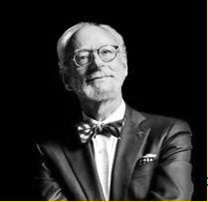
1414jeffbJeff Baskin was more than a librarian in North Little Rock. He was a religious scholar, an actor, and an appreciator of many art forms. He was a regular fixture at cultural events on both sides of the Arkansas River. With his sly smile and quick wit, he put others at ease. His charm was disarming and his circle of friends was boundless.
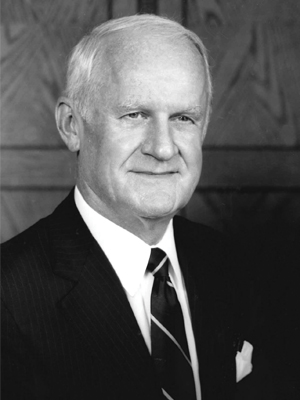
1414BowenAttorney, banker, historian, author, Dean, advisor, raconteur. This was Bill Bowen. And so much more.  He helped build Little Rock and Arkansas into modern entities. As such, he realized the value of arts and culture to the big picture.  He was not only generous with money, he was generous with wise advice.

1414tcT.C. Edwards was far more than the lead singer of TC and The Eddies, TC and The Ponies and The Piranhas. One of the most familiar faces in the Little Rock music scene over the last 25 years, he was an icon. Much more could be said about him, but he’d prefer the music just keep playing.
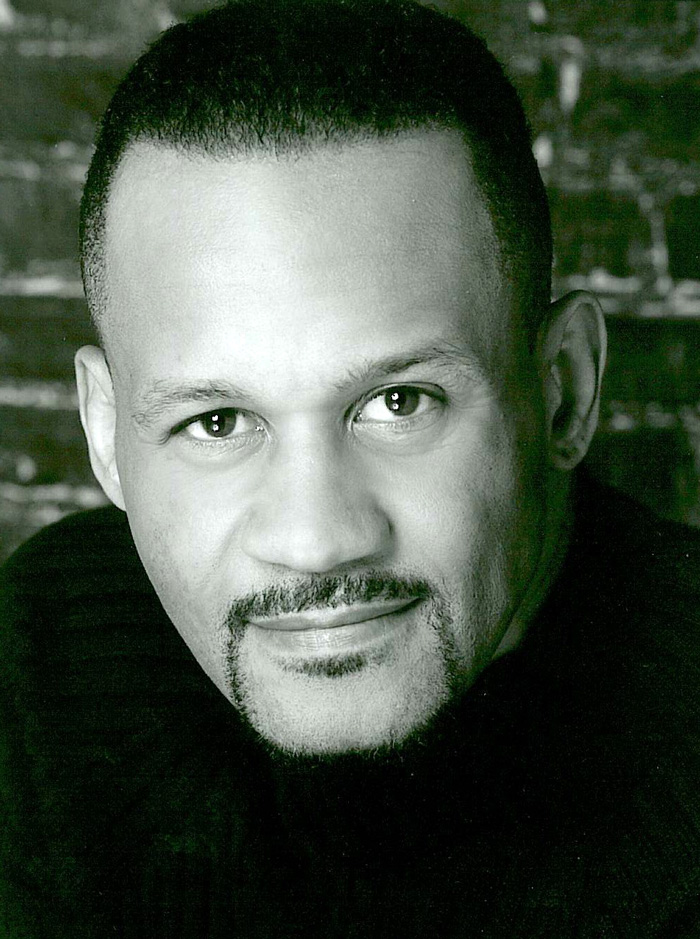
1414lawrenceBroadway star Lawrence Hamilton. After conquering the Great White Way, he conquered the Rock. Whether with the Philander Smith College Choir, the Arkansas Rep, Arkansas Symphony, surprising Governor Beebe, or at an event, Lawrence was a consummate performer and warm and welcoming individual.
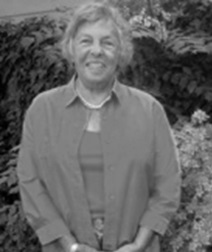
1414anneAnne Hickman was ever-present at the Arkansas Arts Center. For over forty years she gave time and money to make sure this museum could fulfill its mission. Her generous smile and ebullience were also part and parcel of many Arts Center events. In recognition of her dedication, she received the Arts Center’s Winthrop Rockefeller Award in 2008.

1414geraldGerald Johnson was a tenor saxophone player and Little Rock music scene mainstay. Whether headlining a concert or as a side man in a recording session, he brought the same level of cool excellence to his playing. He also mentored younger musicians and worked to instill love of music in many generations.

1414warrenWarren Law lit up Little Rock. For nearly three decades he was lighting designer and a teacher at UALR.  He designed the lighting for many Ballet Arkansas, Murry’s Dinner Playhouse and Arkansas Arts Center productions as well. At the time of his death, he was the lighting designer for Robinson Auditorium and the Little Rock School District.
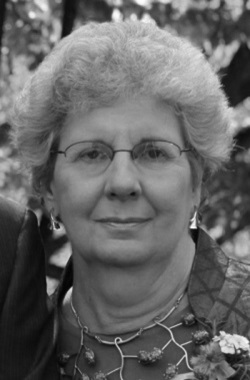
1414barbaraBarbara Patty was a force of nature, especially when it came to support of music and art. As a singer, master gardener at museums, Arkansas Symphony Orchestra volunteer and board member, Arts Center docent, Aesthetic Club president, and general lover of the arts, she not only enjoyed the arts, she was a mentor and encourager of arts patrons and practitioners.
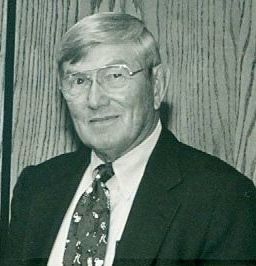
1414pennickBanker Edward M. Penick served on the Arkansas Arts Center Board of Trustees.  As a longtime leader at Worthen Bank, he was instrumental in helping establish many nascent cultural institutions such as the Arts Center, Arkansas Symphony and Arkansas Rep as they were getting established in the 1960s and 1970s.

1414TTheresa Quick, or “T,” was a founding member of the Arkansas Rep. She spent over three decades on stage as an actress. She also was a teacher and mentor.  In addition to usually stealing the show when she appeared at the Rep, she shone at Murry’s, the Arts Center and countless radio commercials.

1414kayKay Terry Spencer enjoyed being on stage, but also enjoyed volunteering to make sure others had the opportunities to shine in their artistic talents. After moving to Little Rock, she spent countless hours as a volunteer at the Arkansas Arts Center, Arkansas Symphony Orchestra and with the Fine Arts Club.
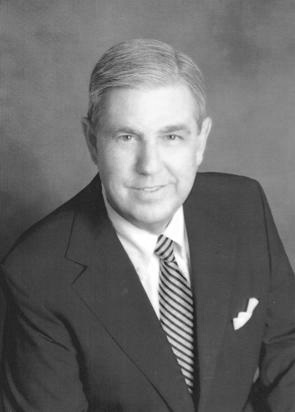
1414billTBill Trice. That name is synonymous with the arts in Little Rock. He was an actor, director, dancer, singer, teacher, student and mentor. From small blackboxes to large halls, bars to churches, his smile and talents left their mark. He was an expert attorney too. And a lover of music (all types), politics (Democratic), and his exceptionally talented family.

1414pollyCaroline “Polly” Murphy Keller Winter embraced the arts as she embraced all aspects of life – fully and without reservation. She served as board chair for the Arkansas Symphony and established the ASO endowment, which continues to grow.  She was an active supporter of the arts in Little Rock, south Arkansas and other states.
14ish Cultural Highlights of 2014

2014 was a busy year.  Here are 14 cultural highlights. In no particular order. Except maybe once in while.

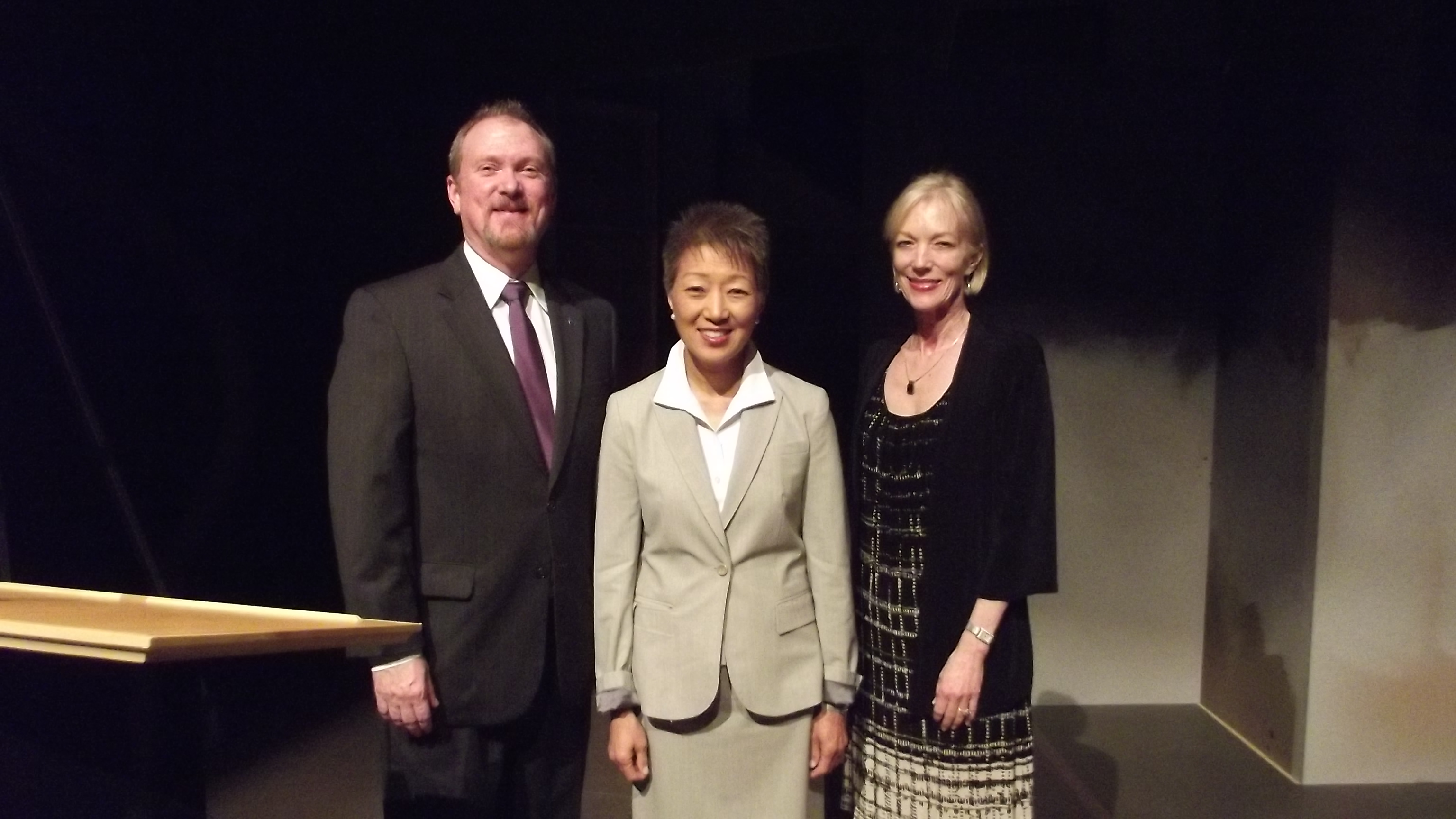
The Rep's Bob Hupp and Catherine Hughes flank NEA Chair Jane Chu

The Rep’s Bob Hupp and Catherine Hughes flank NEA Chair Jane Chu

Dr. Jane Chu visits Arkansas. Former Arkadelphia resident Dr. Jane Chu was appointed as the Chairman of the National Endowment for the Arts. In October, she paid a visit to Little Rock and northwest Arkansas. While in the Rock, she participated in a discussion at the Arkansas Repertory Theatre and toured the new Creative Corridor spaces under construction for the Rep, Ballet Arkansas and Arkansas Symphony Orchestra. Dr. Chu was also the guest of honor at a reception hosted by the Arkansas Arts Council. While here, she had the chance to renew old friendships as well as make new ones.

Carroll Cloar exhibit at Arkansas Arts Center. The Arkansas Arts Center featured the works of Arkansas native Carroll Cloar. Much as the Biblical prophet who is ignored in his homeland, Cloar has long been better recognized outside of his native state.  The Cloar exhibit (which included a painting of future Little Rock mayor J. V. Satterfield playing football, a personal favorite of the LRCV) and the outreach by the AAC staff made great strides towards raising Arkansas’ consciousness about the works by the American treasure.

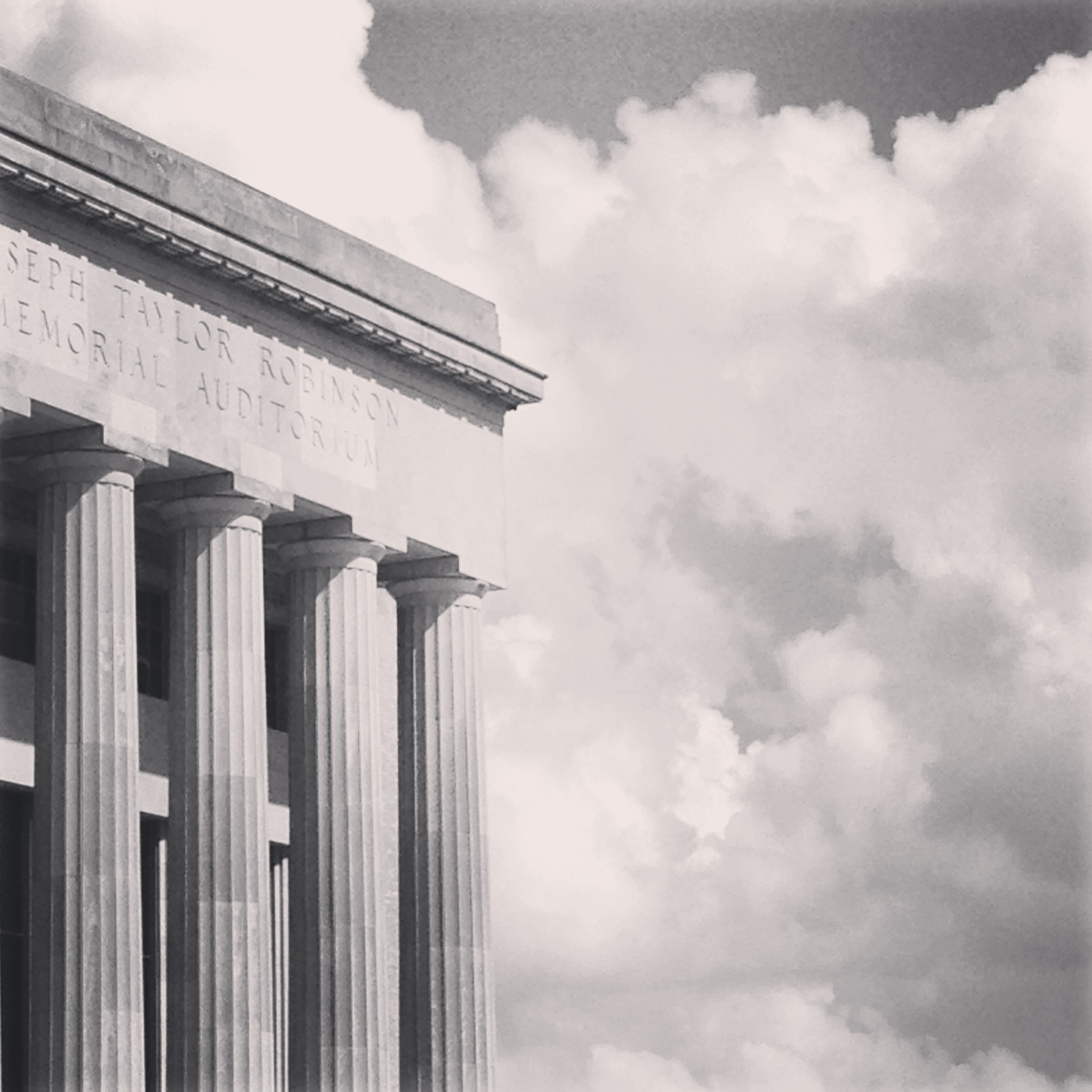
DSCF0011Robinson Center Music Hall closes for renovation. Opening in February 1940 as the Joseph Taylor Robinson Memorial Auditorium, the City’s prime venue for performances and civic gatherings needed an external and internal facelift at 74. The building closed in July 2014 for a two year renovation which will see the reconfiguration of the performance and audience space in the music hall, the creation of a new special events venue overlooking the Arkansas River, and the restoration of this historic main lobby and front façade to 1940 appearance. During this closure tenants such as Ballet Arkansas, the Arkansas Symphony Orchestra and Celebrity Attractions have temporarily relocated to other venues including the Pulaski Academy Connor Performing Arts Center and the Maumelle Performing Arts Center.

Ron Robinson Theater opens. Shortly before one Robinson closed, another opened.  The Central Arkansas Library System’s new Ron Robinson Theater opened. This multi-purpose venue has quickly become home to lectures (by the library, the Clinton School and others), films (in partnership with Arkansas Times, Little Rock Film Festival and others) and music (including the Arkansas Sounds series).  Named for famed Little Rock adman Ron Robinson, the public spaces pay tribute to his love of movies and music about Arkansas.

Music Music Music

  • As noted above, Arkansas Sounds has switched from a concentrated music festival to instead offering a variety of music styles and genres throughout the year at the new Ron Robinson Theatre. The music has ranged from Big Band to Klezmer to Country to Rock to Rap.  This is only one of the new music offerings in Little Rock.
  • South on Main completed its first full year of the weekly Local Live free music series sponsored by the Oxford American and Landers Fiat. South on Main also started a Jazz on Main series as well as increased their bookings of other musicians ranging from Rodney Block to Rodney Crowell.
  • Meanwhile, The Undercroft completed its first full year of (mainly) acoustic music offerings at the corner of Capitol and Scott Streets.

New Works of Art.

  • New sculptures were added to the Vogel-Schwartz Sculpture Garden and Riverfront Park as well as the Bernice Gardens.
  • In what may be the first for any symphony in the US, the musicians of the Arkansas Symphony Orchestra commissioned a new piece in honor of the ASO board of directors. The work, composed by Christopher Theofanidis, was entitled The Wind and Petit Jean.  It was well-received by audience and musicians alike.
  • Ballet Arkansas sponsored a choreography competition “Visions” which featured five choreographers competing to be selected for a full-scale commission.  The winner was Hilary Wolfley whose work will be seen at the spring Ballet Arkansas presentation.
  • Finally, in conjunction with the 175th anniversary of Christ Episcopal Church (the oldest church in Little Rock to be at its original location), a new choral piece was commissioned. Daniel E. Gawthrop’s “Haste the Day” premiered on December 7.

mod delaneyThe Tonight Show with Kevin Delaney. Because Jimmy Fallon is really just a big kid at heart, he wanted to include periodic “cool” science experiments when he took over the “Tonight Show.”  After being contacted by a producer of Fallon’s show and an audition process, the Museum of Discovery’s Kevin Delaney was booked to appear.  He debuted on May 5 performing experiment with Fallon and returned on November 7. When not a guest of NBC, Delaney performs the same types of “Awesome Science” experiments for tens of thousands of children and adults at the Museum of Discovery.

New Festival of Arts. Acansa, a new multi-discplinary, multi-venue arts festival, debuted this year in September.  Over a five day period, ACANSA Arts Festival brought together audiences and cultural resources to present unique and exciting visual and performing works which celebrate the unique influence of the south and champion excellence and innovation in artistry.  There was theatre, dance, instrumental music, choral music, puppetry and visual art.

14 14 4Gridiron Returns. The talk of the return of the Star Wars movie franchise was not the only welcome news of returns. Gridiron, the biennial attorney fundraiser which spoofs politics, current events, sports and everything that is “sacred” to the general populace, returned after a hiatus.  Once again this effort was under the watchful eye of producer Judge Mary McGowan, the creative leadership of Jana Beard, and the writing prowess of the anonymous committee.  As has been the case in the past, many of the targets of the show good-naturedly showed up and laughed along in the audience.

Sculptures Returned.  Gridiron was not the only welcome return. Earlier this year several sculptures were stolen from the Vogel-Schwartz Sculpture Garden in Riverfront Park. After a media blitz about the theft, some people strolling through the park stumbled across a bag containing the missing sculptures. The pieces are in the process of being restored and will be reinstalled soon.

14 14 3Clinton Center turned 10.  Proving that you can come home again, quite a few of the people who were present for the opening of the Clinton Presidential Center in 2004 showed up again in 2014 to take part in celebratory festivities.  Among events included several lectures; a day of service benefiting the Arkansas Food Bank; a barbecue picnic; and a concert featuring Nick Jonas, Kool & the Gang and others which was hosted by Kevin Spacey.  The Clinton School also celebrated 10 years of lectures and innovative programs.

Preservation Concentration – The Quapaw Quarter Association marked the 50th Spring Tour this year. The event was co-chaired by First Lady Ginger Beebe and lifestyle expert P. Allen Smith.  Later in the year, the QQA hosted its first Mid-Century architecture tour highlighting some of Little Rock’s buildings from this style. They ended the year with the news that they had purchased the William E. Woodruff House in east Little Rock. One of Little Rock’s oldest houses, it was built by the founder of the Arkansas Gazette.  They will shore up the building to try to ensure no further decay as the building is readied for its next phase.

Huzzahs

  • 14 14 2Reese Rowland, architect and principal at Polk Stanley Wilcox Architects of Little Rock, was named a fellow of the American Institute of Architects, awarded to fewer than 4 percent of AIA members.
  • Little Rock native Will Trice earned his third Tony Award in three years, this time for producing All The Way, the Best Play of 2014. His previous Tonys were for Porgy and Bess (Musical Revival-2012) and Who’s Afraid of Virginia Woolf? (Play Revival-2013).
  • Arkansas native and frequent Little Rock performer Al Green was one of the 2014 Kennedy Center Honorees.
  • Little Rock’s Creative Corridor continued to rack up honors. The UA’s Community Design Center, which includes faculty and staff members from the school, won a 2014 Honor Award from the American Institute of Architects for its work on the Creative Corridor, on which it collaborated with Marlon Blackwell Architect of Fayetteville. The project also received the American Society of Landscape Architects Honor Award for Analysis and Planning.

Transitions.

  • 14 14Sharon Priest, a longtime cultural advocate as a City Beautiful Commission member, Little Rock City Director, Little Rock Mayor and Arkansas Secretary of State announced her retirement after 12 years as Executive Director of the Downtown Little Rock Partnership.  Over the past dozen years, she has continued her cultural advocacy.
  • One of Priest’s successors as a member of the Little Rock City Board, Stacy Hurst, was named by Gov.-Elect Asa Hutchinson to be his choice to lead the Department of Arkansas Heritage. She will oversee seven agencies including three Little Rock museums: Mosaic Templars Cultural Center, Old State House Museum and Historic Arkansas Museum.
  • Following the closure of Starving Artists Cafe, the weekly Tales from the South program (which originated from there) had to scramble to find a place.  After several weeks of a completely nomadic existence, it is now settling into a rotating list of locations. The Arkansas Arts Center’s Best Impressions restaurant has been designated a “permanent” site for the first Tuesday of each month.
  • The free outdoor Movies in the Park celebrated its 10th season this year. Founders Blake Rutherford, Heather Allmendinger and Ben Beaumont were honored at the start of the season.  A few weeks into the season, the series screened the film Frozen and set a new record for attendance by logging over 7,000 attendees.
  • After the closure of the Riverdale cinema in 2013, the space sat vacant.  In June 2014, Matt Smith moved the Market Street Cinema operations into the Riverdale space. He upgraded the equipment at Riverdale (which was also a vast improvement over the equipment at Market Street).  The new Riverdale 10 shows a mix of first-run blockbusters as well as the independent films for which Market Street had been beloved.
  • The Studio Theatre was launched adjacent to the new Lobby Bar in downtown Little Rock.  In addition to producing its own performances, it is also the new home of the Community Theatre of Little Rock and Precipice Theatre.
  • Weekend Theatre founder Ralph Hyman retired as the Artistic Director of that group. He will continue to direct productions from time to time.


Little Rock Look Back: Ground Broken for Robinson Auditorium

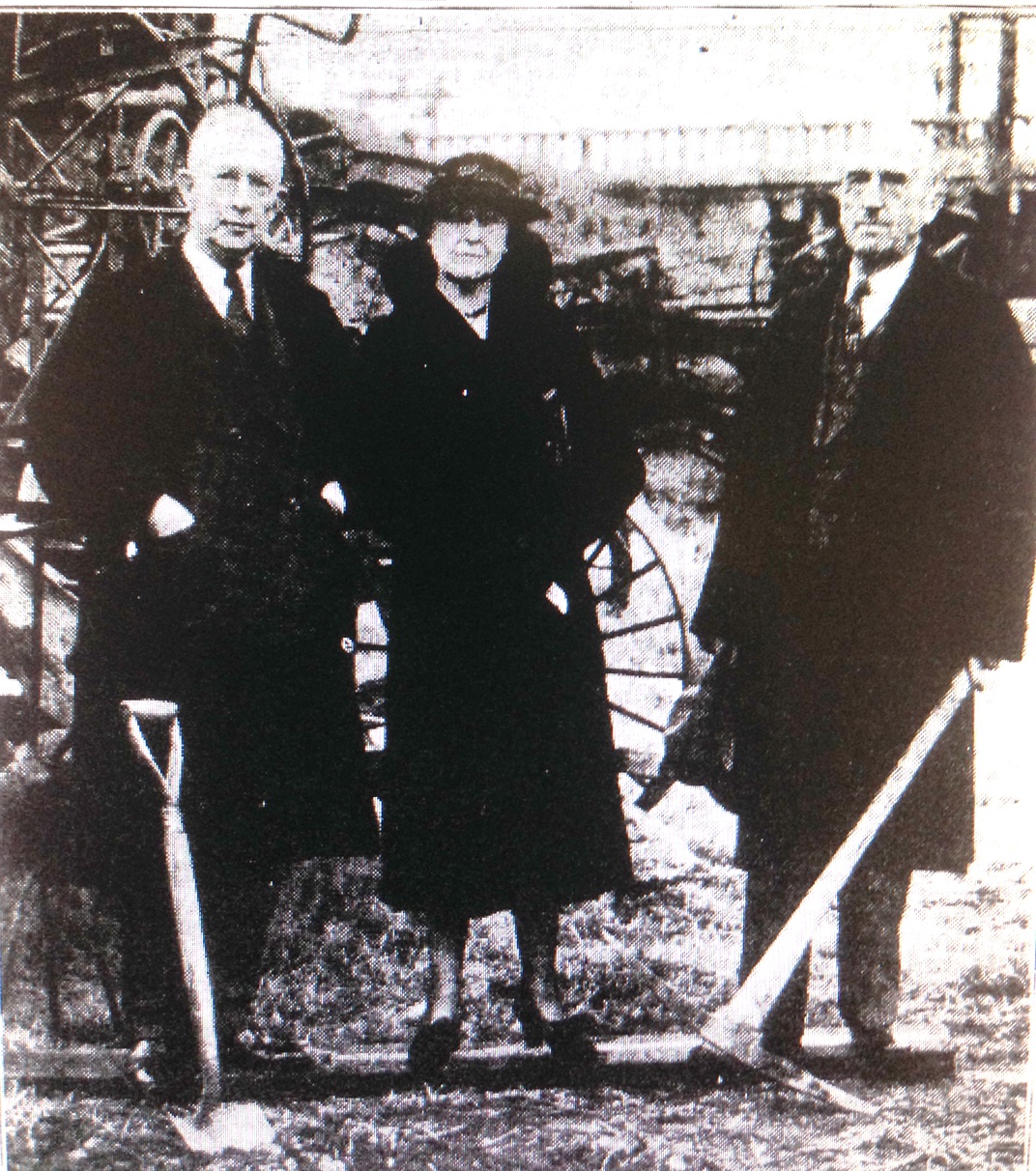
    ARKANSAS DEMOCRAT photo of Mayor Overman, Mrs. Robinson and Mr. Allaire at the groundbreaking. The Broadway Bridge balustrades are visible in the background.

ARKANSAS DEMOCRAT photo of Mayor Overman, Mrs. Robinson and Mr. Allaire at the groundbreaking. The Broadway Bridge balustrades are visible in the background.

On December 24, 1937, at 11:30 a.m., Little Rock Mayor R. E. Overman, Ewilda Gertrude Miller Robinson (the widow of Senator Joseph Taylor Robinson) and  Alexander Allaire of the PWA turned dirt to participate in the brief groundbreaking ceremony for Little Rock’s municipal auditorium.  That morning, the Arkansas Gazette ran a brief story on the upcoming groundbreaking.  The story mentioned that the building would be named in memory of the late beloved Arkansas politician.  This appears to be the first public pronouncement of the Robinson name for this civic structure.

Among others in attendance at the groundbreaking were Mrs. Charles Miller (sister-in-law of Mrs. Robinson), Mr. and Mrs. Grady Miller (brother and sister-in-law of Mrs. Robinson), the mayor’s wife, the three architects (George Wittenberg, Lawson Delony and Eugene John Stern), and D. H. Daugherty and Will Terry of the City’s Board of Public Affairs.

Construction had to start by January 1, 1938, in order to receive PWA funds.  By breaking ground on December 24, there was over a week to spare.  The site had been selected in late October 1937, and the purchase had not been finalized.  But the PWA did give permission for the City to let a contract for excavation, demolition and filling on the site.

The groundbreaking took place at the corner of Garland and Spring Streets which was on the northeast corner of the block set aside for the auditorium.  Today, Spring Street does not extend north of Markham; the street was closed to make way for the parking structure and what is now the Doubletree Hotel.  Garland Street is basically an alley that runs parallel to Markham north of City Hall, Robinson Auditorium and the Doubletree Hotel.

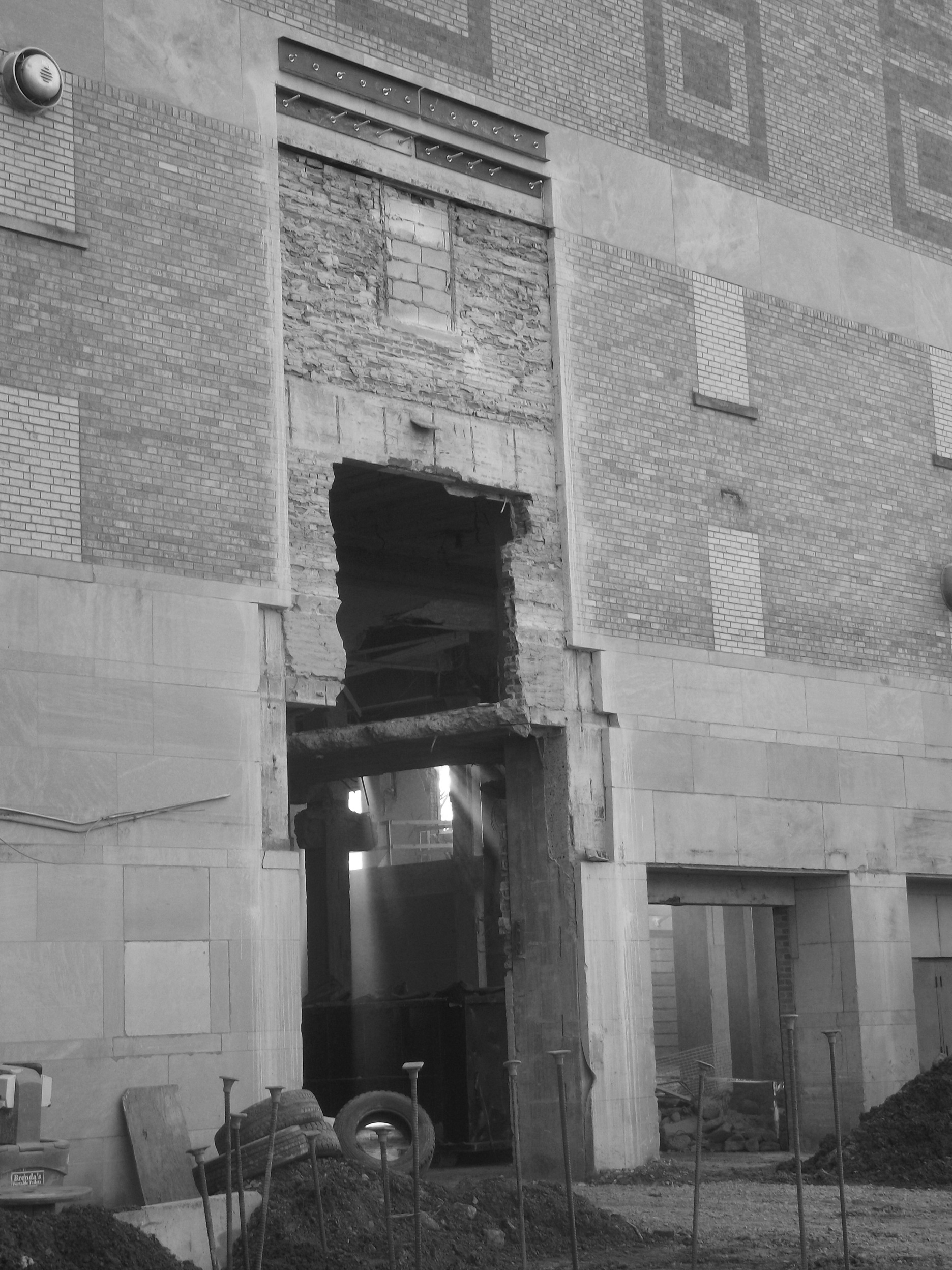
Approximate site of the 1937 groundbreaking. Once again it is a construction site as the Robinson renovation is underway.

Approximate site of the 1937 groundbreaking. Once again it is a construction site as the Robinson renovation is underway.

Photo Vulture – Robinson Center Construction

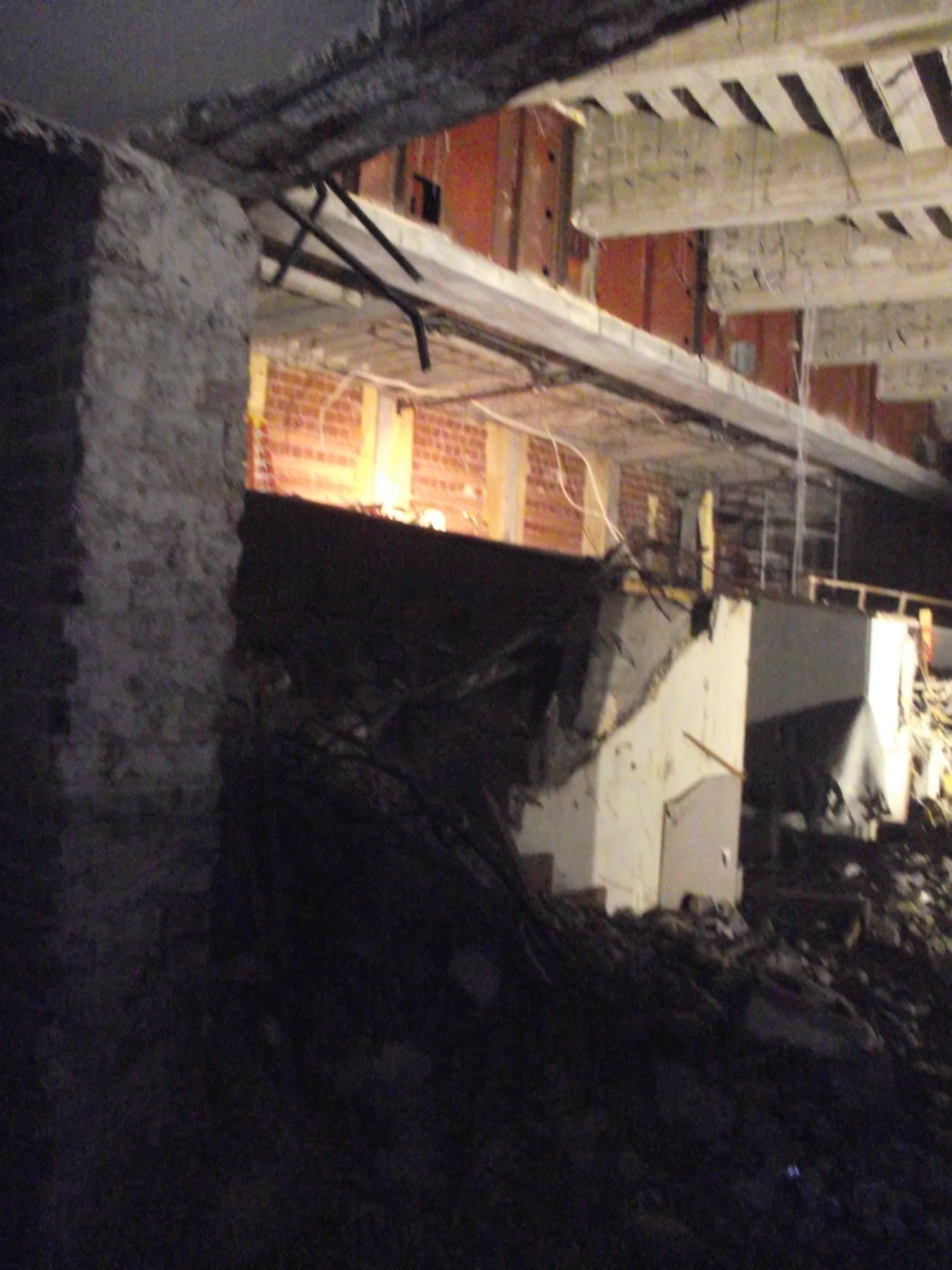
On the shortest day of 2014, sunlight streaming through the construction at Joseph Taylor Robinson Memorial Auditorium aka Robinson Center Music Hall.

Sunlight December 21 2014

Little Rock Look Back: School Children Sing Christmas Carols at Robinson Auditorium

Christmas Carols

Photo from Arkansas Gazette

Right now, music is silenced at Robinson Center.  During the renovation, violins and tubas have been replaced by saws and heavy equipment.

Similarly, 75 years ago, the halls of that building were alive with only the sounds of construction.  But out front, on December 18, 1939, the sounds of Christmas carols filled the air.

That afternoon, 500 school children from elementary schools were joined by the A Capella Choir of Little Rock High School as they sang Christmas carols on the front steps of the auditorium on a weekday afternoon.  The singers were accompanied by the Little Rock High School Brass Sextet.  The invocation for the event, which was sponsored by the Little Rock Council of Parents and Teachers, was delivered by the Right Reverend Richard Bland Mitchell, the Episcopal Bishop of Arkansas.

A Christmas tree in front of City Hall was lit up as part of the ceremony as well.  Media coverage noted that the audience witnessing the program stood on the front steps of the Pulaski County Courthouse, the side lawn of City Hall and in front of the steps of Robinson Auditorium.  It was also noted that most windows in the nearby government buildings were filled with people watching the ceremony.

Little Rock Look Back: Construction on Robinson Auditorium ‘Substantially Finished’

jtrma-bw.jpgSeveral months behind schedule, it was 75 years ago today that the construction of the Joseph Taylor Robinson Memorial Auditorium was declared “substantially finished.”

On December 8, 1939, the work of the general contractor was complete.  The building’s utilities were all fully connected as the steam line and electric transformer were hooked up.  While the work of the general contractor was through, there was still much work to be done. Though there were still unfinished portions of the structure, the exterior was complete and finished surfaces had been installed on the interior.  Until the building was officially turned over to the City, the federal Public Works Administration still had to give approval for any uses of the building.

Mayor J. V. Satterfield, Jr. told the press that he wasn’t sure when the City would formally accept the building. The connection of the utilities had used up the remaining funds, so there was uncertainty as to when the final tasks would be completed.

When it was built, Robinson Auditorium was the first municipal auditorium in the south central United States to be air conditioned.  However, the air conditioning unit was not sufficient to cool both the music hall and the convention hall at the same time.  In warm weather months concurrent events would not be able to take place on the two levels.

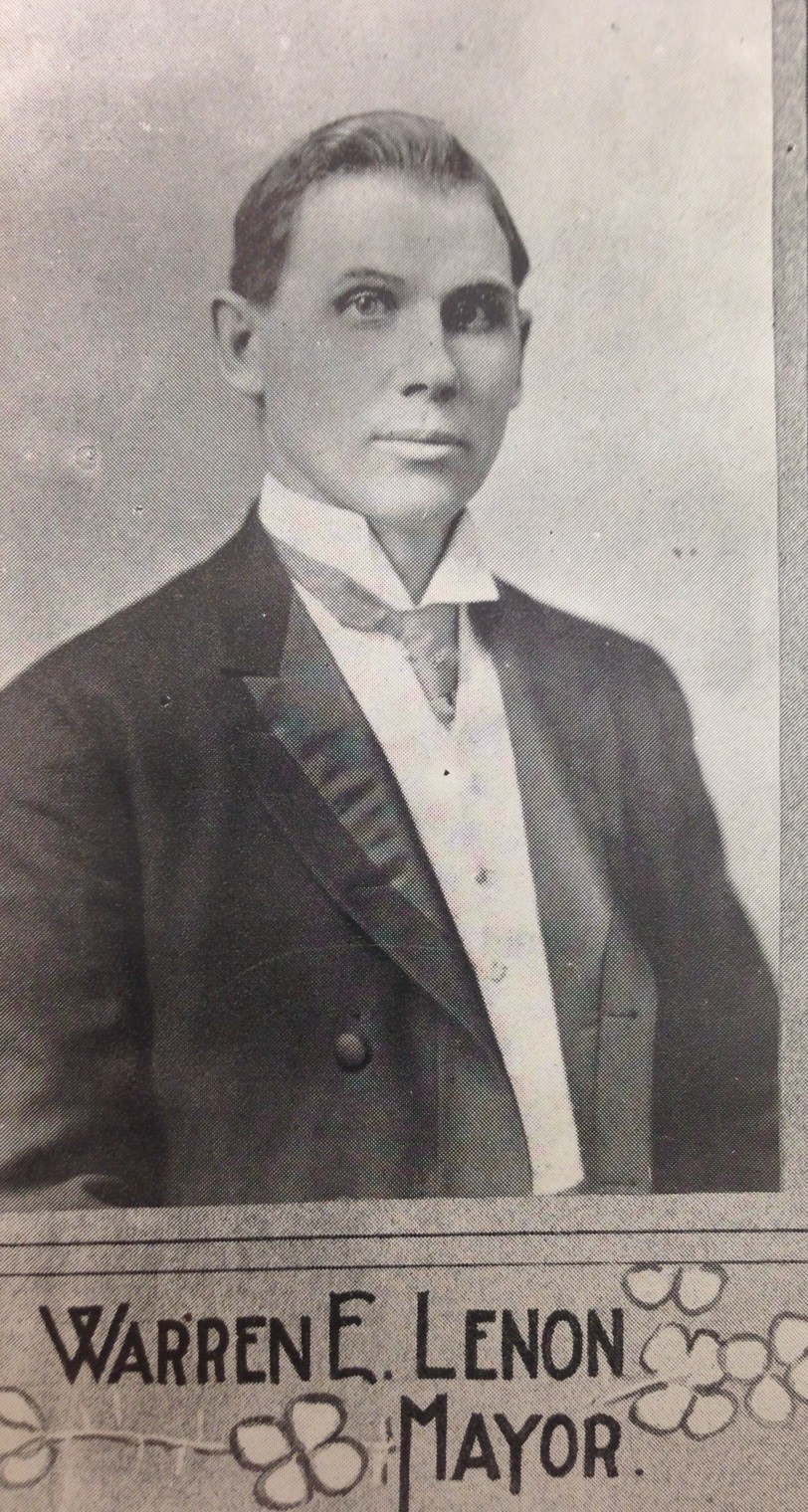
Little Rock Look Back: Warren E. Lenon – LR’s 39th Mayor and Father of City Hall

OMayor Lenonn October 8, 1867 in Panora, Iowa, future Little Rock Mayor Warren E. Lenon was born.  He was one of eleven children of John D. and Margaret M. Long Lenon.

Lenon came to LIttle Rock in 1888 after finishing his schooling in Iowa.  He helped set up an abstract company shortly after his arrival.  In 1902 he organized the Peoples Savings Bank.  Among his other business interests were the City Realty Company, the Factory Land Company, the Mountain Park Land Company, and the Pulaski Heights Land Company.

From 1895 to 1903, he was a Little Rock alderman, and in 1903, he was elected Mayor of the city. A progressive Mayor, he championed the construction of a new City Hall which opened in 1908.  At the first meeting of the City Council in that building, Mayor Lenon tendered his resignation.  His duties in his various business interests were taking up too much of his time.

Mayor Lenon had been a champion for the establishment of a municipal auditorium. He had wanted to include one in the new City Hall complex. But a court deemed it not permissible under Arkansas finance laws at the time.  He also worked to help establish the first Carnegie Library in Little Rock which opened in 1912.

Mayor Lenon continued to serve in a variety of public capacities after leaving office.  In the 1920s, he briefly chaired a public facilities board for an auditorium district. It appeared he would see his dream fulfilled of a municipal auditorium.  Unfortunately the Arkansas Supreme Court declared the enabling legislation invalid.

In 1889, he married Clara M. Mercer.  The couple had three children, two of whom survived him.  A son W. E. Lenon Jr., and a daughter Vivian Mercer Lenon Brewer.  She was married to Joseph Brewer, a nephew of Joseph Taylor Robinson, after whom the City’s eventual municipal auditorium would be named.  Mrs. Brewer was also a leader of the Women’s Emergency Committee.

Mayor Lenon died June 25, 1946 and is buried at Roselawn Cemetery.  Lenon Drive just off University Avenue is named after Mayor Lenon.