
 Sixty-one years after Elizabeth Eckford took the long walk down Park Street as she was trying to enter Little Rock Central High for her first day of classes there, she again went down the street. But on September 4, 2018, her journey was to celebrate the dedication of a new bench.
Met by a mob and kept out of the school by the soldiers she thought were there to protect her, Eckford finally made her way to a bus bench at Sixteenth and Park Streets. This year, a replica of that bench is being dedicated at that location.
Little Rock Central High School National Historic Site collaborated with the Central High Memory Project students and additional partners for the ceremony.
September 4, 1957, was supposed to be the first day of school for the African American students who were selected to integrate Little Rock Central High School. Due to the mobs gathered outside of the school and interference from Governor Orval Faubus, the students would not get in the school that day.
The most famous images from that day are the photos of Elizabeth Eckford walking in front of the school, only to be rebuffed by soldiers and tormented by the crowds. Elizabeth’s decision to walk through the mob of protesting segregationists to enter school, only to be turned away became world news. The story of the desegregation of Central High School was thrust into a defining role within the Civil Rights Movement. Elizabeth’s efforts to overcome the fear and uncertainty that she faced that morning resulted in her seeking refuge at a lonely bus stop bench.
In order to highlight this aspect of the story and create more personal connections with this turning point in history for students and visitors, the National Park Service and the Central High Memory Project Student Team will work with community partners in a new public history project. The Bench Project includes building a replica of the bus stop bench, creating a mobile app for the students’ audio walking tour of eyewitness accounts of that first day of desegregation, and developing a storycorps recording booth for interviews and student podcasts.
The partnership includes: Bullock Temple C.M.E., Central High School and their EAST LAB, the Little Rock School District, the City of Little Rock, the Clinton School of Public Service, Central Arkansas Library System’s Butler Center for Arkansas Studies, Good Earth Garden Center, Friends of Central High Museum Inc., Home Depot, Little Rock Club 99 and other Rotary International Clubs, Unity in the Community, and others.
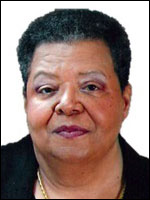 After 60 years, the most dramatic images of the 1957 crisis at Little Rock Central High School remain those of 15-year-old Elizabeth Eckford, being taunted as she walked through a hate-filled mob, on her way to school. Today, Ms. Eckford recalls how difficult it was for her parents, Oscar and Birdie, to allow her to continue the struggle to integrate the Little Rock schools.
 The Little Rock Culture Vulture debuted on Saturday, October 1, 2011, to kick off Arts & Humanities Month.
 Gloria Ray Karlmark enraptured the audience in 2017 at the Central High Integration 60th Anniversary when she talked about how welcomed she finally felt in the city of her lost youth. She was born on September 26, 1942. So her second full day of classes in 1957 was her birthday.
 Ernest Green’s sixteenth birthday was probably more memorable than most people’s. It was not about getting a car, it was about wondering if he would ever get to attend Little Rock Central High School.
 Sixty-one years ago today, Elizabeth Eckford took the long walk down Park Street as she was trying to enter Little Rock Central High for her first day of classes there.
 Hall High opened its doors and started playing football in 1957. As a new school with a largely younger student body, it only played smaller schools that initial season. The first Hall vs. Central game was set for Thanksgiving 1958 (November 27).
 Little Rock Culture Vulture