
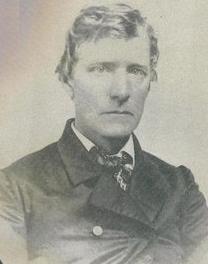
 On December 12, 1819, future Little Rock Mayor Gordon Neill Peay was born. The Peay family arrived in Arkansas from Kentucky in 1825. They quickly became one of Little Rock’s leading families.
Mayor Peay’s father, Nicholas Peay served on the Little Rock Board of Trustees (which existed before the town was incorporated) and later served on the City Council and was acting mayor. It is Nicholas Peay’s Egg Nog recipe which inspired the Historic Arkansas Museum Nog Off!
Godon N. Peay served as mayor of Little Rock from 1859 to 1861. During the Civil War, Peay served as Captain and later Colonel of the Capital Guard. He later received a pardon from the federal government. In the days leading up to the Civil War and during it, Mayor Peay was one of a select group of civic leaders who corresponded with President Lincoln and other Union leaders. It has been said that this conciliatory tone is a reason that Little Rock fared better during Federal occupation and Reconstruction than did many other Confederate cities.
The Peay family owned the Peay Hotel, Little Rock’s first hotel, and were also co-founders of what became Worthen Bank. They were also a founding family of Christ Episcopal Church. Mayor Peay later served as Pulaski County Chancery Clerk.
He died on December 14, 1876, and is buried at Mount Holly Cemetery along with many members of his family. A nephew of his, Ashley Peay, served on the City Council in the 1920s. Mayor Peay’s great-grandson Joseph Barber Hurst, Sr. served on the Little Rock City Board of Directors from 1967-1971. One of Mr. Hurst’s sons, Howard, was born on Mayor Peay’s birthday.
 On November 23, 1808, future Mayor Charles P. Bertrand was born in New York. He was the son of Pierre and Eliza Wilson Bertrand; his father died in 1809 in an uprising in Haiti and his mother eventually remarried. With her new husband, Dr. Matthew Cunningham, she and the family moved to Little Rock in 1820.
 For the two years leading up to the November 1871 election for Little Rock mayor, the political scene had been chaotic. A. K. Hartman, who represented one faction of the Republican Party, was so disliked by the LR City Council that they repeatedly tried to have him removed from office.
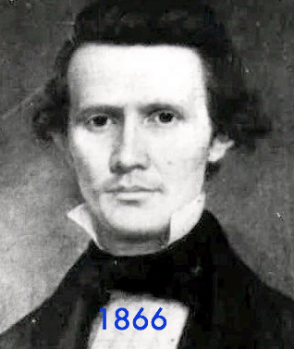 Following the cessation of Little Rock municipal government in September 1863, there was no mayor of Little Rock for the remainder of the Civil War.
 The Little Rock Culture Vulture debuted on Saturday, October 1, 2011, to kick off Arts & Humanities Month.
 The Civil War came to an end for Little Rock 155 years ago today (September 10) as Federal troops took control of the city. Unlike some other Southern capitols, there was no long siege or bloody battle.
 On August 6, 1823, future Little Rock Mayor William Eliot Ashley was born in Little Rock. He would go on to become the first Little Rock Mayor to be born in Little Rock. Ashley was the son of Mary and Chester Ashley; his father would later serve as a U. S. Senator from Arkansas. He was the second of the couple’s seven children.
 Little Rock Culture Vulture